Yamaha Tenere 700 World Raid (DM11) — Adventure
NastyNils / Yamaha Press

2022–2025 · Adventure · Buyer's Guide

Tenere 700 World Raid (DM11)

Built to Last, Built Far

The Machine's Character

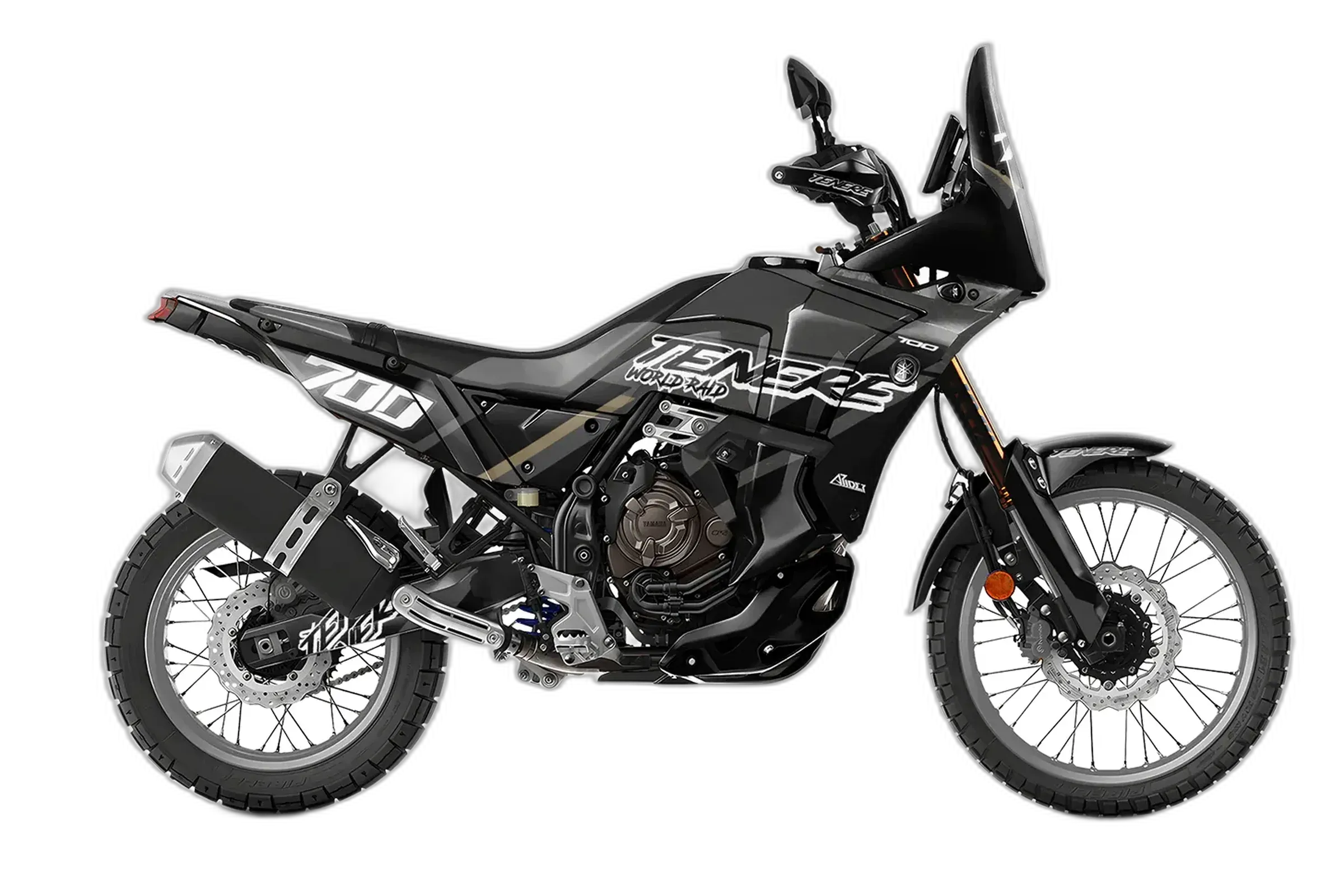
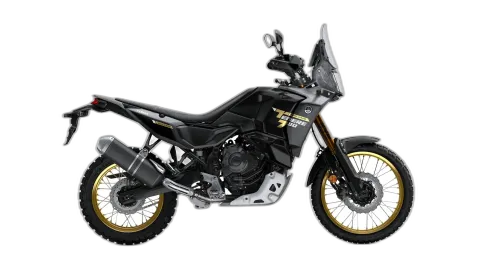
The World Raid is the long-range, rally-bred reading of the Tenere 700, and it wears that intent honestly. Under the tank sits the familiar 689cc CP2 parallel twin — 73 hp, smooth and willing rather than savage — paired with a 6.1-gallon (23 L) fuel load that turns remote distance into a non-event. Add the upside-down fork, a steering damper, and an adjustment range wide enough to dial in a fully loaded bike, and you get a steel double-cradle chassis built to be trusted far from help. In a class that keeps chasing horsepower, this one stakes its claim on reach, durability, and composure.

Ride it and the size melts away — it's more agile than the long travel and 9.4-inch (239 mm) ground clearance suggest, and the reliability is the real headline. Hard rally days, brush, rocks, the pressure washer, minimal upkeep: it shrugs all of it off and keeps going. That makes it a natural for riders who count trips in days and miles, especially taller riders and anyone planning to load it up and disappear for a week. The honest caveat: it's outgunned by the stronger bikes in the class, the wind protection is genuinely inadequate, and there's no slipper clutch to smooth aggressive downshifts. Buy it for endurance, not bragging rights.

Hard Numbers

Spec sheets don't ride bikes, but they set the baseline.

Show full specs & equipment Hide specs & equipment
Key specifications
Power 73 hp (54 kW) @ 9,000 rpm
Torque 50 lb-ft (68 Nm) @ 6,500 rpm
Displacement 689 cc
Engine Parallel twin
Bore × stroke 80 × 68.6 mm
Compression 11.5:1
Cooling Liquid-cooled
Fuel system Fuel injection
Gearbox 6-speed
Final drive Chain
Frame Steel double cradle
Fork Upside-down (USD)
Front brake 282 mm
Rear brake 245 mm
Front tire 90/90-21
Rear tire 150/70-18
Ground clearance 9.4 in (239 mm)
Front travel 9.1 in (230 mm)
Rear travel 8.7 in (220 mm)
Seat height 35.0 in (890 mm)
Wet weight 455 lb (206 kg)
Fuel capacity 6.1 gal (23 L)

Equipment check

Chassis

  • Front Suspension Adjustable Standard
  • Rear Suspension Adjustable Standard

Comfort

  • Heated Grips Optional
  • Luggage System Optional

Connectivity

  • TFT Display Standard
  • Smartphone Connectivity Standard
  • Navigation Optional
  • USB Charging Port Standard

Drivetrain

  • Quickshifter Optional

Lighting

  • LED Headlight Standard

Safety

  • ABS Standard
  • Traction Control Standard
  • Ride Modes Yamaha YCC-T (Chip Controlled Throttle) Refined throttle responseSelectable ride modes Standard

The Voice of Experience

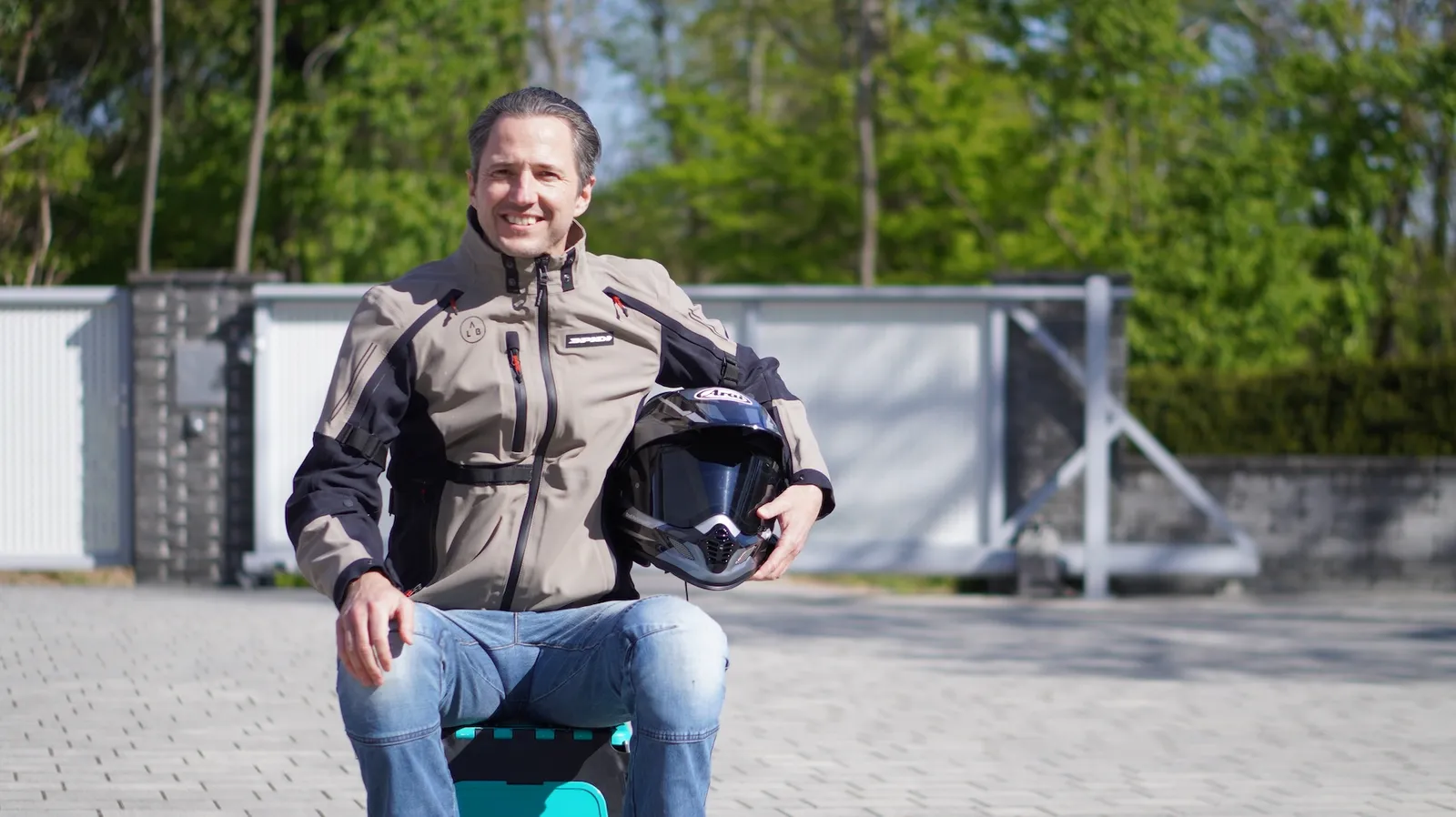
Portrait of NastyNils

The test ride

Spend a day in the saddle and the bike sorts its riders fast. If you're tall, the knee angle at the pegs is genuinely roomy and the upright stance loads your core instead of your lower back, so you finish the day fresher than you expect. The firm rally seat feels stiff for the first mile, then earns its keep by holding its shape long after a softer pad would have packed down into a hot spot. The light clutch pull keeps your left hand relaxed through hours of technical work. It isn't all comfort. The narrow screen deflects almost nothing, so at highway speed your chest and shoulders take a steady pounding. Stand up on a steep climb and the wide tank shoves your knees out at the exact moment you want them tight. Push deeper anyway and the pace just keeps creeping up.

Rated point by point — where it earns its keep

My own 0–100 score for this bike against the class, area by area — the marker on each bar is the class average.

This is the headline, and it's earned. After a full day of hard rally riding — brush, rocks, steep hillsides — the bike came off the pressure washer looking unmarked, like none of it had happened. The upkeep it asked for across days of intensive off-road use stayed minimal throughout. For a bike whose whole reason to exist is getting you somewhere remote and back, that kind of durability is exactly what matters most.

This is where the bike keeps surprising me. In tight corners it turns quicker than the dimensions promise, and in fast sweepers it plants and holds without making you plan your line ahead of time — you just ride. The factory suspension tune is well-sorted out of the crate, with enough adjustment range to dial in real changes once you load it up for a serious trip. The one clear limit comes when the off-road pace climbs: push hard in the dirt and the front goes quiet, with feedback from the contact patch dropping off right when you most want to know what's happening up front. Fair to note the context — expectations run high when you're racing a street-legal tourer against dedicated hard enduros.

What I keep coming back to is how it pulls you in. Day after day at the rally, it absorbed whatever the terrain threw down so willingly that the pace kept climbing without any conscious decision on my part. Somewhere in there you stop thinking about what you're riding — it quits being a road-legal tourer in your head and you're just riding, deeper and faster than you planned. That's the highest compliment I can pay a bike meant to disappear into long, hard days.

Over a full hard day the fork and shock keep absorbing mixed terrain without fading, and the firm rally seat is the quiet hero here — it stays stiff for the first mile, then holds its shape instead of packing down into a hot spot the way a softer pad would. If you're tall, the bike fits: the knee angle at the pegs is genuinely roomy, the upright stance loads your core rather than your lower back, and the light clutch pull keeps your left hand relaxed through hours of technical work. Two things wear on you, though. The small, narrow screen deflects almost nothing, so at highway speed your chest and shoulders take a steady beating, and I'd budget for a taller screen before any real road miles. Stand up on a steep climb and the wide tank shoves your knees out at the exact moment you want them locked in.

Right off closed throttle the response comes in immediately without snapping at you, and rolling back into the power at corner exit is seamless — the transition into engine braking feels exactly the way it should. What's missing is a slipper clutch: on tight hairpins with aggressive engine braking the rear gets more unsettled than I'd like, and you end up managing your downshift timing to cover for it. Under moderate touring loads the motor never complains, but ride it hard and the gap to the stronger bikes in the class shows up fast.

Both ends leave me wanting more, in opposite ways. On pavement the front lever feel is soft and the bite stays well below what sport riding asks for, so anyone planning to trail-brake into a paved mountain corner will come up short. Off-road the rear pedal is the problem — it goes mushy and modulation suffers right when you need to be precise about exactly how much bite you're asking for. Neither flaw is dangerous, but on a bike built to be ridden hard in both worlds, the brakes are the part I'd most want sorted.

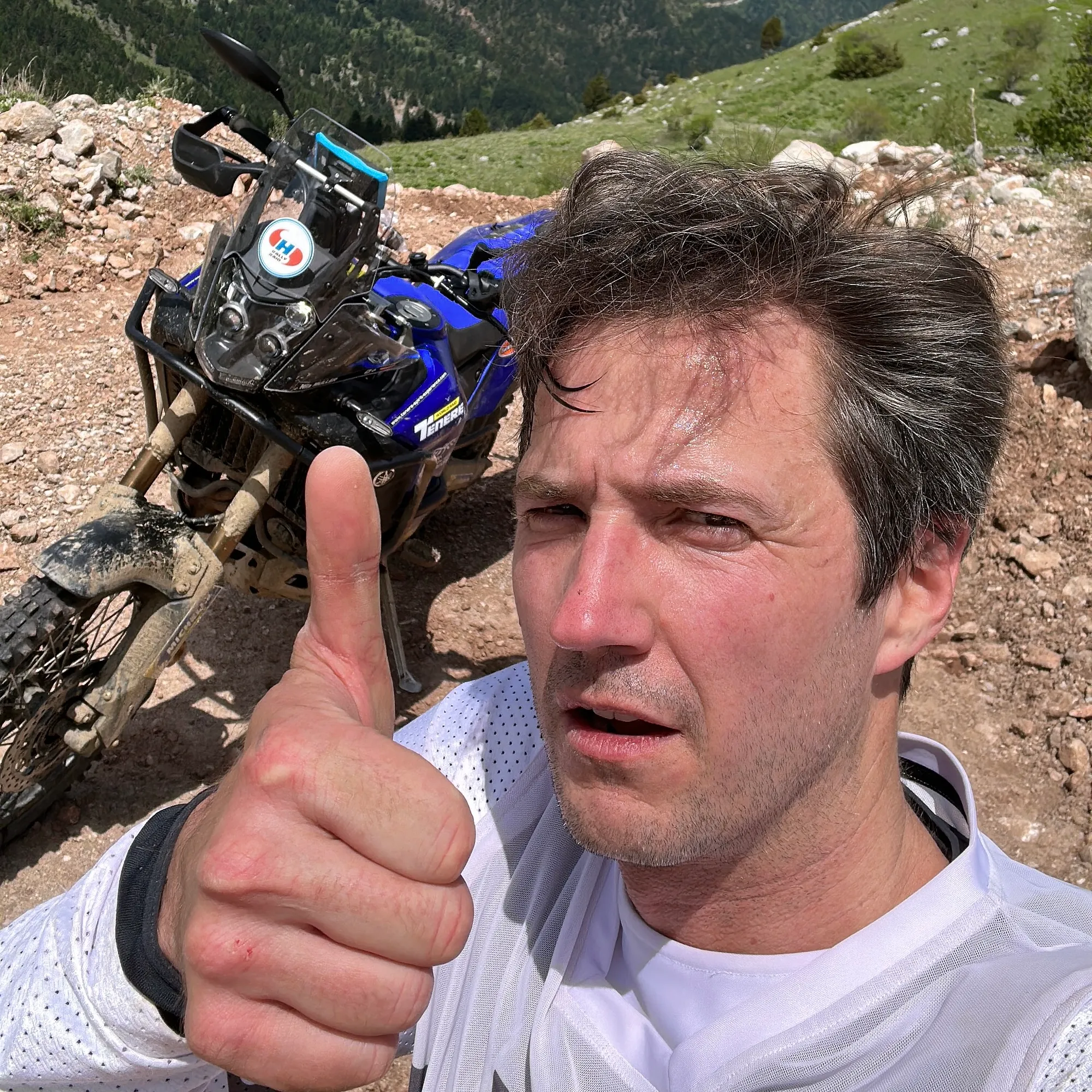
NastyNils celebrates a successful adventure ride on his Yamaha Tenere 700 in high-altitude mountain terrain. Rocky ground with sparse vegetation and distant peaks visible. Nils wears a white t-shirt and gives a thumbs-up to the camera, expressing satisfaction with the bike's hard-enduro performance. The Tenere 700 is parked in the background on loose rocky ground.
Nils Mueller
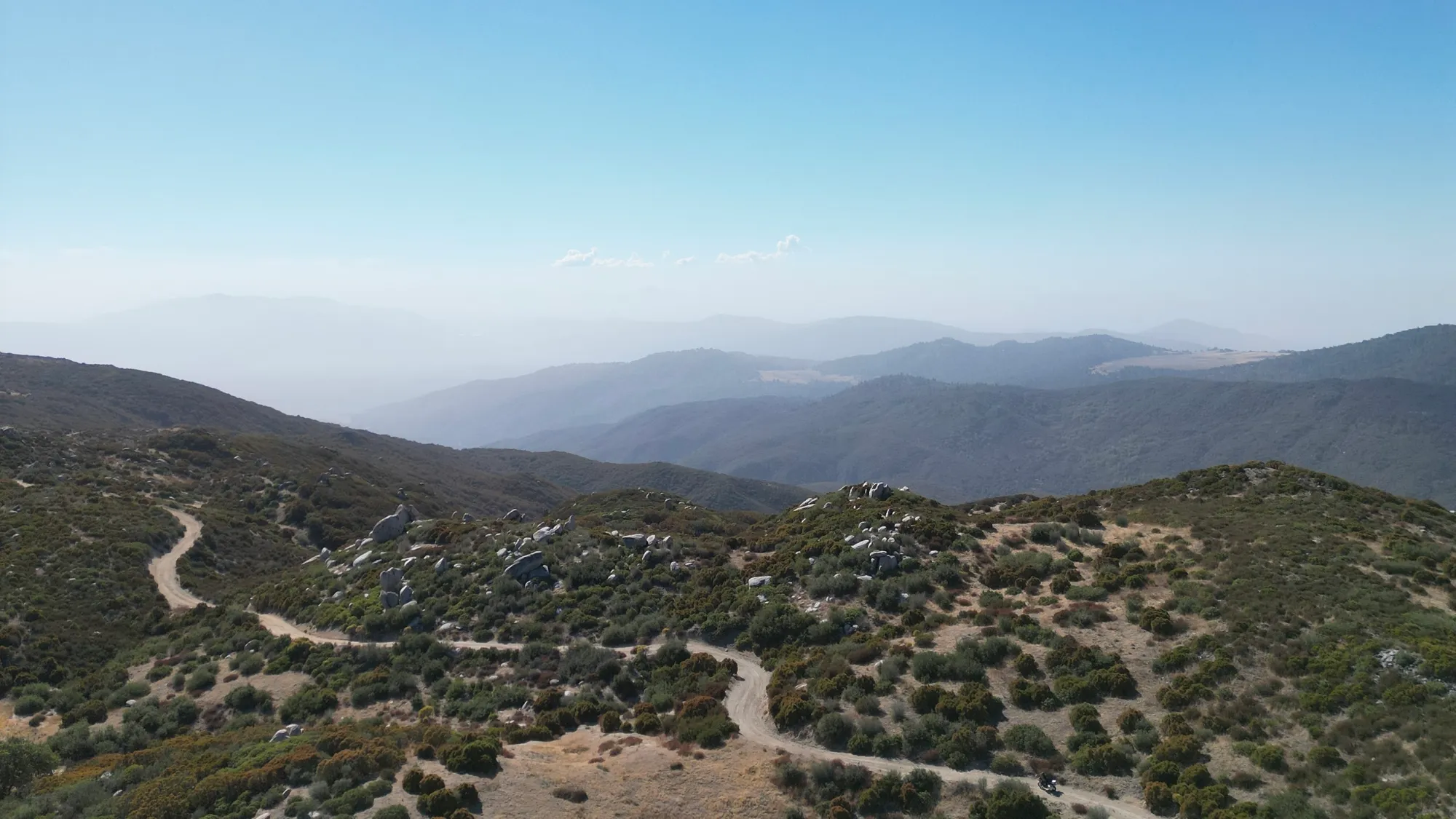
Aerial drone view of Palomar Divide Road winding through chaparral-covered mountain ridges in San Diego County. Multiple S-curve sections descend through sparse vegetation with distant valley views visible in the haze. Gravel and packed-earth surface. Clear day, no motorcycles or riders visible.

The Truth on the Street

I've spent years reading the comments under my videos, following the forum threads, talking with owners in the paddock, and answering the emails and messages riders send me directly. On the World Raid that chatter keeps landing in the same place: a bike built to go far and keep going, with one clear gap that comes up again and again.

Built To Go The Distance

Riders point to the off-road suspension and chassis first and most often — plush, controlled travel that turns the World Raid into a serious off-road weapon. From there the long fuel range comes up constantly, the kind of reach that quiets fuel anxiety on remote runs. The parallel twin draws steady praise for its smooth, torquey low-end pull, and owners keep circling back to the reliability and long service intervals that hold running costs down. A recurring surprise on top of all that: how agile it stays on twisty pavement.

Where The Tech Runs Thin

The one gripe that surfaces with any regularity is the sparse electronics. Some owners mention the missing cornering ABS, cruise control, and other modern rider aids that rivals carry, and for the more tech-focused buyers it's the detail that gives them pause.

Known issues

  • Incorrect front brake caliper bolts (recall)

    brakesrareRecall

    Certain 2022 models were assembled with front brake caliper bolts having an incorrect thread length, potentially damaging caliper mounting threads and risking caliper detachment and loss of braking. Yamaha recall 990168 / NHTSA 23V-472.

  • Front brake cable binder improper fitment (EU recall)

    brakesrareRecall

    Certain Ténéré 700 World Raids in the EU were recalled for an incorrectly fitted cable binder, potentially affecting brake line security.

  • Clutch drag and potential recall

    drivetrainoccasionalRecall

    Some 2023-2024 Ténéré 700 models experienced clutch dragging, leading to a recall for replacement of clutch discs. Affected units may drag when cold or squeal.

The Expert Benchmark

Where this Yamaha Tenere 700 World Raid pulls ahead of — or falls behind — its rivals on the numbers, and the typical bike in its class on character.

What kind of bike this is — character vs. the class

This bike Class average

The shape of the Yamaha Tenere 700 World Raid — numbers and character vs. the average Adventure

Head-to-head: Yamaha Tenere 700 World Raid vs. its rivals

The Long-Haul Verdict

Forget spec-sheet bragging. Here's who the Tenere 700 World Raid is actually built for.

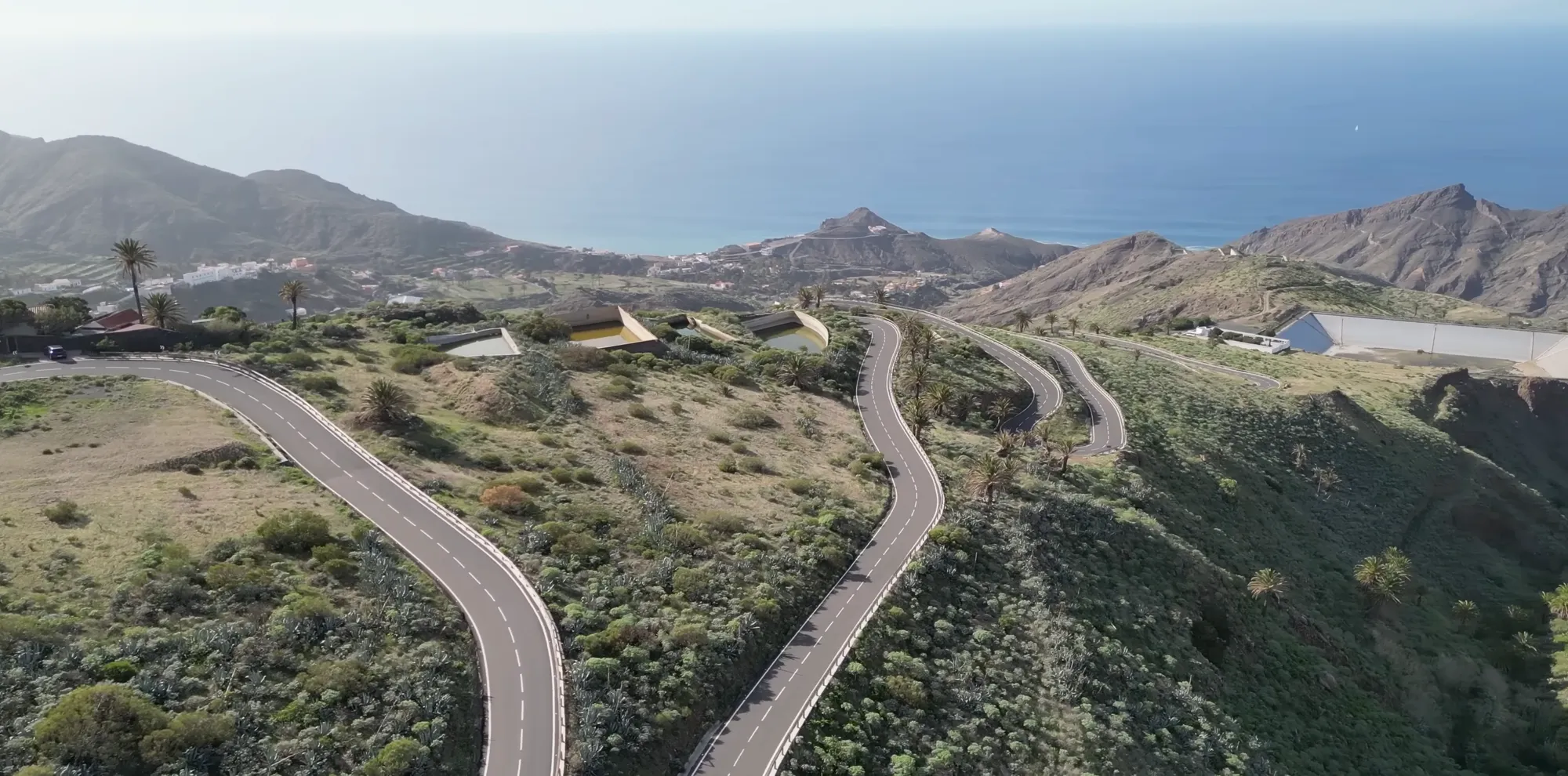
Aerial view of a winding asphalt road cutting through volcanic terrain on La Gomera, Canary Islands. The road curves through sparse green vegetation with rocky volcanic peaks visible in the background and a settled valley to the left. Clear lane markings, dry climate, partly cloudy sky. No motorcycle or rider visible.

Best motorcycle for Moab?

It's agile, tough, and willing on technical ground, so day-trips on slickrock and sand are a genuine pleasure. Just know the front goes quiet when you really push off-road — this is a tourer chasing enduros, not one of them.

Made for Bar M / Kane Creek · Imperial Sand Dunes · Johnson Valley OHV Area
Best touring motorcycle for long distance?

The 6.1-gallon (23 L) range and bulletproof reliability are exactly what coast-to-coast riding needs. Plan a taller screen before the first trip, and don't expect easy pace two-up fully loaded — the motor is honest, not muscular.

Made for Beartooth Highway · Blue Ridge Parkway · Going-to-the-Sun Road

Best motorcycle for BDR routes?

This is your sweet spot. The range, the reliability, and the deep aftermarket make multi-day BDR logistics straightforward, and the chassis handles real backcountry without drama. Pick it for endurance over outright grunt.

Made for AZBDR — Arizona Backcountry Discovery Route · California BDR South · COBDR — Colorado Backcountry Discovery Route

Alternatives to the Yamaha Tenere 700 World Raid

If this one isn't quite the fit, these are the bikes worth riding back-to-back against it.

Any price note compares both bikes at the same age — the youngest age both have on the used market — against this Yamaha Tenere 700 World Raid. “cheaper/pricier” is what that bike costs second-hand, not how worn it is.