
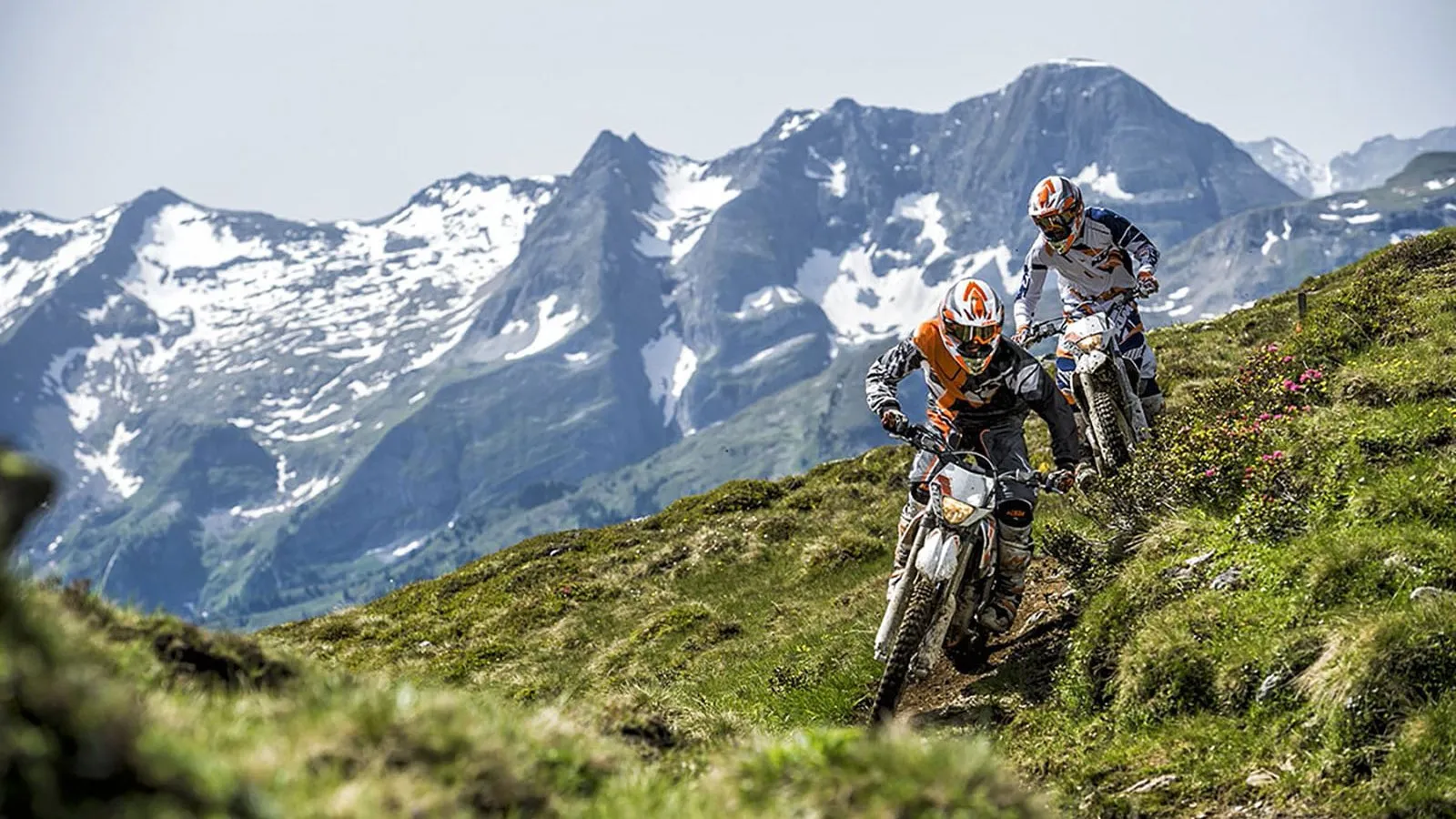
The ridge and the Riviera
You’re allowed to want a mountain panorama as much as another mile of gravel. Give that thought a moment. An enduro vacation doesn’t need to resemble a job interview where every answer starts with how hard you can ride. Piedmont and the Ligurian border ridge have a much more tempting proposition: alpine riding, room to linger and an Italian vacation wrapped around it.
The Ligurian border ridge runs through the alpine frontier between Italy and France. Colle di Tenda marks the northern starting point at roughly 6,140 feet, with Fort Central in the same area. Sections of the ridge rise above 6,560 feet. In the north, the landscape opens into treeless high country; southern sections also pass through forest. Alta Via del Sale is a northern core section of this wider ridge region, referred to here as LGKS. Keep that distinction in mind when a photo or route name catches your attention.
The region’s DNA comes from the old military road, visible forts and bunkers, and the meeting of Alpine scenery with Italian vacation pleasures. High sections can offer views as far as the Mediterranean when the weather cooperates. You can also combine the mountain trip with an onward journey to the Italian Riviera. For me, the appeal is that mixture. Nature, enduro, mountains and Italian food all deserve a place in the plan.
I count the region among the great classics of Alpine enduro travel. I find Romania’s terrain more varied and Tuscany’s Italian feeling more intense. Here, I like the combination. You don’t have to declare a winner between the riding and the vacation; the long panorama stops are part of what makes the ridge appealing.
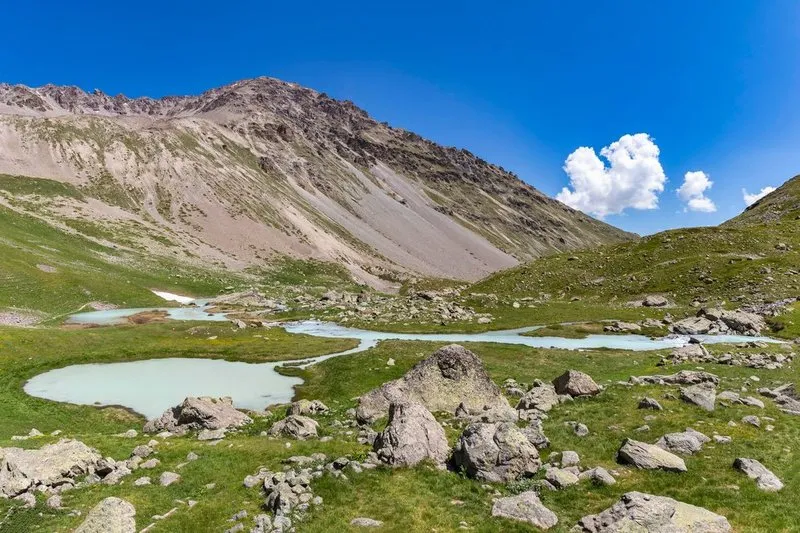
The French Maritime Alps make a strong case for giving the view its own place in your vacation.
Gravel gets a vote
Gravel is the characteristic surface of Alta Via del Sale. That tells you what sits under the tires; it doesn’t give the whole border ridge a single difficulty rating. The maintained northern core and rougher southern sections make different demands. In the southern terrain, coarse loose gravel is part of the challenge, alongside washouts, ruts, rock steps and rocky ledges. Tight, steep switchbacks add another ingredient.
In my imaginary packing plan, even the shirt for looking relaxed at dinner gets promoted to essential equipment. I’d have the vacation wardrobe sorted before asking whether my riding fits the route. So here’s the honest test: the stretch between Passo di Tanarello and Passo di Collardente belongs to the demanding southern sections. These parts call for existing experience on loose rubble and rock steps, as well as riding skill and stamina. On an adventure bike, that can be a proper physical workout. The luggage belongs in the assessment too: you can feel the difference between the loaded bike and the same bike without the bags.
Here’s the point: choose a section for its riding character, not just its best photograph. An exposed switchback at Col de la Boaire is one of the ridge’s distinctive landscape images. Rifugio Don Barbera is another landmark in the high Alpine area. Both help give the place an identity beyond the generic promise of a gravel adventure, but a recognizable landmark doesn’t replace an honest look at the terrain.
Winding paved mountain roads belong to the region’s motorcycle appeal too. Pigna and Triora can be reached on twisting asphalt routes through the Ligurian hinterland. You can give those curves a place in the vacation alongside the gravel and the views. Choose the balance that appeals to you, including the riding you already have the skills to enjoy.
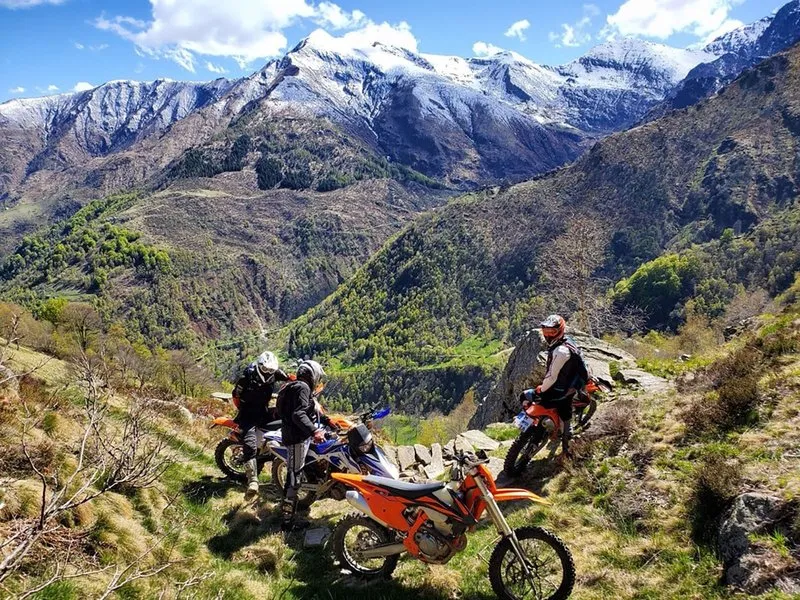
Let the mountain view interrupt the ride. Some breaks deserve more than a quick photo.
Choose the right kind of enduro
A tour’s level number only helps when you know which motorcycle category it describes. RIDE KTM, for example, calls Levels 1 and 2 of its off-road scale for lightweight enduros suitable for beginners. Level 1 includes gravel roads, field tracks and singletrack, narrow trails without steep climbs or descents, plus paved alternatives around difficult sections. Level 2 brings washed-out gravel roads, potholes, ruts, dry riverbeds and simple river crossings into the picture, without extreme gradients on the singletrack.
Those are descriptions for lightweight enduros. They don’t rate a big-bike version of a trip or the entire LGKS. At Level 4, KTM expects regular off-road practice and includes rock steps, loose rubble, sand, slippery ground, steep hills and hillside traverses, stretches across a slope. Read the terrain behind the number before deciding which label sounds like you.
Powerride Enduro Tours is an official KTM partner and divides its groups by individual ability and preferences. Its four-day Giro Sestriere program for lightweight enduros is listed at Levels 1 and 2. The trip begins in San Secondo di Pinerolo with an afternoon to warm up. A subsequent stage climbs above 6,560 feet and passes Sestriere; the program includes a night in Bardonecchia, with a support vehicle carrying the luggage.
Piemonte Enduro has a different range: Levels 2 through 5 across a four-day format. Its terrain includes gravel roads, alpine pastures, mule tracks through forests and rubble fields. A four-star hotel supplies the meals and overnight stays. Rental motorcycles are listed separately for both programs. An LGKS ride needs its own route plan rather than an assumption that it’s included.
Start with the Ride KTM experiences program page, then compare the actual terrain descriptions. You can look at an introduction on a lightweight enduro or a more demanding format without calling the whole region easy or difficult. The useful choice is the one that fits you.
Summer comes with a ceiling
For the high border ridge, the useful travel season is the snow-free summer into fall. July sounds wonderfully decisive when you’re filling out a vacation request. The mountain gets no copy of that form. June through October gives you a broad, conditional frame, with lingering snow able to block individual sections even in summer.
Piedmont’s lowlands have warm summers. In the Alps, average temperatures decrease with elevation, and the ridge’s conditions differ from those down in the valley. That’s an important distinction for a region where parts of the LGKS run above 6,560 feet and Monte Saccarello, an outlook summit in the border-ridge area, reaches roughly 7,220 feet. A description of summer in lowland Piedmont isn’t a temperature forecast for those heights.
Spring and fall have the highest rainfall in the region’s long-term climate pattern. That adds another piece to the seasonal choice, alongside lingering snow at altitude. Keep the focus on the mountain sections you want to include rather than applying one convenient weather label to the whole vacation.
The weather also changes what makes the landscape so compelling. Fog and moving clouds alter the ridge’s high-country scenery; views over layers of cloud below the route are part of its character. The long sightline toward the Mediterranean depends on suitable weather. Here’s the appeal: the panorama isn’t one fixed postcard. Give the landscape some time in your plan, with expectations that allow for snow conditions and a changing sky.
Dinner belongs to the ride
Dinner deserves more ambition than replacing whatever energy the riding used up. Piedmont gives you specific things to look for on the menu, starting with agnolotti del plin, small filled pasta parcels. Plin refers to the pinch of the fingers used to close the pasta. Meat or roast sauces are among their accompaniments. After the enormous shapes of the mountains, there’s something appealing about a regional specialty named for such a small hand movement.
Tajarin are thin fresh egg noodles from Piedmont. Bagna cauda takes the meal in another direction: garlic, anchovies and oil make a warm sauce into which you dip vegetables. That’s an ingredient list with opinions. No elaborate sales pitch required. You can give one of these dishes your attention instead of treating the menu as another checklist to finish before tomorrow’s riding.
Castelmagno belongs to the region’s cheeses. Risotto is part of Piedmontese cooking too, served in different versions, and bonet belongs to its desserts. Choosing dinner thankfully doesn’t need a difficulty rating. Those names give you a starting point for exploring the food alongside the scenery, with different things to look forward to when you open the menu.
For me, the combination of Italian food, Alpine panorama, nature and enduro is what makes this region a classic. Leave room for each part. You can choose a riding program that suits your skills, take your time with the views and let dinner become part of the vacation rather than its closing chore. The mountains give you plenty to look forward to. So does the evening.
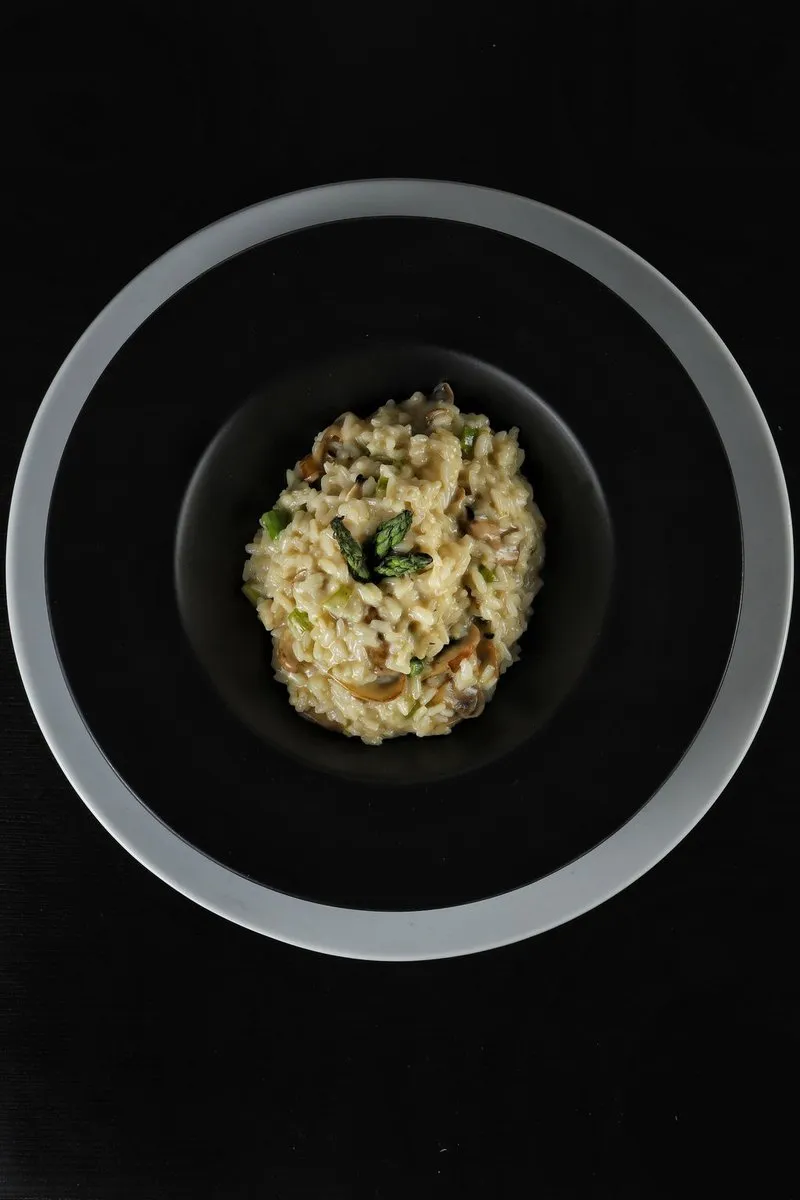
Save room for dinner. A slow meal belongs in the same plan as a big riding day.