
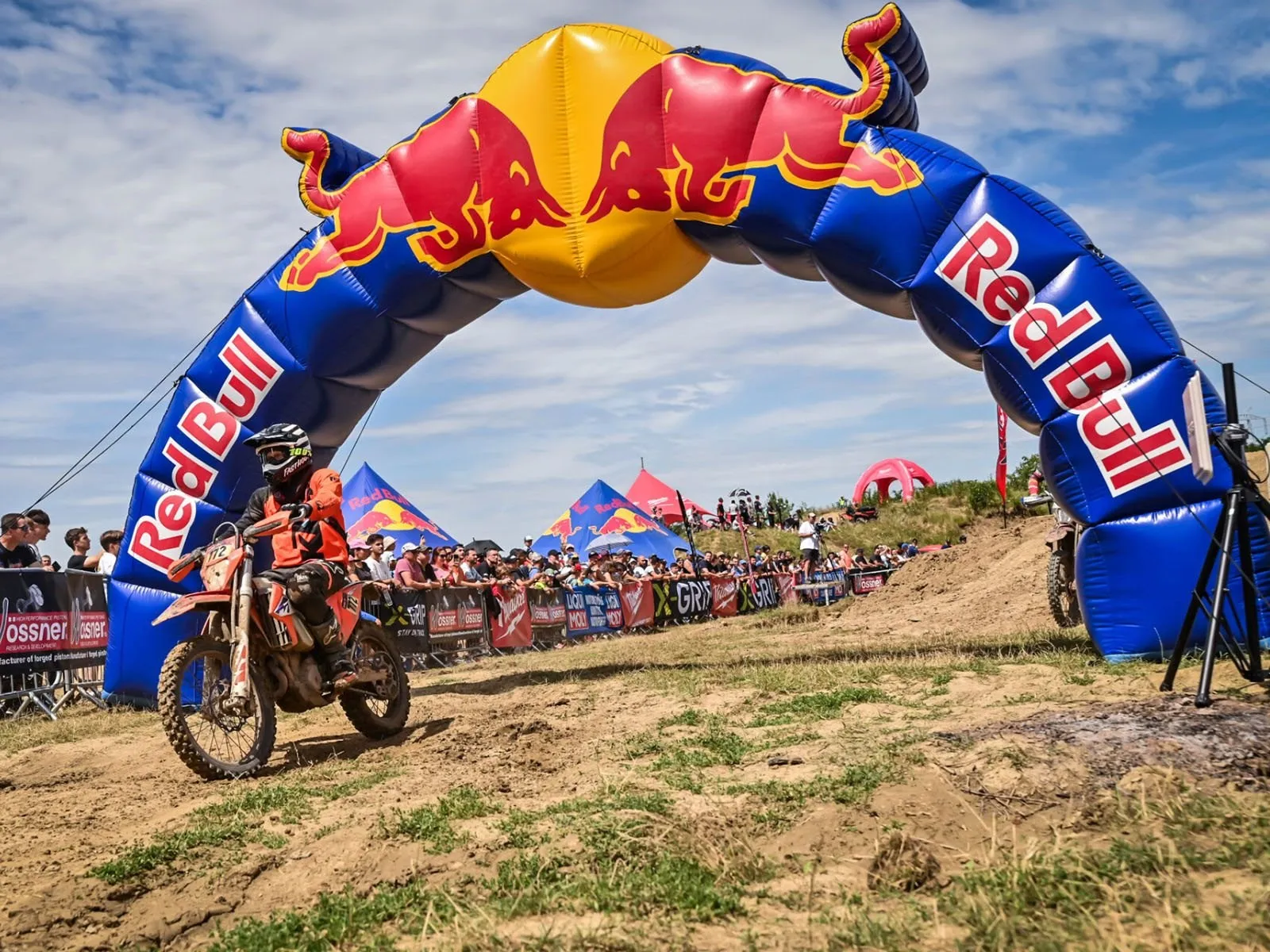
The front wheel skates across a wet slab, the motor bogs down to almost nothing, and above you a beech forest dissolves into clouds that weren’t there ten minutes ago. That’s the Southern Carpathians introducing themselves. The pretty question is whether it’s beautiful up here. It is. The real question is the one that actually costs you something: can you handle it when you’re tired, soaked, and four days deep? That’s what the next few paragraphs are about. What this range demands of your riding, when to show up, and why the best hard-enduro racers on earth come here to suffer.
What the Ground Demands
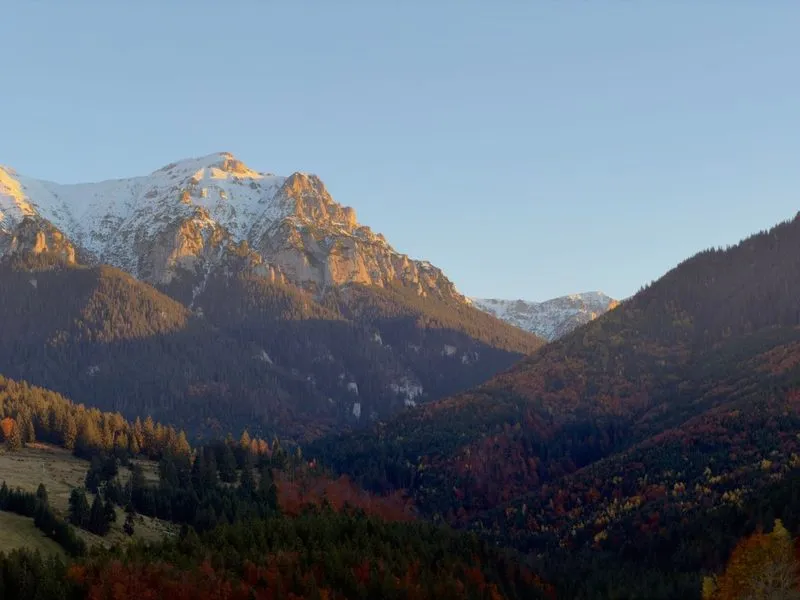
Start with the geography, because it explains everything else. The Southern Carpathians are the second-highest group in the whole Carpathian arc, and their nickname is honest: the Transylvanian Alps. The Făgăraș is the tallest range in the bunch, and Moldoveanu, the highest peak in Romania, stands at 8,346 feet. Glaciers carved all of it, gouging out cirques and stashing lakes in the high bowls. The Retezat alone hides fifty-eight of them. Your launch pad sits farther west, in the Banat mountains around Caransebeș, a corner that’s roughly two-thirds mountain and vanishes under the beech canopy of the Semenic park, where the forest covers better than eighty percent of the ground. Underneath runs karst riddled with more than eight hundred caves.
So you’re not riding through scenery. You’re riding through a mountain range that shaped every foot of itself, and it hands you the whole menu. Easy gravel and dirt forest tracks where the trees just blur past. Technical climbs that stand you up on the pegs. Rock, rooty singletrack, steep muddy pitches, and river crossings where the front wheel develops opinions of its own. The Trans Euro Trail, that loose web of free off-road routes stitched across Europe, follows the spine of the Carpathians here in three sections and runs a lot of narrow singletrack up to 7,200 feet. The postcard roads you might already know: the Transalpina tops out around 7,040 feet at the Urdele pass, the hairpin-stacked Transfăgărășan a hair under 6,700. Campervans park up there in July and film themselves cornering. Your terrain starts where the black line ends and a tire rut keeps going into the dirt.
Skill and the Right Season
Be honest with yourself before you book. The Carpathians aren’t where you learn to ride standing up. Up here you string rock, mud, rivers, and long steep pitches back to back, often with valley heat below and alpine cool on top. Serious operators grade the skill you need in tiers, from your first meters on a shift bike all the way to riders who link rock, deep ruts, and greasy ground with steep climbs and descents. The Carpathian program sits near the top of that ladder. In real numbers, a day in the dirt runs five to seven hours and covers thirty-seven to sixty-eight miles. Sounds like nothing, until you clock that most of it happens on the pegs, feathering the clutch. The tougher multi-day trips openly take their cue from the Red Bull Romaniacs. If you know what that name means, you know what you’re signing up for. And the real exam rarely lands on day one. It shows up on day four, when your forearms are cooked and the same muddy climb that had you whooping on Monday just spits you off on Thursday. So the honest skill gate isn’t whether you can clean a hard section. It’s whether you can clean it tired, and clean it again.
The season decides how hard hard gets. Romania runs a temperate continental climate, and it means it. Valley floors hit 86 to 88°F in July and August, with spikes past 97, while the high country stays pleasant, and snow lingers above 5,900 feet into May. The window is May through September, though some outfits stretch it from mid-April to mid-October. Spring is wet and gluey, and that wears you down, because soft mud never rides easier, it just turns every climb into an arm-wrestle. High summer bakes in the valley and turns glorious up top. Autumn brings cool dry days with the best grip and the fewest people. Write one thing behind your ear, because it’s the biggest summer hazard in these mountains: the afternoon thunderstorms from June to August. They stack up over the ridges in minutes, short and violent. Start early and get the worst of it behind you before lunch.
Where the Wild Watches Back
Every year the country around Sibiu hosts the Red Bull Romaniacs, widely called the hardest hard-enduro race on the planet. Days of steep climbs, rocky descents, rivers, roots, and everything in between. For you that means two things. First, the ground the world’s best racers suffer on is basically in the neighborhood. Second, this region didn’t google its reputation, it earned it in the dirt. That’s what separates the Carpathians from the long list of places that read great on paper and disappoint in the saddle.
Then there’s the wilderness, which isn’t a figure of speech here. The Carpathians hold the largest brown bear population in Europe outside Russia. Wild camp, and not a crumb of food goes in the tent or on the bike, it lives in a scent-proof bag well away from where you sleep. You’ll rarely see a bear. But you’re riding through its living room, and knowing that changes how a lonely forest track feels in the evening light. More likely, and a lot less shy, is the second encounter: Romanian shepherds work with big livestock-guarding dogs that turn rough on strangers. Outside the touristy corners, expect them anywhere. Add the sheer remoteness. The Făgăraș is honestly empty, you can spend a whole day on a ridge without meeting a soul, and the huts up there you reach on foot or not at all. Ride here and you pack tools, food, and a plan B, because nobody’s coming to fix your flat. I say that as the guy who once trusted his own cool somewhere else and rode off without a spare tube. And then, right in the middle of all that hardness, a chain of glacial lakes opens up like in the Retezat, cold clear water over rock, the sky sitting on the surface. That swap is the whole deal. You pay in effort and attention, and the landscape pays you back in a currency no paved pass ever hands out. The solitude isn’t a flaw. It’s the reason a lot of riders pick the guided line.
Transylvania’s DNA and What Hits the Plate
Few regions drag around as much myth as Transylvania, and most of it turns out to be real. Take the fortified churches. The Transylvanian Saxons built them between the thirteenth and sixteenth centuries, when Ottoman and Tatar raiders swept the land, part house of worship and part fortress. Seven of those villages have been on the UNESCO World Heritage list since 1993, and more than a hundred fifty of the roughly three hundred original churches are still standing. Dracula has a real core too, the fangs got bolted on later. Vlad the Third, called Țepeș, the Impaler, was voivode of Wallachia. He owed the nickname to his favorite way of executing enemies, and the name Dracula to his father’s Order of the Dragon. Bram Stoker spun that into his count in 1897. The historical Vlad was a lot nastier than any bat, and that’s exactly what makes him interesting. That’s the DNA of this place: hard history, real stone, not much kitsch.
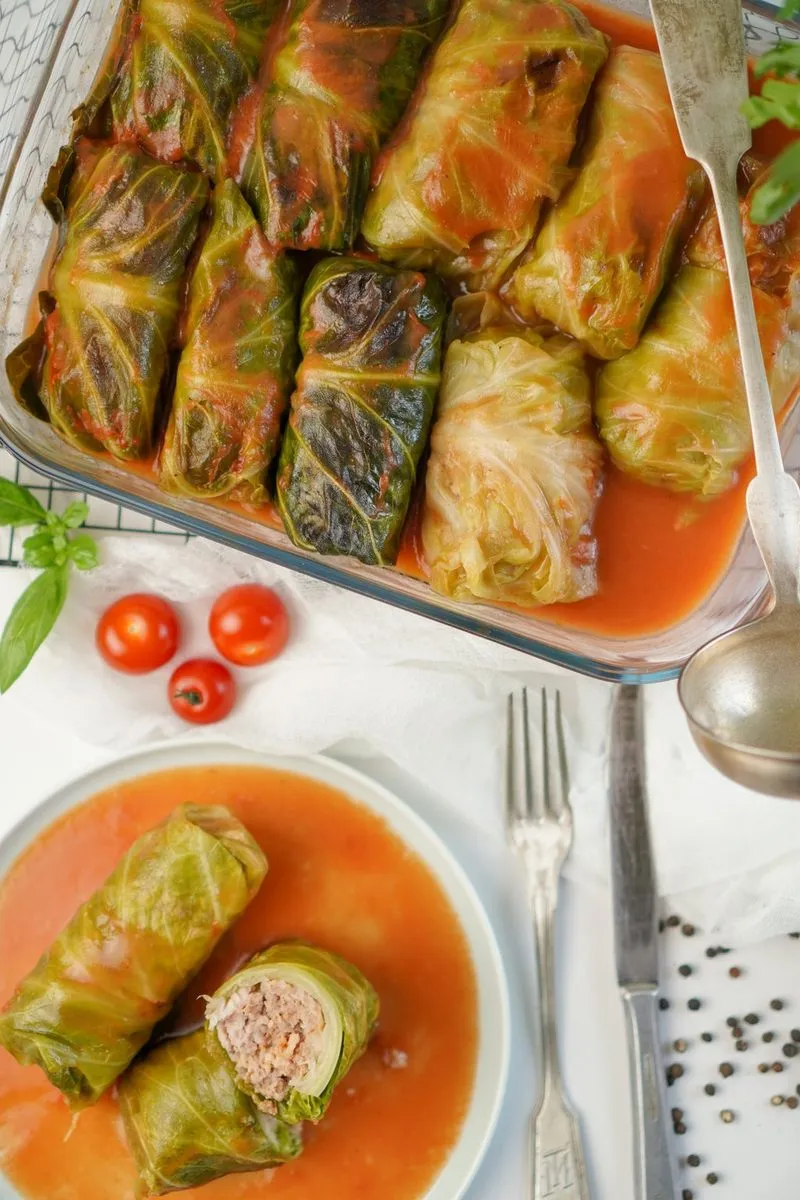
After a day in the saddle, the kitchen squares the account. The foundation is mămăligă, a cornmeal mash that plays the role bread does elsewhere. Alongside it, sarmale, minced meat and rice rolled in cabbage, what a lot of people quietly call the national dish. When the grill fires up in the evening, mici hit the grate, skinless little sausages with a spice kick. And nearly every guesthouse has a ciorbă waiting, the traditional sour soup that works its way warm and tangy through a body that’s gone cold, exactly right after a day of rain. In Transylvania you taste the history in it, because Hungarian and Austrian-Saxon influences have crept into the pots over the centuries.
Two Ways In
That leaves the question of how you actually crack this terrain open. Two doors. The Trans Euro Trail offers free GPX downloads for Romania, and a strong rider can knock out the Romanian section in six to eight days under decent conditions, with navigation, a flat tire, and the hunt for a bed all part of the adventure. The second door is the guided tour, and here’s where RIDE KTM comes in. The program starts in Caransebeș, right in the Banat mountains. The pull isn’t that Romania is hard to get into, the off-road scene here is well documented. The pull is that local guides know the good lines and take the route, the logistics, and the lodging off your plate while you handle the only job that matters, riding, on current KTM machines and with a tiered difficulty system that dials the trip to your level. If you’re after the terrain and not the paperwork, you’ll find dates and booking at RIDE KTM: Ride KTM: dates, info and prices. The Carpathians won’t wait for you. But they’ll be right there when you’re ready.