By NastyNils·
Motorcycle comparison · Supersport
Kawasaki Ninja ZX-10R (ZX1003A) vs Yamaha YZF-R1 (RN49)
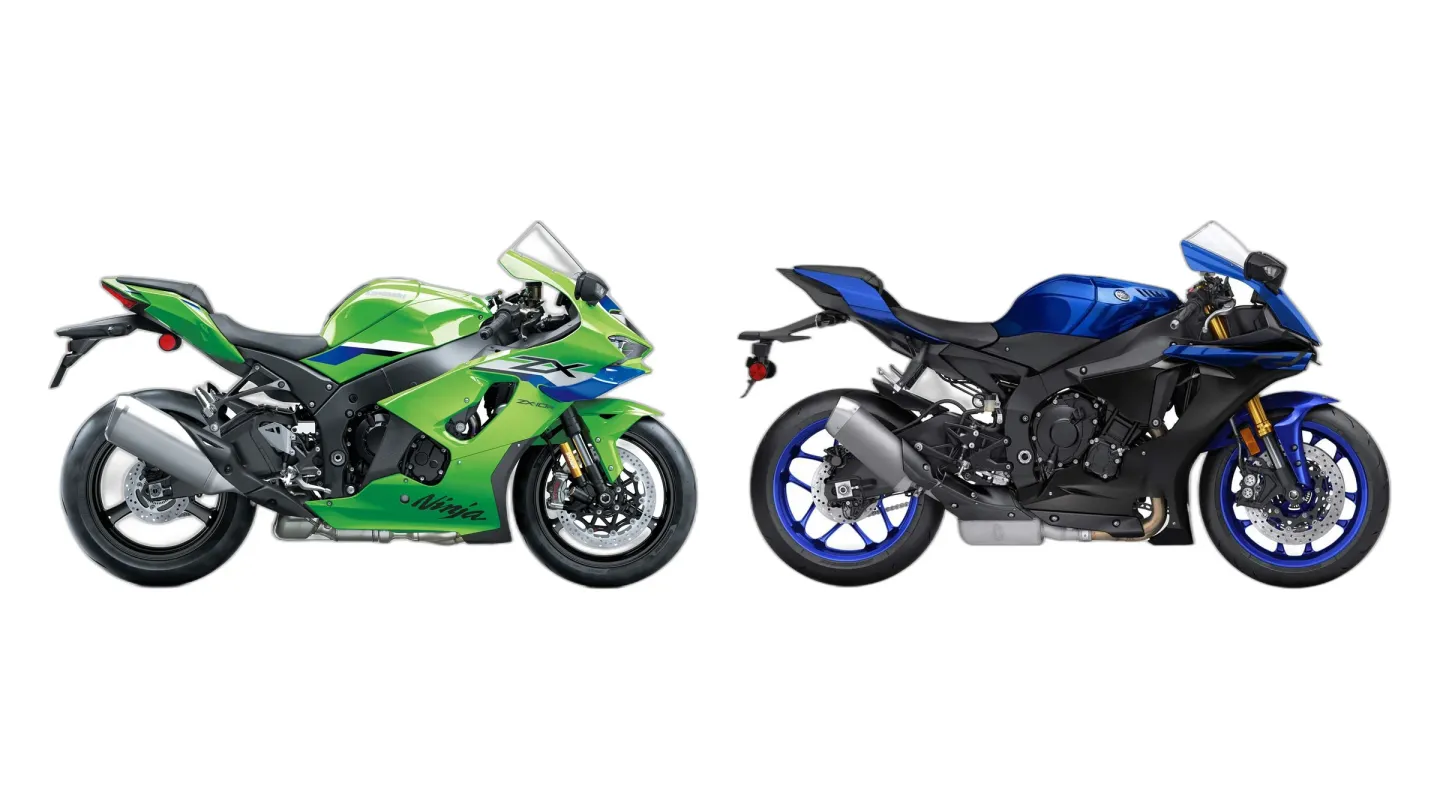
Kawasaki Ninja ZX-10R vs Yamaha YZF-R1: one garage spot. Here's what should decide it.
You'll feel the Kawasaki Ninja ZX-10R's nose stay pinned and steady as it turns into a fast corner. The Yamaha YZF-R1 doesn't hide anything: its front tire talks through the bars as it folds in. It's still holding its line as the lean goes deeper.
So which one do you buy?
The Ninja ZX-10R has the edge if…
Daily commuting & city riding
Edges it: Ninja ZX-10R
For the ride to work, the Ninja ZX-10R noses ahead. Don't let that alone make the call.
The YZF-R1 has the edge if…
Sporty riding on twisty roads
Slight edge: YZF-R1
The YZF-R1 nudges ahead once the pavement starts to wiggle. Credit more feel through the bars and a sportier chassis. Don't expect a night-and-day difference.
Racetrack use
By a nose: YZF-R1
For track days, the YZF-R1 comes out a touch ahead. Put it down to more suspension adjustment. Your setup and tires matter just as much.
What makes each one tick
Ninja ZX-10R
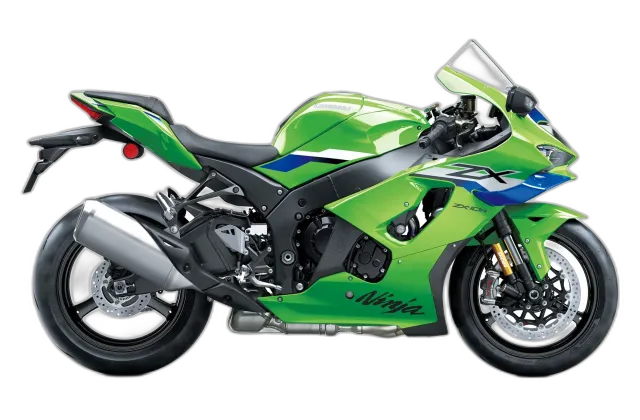
Up near the redline, the Ninja ZX-10R's inline-four pulls its hardest while the ram-air intake keeps cramming air into it. Squeezing the brake lever brings the Brembo M50 monoblocs into play, and the Showa Balance Free fork keeps reporting what the pavement's doing as the bike sheds speed. It's sharpest on a circuit. At speed, its winglets press the whole bike down.
YZF-R1
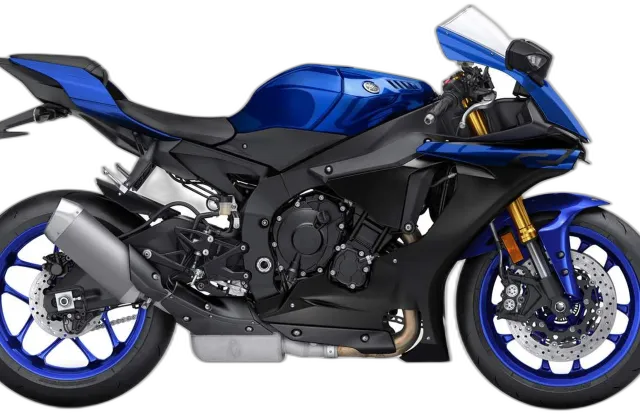
An uneven firing order gives the YZF-R1's crossplane inline-four a sound and a pulse that's all its own. The throttle keeps tempting you toward the redline, and the engine answers with a huge rush up top. On long street rides, the forward crouch and firm suspension don't let up. On track, the whole bike shrinks.
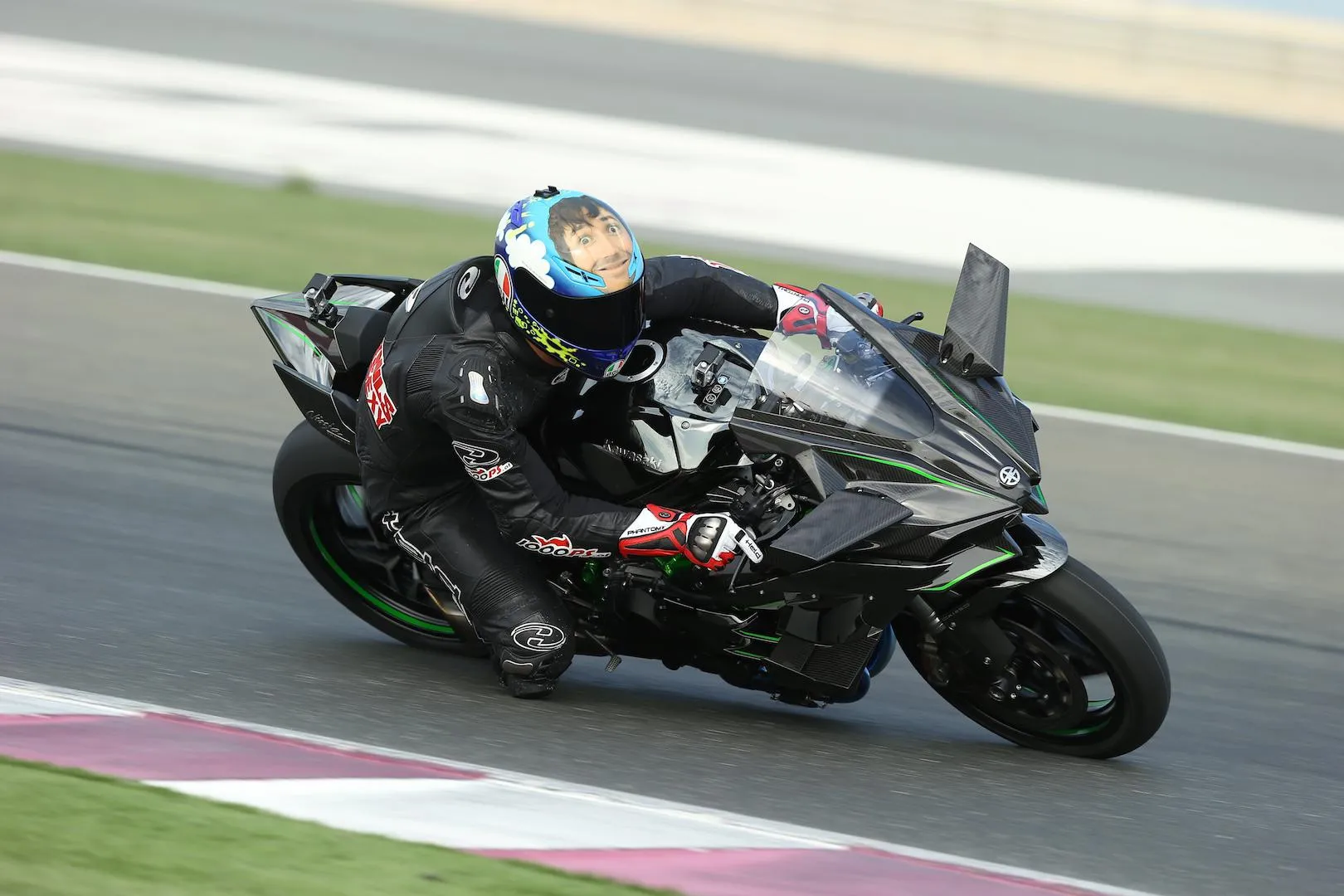
Nils rode the YZF-R1 in 2017, and in Switzerland in 2020 (NastyNils Testride).
The Voice of Experience

What actually separates them
- The Ninja ZX-10R has the lower seat: 32.9 in (835 mm) vs 33.7 in (855 mm).
- The YZF-R1 has the lower wet weight: 441 lb (200 kg) vs 456 lb (207 kg).
- Smartphone Connectivity: standard on the Ninja ZX-10R, not offered on the YZF-R1.
Which one for the way you ride
Comfortable long-distance riding
Not built for this
Neither of these is a mile-muncher. If big days are the plan, keep looking.
They come out level on running costs. The better-kept used example is the smarter money.
Who each one is built for
What's good, and what you'll live with
Ninja ZX-10R
What owners say
Strengths
- Track-focused handling and electronics
- Updated, race-derived TFT dash
YZF-R1
What owners say
Strengths
- Addictive, charismatic engine
- Outstanding cornering precision
Trade-offs
- Tall seat height
Known problems to check before you buy
Ninja ZX-10R
No confirmed faults on file yet. That's not the same as fault-free.
YZF-R1
- Brake lever sponginess, weak initial bite, accelerated rotor glazing under track use The Advics 4-piston front calipers are competent, but the OEM pads, master cylinder, and rotor thickness are consistently identified as the system's weakness. ABS-induced lever sponginess is widely reported. Under sustained track use, rotors glaze and bite drops further. On 2018–2019 models, the linked-brake system draws criticism: the rear brake feels loose under heavy braking and can produce a tyre-squealing fishtail on track. Common owner remedy: replacement pads (HH compounds), braided lines, ABS-bypass for track-only bikes.
- Wafer-thin OEM seat causes acute discomfort on rides over approx. 60 minutes The OEM seat is universally described as "wafer-thin" and "torture after a couple of hours." Combined with high pegs, narrow tank, and aggressive bar position, road comfort is sub-class for use cases beyond track days and short fast-road rides. This is a deliberate design choice (track-bias positioning) rather than a defect, but it is consistently raised as a primary practical limitation of the bike.
- Auto-blipper requires excessive lever pressure at low rpm, or quickshifter sensor fails outright The MY2018+ auto-blipper (clutchless downshift) requires noticeably more lever pressure at low rpm according to riders. The quickshifter sensor itself can short out without warning, leaving both upshift and downshift functions inoperative until replacement.
What they share
- Displacement
- 998 cc
- Engine
- Inline-four
- Cooling
- Liquid-cooled
- Torque
- 83 lb-ft (112 Nm)
- Fuel capacity
- 4.5 US gal (17 L)
- Gearbox
- 6-speed
- Final drive
- Chain
- Front tire
- 120/70-17
- Rear tire
- 190/55-17
Where the spec sheets split
| Ninja ZX-10R | YZF-R1 | |
|---|---|---|
| Seat height | 32.9 in (835 mm) | 33.7 in (855 mm) |
| Wet weight | 456 lb (207 kg) | 441 lb (200 kg) |
| Ninja ZX-10R | YZF-R1 | |
|---|---|---|
| Power | 193 hp (142 kW) | 200 hp (147 kW) |
| Ninja ZX-10R | YZF-R1 | |
|---|---|---|
| Wheelbase | 56.7 in (1440 mm) | 55.3 in (1405 mm) |
What comes fitted, what costs extra
| Ninja ZX-10R | YZF-R1 | |
|---|---|---|
| Smartphone Connectivity | Standard | Not offered |
Head to head, area by area
Both bikes on the same scale, one area at a time.