By NastyNils·
Motorcycle comparison · Supersport
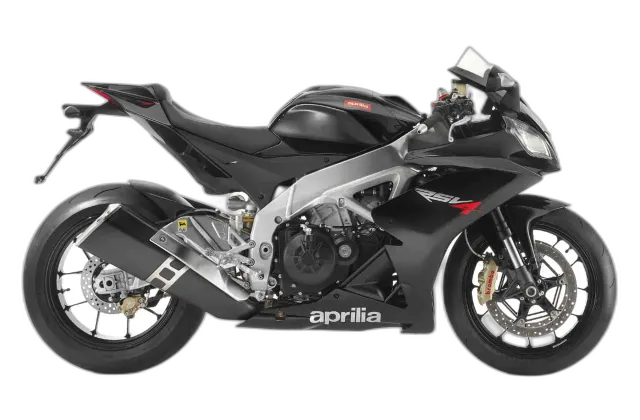
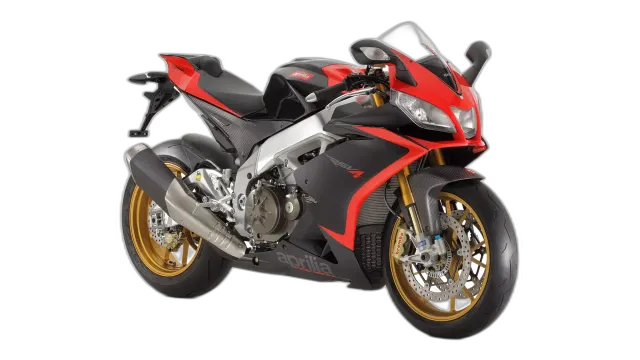
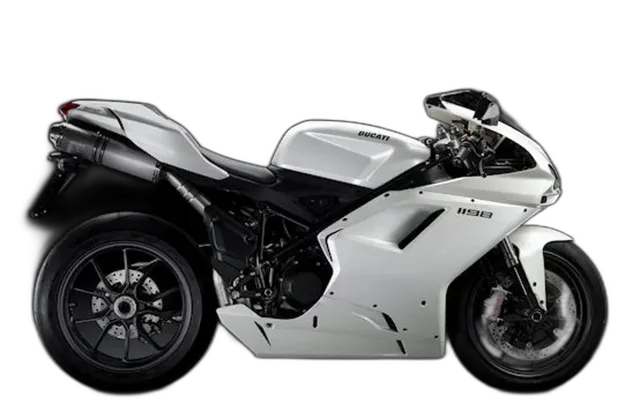
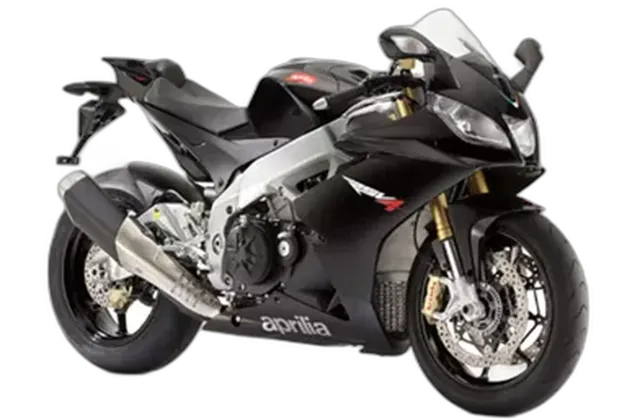
Ducati 1198 (MY2009) vs Aprilia RSV4 R APRC ABS (MY2011)
Ducati 1198 vs Aprilia RSV4 R APRC ABS: one garage spot. Here's what should decide it.
You'll feel the Ducati 1198 settle onto its line as you turn into a fast sweeper, and the frame talks you through it. The Aprilia RSV4 R APRC ABS flicks over the moment you push the bar. It doesn't go vague at the limit.
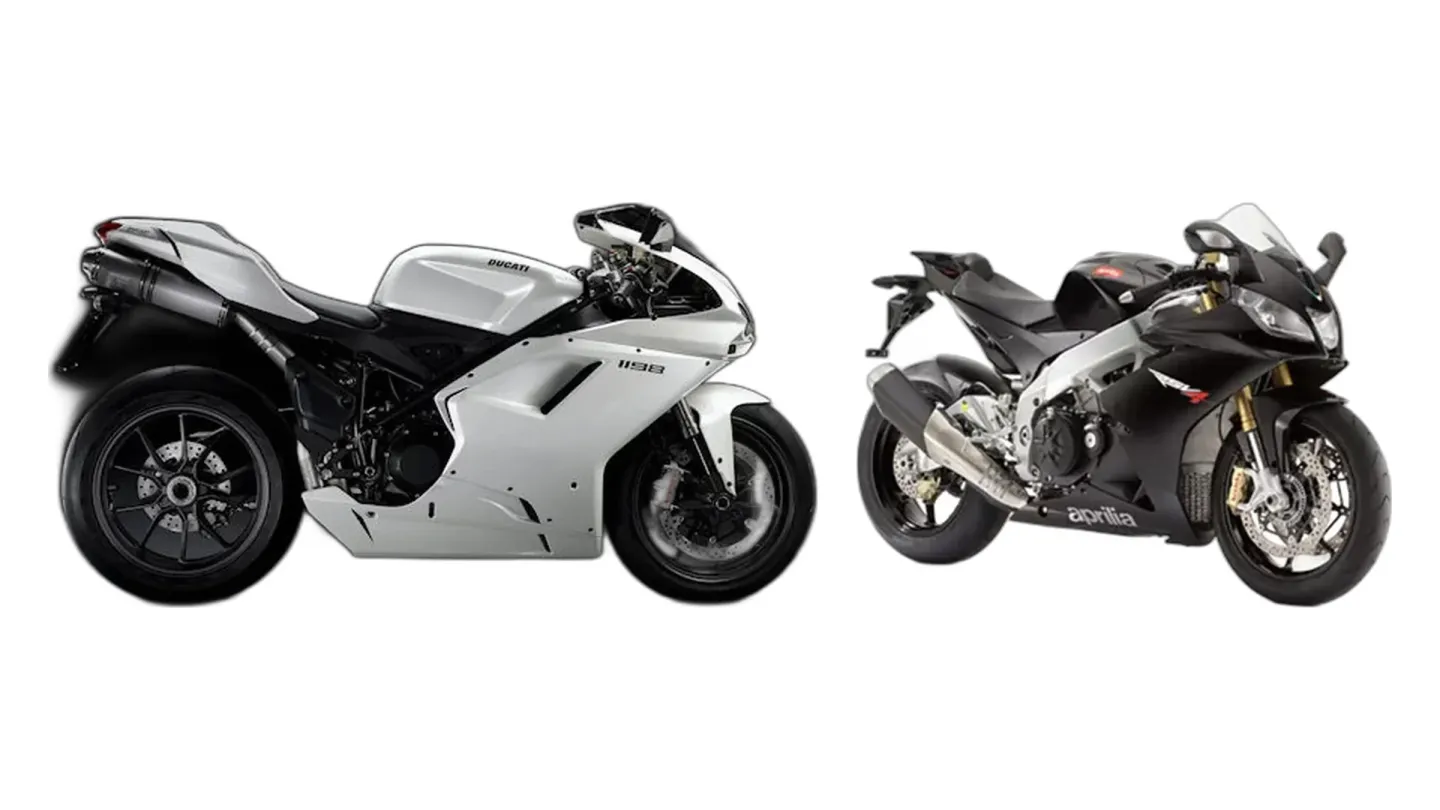
So which one do you buy?
Which one's the smarter buy
Money won't decide it
The Aprilia RSV4 R APRC ABS costs less, but that gap doesn't make it the better buy. Neither bike is the clear winner on value for the money.
What makes each one tick
1198
Out of every corner, the Ducati's twin slingshots you forward on a wall of torque before a hard rush up top takes over. The throttle won't ease you into it, because the stock fueling snaps on the instant you crack it open. At low speed there's real effort in it, from a high, narrow seat and a deep forward lean to bars that need muscle to swing. The Brembo lever bites hard.
RSV4 R APRC ABS
Around WeatherTech Raceway Laguna Seca, the RSV4 R APRC ABS's twin-spar chassis feels small and holds its arc, and the engine's drive doesn't thin out anywhere in the rev range. Pickup tracks the twistgrip without surge.
The Voice of Experience

What actually separates them
- The 1198 has the lower seat: 32.3 in (820 mm) vs 33.3 in (845 mm).
- The 1198 has the lower wet weight: 432 lb (196 kg) vs 463 lb (210 kg).
- The RSV4 R APRC ABS makes more peak power: 187 hp (137 kW) vs 169 hp (124 kW).
Which one for the way you ride
Comfortable long-distance riding
Both fall short
Big miles aren't where either one shines. You'll be watching for the next rest stop.
Look at track days, commuting, twisty roads, and running costs and you'll find two bikes doing the same job equally well. Fit is what breaks the tie.
Who each one is built for
What's good, and what you'll live with
1198
What owners say
Strengths
- Monstrous, characterful V-twin engine
- Sublime chassis and high-speed stability
- Timeless, exotic Italian design
- Powerful, race-spec Brembo brakes
Trade-offs
- High ownership and maintenance costs
- Punishing ergonomics and heavy steering
- Snatchy stock fueling and no electronic rider aids
RSV4 R APRC ABS
Strengths
- Turn-in Is Instant And Exact
- Usable Drive At Any Revs
- Throttle You Can Trust
Trade-offs
- Clutch Let Go Mid-Test
- No Room For Tall Riders
- Cam Chain Tensioner Rattle
- Oil Consumption Worth Checking
- Engine reliability concerns
Known problems to check before you buy
1198
- Fuel line leak at injector connection Recall 09V170000 A recall (NHTSA campaign 09V170000) affects 2009 1198 and 1198 S models where the plastic fuel line fitting at the injector can warp or crack, causing a fuel leak and fire risk.
RSV4 R APRC ABS
- Gearbox wear with quickshifter Fitting or using the quickshifter has been linked to accelerated gearbox wear, sometimes necessitating replacement of gears. The cassette-type design makes removal easier, but parts are expensive.
- Excessive oil consumption Some owners report abnormal oil consumption, sometimes accompanied by metallic residues in the oil. This may point to internal wear or sealing issues, and severe cases have led to engine rebuilds.
- Cam chain tensioner noise The cam chain tensioner is a common source of rattling, especially at cold starts. Repeated updates from Aprilia never completely eliminated the issue; many bikes require tensioner replacement to quiet the engine.
- Exhaust valve seizure The exhaust valve in the stock muffler can seize, triggering a warning light on the dash. Switching to an aftermarket can and removing the valve often requires an ECU remap or plug-in module to clear the fault code.
What they cost used
These prices compare a 15-year-old 1198 with a 15-year-old RSV4 R APRC ABS.
- 1198
- about $10,000
- RSV4 R APRC ABS
- about $7,400
At 15 years old, the Ducati 1198 sits around $10,000 while the Aprilia RSV4 R APRC ABS lands near $7,400. That's a $2,600 gap in the Aprilia's favor. These are US market estimates, not live listings.
What they share
- Cooling
- Liquid-cooled
- Gearbox
- 6-speed
- Final drive
- Chain
- Fork
- Upside-down (USD)
- Front tire
- 120/70-17
Where the spec sheets split
| 1198 | RSV4 R APRC ABS | |
|---|---|---|
| Seat height | 32.3 in (820 mm) | 33.3 in (845 mm) |
| Wet weight | 432 lb (196 kg) | 463 lb (210 kg) |
| 1198 | RSV4 R APRC ABS | |
|---|---|---|
| Displacement | 1198 cc | 999 cc |
| Engine | 90° V-twin | V4 |
| Power | 169 hp (124 kW) | 187 hp (137 kW) |
| Torque | 97 lb-ft (131 Nm) | 85 lb-ft (115 Nm) |
| Top speed | 185 mph (298 km/h) | 186 mph (300 km/h) |
| 1198 | RSV4 R APRC ABS | |
|---|---|---|
| Fuel capacity | 4.1 US gal (15.5 L) | 4.5 US gal (17 L) |
| 1198 | RSV4 R APRC ABS | |
|---|---|---|
| Front brake | 330 mm | 320 mm |
| Rear tire | 190/55-17 | 200/55-17 |
What comes fitted, what costs extra
| 1198 | RSV4 R APRC ABS | |
|---|---|---|
| ABS | Not offered | Standard (from 2013) |
| Ride Modes | Not offered | Standard |
| Wheelie Control | Not offered | Standard |
| Launch Control | Not offered | Standard |
| Quickshifter | Not offered | Standard |
| Slipper Clutch | Not offered | Standard |
Head to head, area by area
Both bikes on the same scale, one area at a time.