By NastyNils·
Motorcycle comparison · Scooter
Yamaha Tricity 155 (MY2016) vs NMAX 155 (MY2015)
Yamaha Tricity 155 vs NMAX 155: which one's easier to live with every day.
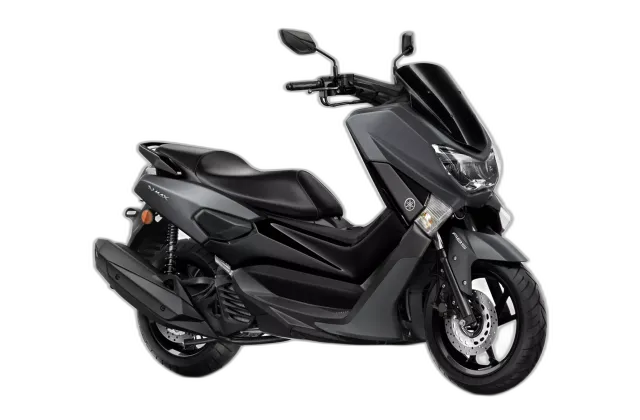
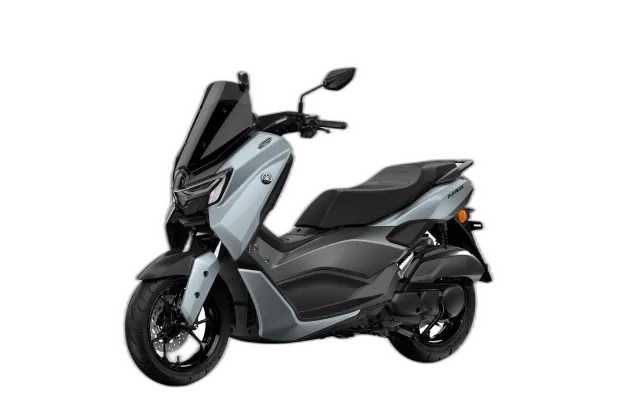
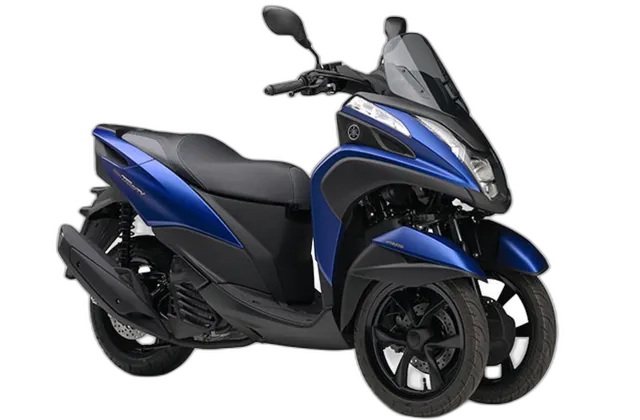
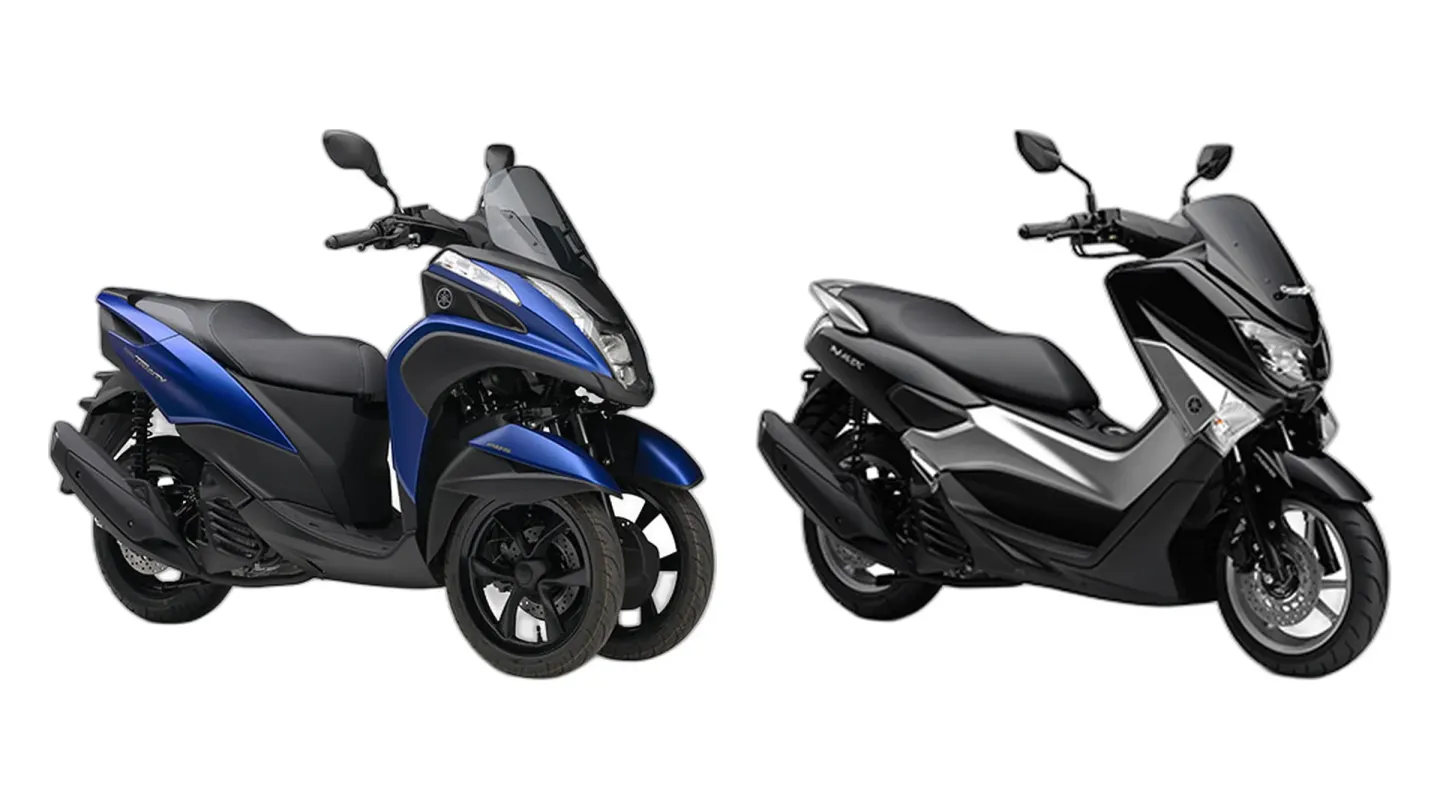
Roll into a bumpy, broken bend and the Yamaha Tricity 155's pair of front wheels doesn't let the nose get knocked off its line. The Yamaha NMAX 155 tips in looking like a small motorcycle.
So which one do you buy?
The NMAX 155 has the edge if…
A confidence-building first motorcycle
A touch ahead: NMAX 155
As a starter bike, the NMAX 155 comes out a touch ahead. Put it down to easier controls. Small enough that a better fit on the other one would outweigh it.
Daily commuting & city riding
Edges it: NMAX 155
Day in, day out, the NMAX 155 nudges ahead in traffic. Most of that is friendlier manners and easier maneuvering in tight spots. It isn't a big enough gap to plan around.
Which one's the smarter buy
More for your money: NMAX 155
The NMAX 155 is the better buy at these used prices. You get more usability for the money with the NMAX 155.
What makes each one tick
Tricity 155
The Tricity 155 leans its doubled fork into a turn like any scooter, yet the two tires keep it steady on a wet road. There's a quick answer when the throttle opens, and the CVT passes the liquid-cooled single's pull along without a step. Soft twin shocks cushion the tail. Potholes and manhole covers don't upset that doubled fork.
Nils rode the Tricity 155 in Austria in 2016 (NastyNils Testride).
NMAX 155
A Los Angeles freeway on-ramp doesn't faze the NMAX 155, since its liquid-cooled single picks up speed quickly. A bump goes into a conventional telescopic fork. The belt-driven single holds a highway cruise without straining.
The Voice of Experience

What actually separates them
- The NMAX 155 has the lower seat: 30.1 in (765 mm) vs 30.7 in (780 mm).
- The NMAX 155 has the lower wet weight: 280 lb (127 kg) vs 364 lb (165 kg).
- The Tricity 155 has the larger fuel tank: 1.9 US gal (7.2 L) vs 1.7 US gal (6.6 L).
Which one for the way you ride
Sporty riding on twisty roads
Both miss here
If corners are your thing, keep looking. Neither one comes alive when the road gets tight.
Nothing splits them on running costs. Ride both back to back and the decision usually makes itself.
Who each one is built for
What's good, and what you'll live with
Tricity 155
What owners say
Strengths
- Inspiring Stability and Handling
NMAX 155
What owners say
Strengths
- Impressive highway capability
- Sharp, sporty styling
What they cost used
These prices compare a 7-year-old Tricity 155 with a 7-year-old NMAX 155.
- Tricity 155
- about $3,100
- NMAX 155
- about $1,400
At seven years old, the Yamaha Tricity 155 sits around $3,100 while the Yamaha NMAX 155 lands near $1,400. That's a $1,700 gap in the NMAX 155's favor. These are US market estimates, not live listings.
What they share
- Displacement
- 155 cc
- Engine
- Single-cylinder
- Cooling
- Liquid-cooled
- Power
- 15 hp (11 kW)
- Peak power at
- 8,000 rpm
- Peak torque at
- 6,000 rpm
- Final drive
- Belt
- Fork
- Telescopic
- Rear tire
- 130/70-13
Where the spec sheets split
| Tricity 155 | NMAX 155 | |
|---|---|---|
| Seat height | 30.7 in (780 mm) | 30.1 in (765 mm) |
| Wet weight | 364 lb (165 kg) | 280 lb (127 kg) |
| Tricity 155 | NMAX 155 | |
|---|---|---|
| Torque | 10 lb-ft (14 Nm) | 11 lb-ft (14 Nm) |
| Tricity 155 | NMAX 155 | |
|---|---|---|
| Fuel capacity | 1.9 US gal (7.2 L) | 1.7 US gal (6.6 L) |
| Tricity 155 | NMAX 155 | |
|---|---|---|
| Front brake | 220 mm | 230 mm |
| Front tire | 90/80-14 | 110/70-13 |
What comes fitted, what costs extra
| Tricity 155 | NMAX 155 | |
|---|---|---|
| LED Headlight | Standard | Not offered |
Head to head, area by area
Both bikes on the same scale, one area at a time.