By NastyNils·
Motorcycle comparison · Scooter
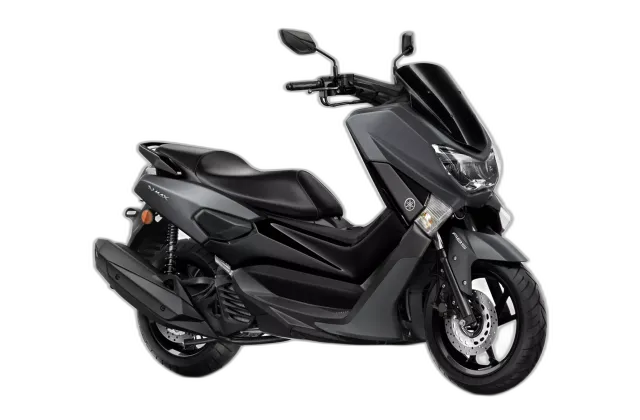
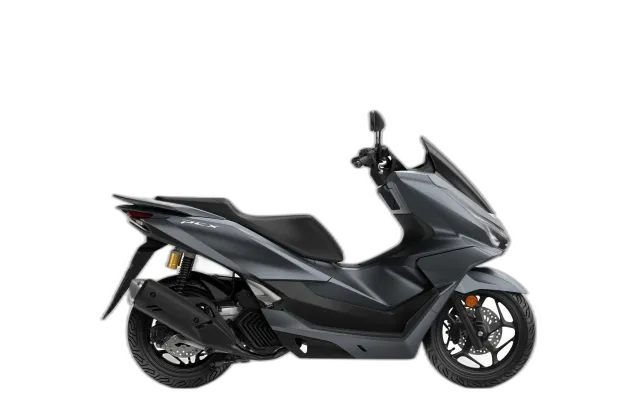
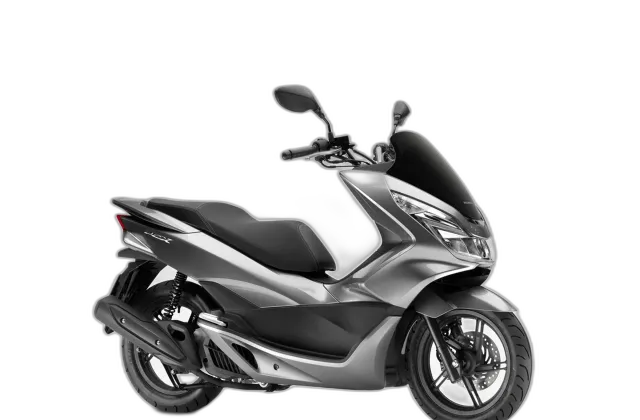
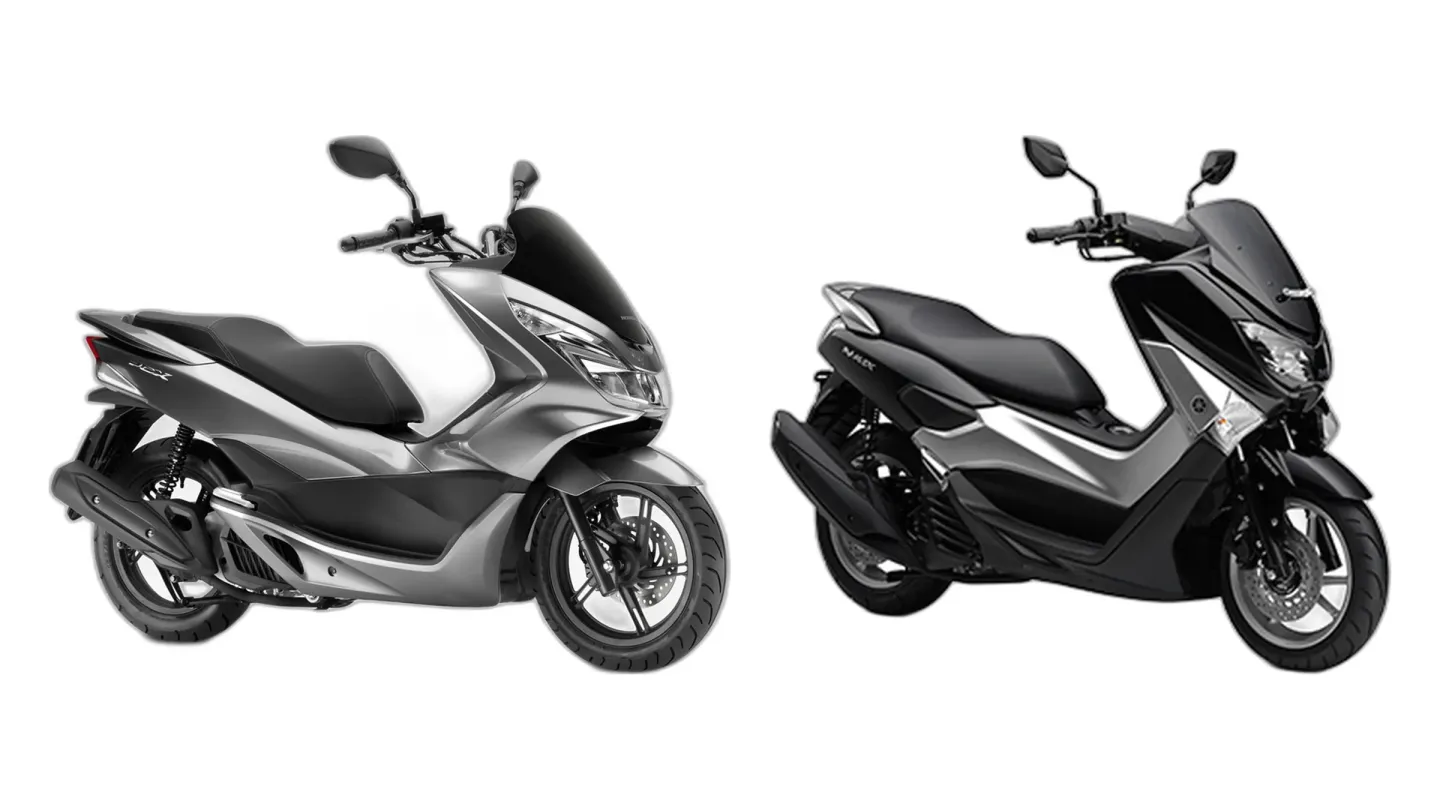
Honda PCX125 (JF 57) vs Yamaha NMAX 155 (MY2015)
Honda PCX125 vs Yamaha NMAX 155: which one to buy for your commute.
You'll barely hear the Honda PCX125 fire up, and its engine doesn't send a shiver through the bars. Swap to the Yamaha NMAX 155 and the throttle's got a bigger engine behind it. It pulls harder from the same twist.
So which one do you buy?
The PCX125 has the edge if…
A confidence-building first motorcycle
Edges it: PCX125
For a learner on a small bike, the PCX125 is a touch easier to get along with. Sit on both anyway.
Daily commuting & city riding
By a nose: PCX125
The PCX125 makes slightly more sense as a commuter. Thank friendlier manners for that. Don't read much into a gap this small.
What makes each one tick
PCX125
There's almost no buzz in the PCX125's grips, and its eSP single settles into a relaxed, unhurried gait. A 220 mm front brake does the stopping once the lever comes in. A full-face helmet disappears under its seat.
NMAX 155
Highway speed doesn't strain the NMAX 155's Blue Core single, and there's still power on tap once it's up there. A bump in the road goes straight into a telescopic fork and rear suspension that doesn't adjust. It's eager off the line.
The Voice of Experience

What actually separates them
- The NMAX 155 makes more peak power: 15 hp (11 kW) vs 12 hp (8.6 kW).
- The NMAX 155 makes more peak torque: 11 lb-ft (14 Nm) vs 9 lb-ft (12 Nm).
- The NMAX 155 has the larger engine: 155 cc vs 125 cc.
Which one for the way you ride
Sporty riding on twisty roads
Neither is a natural fit
Both of these feel out of place on a tight, twisting road. Enjoy the view and leave the hero laps to other bikes.
Nothing splits them on running costs. Ride both back to back and the decision usually makes itself.
Who each one is built for
What's good, and what you'll live with
PCX125
What owners say
Strengths
- Refined and quiet engine
NMAX 155
What owners say
Strengths
- Impressive highway capability
- Sharp, sporty styling
What they share
- Engine
- Single-cylinder
- Cooling
- Liquid-cooled
- Final drive
- Belt
- Fork
- Telescopic
Where the spec sheets split
| PCX125 | NMAX 155 | |
|---|---|---|
| Seat height | 29.9 in (760 mm) | 30.1 in (765 mm) |
| Wet weight | 278 lb (126 kg) | 280 lb (127 kg) |
| PCX125 | NMAX 155 | |
|---|---|---|
| Displacement | 125 cc | 155 cc |
| Power | 12 hp (8.6 kW) | 15 hp (11 kW) |
| Peak power at | 8,500 rpm | 8,000 rpm |
| Torque | 9 lb-ft (12 Nm) | 11 lb-ft (14 Nm) |
| Peak torque at | 5,000 rpm | 6,000 rpm |
| PCX125 | NMAX 155 | |
|---|---|---|
| Fuel capacity | 2.1 US gal (8 L) | 1.7 US gal (6.6 L) |
| PCX125 | NMAX 155 | |
|---|---|---|
| Front brake | 220 mm | 230 mm |
| Front tire | 90/90-14 | 110/70-13 |
| Rear tire | 100/90-14 | 130/70-13 |
What comes fitted, what costs extra
| PCX125 | NMAX 155 | |
|---|---|---|
| ABS | Not offered | Standard |
| Heated Grips | Option | Not offered |
| Luggage System | Option | Not offered |
| LED Headlight | Standard | Not offered |
Head to head, area by area
Both bikes on the same scale, one area at a time.