Best scooter for NYC?
If your day is short hops, tight curbs and hunting for parking, this is close to ideal. It sips fuel, swallows your helmet and starts every morning without fuss.
Made for Austin · Los Angeles · Miami Beach / Miami

2014–2020 · Scooter · Buyer's Guide
Commute Costs Almost Nothing
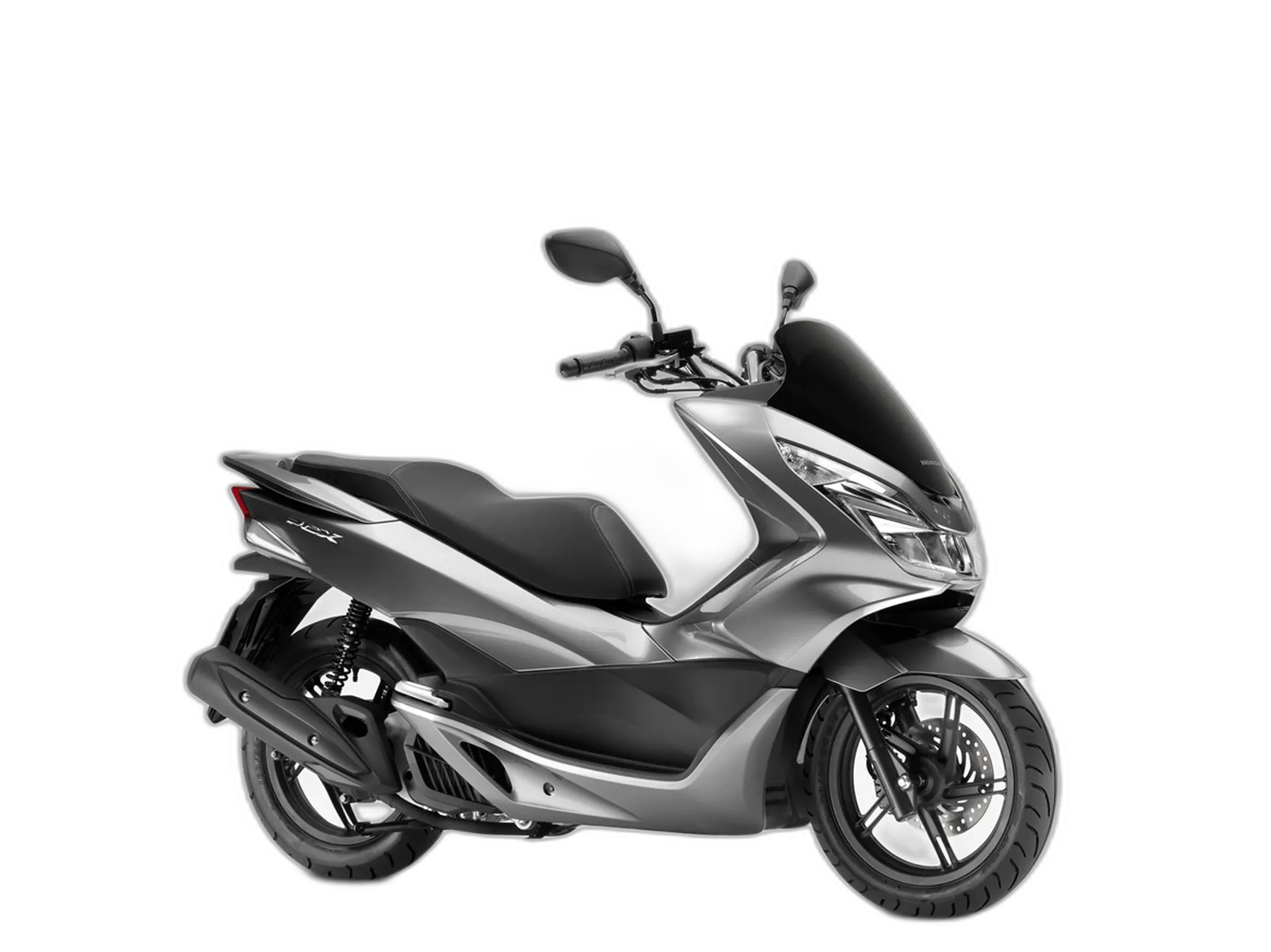
The JF57 PCX125 shows Honda at its best: a modest 125 cc scooter engineered until daily use stops feeling like a compromise. The liquid-cooled single uses Honda's eSP technology and makes 12 hp and 9 lb-ft. Those numbers look small on paper, and they matter far less than the 94 mpg it returns. The sculpted bodywork, with its side vents and LED headlight, looks sharper than a commuter strictly needs. The underbone frame, 14-inch wheels and twist-and-go automatic keep the whole package low, light and simple. Under the seat there's room for a full-face helmet, and that one fact settles a lot of city arguments.
Ownership is where it earns its reputation. Running costs are about as low as powered two-wheel transport gets, and reliability is excellent. The belt final drive and automatic transmission keep maintenance undramatic. At 278 lb (126 kg) wet with a 29.9 in (760 mm) seat, it suits brand-new riders and seasoned ones alike who just want to get across town without thinking about it. The honest caveat is speed. With a 60 mph (96 km/h) ceiling, this is a city and suburban tool, not a freeway commuter. It also runs non-adjustable suspension and has no ABS, so it belongs on urban grids, not on long, fast runs.
Spec sheets don't ride bikes, but they set the baseline.
| Power | 12 hp (9 kW) @ 8,500 rpm |
|---|---|
| Torque | 9 lb-ft (12 Nm) @ 5,000 rpm |
| Displacement | 125 cc |
| Engine | Single-cylinder |
| Cooling | Liquid-cooled |
| Gearbox | 1-speed |
| Final drive | Belt |
| Fork | Telescopic |
| Front brake | 220 mm |
| Front tire | 90/90-14 |
| Rear tire | 100/90-14 |
| Wheelbase | 51.4 in (1305 mm) |
| Seat height | 29.9 in (760 mm) |
| Wet weight | 278 lb (126 kg) |
| Fuel capacity | 2.1 gal (8 L) |
| Top speed | 60 mph (96 km/h) |
| Fuel economy | 94 mpg (US) |
Equipment check
Comfort
Lighting

Over the years I've heard plenty about this generation of PCX: in paddock conversations, over coffee with owners, at club nights, and in the messages riders send me directly. The pattern holds steady. Owners praise how refined it is and how far it goes on a tank, while their complaints collect around hills, wind and the rear brake.
The engine comes up first and most often. Riders describe it as smooth and free of vibration, with an electric start so quiet it barely registers and a relaxed manner once it settles into a cruise. Owners also bring up range, saying a tank comfortably stretches past 200 miles (320 km). The edgy bodywork, LED lights and quality finishes get mentioned too, with owners saying it looks more upmarket than many of its rivals.
A recurring complaint is about faster roads. Owners say the small engine has to work hard on steeper climbs and in crosswinds, and that sustained high-speed riding gets tiring. The brakes draw fewer remarks. Some riders find the rear drum underpowered and short on feel, especially in the wet, and safety-conscious owners point to the missing ABS as a real gap.
Where this Honda PCX125 pulls ahead of — or falls behind — its rivals on the numbers, and the typical bike in its class on character.
Power
Torque
Displacement
Wet weight
Top speed
Seat height
Forget spec-sheet bragging. Here's who the PCX125 is actually built for.
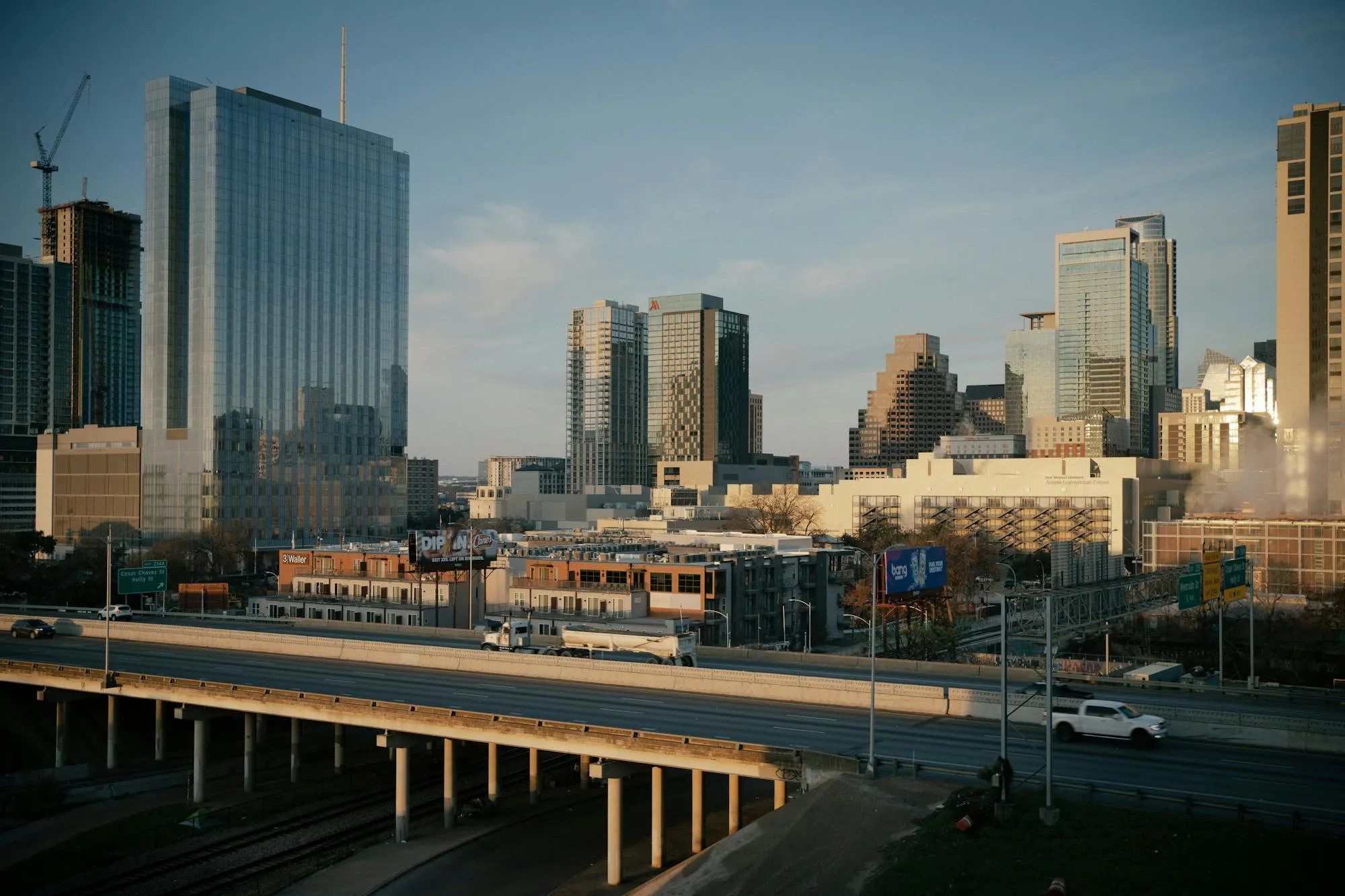
If your day is short hops, tight curbs and hunting for parking, this is close to ideal. It sips fuel, swallows your helmet and starts every morning without fuss.
Made for Austin · Los Angeles · Miami Beach / Miami
It handles the city half of your week beautifully and looks sharp doing it. With a 60 mph ceiling, though, freeway stretches and weekend ridge-road runs aren't its job.
Made for Bay Area Ridge Roads · San Francisco / Bay Area · Skyline Boulevard / Alice's Restaurant
If you're cross-shopping the older generation, here's what changed.
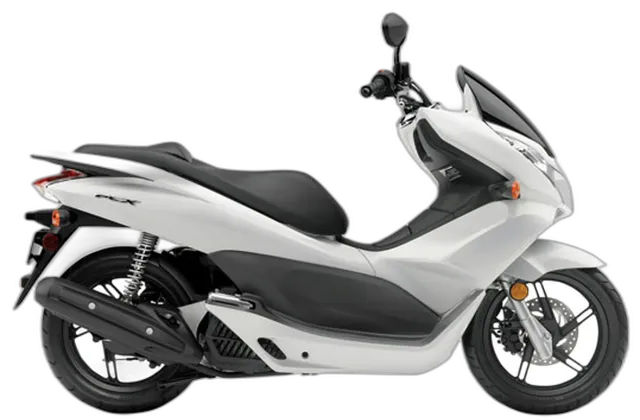
Previous generation · 2010–2013
City Featherweight, Costs Almost Nothing
Compare to the previous model →If this one isn't quite the fit, these are the bikes worth riding back-to-back against it.
Any price note compares both bikes at the same age — the youngest age both have on the used market — against this Honda PCX125. “cheaper/pricier” is what that bike costs second-hand, not how worn it is.