By NastyNils·
Motorcycle comparison · Naked Bike
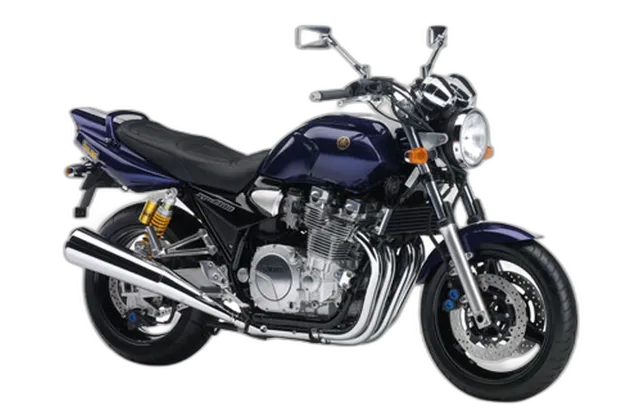
Yamaha XJR 1300 (RP10) vs XJR 1300 (RP19)
2004 Yamaha XJR 1300 vs 2007 Yamaha XJR 1300: which one's easier to live with every day.
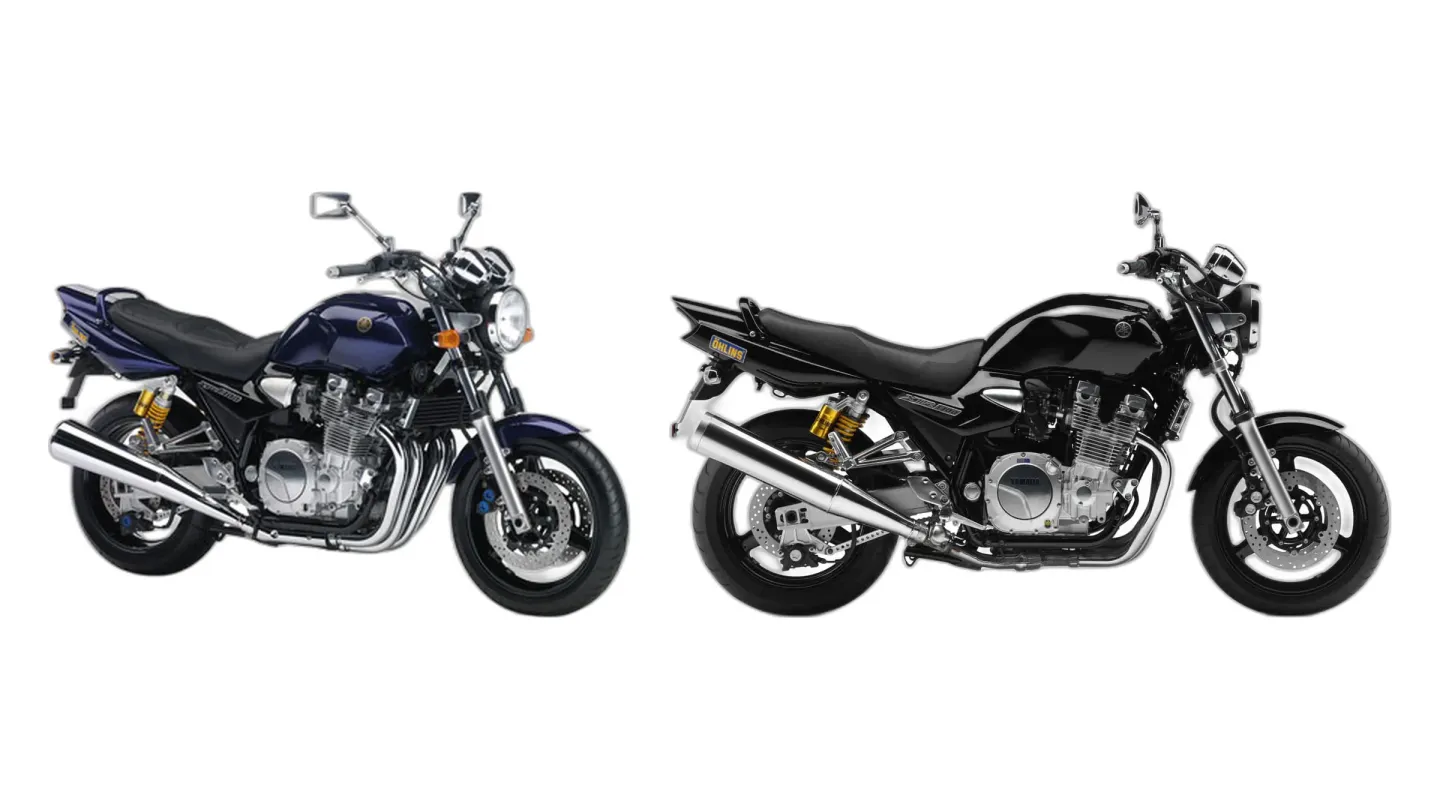
Rolling up to a café stop, the 2004 Yamaha XJR 1300's round headlight and chrome-trimmed teardrop tank wear their old-school muscle out loud. The 2007 Yamaha XJR 1300's brakes don't come up short.
What makes each one tick
2004 XJR 1300
Down low in the revs, the 2004 XJR 1300's long-stroke four pulls like a tractor, and the throttle's so smooth there's no urge to rush. Corner entry is unhurried. All 540 lb (245 kg) tip in steadily and hold the line once it's settled. The deeply padded seat keeps you sitting tall.
2007 XJR 1300
Out of a tight hairpin, the 2007 XJR 1300's four hauls cleanly from near idle, and there's no stumble or flat spot. Pinned high in the revs, the engine pulls hard under a howl and won't quit till the road runs out. The brake lever reins it in. Its tight steering lock shrinks a parking-lot U-turn.
Nils rode the 2007 XJR 1300 in 2007 (NastyNils Testride).
The Voice of Experience
What actually separates them
- The 2007 XJR 1300 has the lower wet weight: 529 lb (240 kg) vs 540 lb (245 kg).
- The 2004 XJR 1300 makes more peak power: 106 hp (78 kW) vs 98 hp (72 kW).
- Manually Adjustable Front Suspension: standard on the 2007 XJR 1300, not offered on the 2004 XJR 1300.
Which one for the way you ride
Comfortable long-distance riding
Neither is a natural fit
Neither of these is a mile-muncher. If big days are the plan, keep looking.
A confidence-building first motorcycle
Both fall short
Learning on either of these is the hard way. A gentler bike will make you a better rider sooner.
They come out level on commuting, twisty roads, and running costs. The better-kept used example is the smarter money.
Who each one is built for
What's good, and what you'll live with
2004 XJR 1300
What owners say
Strengths
- Classic muscular styling
2007 XJR 1300
Strengths
- Torque from just off idle
- A real charge up top
- Planted once you press on
- Built for all-day miles
- Strong, characterful engine
Trade-offs
- Stock exhaust runs too quiet
- Instruments fade in sunlight
- No ABS, any configuration
- Watch the clutch slave cylinder
What they share
- Seat height
- 31.3 in (795 mm)
- Displacement
- 1251 cc
- Engine
- Inline-four
- Torque
- 80 lb-ft (108 Nm)
- Fuel capacity
- 5.5 US gal (21 L)
- Gearbox
- 5-speed
- Final drive
- Chain
- Front tire
- 120/70-17
- Rear tire
- 180/55-17
Where the spec sheets split
| 2004 XJR 1300 | 2007 XJR 1300 | |
|---|---|---|
| Wet weight | 540 lb (245 kg) | 529 lb (240 kg) |
| 2004 XJR 1300 | 2007 XJR 1300 | |
|---|---|---|
| Cooling | Air-cooled | Air/oil-cooled |
| Power | 106 hp (78 kW) | 98 hp (72 kW) |
What comes fitted, what costs extra
| 2004 XJR 1300 | 2007 XJR 1300 | |
|---|---|---|
| Manually Adjustable Front Suspension | Not offered | Standard |
Head to head, area by area
Both bikes on the same scale, one area at a time.