By NastyNils·
Motorcycle comparison · Naked Bike
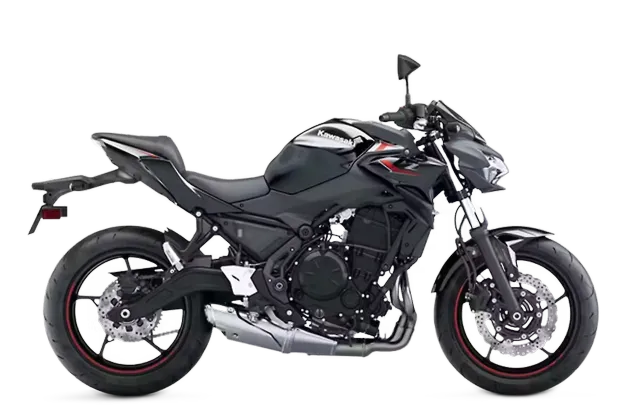
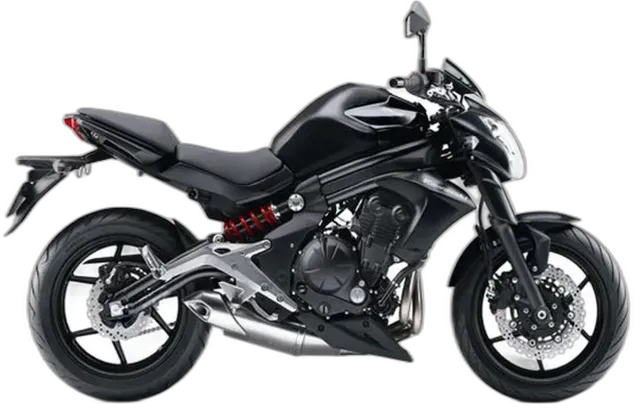
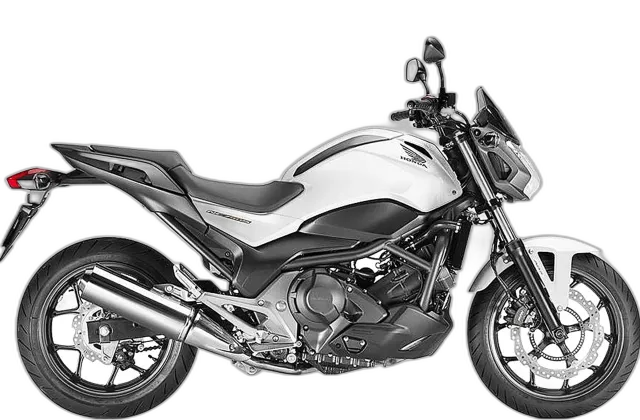
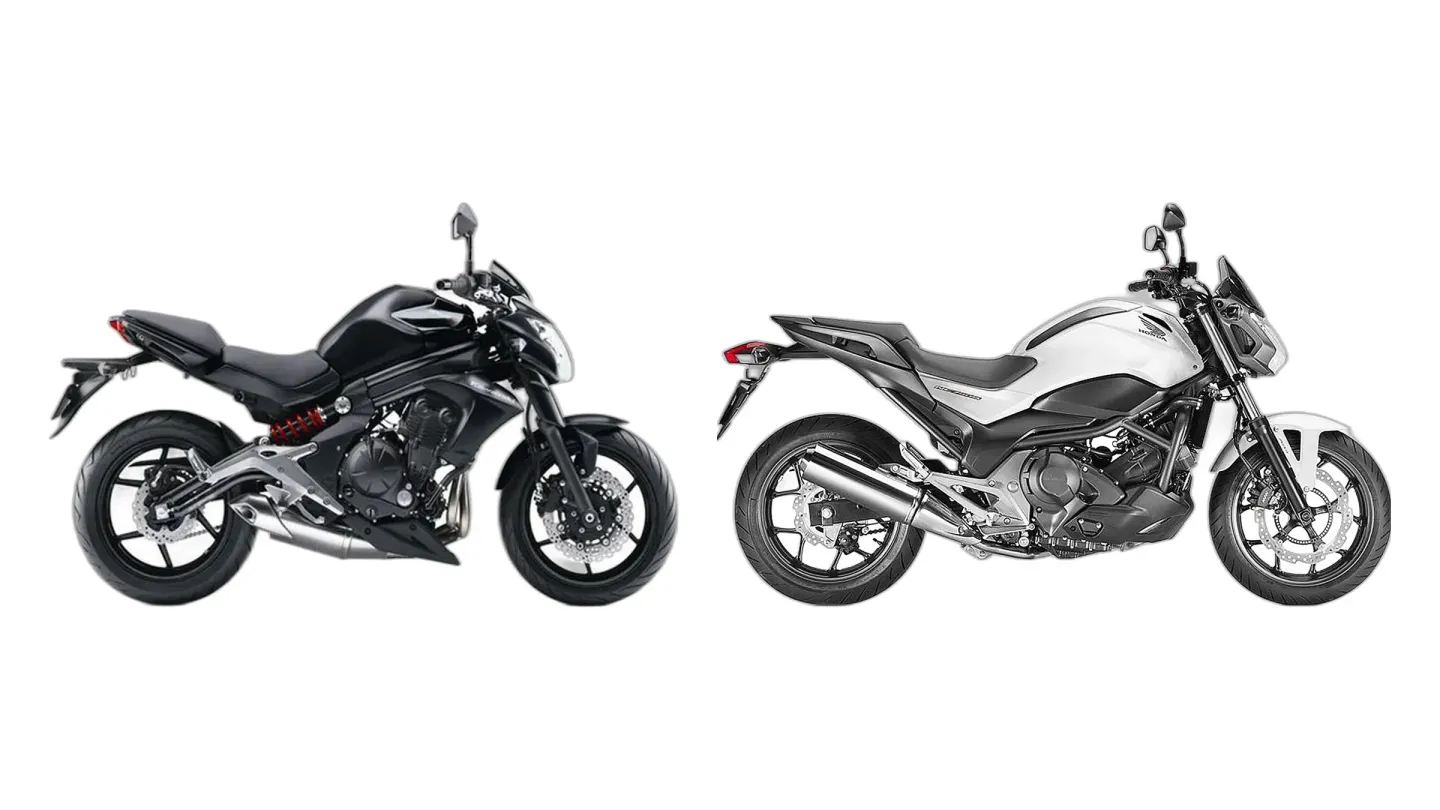
Kawasaki ER-6n (ER650 E) vs Honda NC750S (RC 70)
Kawasaki ER-6n vs Honda NC750S: which one's easier to live with every day.
At a fresh crack of the throttle, the Kawasaki ER-6n doesn't lunge but climbs in a line that forgives a clumsy wrist. The Honda NC750S shoves low and hard the instant it's asked.
So which one do you buy?
The ER-6n has the edge if…
Sporty riding on twisty roads
By a nose: ER-6n
The ER-6n nudges ahead once the pavement starts to wiggle. Most of that is stronger brakes. Don't expect a night-and-day difference.
A confidence-building first motorcycle
Narrow edge: ER-6n
For a new rider, the ER-6n noses ahead. How it fits you counts for more than this gap.
The NC750S has the edge if…
Traveling with luggage
Slight edge: NC750S
With bags on, the NC750S edges ahead. It's down to more range per tank and a better passenger seat. The gap is small enough that luggage options could flip it.
What makes each one tick
ER-6n
Narrow and light, the ER-6n threads stalled traffic with easy steering at the bar. The twin pulls smoothly as revs build, and there's real punch in the middle of the range. Mid-corner bumps don't unsettle the chassis. The twin keeps stacking up miles with basic servicing.
NC750S
There's no hurry in the NC750S's twin, which pulls smooth and torquey right from the bottom of the revs. On the Blue Ridge Parkway, the fuel tucked under the seat keeps the mass low, and the bike's quick to tip in at each bend's entry. The front answers the first nudge.
The Voice of Experience

What actually separates them
- The NC750S has the lower seat: 31.1 in (790 mm) vs 31.7 in (804 mm).
- The ER-6n has the lower wet weight: 450 lb (204 kg) vs 476 lb (216 kg).
- The ER-6n makes more peak power: 72 hp (53 kW) vs 55 hp (40 kW).
Which one for the way you ride
Comfortable long-distance riding
Neither one fits
Neither one is built for long-haul comfort. For big miles, look at a proper tourer or sport tourer.
For commuting, you won't find daylight between them. Let the test ride settle it.
Who each one is built for
What's good, and what you'll live with
ER-6n
What owners say
Strengths
- Approachable and forgiving power delivery
- Excellent value for money
- Rock-solid engine reliability
NC750S
What owners say
Strengths
- Unrivalled built-in storage
- Agile handling from a low centre of gravity
- Smooth, torquey engine and seamless DCT
Known problems to check before you buy
ER-6n
No confirmed faults on file yet. That's not the same as fault-free.
NC750S
- Starter relay sealant recall (NHTSA 15V439) Recall 15V439000 Incorrectly applied sealant on the starter relay switch may cause a loss of electrical power and potential engine stall. Honda recalled 45,153 bikes in 2015 to replace the relay.
What they share
- Engine
- Parallel twin
- Cooling
- Liquid-cooled
- Gearbox
- 6-speed
- Final drive
- Chain
- Fork
- Telescopic
- Front tire
- 120/70-17
- Rear tire
- 160/60-17
Where the spec sheets split
| ER-6n | NC750S | |
|---|---|---|
| Seat height | 31.7 in (804 mm) | 31.1 in (790 mm) |
| Wet weight | 450 lb (204 kg) | 476 lb (216 kg) |
| ER-6n | NC750S | |
|---|---|---|
| Displacement | 649 cc | 745 cc |
| Power | 72 hp (53 kW) | 55 hp (40 kW) |
| Torque | 47 lb-ft (64 Nm) | 50 lb-ft (68 Nm) |
| ER-6n | NC750S | |
|---|---|---|
| Fuel economy | 39 mpg (US) / 6 L/100 km | 68 mpg (US) / 3.48 L/100 km |
| Fuel capacity | 4.2 US gal (16 L) | 3.7 US gal (14 L) |
| ER-6n | NC750S | |
|---|---|---|
| Front brake | 300 mm | 320 mm |
What comes fitted, what costs extra
| ER-6n | NC750S | |
|---|---|---|
| ABS | Option | Standard |
Head to head, area by area
Both bikes on the same scale, one area at a time.