By NastyNils·
Motorcycle comparison · Naked Bike
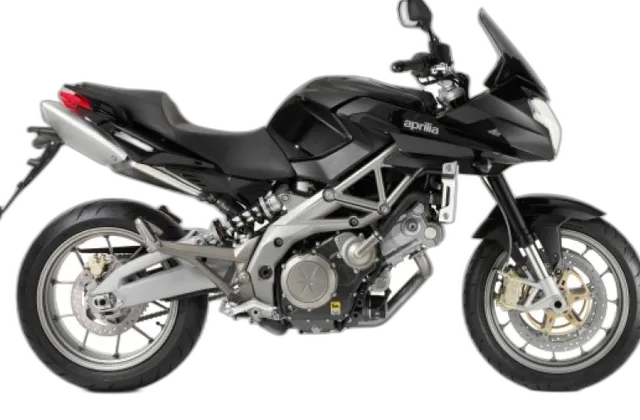
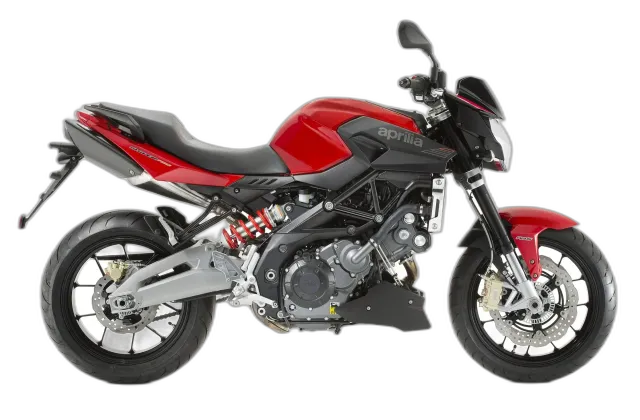
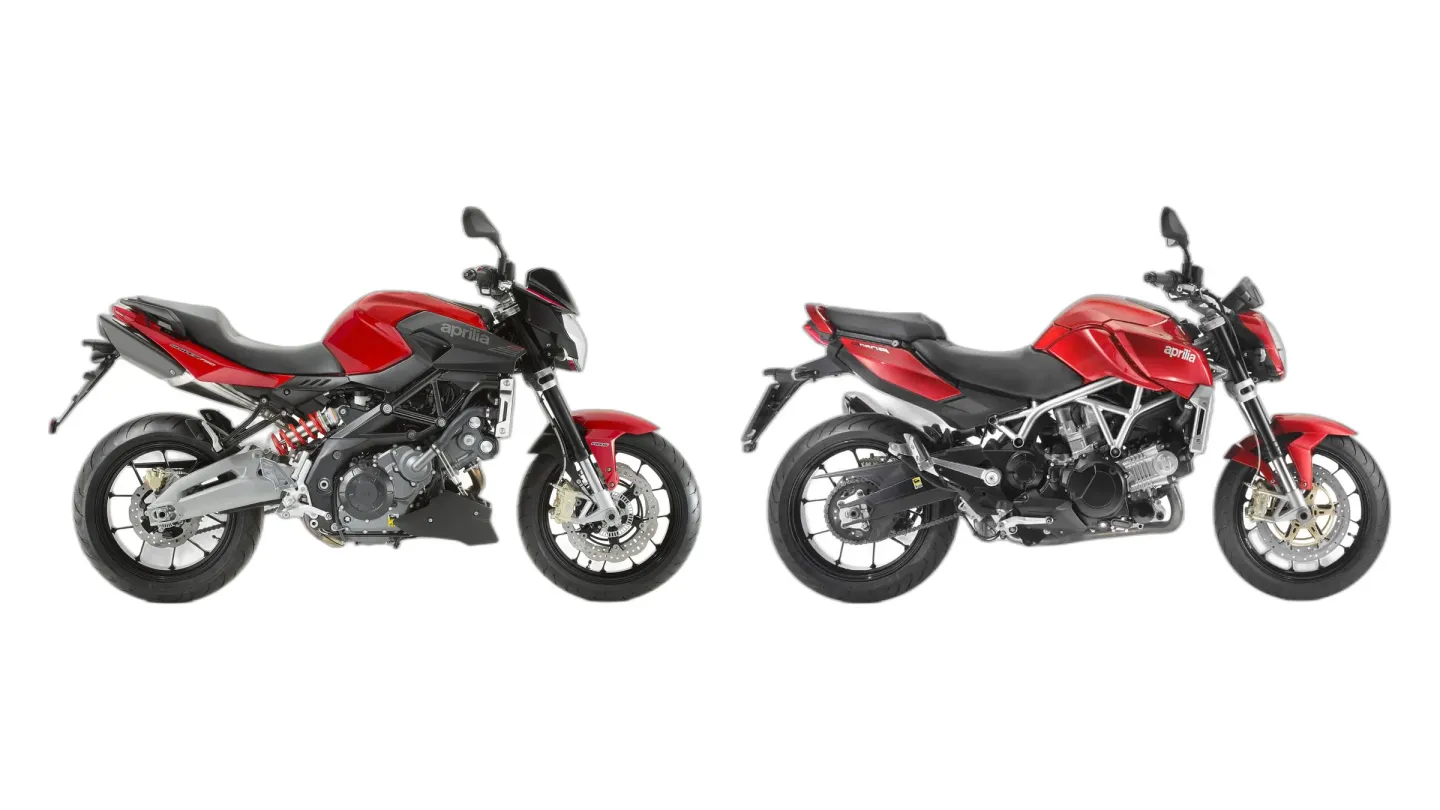
Aprilia Shiver 750 (MY2007) vs Mana 850 (MY2010)
Aprilia Shiver 750 vs Mana 850: which one's easier to live with every day.
In crawling traffic the Aprilia Shiver 750 stays calm on a light throttle and doesn't need your full attention to ride smoothly. On the Aprilia Mana 850, you're only working the throttle. Its CVT shifts for you.
So which one do you buy?
The Mana 850 has the edge if…
A confidence-building first motorcycle
Inches ahead: Mana 850
For your first season, the Mana 850 makes slightly more sense. That comes from lighter steering. Fit and confidence at a standstill still come first.
Which one's the smarter buy
Money won't decide it
The Shiver 750 costs less, but that gap doesn't make it the clear better buy. Neither bike wins on value alone.
What makes each one tick
Shiver 750
The Shiver 750's ride-by-wire takes the jolt out of the snap a V-twin usually throws at a hasty roll-on or a sudden roll-off. The engine doesn't fight back. Into a corner the front end doesn't hand you laser-sharp feedback, and the soft suspension never demands perfect technique on the way in. On the Twisted Sisters, every bend's worth looking forward to.
Nils rode the Shiver 750 in 2007 (NastyNils Testride).
Mana 850
Behind the Mana 850's wide bar you're sitting upright, yet the steel trellis frame steers with real sporting bite. Its V-twin's brisk, yet there's no top-end rush. The front brakes bite progressively. The inverted fork swallows a mid-corner bump and holds line.
The Voice of Experience

What actually separates them
- The Shiver 750 makes more peak power: 95 hp (70 kW) vs 76 hp (56 kW).
- The Mana 850 has the larger engine: 850 cc vs 750 cc.
- The Mana 850 has the larger fuel tank: 4.2 US gal (16 L) vs 4.0 US gal (15 L).
Which one for the way you ride
Comfortable long-distance riding
Both fall short
Both of these get tiring on a long day. A proper tourer will treat you better on big miles.
Traveling with luggage
Neither is a natural fit
Multi-day trips with luggage aren't their thing. Travel light, or travel on something else.
These two run dead level on commuting and twisty roads. Sit on both in the showroom and trust what your body says.
Who each one is built for
What's good, and what you'll live with
Shiver 750
Strengths
- Smooth ride-by-wire throttle
- Soft suspension, real lean angle
- Fun on track, pass, or city
- Surprising touring range
- Attractive Italian design
Trade-offs
- Not the sharpest front end
- No wind protection stock
- Coolant T-piece gets brittle
- Sensors dislike water
Mana 850
What owners say
Strengths
- Comfortable, upright ergonomics
- Excellent handling and stability
- Practical helmet storage
- Strong, progressive braking
Trade-offs
- Expensive major service interval
- Limited excitement for purists
- Turbulent wind protection
- Uninspiring engine performance
Known problems to check before you buy
Shiver 750
- Rear wheel lock-up potential (2014-2015 models) Recall 15V007000 A manufacturing defect on the gearbox output shaft could cause the sprocket fastener to loosen, potentially locking the rear wheel. Subject to NHTSA recall 15V-007.
- Coolant T-connection breakage The plastic T-piece in the cooling system can become brittle and crack over time, leading to coolant loss and potential overheating.
- Faulty MAP/speed sensors after exposure to water The manifold absolute pressure (MAP) sensor and/or speed sensor can fail when exposed to heavy rain or pressure washing, causing poor running or erratic speedometer readings.
Mana 850
- Electrical connector corrosion in wet conditions Riding in wet weather without proper protection can cause corrosion in electrical connectors, leading to ECU fault codes and expensive repairs.
What they cost used
These prices compare a 15-year-old Shiver 750 with a 15-year-old Mana 850.
- Shiver 750
- about $3,800
- Mana 850
- about $4,500
At 15 years old, the Shiver 750 sits around $3,800 while the Mana 850 runs about $4,500. That's a $700 gap in the Shiver's favor. These are US market estimates, not live listings.
What they share
- Engine
- 90° V-twin
- Cooling
- Liquid-cooled
- Final drive
- Chain
- Fork
- Upside-down (USD)
- Front brake
- 320 mm
- Front tire
- 120/70-17
- Rear tire
- 180/55-17
Where the spec sheets split
| Shiver 750 | Mana 850 | |
|---|---|---|
| Seat height | 31.9 in (810 mm) | 31.5 in (800 mm) |
| Shiver 750 | Mana 850 | |
|---|---|---|
| Displacement | 750 cc | 850 cc |
| Power | 95 hp (70 kW) | 76 hp (56 kW) |
| Torque | 58 lb-ft (79 Nm) | 57 lb-ft (77 Nm) |
| Top speed | 130 mph (209 km/h) | 125 mph (201 km/h) |
| Shiver 750 | Mana 850 | |
|---|---|---|
| Fuel economy | 33 mpg (US) / 7.06 L/100 km | 37 mpg (US) / 6.3 L/100 km |
| Fuel capacity | 4.0 US gal (15 L) | 4.2 US gal (16 L) |
| Shiver 750 | Mana 850 | |
|---|---|---|
| Gearbox | 6-speed | 7-speed |
Head to head, area by area
Both bikes on the same scale, one area at a time.