
Honda GL 1800 Goldwing Tour (GL1800 Gen6 DCT) — Tourer
Honda press archive

2018–2026 · Tourer · A variant of the GL 1800 Goldwing Tour

GL 1800 Goldwing Tour DCT (GL1800 Gen6 DCT)

Differences between the standard GL 1800 Goldwing Tour and the DCT

5 / 5 NastyNils Rating · against its class

Seven Gears of Flat-Six Calm

The Machine's Character

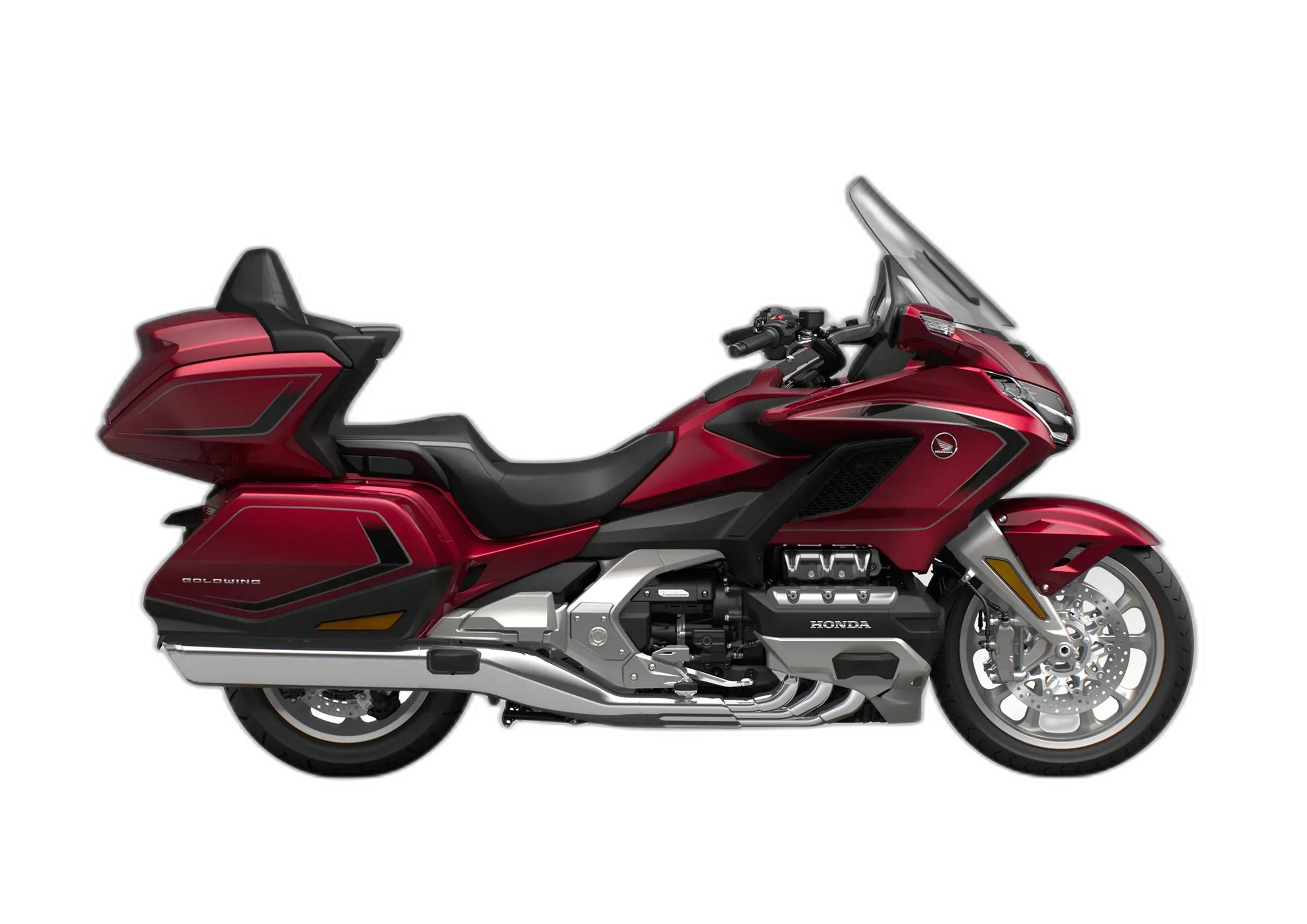
Honda's Gold Wing Tour is built around a liquid-cooled 1833 cc flat-six, and that engine sets the tone for the whole bike. It makes 126 hp at 5,500 rpm, but the figure you actually feel is 125 lb-ft at 4,500 rpm, sent through a 7-speed DCT and shaft drive. This DCT trim adds the automatic gearbox to everything the standard Tour already carries: trunk and side cases, navigation, wireless Apple CarPlay, cruise control, TPMS, keyless start, plus ABS, traction control and ride modes. The Honda Double-Wishbone Front Suspension up front and adjustable suspension at both ends complete the package. In the touring class, this is the comfort benchmark.

Out on the road it does what a tourer should, only more completely. Touring comfort, reliability, luggage room and high-speed stability are its strongest suits, and it's easier to live with day to day than 833 lb (378 kg) on the scale suggests. It's built for riders who cover serious distance, often two-up, and want to climb off after a long day still feeling fresh. The honest caveat is the electrics. Heavy rain and dirt can upset the switchgear, the windshield mechanism and the side fairing pocket actuator, and any 2018 to 2024 bike needs its fuel pump recall completed.

Hard Numbers

Spec sheets don't ride bikes, but they set the baseline.

Show full specs & equipment Hide specs & equipment
Key specifications
Power 126 hp (93 kW) @ 5,500 rpm
Torque 125 lb-ft (170 Nm) @ 4,500 rpm
Displacement 1833 cc
Engine Flat-six (boxer)
Cooling Liquid-cooled
Gearbox 7-speed
Final drive Shaft
Fork Duolever
Front brake 320 mm
Front tire 130/70-18
Rear tire 200/55-16
Wheelbase 66.7 in (1695 mm)
Seat height 29.3 in (744 mm)
Wet weight 833 lb (378 kg)
Fuel capacity 5.6 gal (21.1 L)

Equipment check

Chassis

  • Front Suspension Adjustable Standard
  • Rear Suspension Adjustable Standard
  • Cruise Control Standard

Comfort

  • Heated Grips Standard
  • Adjustable Windscreen Standard
  • Electrically Adjustable Windscreen Standard
  • Luggage System Standard

Connectivity

  • TFT Display Standard
  • Smartphone Connectivity Standard
  • Apple CarPlay Apple CarPlay (Wireless) Integrated navigationHandsfree phone integration Standard
  • Navigation Standard
  • USB Charging Port Standard
  • Keyless System Standard
  • Tire Pressure Monitoring (TPMS) Standard

Drivetrain

  • Automatic Shift (DCT / ASA / AMT) Honda DCT (3rd generation) Clutchless ridingAutomatic gear selection Standard

Lighting

  • LED Headlight Standard

Safety

  • ABS Standard
  • Traction Control Standard
  • Ride Modes Standard

Signature Tech

The named systems that set this bike apart — and what each one does for you.

Protection

  • Honda Motorcycle Airbag System Optional
    • Rider airbag protection

Suspension

  • Honda Double-Wishbone Front Suspension Standard
    • Brake dive control
    • Kickback suppression
    • High speed stability
    • Precise front end feedback

The Voice of Experience

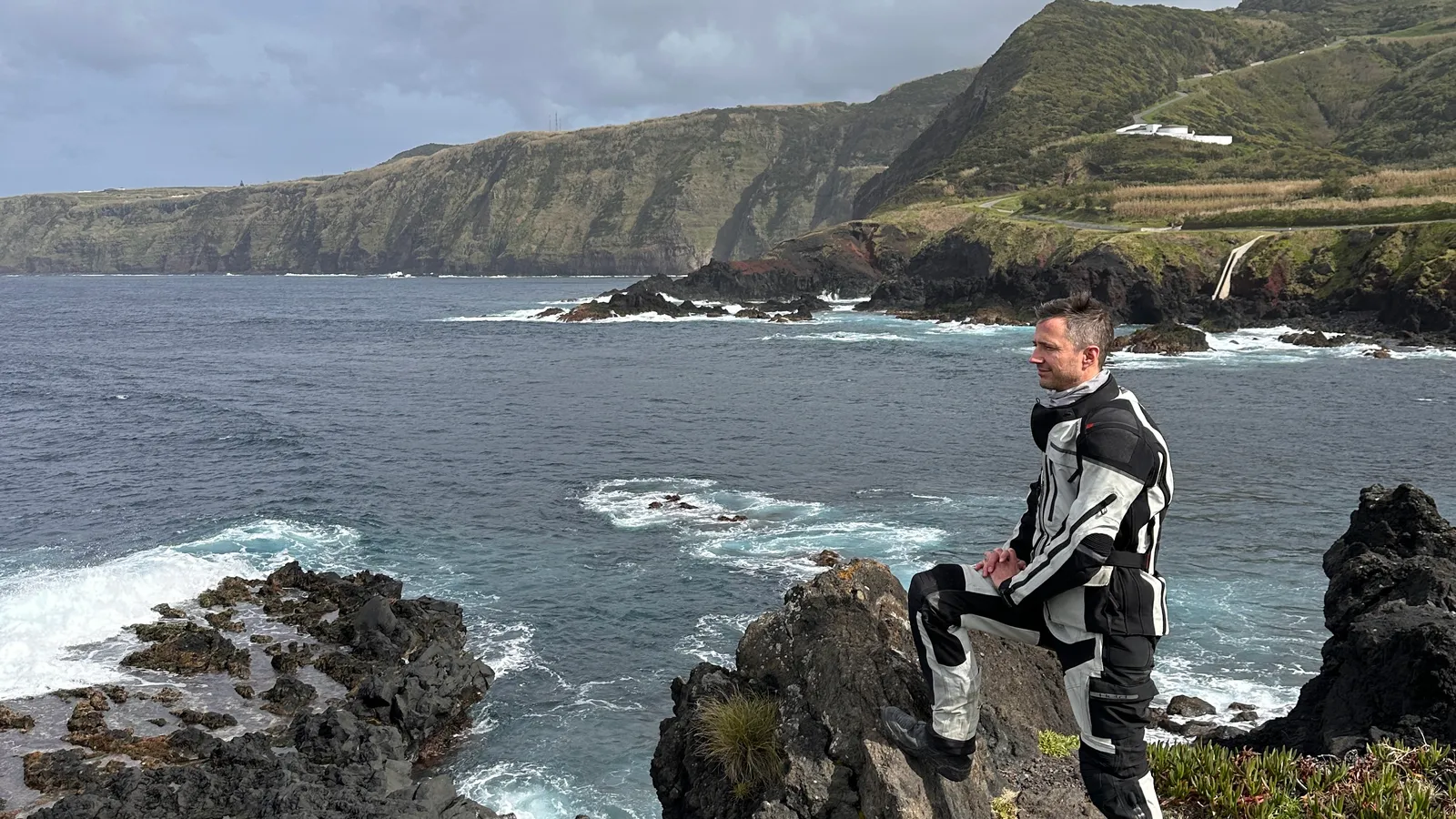
Portrait of NastyNils

The test ride

Swing a leg over and the first thing you notice is how low you sit. At 29.3 in (744 mm), the seat lets most riders plant their boots with confidence, which counts for a lot on a bike this size. Press the keyless start and the flat-six settles into a smooth, low hum, with very little coming back through the bars or pegs. On this DCT trim there's no clutch lever to work in traffic. You roll the throttle and go. At a steady highway pace the engine drops into the background, a press of a button raises the electric screen into the wind, and the heated grips take the bite out of a cold mountain morning. The only rough edge shows up at walking pace, when the DCT can feel a little abrupt as you come to a full stop. A light touch of throttle smooths it out.

What the GL 1800 Goldwing Tour DCT Adds — Differences vs the Standard GL 1800 Goldwing Tour

The GL 1800 Goldwing Tour DCT (GL1800 Gen6 DCT) builds on the standard GL 1800 Goldwing Tour: the upgraded hardware, the key spec changes and where its character shifts. The full ride, specs, scoring and verdict are all right here on this page.

Equipment the DCT adds vs the standard GL 1800 Goldwing Tour

Now standard
Automatic Shift (DCT / ASA / AMT)

How the DCT shifts the character

Where the DCT does more
  • More room for luggage and gear
Sunset over the Adriatic Sea near Primosten, Croatia. Golden hour light bathes calm water in warm tones, with a small sailboat on the distant horizon. Rocky vegetation frames the right foreground. Clear skies and gentle conditions.

The Truth on the Street

This section isn't my own ride. It's what owners have told me over the years, in pit-lane small talk, at rider meetups and parking-lot stops, and in the emails and messages people send once they've lived with a bike for a few seasons. On this Gold Wing the chatter keeps returning to how the bike feels at the end of a long day. The engine and the comfort package carry most of the praise, and when the talk turns practical, luggage space is one of the things riders raise.

Six cylinders, zero shake

The flat-six is the part owners mention with the least hesitation. The words that come up again and again are effortless thrust and silky delivery, and riders say the updated engine keeps the smoothness people have always expected from a Gold Wing. It pulls strongly from any point in the rev range. What owners notice most, though, is what's missing. They consistently call it vibration-free, and they tie that straight to how they feel after a full day in the saddle: long stints don't wear them down. For long-distance cruising, several owners simply call it perfect.

A magic carpet for two

Comfort is the other constant, and owners describe it as a complete package rather than a single feature. They talk about a plush ride, spacious seating, heated grips and a quiet electric windscreen, and they describe the accommodations as first class. Put the audio system and integrated navigation on top of that and the phrase riders keep reaching for is a magic carpet for two. The technology gets its own share of the credit. Apple CarPlay and Android Auto run through the 7-inch TFT display, and owners who cover big distances say the phone integration and the premium audio keep them connected and entertained over a long journey.

Where the luggage runs short

The practical gripe that stands apart from the rest concerns space. It's a quieter complaint than the praise above, but it's a specific one. Some owners say the built-in panniers are smaller than those on many competing full-dress tourers. The top trunk does its job, they add, but it doesn't match the cavernous room of the previous generation. Riders who travel two-up describe packing carefully to fit a trip's worth of gear.

Known issues

  • Side fairing pocket actuator failure

    bodywork occasional

    The electrical mechanism that opens the side fairing pocket can fail, especially after riding in heavy rain. Honda revised the part number for 2021 models.

  • Switchgear and windshield mechanism weather sensitivity

    electrics occasional

    Water and dirt ingress can cause malfunctioning of handlebar switches (e.g., start/stop) and erratic windshield movement. Cleaning and drying usually resolves the issue.

  • DCT low-speed clunkiness

    drivetrain occasional

    Some riders experience abrupt or clunky deceleration when coming to a complete stop with the DCT, requiring a gentle throttle touch to smooth out.

  • Clutch switch failure causing HSA light and ABS drag (manual models)

    drivetrain common

    On 6-speed manual models, a faulty clutch lever switch can trigger a flashing Hill Start Assist (HSA) warning light and, in some cases, cause the ABS system to inadvertently drag the rear brake. The issue is typically resolved by replacing the clutch switch.

The Expert Benchmark

Where this Honda GL 1800 Goldwing Tour pulls ahead of — or falls behind — its rivals on the numbers, and the typical bike in its class on character.

What kind of bike this is — character vs. the class

This bike Class average

The shape of the Honda GL 1800 Goldwing Tour — numbers and character vs. the average Tourer

Head-to-head: Honda GL 1800 Goldwing Tour vs. its rivals

The Long-Haul Verdict

Forget spec-sheet bragging. Here's who the GL 1800 Goldwing Tour is actually built for.

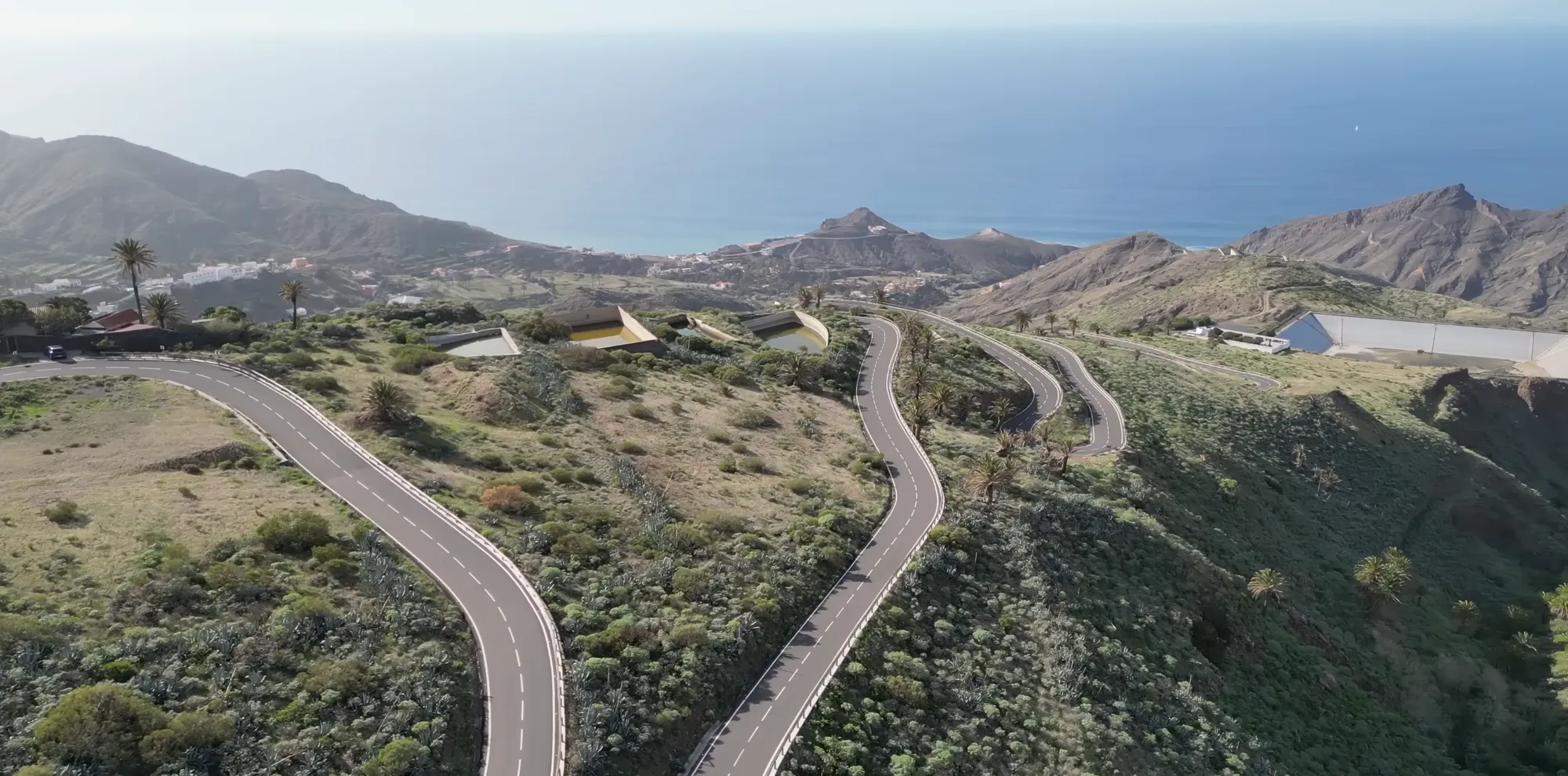
Aerial view of a winding asphalt road cutting through volcanic terrain on La Gomera, Canary Islands. The road curves through sparse green vegetation with rocky volcanic peaks visible in the background and a settled valley to the left. Clear lane markings, dry climate, partly cloudy sky.

Best touring motorcycle for long distance?

This is your bike. It carries two people and a week of gear in real comfort and stays calm on the long interstate days between Beartooth and Going-to-the-Sun.

Made for Beartooth Highway · Blue Ridge Parkway · Going-to-the-Sun Road
Best motorcycle for Highway 1?

It handles a Blue Ridge or Highway 1 day in serious comfort, but at 833 lb it's a full tourer, not a light sport-tourer. Ride one before you decide that trade suits you.

Made for Black Hills · Blue Ridge Parkway · Cherohala Skyway

Best cruiser for Sturgis?

If the ride to Sturgis or Daytona matters as much as getting there, it's superb. Just know the flat-six trades loud sound and swagger for smoothness.

Made for A1A — Florida Atlantic Coast · Black Hills / Sturgis Rally Hub · Daytona Main Street / Bike Week