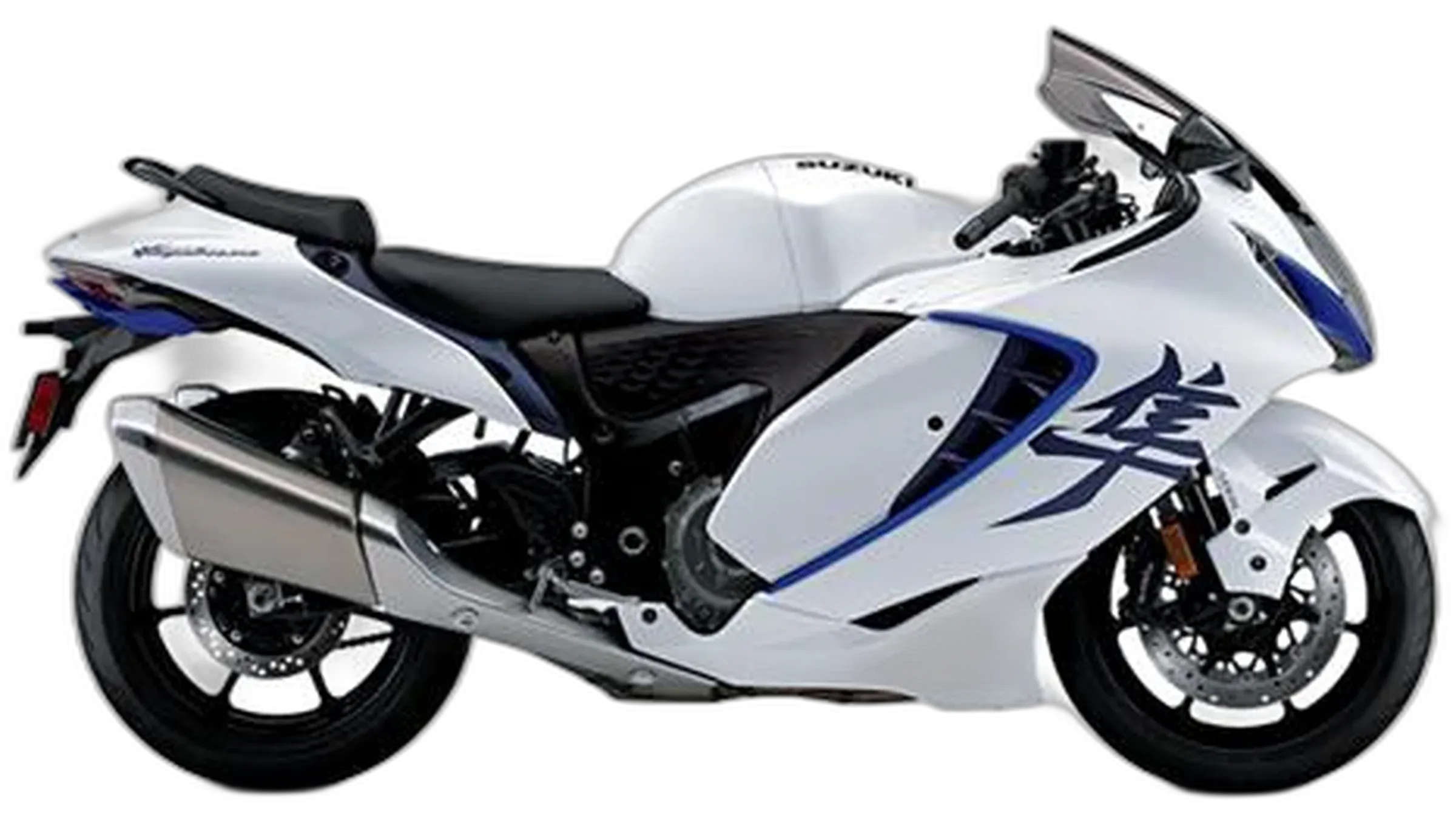
Suzuki GSX-R1000R (MY2026) — Supersport
Suzuki Press

2026 · Supersport · Buyer's Guide

GSX-R1000R (MY2026)

Forty Years, Still Biting

The Machine's Character

Suzuki carries its 1000 cc inline-four the way Suzuki likes it: 195 hp at 13,200 rpm and 81 lb-ft at 11,000, delivered with more manners than theater. The twin-spar aluminum frame runs Showa's Balance Free Front Fork and a BFRC-lite shock, both adjustable, and a six-axis IMU underwrites the Motion Track Brake System, cornering ABS, traction control, wheelie control and the Launch Control System. The Bi-directional Quick Shift System and the SDMS ride modes fill in the rest. There is no color TFT here. The money clearly went into hardware you feel rather than a screen you look at.

It ages the way good Suzukis age. Build quality and reliability are the quiet part of the appeal, the part that shows up three seasons in when nothing has gone soft or rattly. This is a bike for the rider who spends real weekends on good roads and puts it on a circuit a few times a year, and who would rather have a chassis that holds its setup than a dashboard that impresses passengers. The honest caveat: at 448 lb wet with a 32.5 in seat, it is a lot of motorcycle at parking-lot pace, and the headline power sits high in the tach.

Hard Numbers

Spec sheets don't ride bikes, but they set the baseline.

Show full specs & equipment Hide specs & equipment
Key specifications
Power 195 hp (143 kW) @ 13,200 rpm
Torque 81 lb-ft (110 Nm) @ 11,000 rpm
Displacement 1000 cc
Engine Inline-four
Cooling Liquid-cooled
Gearbox 6-speed
Final drive Chain
Front brake 320 mm
Front tire 120/70-17
Rear tire 190/55-17
Wheelbase 55.9 in (1420 mm)
Seat height 32.5 in (826 mm)
Wet weight 448 lb (203 kg)
Fuel capacity 4.2 gal (15.9 L)

Equipment check

Chassis

  • Front Suspension Adjustable Showa Balance Free Front Fork (BFF) Precise front end feedbackHigh speed stability Standard
  • Rear Suspension Adjustable Showa BFRC-lite High speed stabilityWider usable range Standard

Drivetrain

  • Quickshifter Suzuki Bi-directional Quick Shift System Clutchless ridingFull throttle upshift Standard
  • Slipper Clutch Standard

Safety

  • ABS Standard
  • Cornering ABS Suzuki Motion Track Brake System Cornering brake safety Standard
  • Traction Control Standard
  • Ride Modes Suzuki Drive Mode Selector (SDMS) Standard
  • Wheelie Control Standard
  • Launch Control Suzuki Launch Control System Consistent launchesControlled wheelie prevention Standard

The Voice of Experience

Portrait of NastyNils

The test ride

The first surprise is how ordinary it feels to get aboard. The bar-to-peg-to-seat triangle is committed without being cruel, the tank shape gives your forearms somewhere to lock in, and the reach forward stays civil enough that an hour of back road doesn't leave your wrists complaining. The inline-four is smooth in the way only an inline-four is, with a fine steady buzz through the pegs above 6,000 rpm and almost nothing coming through the bars. What you hear is mostly intake, a clean hard rush that shows up right about when you stop thinking about it. At real road speeds the bike sits still and quiet underneath you, shifts landing with a short mechanical click instead of a thump. The mirrors actually work. Very little about it feels like it is fighting you at 45 mph, which is rarer in this class than it should be.

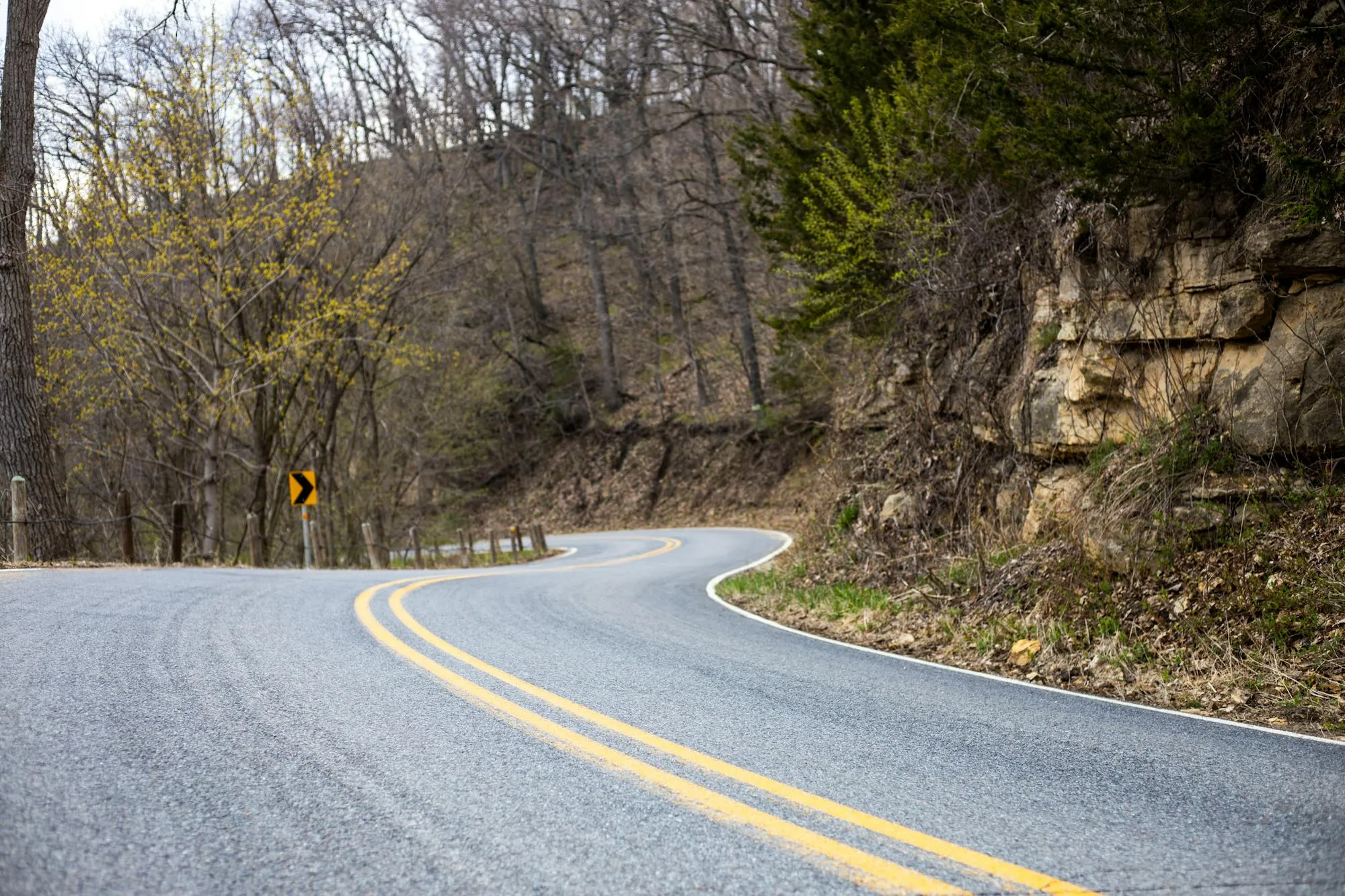
A winding two-lane asphalt road in the Appalachian mountains, photographed in dry daylight. Yellow double-center line markings guide through a series of tight left-hand curves. Dense deciduous and evergreen forest flanks both sides; a rock cut is visible on the right. The road surface and geometry suggest a technical, high-traffic riding corridor popular with motorcyclists.
Chris Flaten / Pexels

The Truth on the Street

Two decades of listening adds up. Paddock talk between sessions, owners cornering me at club nights, riders writing in directly after a season on the bike, the same questions and the same observations arriving from all over. What comes back on this GSX-R1000R is remarkably consistent: riders talk about what it does rather than what it looks like, and the loudest praise is for the chassis and the money.

The part riders keep coming back to

Value is the recurring headline. Riders point out again and again that this bike puts serious liter-class performance in reach for less than the European alternatives, and that shapes a lot of the conversation around it. After that comes the chassis. Owners describe a bike that stays planted when they lean on it, composed over broken pavement and steady through fast corners, and that composure is what they trust. The engine gets talked about for its mid-range shove more than its peak, the kind of drive that makes real roads quick without feeling like a handful. Some riders mention the brakes specifically, strong and progressive with usable feel at the lever. A few note the engine feels smoother and less buzzy than they expected, and there's a broad belief among owners that the internals are built to take abuse.

Where the complaints cluster

The gripes are consistent and nobody hides them. The styling reads as conservative to a lot of riders, functional but short on drama next to newer rivals. The instrument panel draws steady criticism for looking a generation behind the color screens everyone else fits. Suspension comes up too: track-oriented and firm, which turns rough tarmac into work on an ordinary ride. Some riders note peak power is down slightly from the previous bike and say so plainly. And a handful of testers report that side-to-side transitions and corner entry feel a fraction slower than the sharpest competition.

Known issues

No widely-reported issues on record.

The Expert Benchmark

Where this Suzuki GSX-R1000R pulls ahead of — or falls behind — its rivals on the numbers, and the typical bike in its class on character.

What kind of bike this is — character vs. the class

This bike Class average

The shape of the Suzuki GSX-R1000R — numbers and character vs. the average Supersport

Head-to-head: Suzuki GSX-R1000R vs. its rivals

The Handshake Score

Forget spec-sheet bragging. Here's who the GSX-R1000R is actually built for.

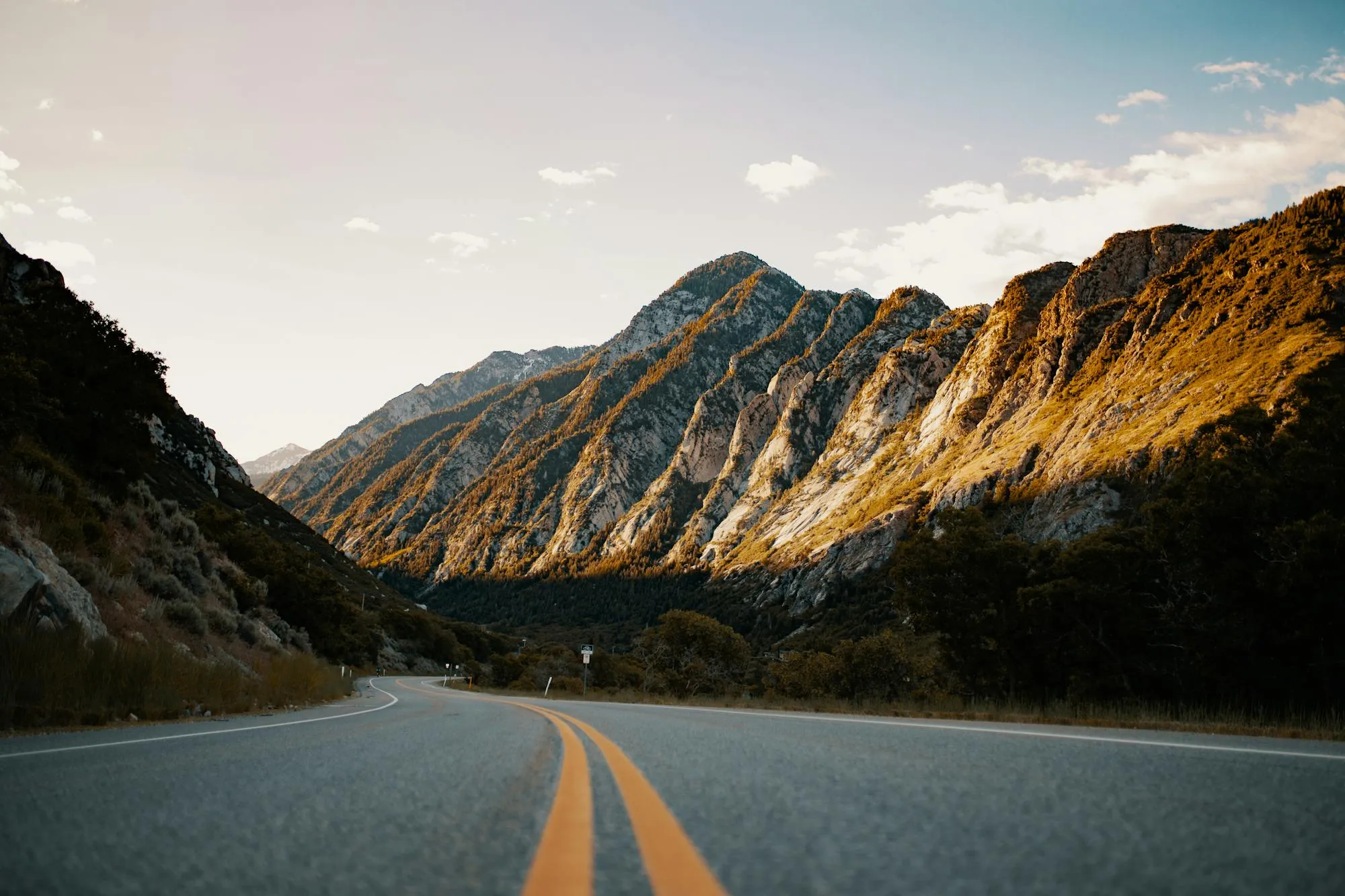
A scenic view of Angeles Crest Highway winding through rugged Southern California canyon terrain. Rocky mountainsides with golden earth tones frame the asphalt road with tight sweeping curves. Double yellow center line visible, sparse vegetation along the shoulders, clear blue sky with white clouds. Daylight, dry conditions. Iconic location for canyon-road enthusiasts.
Josh Sorenson / Pexels

Best motorcycle for Angeles Crest?

Angeles Crest is the road this bike was drawn for: stable, precise, and happy to sit all the way over on its side. The traffic-clogged ride out of LA is the price you pay for it.

Made for Angeles Crest Highway · Coronado Trail / US 191 · Highway 1 / Big Sur
Best motorcycle for Laguna Seca?

This is where the adjustable Showa hardware and the IMU electronics earn their keep. Set the suspension, pick a mode, and the bike stops being the thing that limits you.

Made for Barber Motorsports Park · WeatherTech Raceway Laguna Seca · Circuit of the Americas

Best motorcycle for Tail of the Dragon?

Tight, repeated East Coast corners suit its precision, though 448 lb wants deliberate inputs at Dragon pace. If you are chasing technique rather than speed, it gives plenty back.

Made for Back of the Dragon · Blue Ridge Parkway · Cherohala Skyway

What's new versus the previous generation

If you're cross-shopping the older generation, here's what changed.

Suzuki GSX-R1000R (MY2018)

Previous generation · 2018

Suzuki GSX-R1000R (MY2018)

Top-End Fury, Rock-Solid Exit

Compare to the previous model →