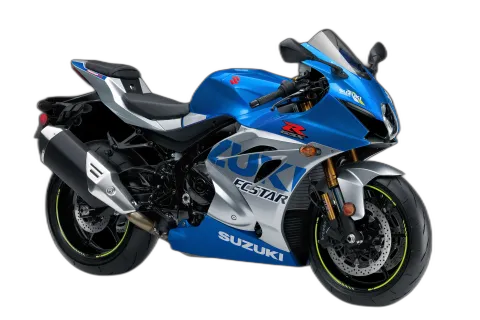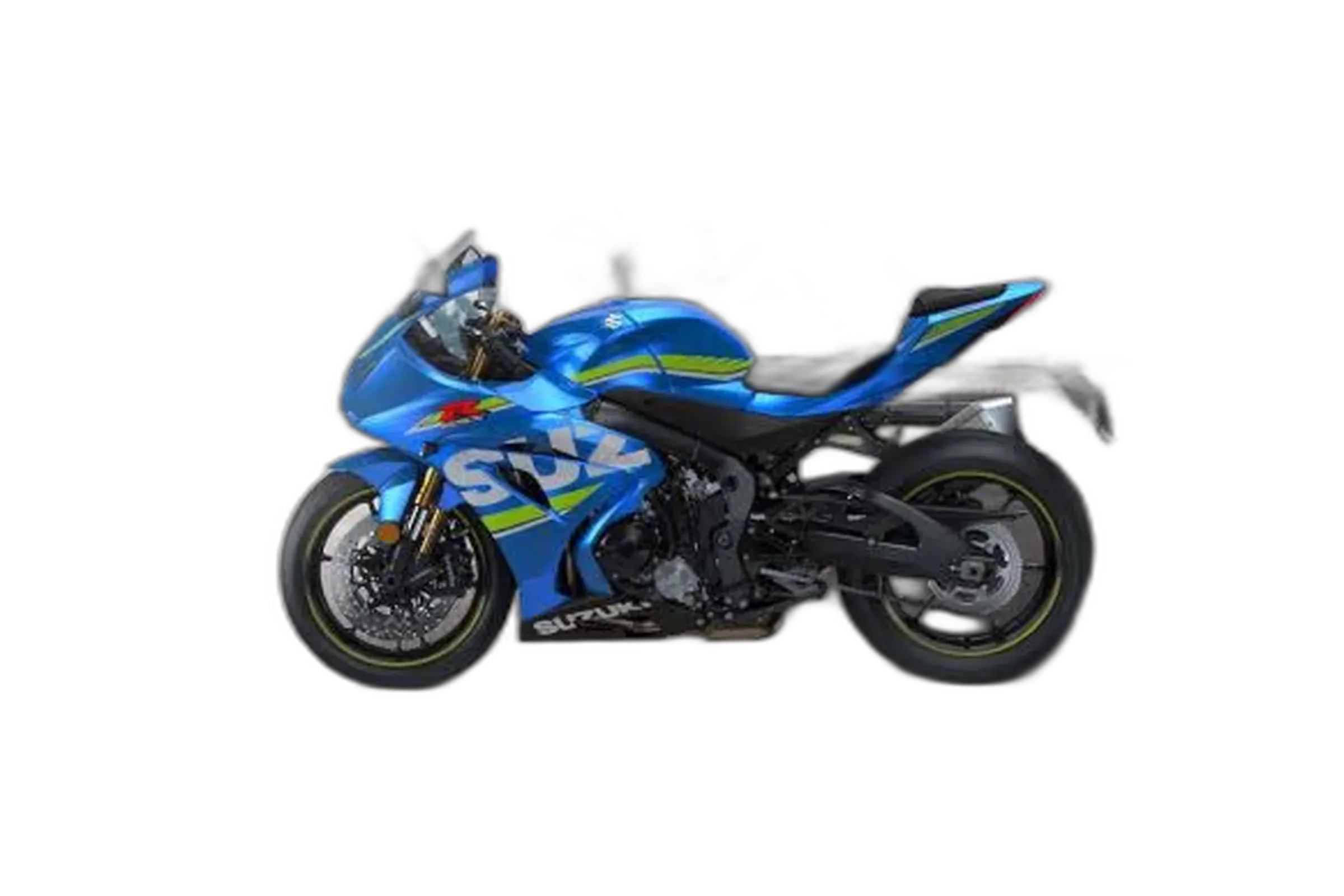
Suzuki GSX-R1000R (MY2018) — Supersport
NastyNils / Suzuki press archive

2018 · Supersport · Buyer's Guide

GSX-R1000R (MY2018)

Top-End Fury, Rock-Solid Exit

The Machine's Character

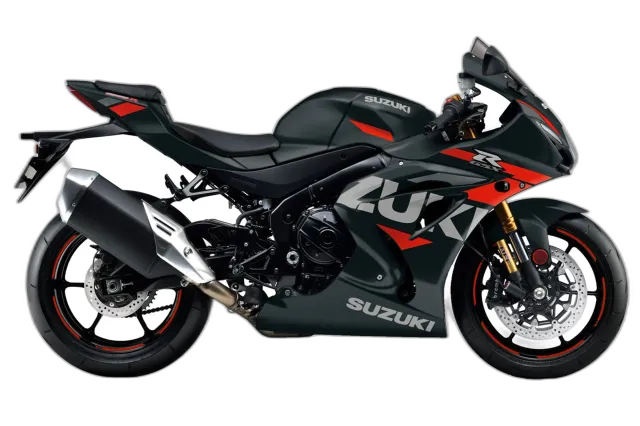
In its second model year, Suzuki's variable valve timing system still drops a 203 hp inline-four into a chassis built around one idea: corner exit. Through the low and mid range it feels polished and familiar, then the top end keeps pulling long after most liter-fours sign off, and that relentless upper-rev surge is the real story. The electronics stay deliberately focused. A six-axis IMU underpins cornering ABS and a wide-range traction control, plus the bidirectional quickshifter that defines the R, and little else. No active suspension, no touchscreen. In a class that loves spectacle, this one trades on substance.

It isn't a nervous, flickable bike. It rewards a traditional style, heavy bar pressure and minimal hang-off, and pays back riders who trust the chassis to hold more speed than feels reasonable. Build quality holds up to hard, repeated use, and the spec stays sane between sessions instead of burying you in menus. The honest caveat is the steering. It looks compact and agile but won't tip into a corner on its own, so you drive it through the arc with deliberate input. Want a point-and-flick canyon toy? Look elsewhere. Want high corner speeds and a planted exit? It fits.

Hard Numbers

Spec sheets don't ride bikes, but they set the baseline.

Show full specs & equipment Hide specs & equipment
Key specifications
Power 203 hp (149 kW) @ 13,200 rpm
Torque 87 lb-ft (118 Nm) @ 10,800 rpm
Displacement 1000 cc
Engine Inline-four
Bore × stroke 76 × 55.1 mm
Compression 13.2:1
Cooling Liquid-cooled
Fuel system Fuel injection
Gearbox 6-speed
Final drive Chain
Frame Aluminum twin-spar
Fork Upside-down (USD)
Front brake 320 mm
Rear brake 220 mm
Front tire 120/70-17
Rear tire 190/55-17
Wheelbase 56.1 in (1425 mm)
Seat height 32.5 in (825 mm)
Wet weight 448 lb (203 kg)
Fuel capacity 4.2 gal (16 L)
Fuel economy 35 mpg (US)

Equipment check

Chassis

  • Front Suspension Adjustable Standard
  • Rear Suspension Adjustable Standard
  • Steering Damper Standard

Drivetrain

  • Quickshifter Suzuki Bi-directional Quick Shift System Clutchless ridingFull throttle upshift Standard
  • Slipper Clutch Standard

Lighting

  • LED Headlight Standard

Safety

  • ABS Standard
  • Cornering ABS Suzuki Motion Track Brake System Cornering brake safety Standard
  • Traction Control Standard
  • Ride Modes Suzuki Drive Mode Selector Alpha (SDMS-α) Selectable ride modesLean sensitive traction Standard
  • Wheelie Control Standard
  • Launch Control Standard

The Voice of Experience

Portrait of NastyNils

The test ride

Climb aboard and the first surprise is space. Taller, heavier riders expect to be folded into the cockpit and aren't; the riding position accommodates a bigger frame instead of compressing it. At real road pace the front can feel oddly inert if you loaf, because the Showa Balance Free fork is a racing part that only wakes up once you load it properly. Your hands notice the quickshifter right away. Upshifts snap clean, but the blipper on the way down feels too soft, short on feedback when you're pushing. The Brembo lever bites hard with a premium, communicative feel. Nothing here asks you to manage screens between sessions; you adjust a couple of settings and ride. It feels grown-up, never hysterical, the way a fast Suzuki tends to.

Rated point by point — where it earns its keep

My own 0–100 score for this bike against the class, area by area — the marker on each bar is the class average.

What sets this chassis apart is how composed it stays with the throttle wide open at the exit. Suzuki put real extra power on the table, yet the bike never gets loose or busy on the way out; the geometry, throttle, and damping all point at that one moment, so you get on the gas earlier than instinct says is wise. The front end wants to be worked hard. Roll in gently and it feels lifeless, but stand it on the brakes and load it properly and it turns sharp and talkative. The electronics leave room to play, too. Traction control has a wide enough window that on sport rubber I went quicker by easing back from the sharpest setting and letting the tire do its job. Two cautions: setting your line takes a firm push on the bar, and wheelie control sits on the same dial as the traction control, so softening one drags the other along.

This bike has a clear idea of what it's good at, and it isn't darting between apexes. It's tuned to go fast in a big-radius, straight-ahead sense rather than to flick side to side. The reward comes when you commit to a higher entry speed than feels sane and lean on the chassis to hold the line, which it will. An old-school technique suits it, weight on the bars and your body kept fairly central. If a good lap to you means a long, fast sweep instead of knifing into hairpins, this is your kind of machine.

Down low and through the middle this four is civil to the point of feeling ordinary. Let it spin into the top of the tach and it turns into a different motor, still pulling hard at revs where most big inline-fours have already quit, and that long reach up high is what separates this generation from the last. Just as valuable is how clean the delivery stays from the midrange up. No flat spots, no surprises, so you can pin it leaving an apex and trust exactly what reaches the tire.

Out of the crate the Brembo setup is already fit for a track day. The calipers grab the floating discs hard, and the lever feel is the premium sort you normally have to pay to upgrade into. Kill the ABS and it sharpens further, giving a firmer bite point and tighter control at the ragged edge. Add a harder pad on top and the package is race-ready, and you never touch the stock hardware.

For a bike this single-minded, the cockpit is more generous than it has any right to be. Big, tall riders climb on expecting to be crammed over the tank and instead find genuine room to settle in. The other comfort I'd fight to keep is the two-way quickshifter, exclusive to the R with no way to add it later, so gear changes come without ever closing the throttle. My one complaint sits on the downshift side, where both settings feel too gentle and leave me hunting for more bite when the pace climbs.

The electronics here are refreshingly narrow in scope, and that suits the bike. You get a focused control set, traction control and a quickshifter with auto-blip, and that's the list. No electronic suspension to second-guess, no menus to swipe through. The practical payoff shows up in the pits, where getting ready for the next run means tweaking a couple of parameters rather than digging through a touchscreen for the setting you wanted. On a machine aimed this squarely at going fast, that restraint is the right answer.

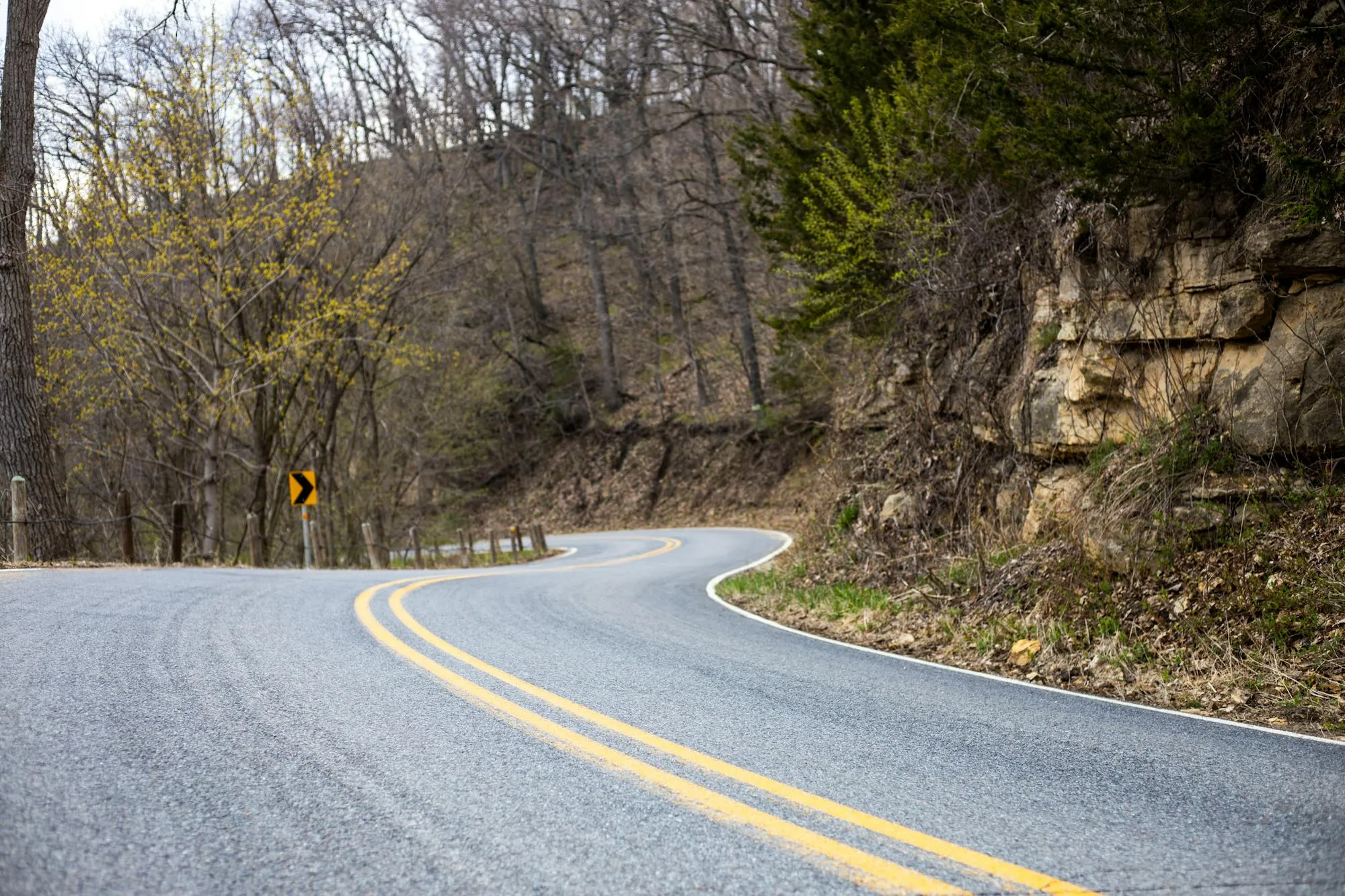
A winding two-lane asphalt road in the Appalachian mountains, photographed in dry daylight. Yellow double-center line markings guide through a series of tight left-hand curves. Dense deciduous and evergreen forest flanks both sides; a rock cut is visible on the right. The road surface and geometry suggest a technical, high-traffic riding corridor popular with motorcyclists. No motorcycle, no person visible.
Chris Flaten / Pexels

The Truth on the Street

The sentiment here comes from the usual places: comments under my videos, long forum threads, talks at the track, and the questions riders send to my inbox. For this GSX-R1000R the chatter settles in a consistent spot, warm on the engine and the handling, with the criticisms small and rarely piling up.

What riders praise most

Top of the list by a clear margin is the engine. Riders describe a strong, flexible motor that pulls generously through the middle of the rev range, useful on the road and at the track. After that, plenty praise how nimble it feels at slower speeds, light at the bars and easy to thread through traffic or a tight corner. The factory up-and-down shifter gets steady approval for smooth changes, and a few call out how hard the front brakes bite the moment you grab the lever.

The small, scattered complaints

None of the gripes carry much weight, and no two riders land on the same one. A handful judge the ride modes too mild to matter, particularly at the track. Brake feel comes up too, fading on some bikes once the laps stack up. The rest is a grab bag: paint that chips sooner than owners would like, a stray cold-start stall, and a buzz through the bars in a certain rev window.

Known issues

  • Fuel pump O-ring leak (recall)

    fuel systemoccasionalRecall

    A twisted fuel pump O-ring can cause a fuel leak, posing a fire risk. Suzuki recall replaces the O-ring set.

  • ECM recall causing chain break risk

    enginerareRecall

    If neutral is accidentally engaged between 1st and 2nd gear and then 2nd engaged without clutch, high RPM can cause chain stretch or break. ECM reflash and chain/sprocket inspection performed under recall.

  • Cold start stalling

    engineoccasional

    Some owners report the engine stalls or fails to start when cold. Replacing the primary fuel injectors may fix it.

  • Quickshifter/auto-blipper malfunction

    drivetrainoccasional

    The auto-blipper feature may stop working; some owners report it never functioned correctly.

  • ABS warning light staying on

    electricsrare

    The ABS light may illuminate during riding; a new battery reportedly resolves the issue.

  • Gearshift double-click between 4th-5th and 5th-6th

    drivetrainrare

    Shifting between higher gears can feel notchy, with a double-click sensation; adjustment does not always fix it.

  • Deceleration jerkiness

    engineoccasional

    Sudden throttle closures can cause violent engine braking, making the bike lurch forward.

  • Clutch tensioner clunk

    drivetrainoccasional

    A solid clunk is heard from the clutch area when pulling the lever; adjustment may not eliminate it.

The Expert Benchmark

Where this Suzuki GSX-R1000R pulls ahead of — or falls behind — its rivals on the numbers, and the typical bike in its class on character.

What kind of bike this is — character vs. the class

This bike Class average

The shape of the Suzuki GSX-R1000R — numbers and character vs. the average Supersport

Head-to-head: Suzuki GSX-R1000R vs. its rivals

The Handshake Score

Forget spec-sheet bragging. Here's who the GSX-R1000R is actually built for.

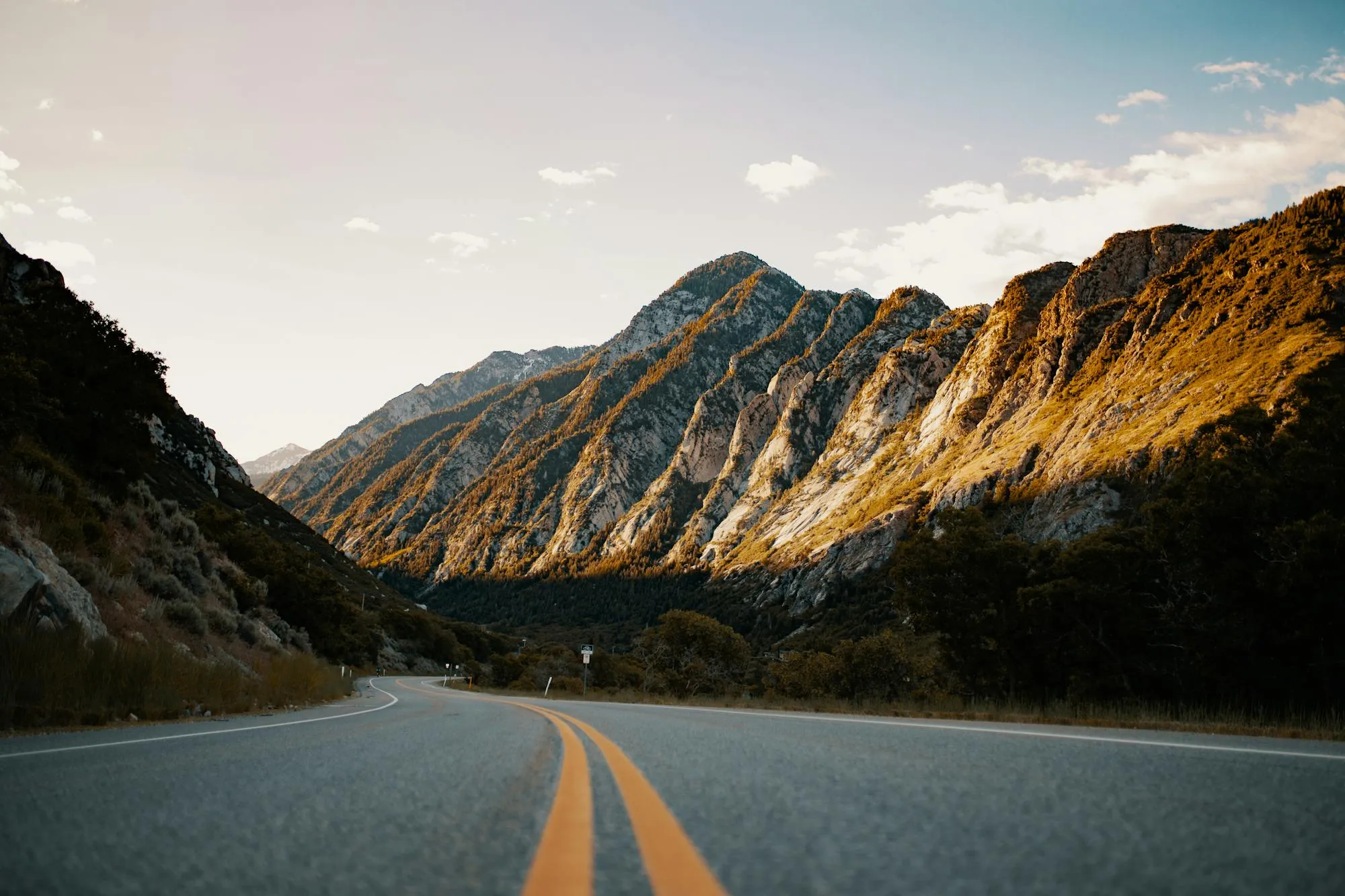
A scenic view of Angeles Crest Highway winding through rugged Southern California canyon terrain. Rocky mountainsides with golden earth tones frame the asphalt road with tight sweeping curves. Double yellow center line visible, sparse vegetation along the shoulders, clear blue sky with white clouds. Daylight, dry conditions. No motorcycle or rider visible. Iconic location for canyon-road enthusiasts.
Josh Sorenson / Pexels

Best motorcycle for Angeles Crest?

If your weekends mean Angeles Crest and carrying real pace, this fits. It rewards trusting the chassis and high corner speed over a flick-and-dart style, so commit to the line and it pays you back.

Made for Angeles Crest Highway · Coronado Trail / US 191 · Highway 1 / Big Sur
Best motorcycle for Laguna Seca?

Built around corner exit and deep, late braking, it's at home on a closed circuit. The R's quickshifter and focused electronics suit setup work, but it wants deliberate bar pressure into the apex.

Made for Barber Motorsports Park · WeatherTech Raceway Laguna Seca · Circuit of the Americas

Best motorcycle for Tail of the Dragon?

On tight East-Coast twisties it asks for commitment. It carries speed well but won't tuck into slow hairpins on its own, so if your roads favor quick direction changes over corner speed, weigh that honestly.

Made for Back of the Dragon · Blue Ridge Parkway · Cherohala Skyway

What's new versus the previous generation

If you're cross-shopping the older generation, here's what changed.

Suzuki GSX-R 1000 (K9)

Previous generation · 2009–2016

Suzuki GSX-R 1000 (K9)

Analog Power You Can Use

Compare to the previous model →

Alternatives to the Suzuki GSX-R1000R

If this one isn't quite the fit, these are the bikes worth riding back-to-back against it.

Any price note compares both bikes at the same age — the youngest age both have on the used market — against this Suzuki GSX-R1000R. “cheaper/pricier” is what that bike costs second-hand, not how worn it is.