MV Agusta F4 R (MY2014) — Supersport
MV Agusta Press

2014–2015 · Supersport · Buyer's Guide

F4 R (MY2014)

4.5 / 5 NastyNils Rating · against its class

Italian Fire, Italian Howl

The Machine's Character

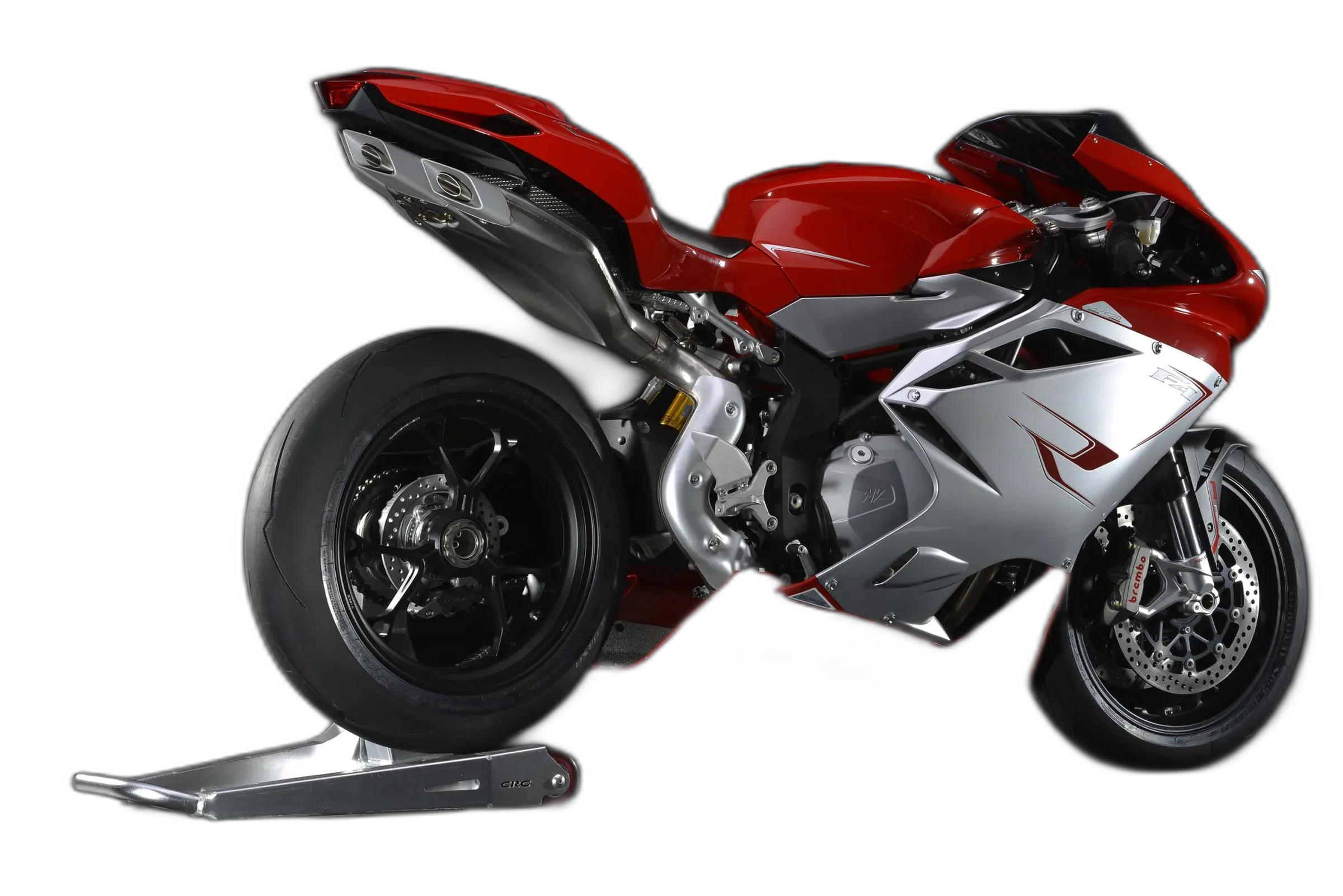
The F4 R is what happens when a four-cylinder superbike is built as an object first and a lap tool second. The 998 cc inline-four is a short-stroke screamer making 195 hp at 13,600 rpm, and the way it stacks revs toward that number is the whole point of the machine. Ride-by-wire sits underneath it, with traction control, wheelie control, ride modes and ABS keeping the top end usable rather than theoretical. At 463 lb wet it isn't the lightest thing in the supersport class, yet the chassis carries that mass with real precision and hangs onto a chosen line without argument.

Lean clearance is exceptional, and the F4 R asks you to use it. This is a bike for a rider with skill and intent, one who wants a Sunday to feel like an occasion and doesn't mind working for it. Build quality is genuinely high, the detailing holds up, and the shapes still stop people in parking lots. The honest caveat is ownership. Heat builds badly in slow traffic and the plastic fan blades can fail, some bikes throw false neutrals and cut out on downshifts into 2nd or 3rd, and the rear hub area on the single-sided swingarm can crack if the pinch bolts get over-torqued. Go in with your eyes open.

Hard Numbers

Spec sheets don't ride bikes, but they set the baseline.

Show full specs & equipment Hide specs & equipment
Key specifications
Power 195 hp (143 kW) @ 13,600 rpm
Torque 82 lb-ft (111 Nm) @ 9,600 rpm
Displacement 998 cc
Engine Inline-four
Cooling Liquid-cooled
Gearbox 6-speed
Final drive Chain
Fork Upside-down (USD)
Front tire 120/70-17
Rear tire 200/55-17
Seat height 32.7 in (830 mm)
Wet weight 463 lb (210 kg)
Fuel capacity 4.5 gal (17 L)

Equipment check

Chassis

  • Front Suspension Adjustable Standard
  • Rear Suspension Adjustable Standard
  • Steering Damper Standard

Drivetrain

  • Slipper Clutch Standard

Safety

  • ABS Standard
  • Traction Control Standard
  • Ride Modes Standard
  • Wheelie Control Standard

The Voice of Experience

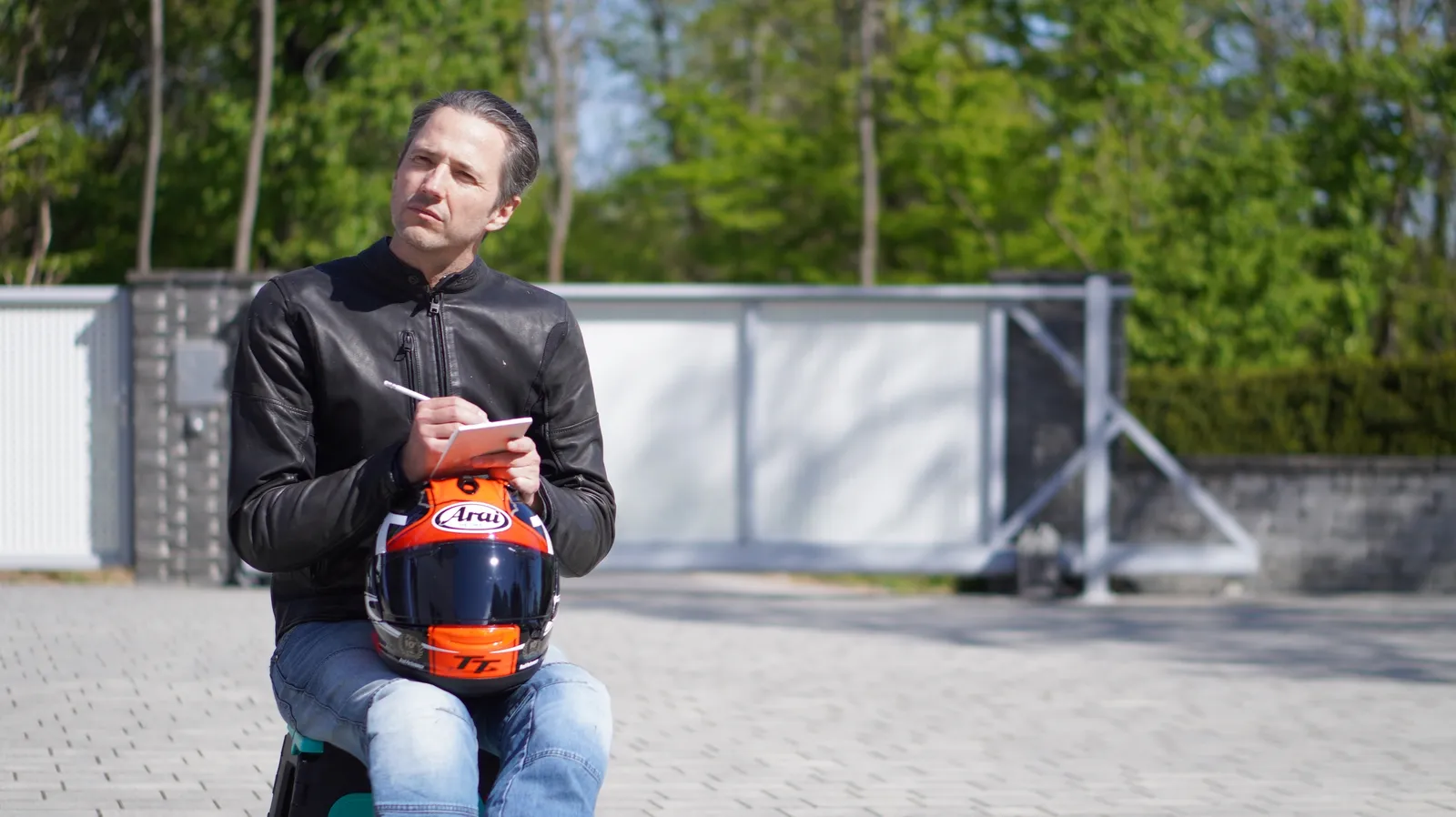
Portrait of NastyNils

The test ride

The first thing that lands is the noise. Above 8,000 rpm the intake and exhaust stack into a hard metallic howl that you feel in your ribs, and it's the reason people keep the visor cracked. Ergonomics are tight. Long wrists, high pegs, a 32.7 in seat, and a riding position that puts weight straight through your palms at anything below a brisk pace. Twenty minutes of town riding and you know it. Get onto a real road and the geometry makes sense: the bar and tank position let you load the front and feel exactly what the contact patch is doing. Vibration stays fine and hard-edged rather than numbing. Fit and finish is the other constant, the switchgear, the welds, the paint depth. It feels like something built by people who cared.

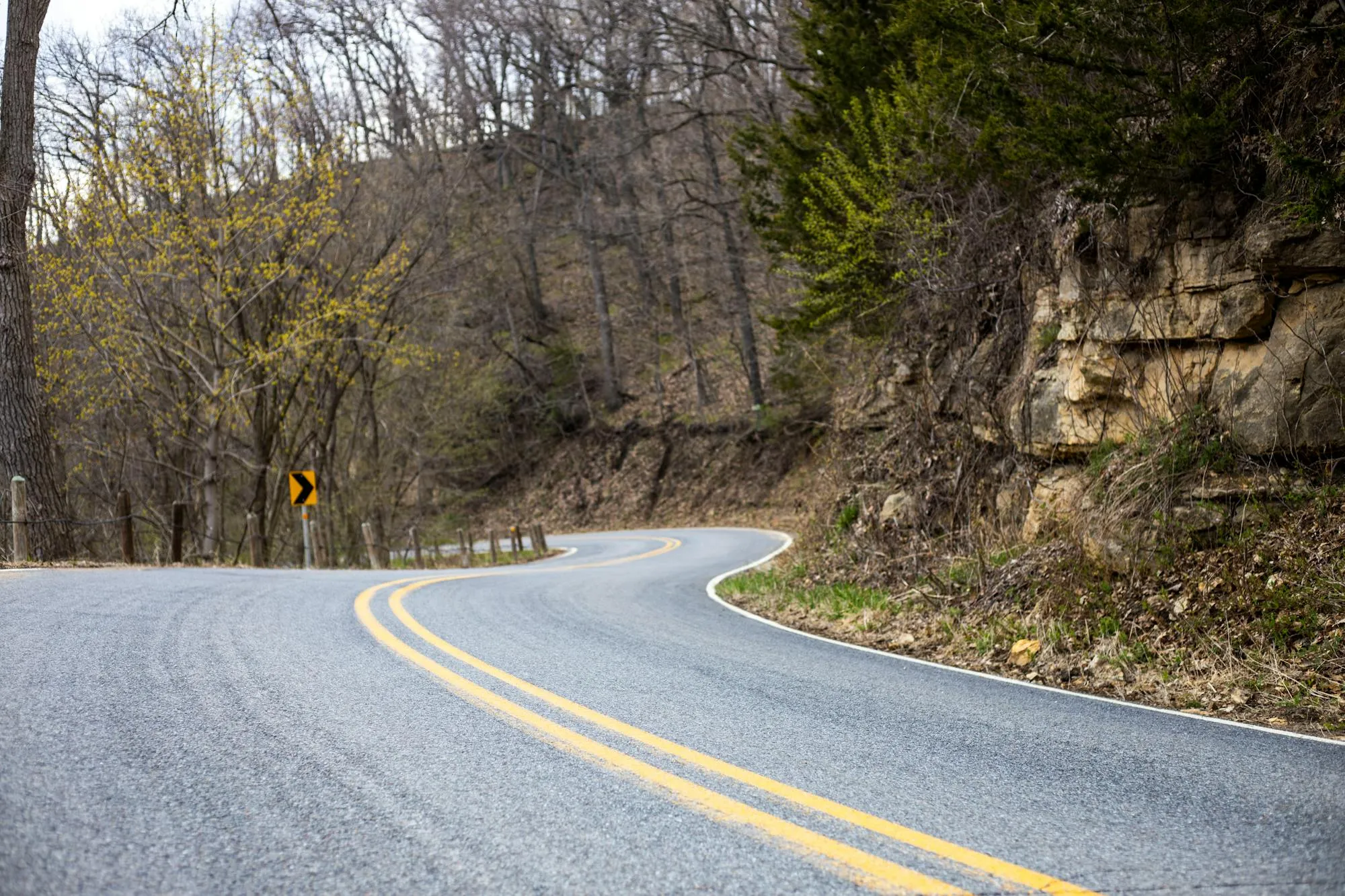
A winding two-lane asphalt road in the Appalachian mountains, photographed in dry daylight. Yellow double-center line markings guide through a series of tight left-hand curves. Dense deciduous and evergreen forest flanks both sides; a rock cut is visible on the right. The road surface and geometry suggest a technical, high-traffic riding corridor popular with motorcyclists.
Chris Flaten / Pexels

The Truth on the Street

None of this comes from a spec sheet. It's years of pit-lane talk, gas-station conversations with owners, club nights, and the messages riders send me directly. On the F4 R the accounts line up tightly: the same praise, the same complaints, told over and over.

Where the praise concentrates

Nothing comes up more often than what the engine does high in the rev range. Owners describe an eager climb and a surge past 10,000 rpm they call intoxicating. Behind that, two things share the billing: brakes that riders report as powerful and progressive with sharp turn-in they trust, and the craftsmanship, which owners bring up as readily as anything they feel through the controls. A quieter group mentions how settled it stays at speed.

The gripes that keep coming back

Four complaints repeat with about equal frequency. Taller riders call the seat and peg placement cramped once a ride runs long. Fueling is next: partial throttle openings bring flat spots and hesitation rather than a clean connection. Heat is the third, with the cooling fan running continuously in heavy traffic and warmth reaching the rider. And owners who have come off rivals say the weight costs it agility. A few add that firm suspension makes rough pavement hard work.

Known issues

  • False neutrals and engine cutting out during downshifts

    drivetrain occasional

    Some owners report frequent false neutrals and the engine completely dying when downshifting into 2nd or 3rd gear. Requires a key cycle to restart.

  • Hub cracking on rear single‑sided swingarm

    chassis rare

    Reports of cracking around the rear hub pinch bolts, especially if over‑torqued. Aftermarket reinforced hubs are available as a permanent solution.

  • Excessive engine heat and fan failure

    cooling very common

    The engine tends to overheat during slow or stationary riding. Plastic cooling fan blades can fail, leading to even higher temps; aftermarket metal blades are a common fix.

The Expert Benchmark

Where this MV Agusta F4 R pulls ahead of — or falls behind — its rivals on the numbers, and the typical bike in its class on character.

What kind of bike this is — character vs. the class

This bike Class average

The shape of the MV Agusta F4 R — numbers and character vs. the average Supersport

Head-to-head: MV Agusta F4 R vs. its rivals

The Handshake Score

Forget spec-sheet bragging. Here's who the F4 R is actually built for.

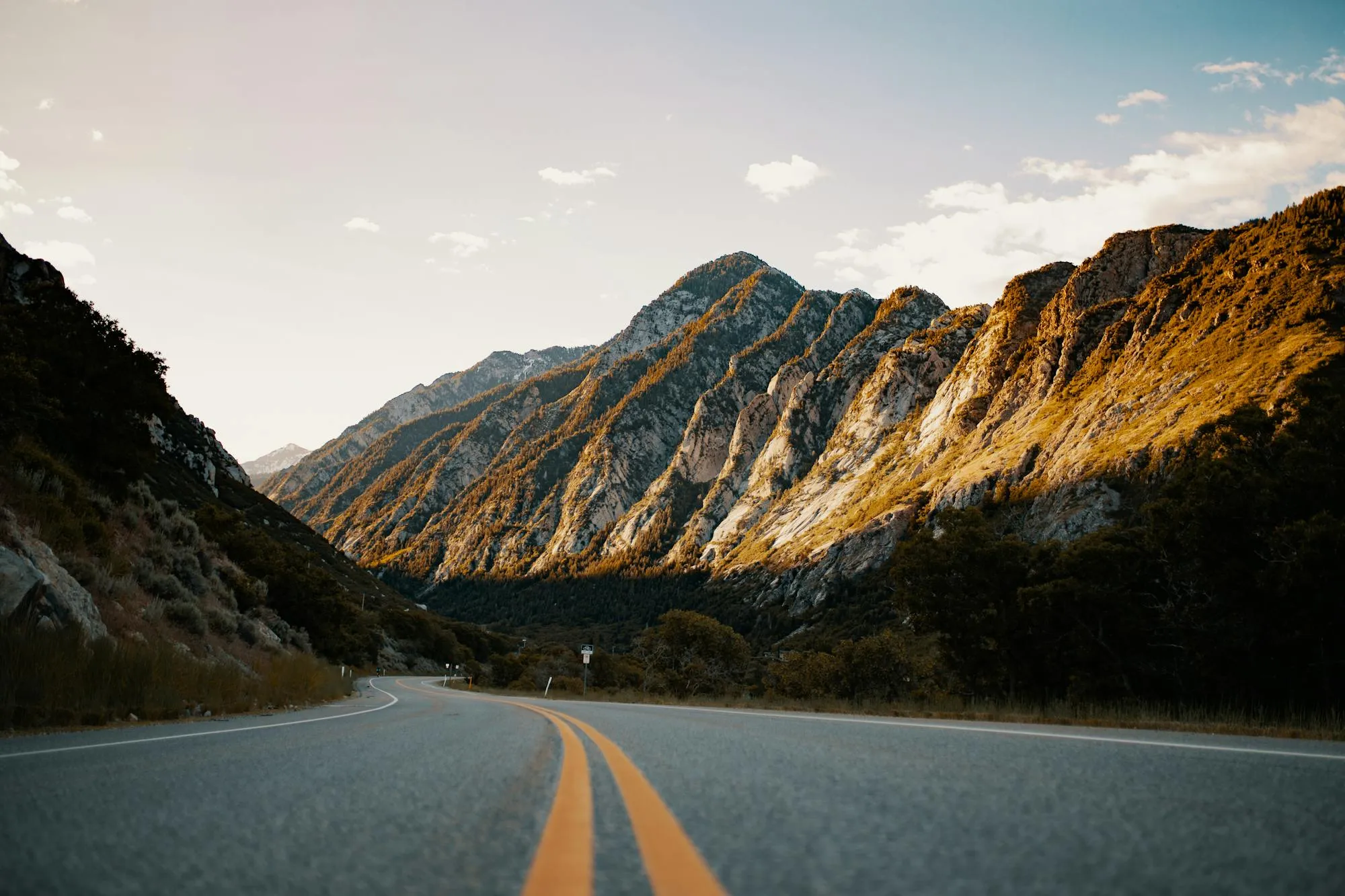
A scenic view of Angeles Crest Highway winding through rugged Southern California canyon terrain. Rocky mountainsides with golden earth tones frame the asphalt road with tight sweeping curves. Double yellow center line visible, sparse vegetation along the shoulders, clear blue sky with white clouds. Daylight, dry conditions. Iconic location for canyon-road enthusiasts.
Josh Sorenson / Pexels

Best motorcycle for Angeles Crest?

Angeles Crest is where this bike makes sense. It holds a line beautifully and the lean angle is endless, but plan your route around moving air, because sitting in LA traffic on it is genuinely unpleasant.

Made for Angeles Crest Highway · Coronado Trail / US 191 · Highway 1 / Big Sur
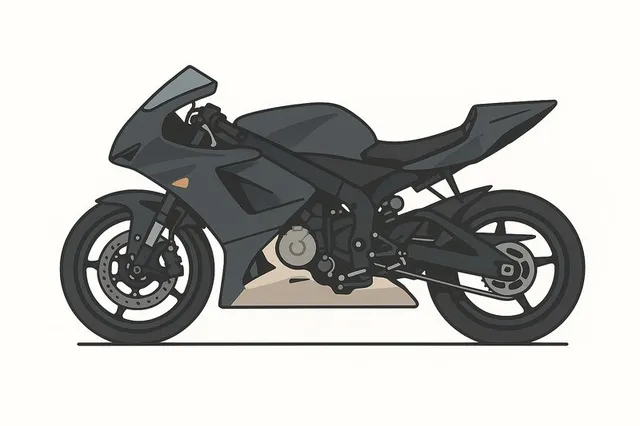
Best motorcycle for Laguna Seca?

On a circuit the F4 R comes alive: the top end has somewhere to go and the electronics let you use it. It's heavier than the class benchmarks, so expect to work in the transitions.

Made for Barber Motorsports Park · WeatherTech Raceway Laguna Seca · Circuit of the Americas

Best motorcycle for Tail of the Dragon?

For Dragon-style corner work the precision and feedback are excellent. The tight ergonomics and heat build make the drive down from Atlanta or Knoxville the harder part of the day.

Made for Back of the Dragon · Blue Ridge Parkway · Cherohala Skyway

What's new versus the previous generation

If you're cross-shopping the older generation, here's what changed.

MV Agusta F4 1000 (MY2010)

Previous generation · 2010–2011

MV Agusta F4 1000 (MY2010)

Italian Fire, Maximum Lean

Compare to the previous model →

Alternatives to the MV Agusta F4 R

If this one isn't quite the fit, these are the bikes worth riding back-to-back against it.

Any price note compares both bikes at the same age — the youngest age both have on the used market — against this MV Agusta F4 R. “cheaper/pricier” is what that bike costs second-hand, not how worn it is.