
MV Agusta F4 1000 S 1+1 (MY2005) — Supersport
MV Agusta press archive

2005–2007 · Supersport · Buyer's Guide

F4 1000 S 1+1 (MY2005)

4.5 / 5 NastyNils Rating · against its class

Art That Hits 184

The Machine's Character

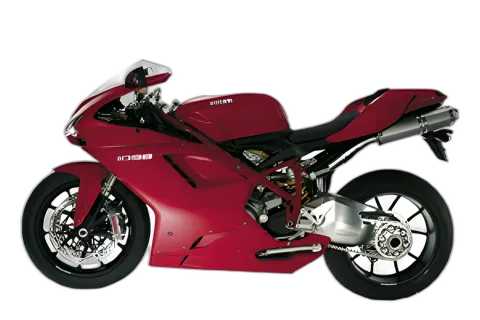
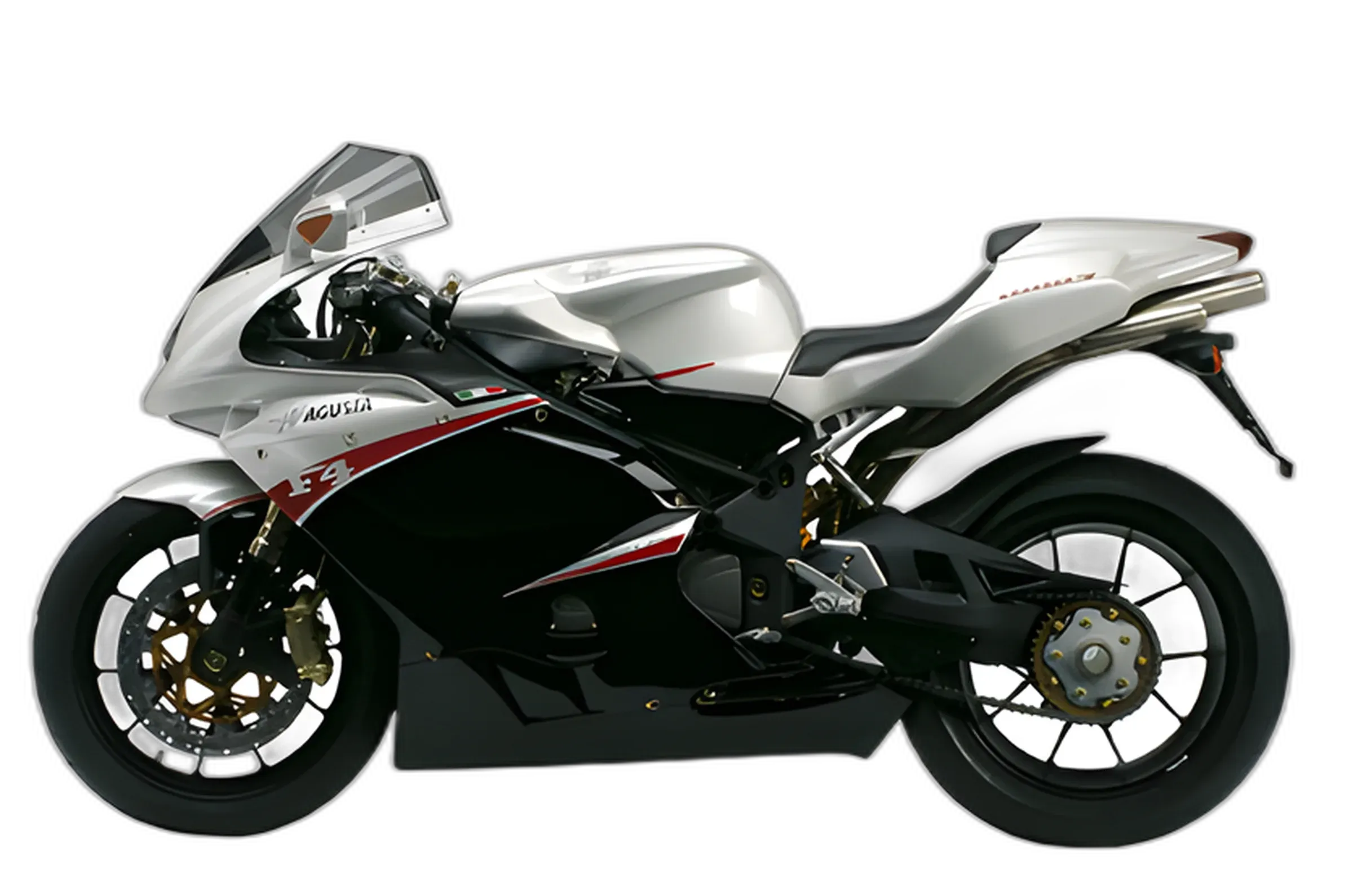
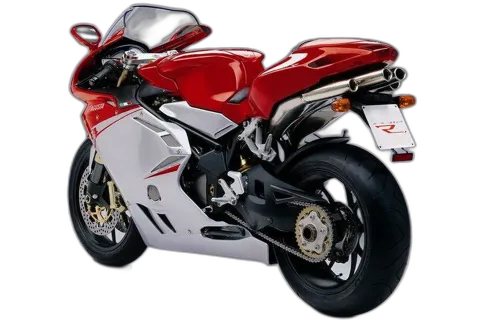
The F4 1000 S is a motorcycle you buy with your eyes first and justify with the engine later. Massimo Tamburini's lines still stop people cold: the sculpted silver fairing, the organic tail and the four exhaust pipes tucked beneath it. Underneath sits a steel trellis frame, a 2 in (50 mm) Marzocchi fork, a fully adjustable Sachs shock and a steering damper as standard. The 998 cc inline-four makes 166 hp at 11,750 rpm and 80 lb-ft, and it saves its best work for the top of the rev range. In the supersport class this is pure emotional hardware, built without any electronic safety net.

On the road it is intense and demanding. It rewards a rider with smooth, precise throttle control and punishes lazy inputs, and there is no ABS or traction control to clean up mistakes. High-speed stability and front-end feedback are its core virtues, and on the street you will never run out of cornering clearance. Owning one takes commitment. Exhaust heat can cook the rear brake fluid and deform the belly pan, the plastic fan blades can soften in traffic, and the radiator mount and sidestand switch need watching. This is a bike for an experienced rider who wants a thoroughbred, not a sensible appliance.

Hard Numbers

Spec sheets don't ride bikes, but they set the baseline.

Show full specs & equipment Hide specs & equipment
Key specifications
Power 166 hp (122 kW) @ 11,750 rpm
Torque 80 lb-ft (109 Nm)
Displacement 998 cc
Engine Inline-four
Cooling Liquid-cooled
Gearbox 6-speed
Final drive Chain
Fork Telescopic
Front brake 310 mm
Front tire 120/70-17
Rear tire 190/50-17
Seat height 31.9 in (810 mm)
Wet weight 423 lb (192 kg)
Fuel capacity 5.5 gal (21 L)
Top speed 184 mph (296 km/h)
Fuel economy 33 mpg (US)

Equipment check

Chassis

  • Front Suspension Adjustable Standard
  • Rear Suspension Adjustable Standard
  • Steering Damper Standard
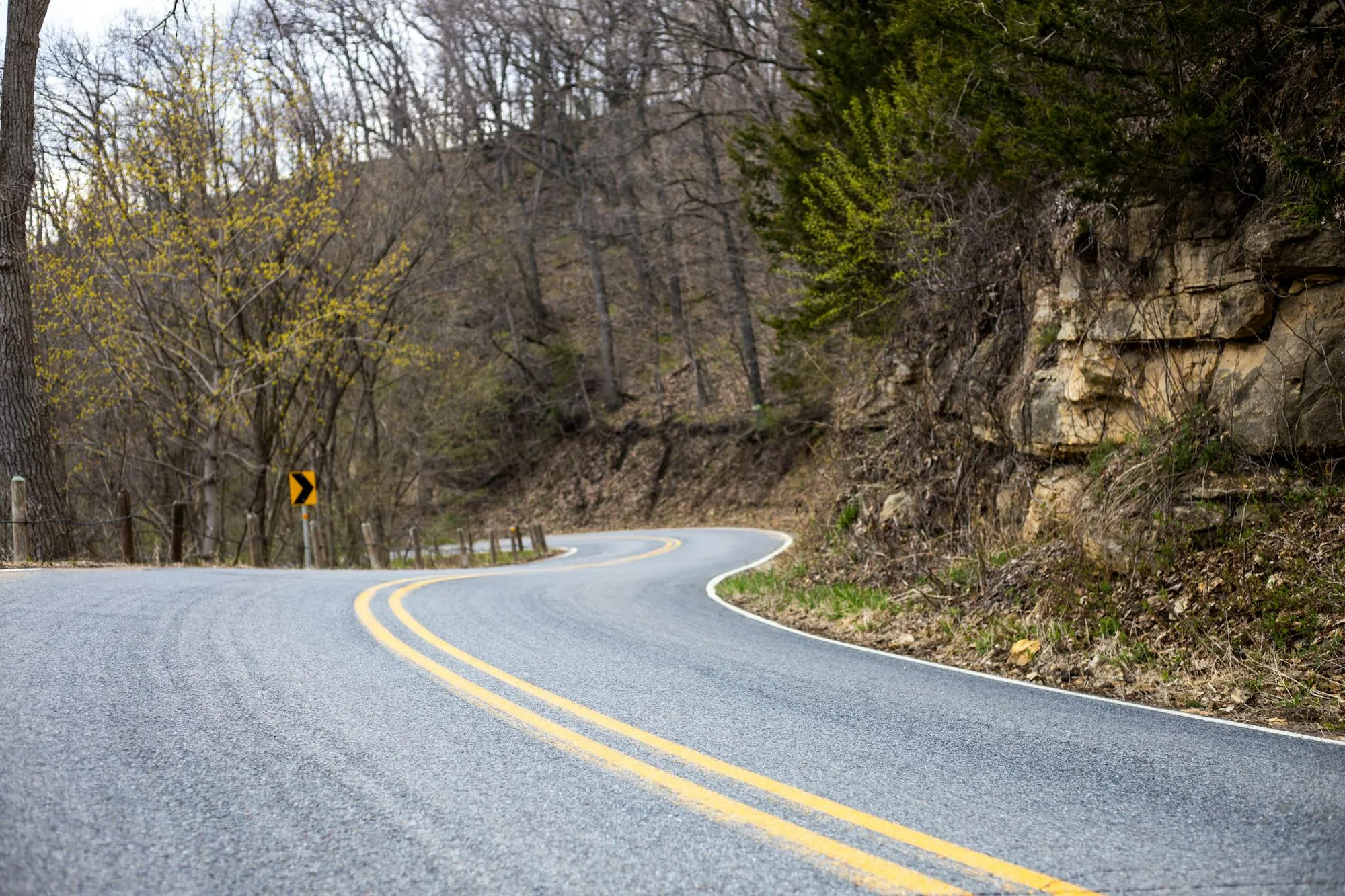
A winding two-lane asphalt road in the Appalachian mountains, photographed in dry daylight. Yellow double-center line markings guide through a series of tight left-hand curves. Dense deciduous and evergreen forest flanks both sides; a rock cut is visible on the right. The road surface and geometry suggest a technical, high-traffic riding corridor popular with motorcyclists.
Chris Flaten / Pexels

The Truth on the Street

Over the years I've heard a lot about this F4: in paddocks, in long chats with owners, over club-night coffee and in the messages riders send me. The pattern holds steady. Owners rate the hardware highly, and they're just as consistent about what the bike asks of them once the pace drops.

Top-shelf parts, fussy execution

Owners keep coming back to the componentry. The radial six-piston Nissin calipers and the premium suspension are what they point to when they call this bike exotic. The recurring complaint is execution. Riders say the parts are better than the way they're put together, and they mention corroding electrical contacts and poor heat management. They describe a bike that needs an owner who stays on top of maintenance.

Hard work when the pace drops

Slow down and riders say the F4 turns heavy. It feels top-heavy, and tight corners and slow-speed maneuvering take deliberate effort. Below 4,000 rpm some owners find the throttle hesitant one moment and abrupt the next, which calls for careful clutch work in city traffic. The hard seat and extreme forward lean wear on the rider during longer trips and limit how usable it is day to day.

Known issues

  • Rear brake master cylinder fade

    brakes occasional

    Exhaust proximity leads to overheated brake fluid, resulting in a spongy or ineffective rear pedal.

  • Plastic cooling fan blades melting

    cooling occasional

    In stop‑and‑go traffic the plastic radiator fan blades can soften and deform due to extreme under‑fairing temperatures. Replacing with metal blades or improving airflow mitigates the problem.

  • Radiator cracking

    cooling common

    The upper left radiator mount is prone to stress fractures, causing coolant leaks and overheating.

  • Single-sided swingarm hub play

    chassis occasional

    The hub design can develop excessive play; resolved by meticulous maintenance and reduced pinch‑bolt torque.

  • Sidestand switch failure

    electrics occasional

    The sidestand switch is known to fail, causing intermittent engine cut-outs or refusal to start. Regular cleaning and lubrication of the switch mechanism helps prevent the issue.

  • Belly pan melting from exhaust heat

    bodywork occasional

    Radiant heat from the exhaust can soften and deform the lower belly pan, particularly on the right side. Aftermarket heat shielding or exhaust wrap is a common fix.

The Expert Benchmark

Where this MV Agusta F4 1000 S 1+1 pulls ahead of — or falls behind — its rivals on the numbers, and the typical bike in its class on character.

What kind of bike this is — character vs. the class

This bike Class average

The shape of the MV Agusta F4 1000 S 1+1 — numbers and character vs. the average Supersport

Head-to-head: MV Agusta F4 1000 S 1+1 vs. its rivals

The Handshake Score

Forget spec-sheet bragging. Here's who the F4 1000 S 1+1 is actually built for.

A scenic view of Angeles Crest Highway winding through rugged Southern California canyon terrain. Rocky mountainsides with golden earth tones frame the asphalt road with tight sweeping curves. Double yellow center line visible, sparse vegetation along the shoulders, clear blue sky with white clouds. Daylight, dry conditions. Iconic location for canyon-road enthusiasts.
Josh Sorenson / Pexels

Best motorcycle for Angeles Crest?

On fast, open canyon sweepers, the F4's stability, feedback and lean clearance are right at home. Just accept that tight, slow sections and hot LA traffic are not where it shines.

Made for Angeles Crest Highway · Coronado Trail / US 191 · Highway 1 / Big Sur
Best motorcycle for Laguna Seca?

The endless lean clearance, fully adjustable chassis and top-end rush all make sense on a closed circuit. Without traction control or a quickshifter, though, every lap depends on your own throttle discipline.

Made for WeatherTech Raceway Laguna Seca · Barber Motorsports Park · Circuit of the Americas