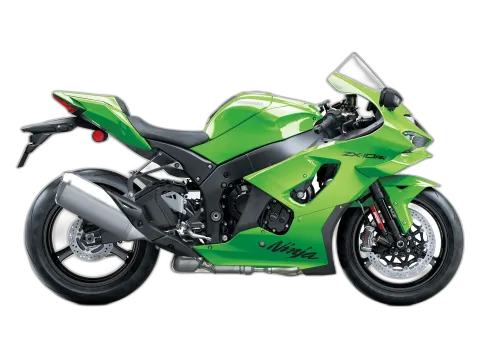
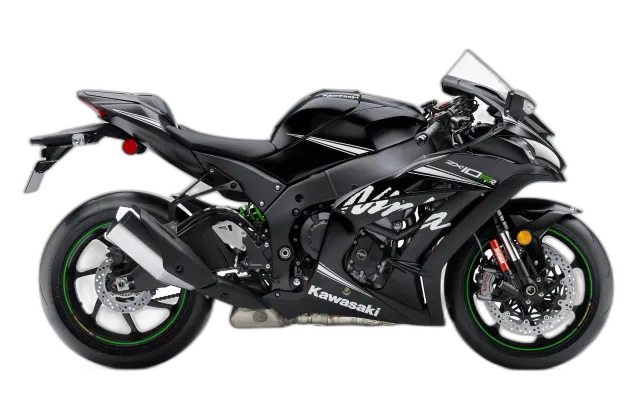
Kawasaki Ninja ZX-10RR (MY2019) — Supersport
Kawasaki Press

2019–2020 · Supersport · Buyer's Guide

Ninja ZX-10RR (MY2019)

The Homologation Track Weapon

The Machine's Character

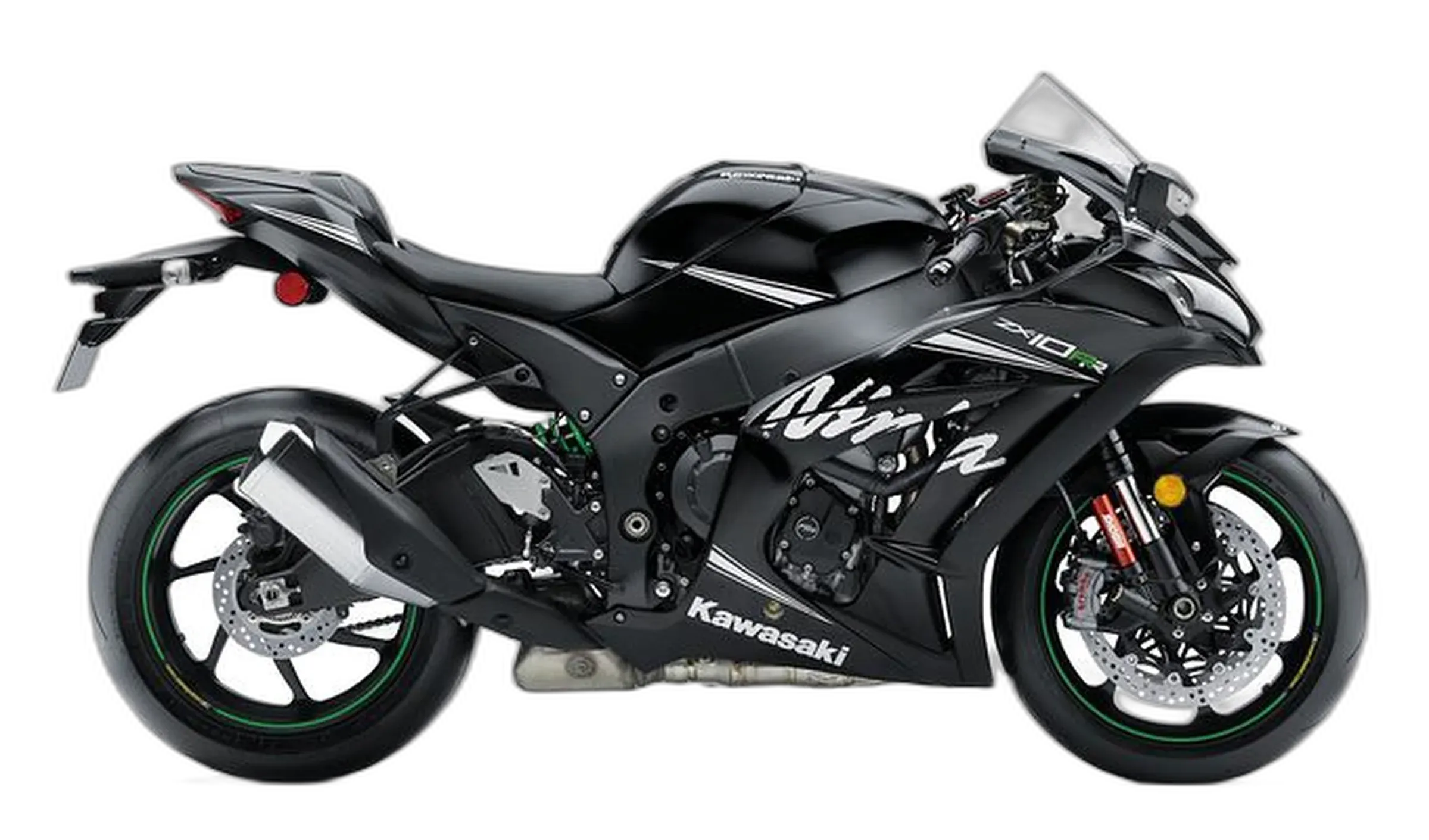
Kawasaki built the ZX-10RR as a limited-run homologation machine, and the internals show it. Pankl titanium connecting rods and finger-follower valve actuation come straight out of the factory racing program, so the 998 cc inline-four spins up faster and holds its power further than the numbers alone suggest. Peak output reads 214 hp at 13,500 rpm with 85 lb-ft at 11,200 rpm. Around that engine sits a proper rider-aid package: cornering ABS, traction control, wheelie control, launch control, ride modes, plus an up-and-down quickshifter and a slipper clutch. Brembo M50 calipers on 330 mm discs handle the stopping.

At 454 lb wet with a 56.7 in wheelbase, this is a focused machine that rewards a rider who knows what they want from it. Lean clearance is effectively unlimited by road standards, high-speed stability is excellent, and the chassis carves a corner with real precision. The honest caveat: it is a race homologation bike with a 32.9 in seat and no concessions to comfort or convenience. No cruise control, no TFT display, no TPMS. Two recalls apply to this era. Quick-shifter upshifts under high load can cause backfire that damages air suction valves, and 2020 units may carry a misassembled oil pressure relief valve (recall 21V-593) risking engine seizure. Check both before you buy.

Hard Numbers

Spec sheets don't ride bikes, but they set the baseline.

Show full specs & equipment Hide specs & equipment
Key specifications
Power 214 hp (158 kW) @ 13,500 rpm
Torque 85 lb-ft (116 Nm) @ 11,200 rpm
Displacement 998 cc
Engine Inline-four
Cooling Liquid-cooled
Gearbox 6-speed
Final drive Chain
Fork Upside-down (USD)
Front brake 330 mm
Front tire 120/70-17
Rear tire 190/55-17
Wheelbase 56.7 in (1440 mm)
Seat height 32.9 in (835 mm)
Wet weight 454 lb (206 kg)
Fuel capacity 4.5 gal (17 L)
Fuel economy 40 mpg (US)

Equipment check

Chassis

  • Front Suspension Adjustable Standard
  • Rear Suspension Adjustable Standard
  • Steering Damper Standard

Drivetrain

  • Quickshifter Standard
  • Slipper Clutch Standard

Safety

  • ABS Standard
  • Cornering ABS Standard
  • Traction Control Standard
  • Ride Modes Standard
  • Wheelie Control Standard
  • Launch Control Standard

Signature Tech

The named systems that set this bike apart — and what each one does for you.

Braking

  • Brembo M50 Caliper Standard
    • Firm brake lever feel
    • Brake fade resistance
    • Stronger consistent braking
    • Agile weight reduction

The Voice of Experience

Portrait of NastyNils

The test ride

The first thing your body registers is the commitment. Weight sits on your wrists at a standstill, the tank is narrow where your knees lock in, and the pegs are high enough that you feel folded rather than seated. Then the intake noise arrives. That inline-four howl above ten grand is the reason people buy this bike, and it goes from mechanical clatter down low to something genuinely sharp at the top of the tach. Vibration stays muted through the bars where it matters. At real road pace the fairing does its job at speed but leaves your shoulders exposed at lower speeds. Fuel range works out around 180 miles from the 4.5 gal tank if you ride sensibly, which you probably will not. Build quality feels dense and properly finished everywhere your hands land.

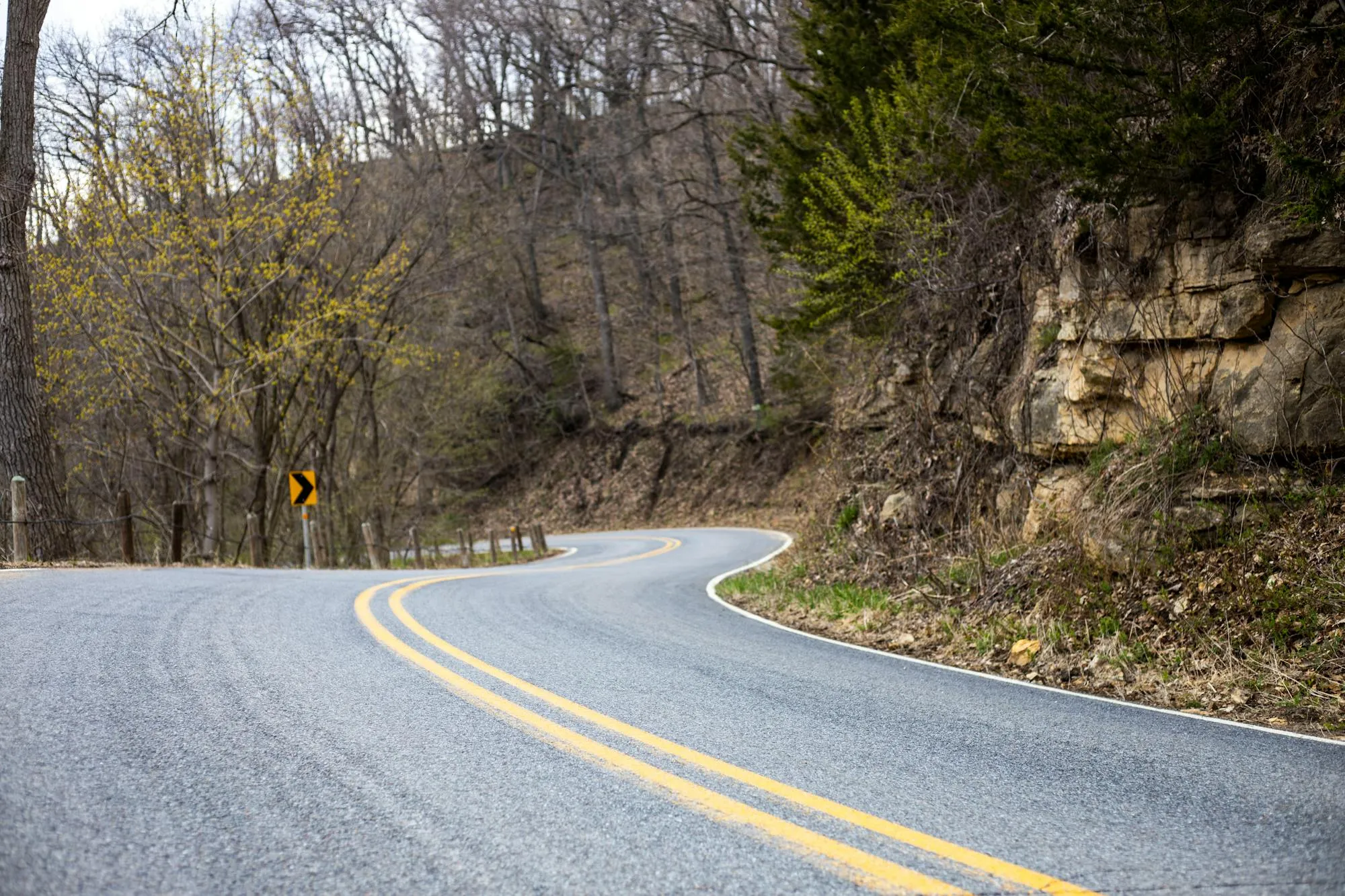
A winding two-lane asphalt road in the Appalachian mountains, photographed in dry daylight. Yellow double-center line markings guide through a series of tight left-hand curves. Dense deciduous and evergreen forest flanks both sides; a rock cut is visible on the right. The road surface and geometry suggest a technical, high-traffic riding corridor popular with motorcyclists.
Chris Flaten / Pexels

The Truth on the Street

What follows is not from a spec sheet. It comes from years of paddock talk, owner conversations at club nights, and the messages riders send in after living with this bike. The pattern for the ZX-10RR is consistent: riders rate the chassis and the engine highly, and they are equally blunt about what the bike asks of their body.

The chassis riders trust

The handling comes up first in almost every conversation. Riders describe feedback from the frame and suspension as razor-precise, telepathic even, with confidence holding from apex to exit. The inline-four earns the same consistency of praise: brutal acceleration above 10,000 rpm, but clean midrange pull that keeps it usable on the road as well as on track. Owners also point to the electronics working as one package, with cornering ABS, traction control, launch control and the quickshifter blending into the ride rather than interrupting it.

What your body pays for it

The gripes cluster around ergonomics. Riders consistently mention the committed forward lean, the firm seat, and a screen too low to keep highway wind off them, which makes distance work a chore. Taller riders report cramped knee and hip angles over longer sessions. A smaller number note that torque below 8,000 rpm is thin enough to keep them working the gearbox on the street, and some track riders find the stock rear shock short on damping range and swap it out.

Known issues

  • Engine backfire during quick shifting may damage air suction valves

    fuel system rare Recall

    On affected 2019-2020 ZX-10R and ZX-10RR models, high-load upshifts with the Kawasaki Quick Shifter (KQS) can cause engine backfire, blowing hot exhaust gas into the air suction valve and potentially causing surrounding part damage or fire. Kawasaki recall (NHTSA 20V307) re-programs the ECU and replaces valves.

  • Oil pressure relief valve assembly error (2020 models)

    engine occasional Recall

    Certain 2020 ZX-10RR (and other models) may have improperly assembled oil pressure relief valves, leading to oil pressure loss and potential engine seizure. Kawasaki recall 21V-593 replaces the valve.

The Expert Benchmark

Where this Kawasaki Ninja ZX-10RR pulls ahead of — or falls behind — its rivals on the numbers, and the typical bike in its class on character.

What kind of bike this is — character vs. the class

This bike Class average

The shape of the Kawasaki Ninja ZX-10RR — numbers and character vs. the average Supersport

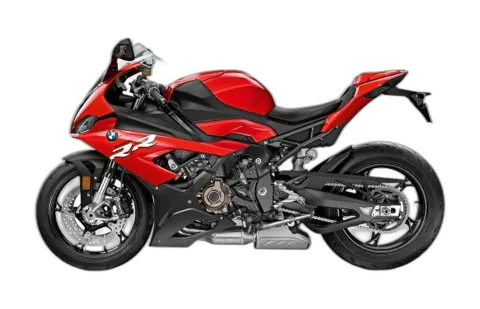
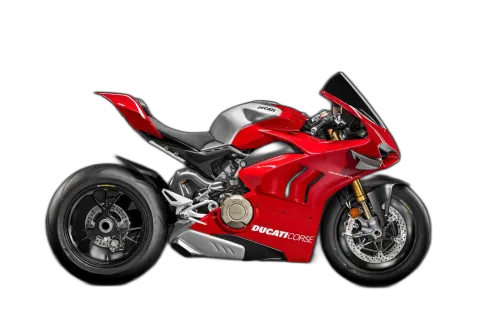
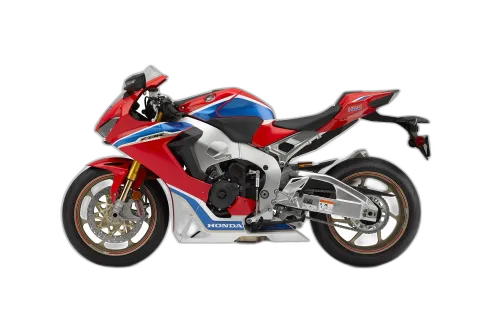
Head-to-head: Kawasaki Ninja ZX-10RR vs. its rivals

The Handshake Score

Forget spec-sheet bragging. Here's who the Ninja ZX-10RR is actually built for.

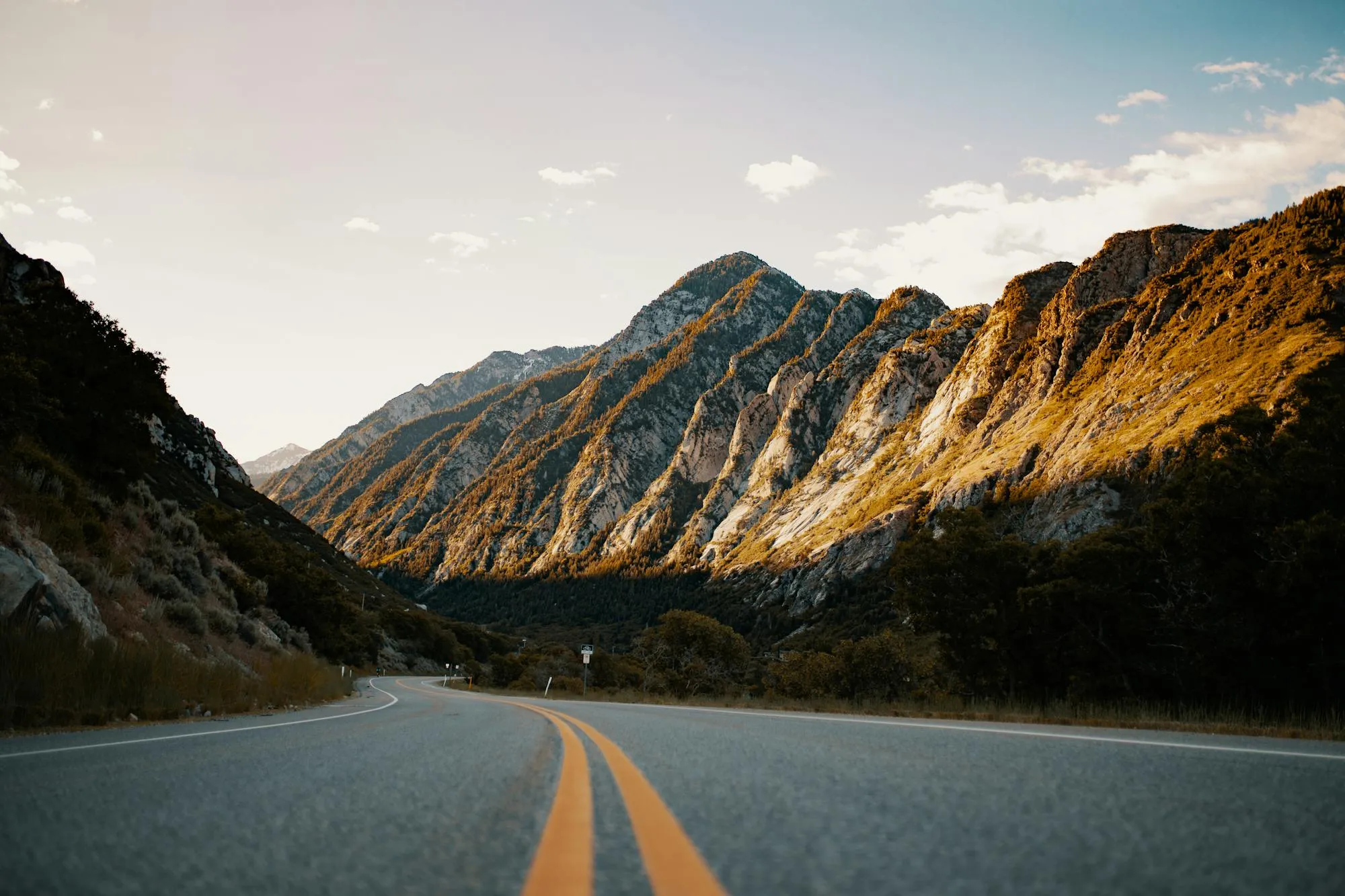
A scenic view of Angeles Crest Highway winding through rugged Southern California canyon terrain. Rocky mountainsides with golden earth tones frame the asphalt road with tight sweeping curves. Double yellow center line visible, sparse vegetation along the shoulders, clear blue sky with white clouds. Daylight, dry conditions. Iconic location for canyon-road enthusiasts.
Josh Sorenson / Pexels

Best motorcycle for Angeles Crest?

Angeles Crest suits this bike better than most, since the lean clearance and turn-in precision are exactly what tight canyon work asks for. The catch is the traffic getting there, which it hates.

Made for Angeles Crest Highway · Coronado Trail / US 191 · Highway 1 / Big Sur
Best motorcycle for Laguna Seca?

This is the bike's natural home. Race-derived internals, cornering ABS, launch control and Brembo M50 stoppers give you a machine that will stay ahead of your skill for a long time.

Made for Barber Motorsports Park · WeatherTech Raceway Laguna Seca · Circuit of the Americas

Best motorcycle for Tail of the Dragon?

It carves the Dragon beautifully, but the long ride in from Atlanta or Knoxville on these ergonomics is the price you pay. Great if the twisties justify the approach.

Made for Back of the Dragon · Blue Ridge Parkway · Cherohala Skyway

What's new versus the previous generation

If you're cross-shopping the older generation, here's what changed.

Kawasaki Ninja ZX-10RR (MY2017)

Previous generation · 2017–2018

Kawasaki Ninja ZX-10RR (MY2017)

Racing DNA, Instantly Accessible

Compare to the previous model →

Alternatives to the Kawasaki Ninja ZX-10RR

If this one isn't quite the fit, these are the bikes worth riding back-to-back against it.

Any price note compares both bikes at the same age — the youngest age both have on the used market — against this Kawasaki Ninja ZX-10RR. “cheaper/pricier” is what that bike costs second-hand, not how worn it is.