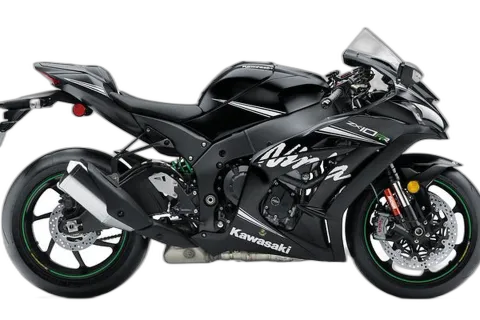
Kawasaki Ninja ZX-10RR (MY2017) — Supersport
Kawasaki Press

2017–2018 · Supersport · Buyer's Guide

Ninja ZX-10RR (MY2017)

Racing DNA, Instantly Accessible

The Machine's Character

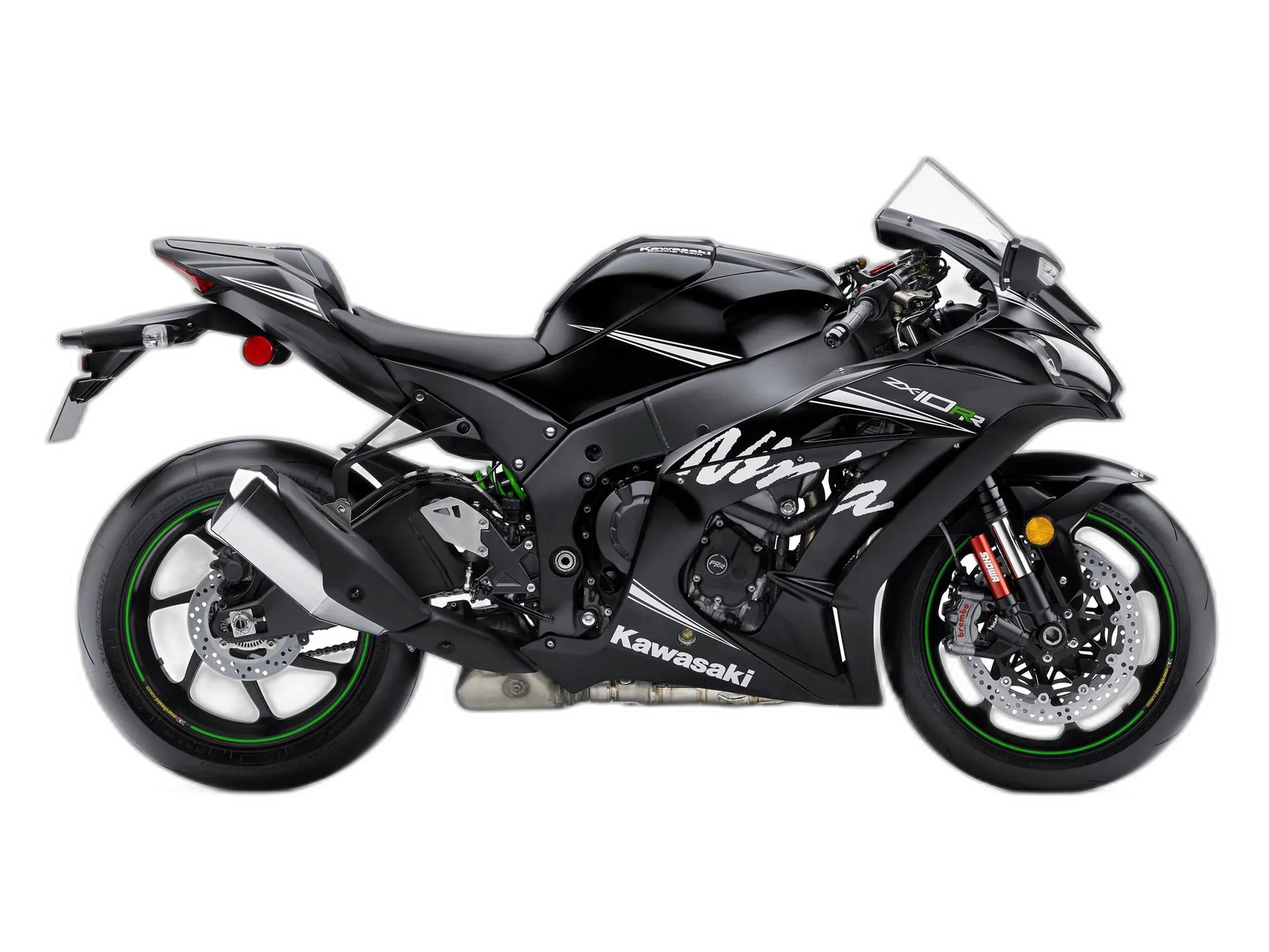
The ZX-10RR is the homologation-driven version of Kawasaki's superbike, built around a 998 cc inline-four making 200 hp at 13,000 rpm and 84 lb-ft at 11,500 rpm. Lightweight forged wheels and sharpened steering geometry give it a front end that goes exactly where you point it, and the rider-aid package behind it is complete: ABS, traction control, ride modes, wheelie control, launch control, quickshifter up and down, slipper clutch, steering damper, fully adjustable suspension at both ends. At 443 lb wet, it sits in the class as a race bike that happens to carry a license plate.

What separates this one from the usual top-shelf superbike story is how little it asks in return. It rides easier than its output suggests, and years of racing-driven refinement on the same base show up as a bike that feels finished rather than experimental. It suits an experienced rider with track ambitions and the patience to set a motorcycle up properly. The honest caveat: the last slice of what it can do sits behind a good dealer and a setup you commission yourself. Buy it, bolt on parts, and it runs fine. Getting all of it takes real motorsport know-how nearby.

Hard Numbers

Spec sheets don't ride bikes, but they set the baseline.

Show full specs & equipment Hide specs & equipment
Key specifications
Power 200 hp (147 kW) @ 13,000 rpm
Torque 84 lb-ft (114 Nm) @ 11,500 rpm
Displacement 998 cc
Engine Inline-four
Cooling Liquid-cooled
Gearbox 6-speed
Final drive Chain
Fork Upside-down (USD)
Front brake 330 mm
Front tire 120/70-17
Rear tire 190/55-17
Wheelbase 56.7 in (1440 mm)
Seat height 32.9 in (835 mm)
Wet weight 443 lb (201 kg)
Fuel capacity 4.5 gal (17 L)

Equipment check

Chassis

  • Front Suspension Adjustable Standard
  • Rear Suspension Adjustable Standard
  • Steering Damper Standard

Drivetrain

  • Quickshifter Standard
  • Slipper Clutch Standard

Safety

  • ABS Standard
  • Traction Control Standard
  • Ride Modes Standard
  • Wheelie Control Standard
  • Launch Control Standard

The Voice of Experience

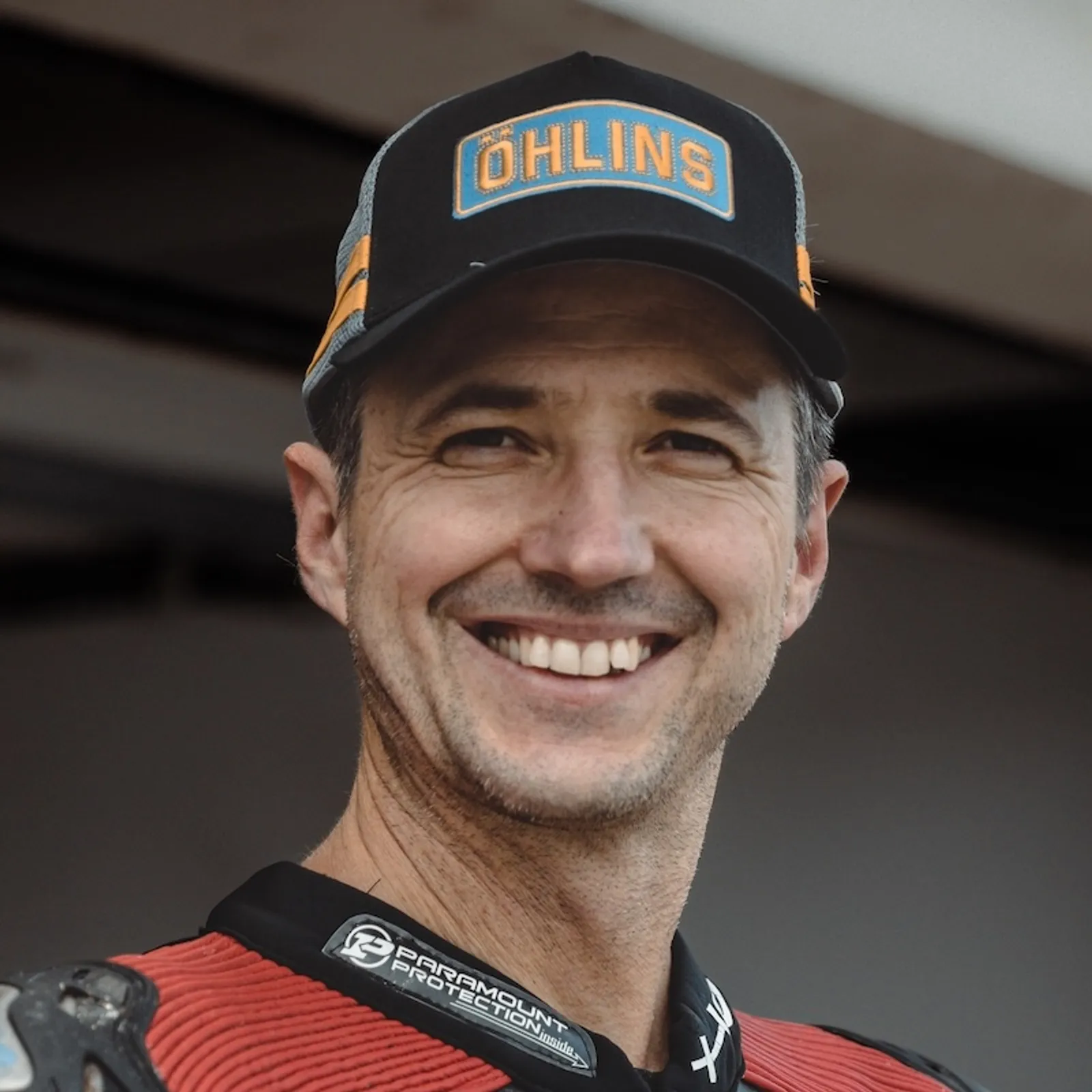
Portrait of NastyNils

The test ride

Sitting on it, the riding position is committed without being cruel. The 32.9-inch seat puts you over the tank with weight on your wrists, and the bars are low enough that you take the load through your core once you're moving. The inline-four is all hard edges above 8,000 rpm, a flat metallic wail that fills the helmet, and the vibration stays tight and busy rather than numbing. Body position matters here. Hang off properly and the bike settles into a rhythm with you; sit lazy and it lets you know. The quickshifter fires with a solid mechanical click in both directions, so your left foot does most of the work and your left hand mostly gets a rest. At normal road pace it's docile enough to be boring, which is exactly the point. It saves everything for when you finally ask.

Rated point by point — where it earns its keep

My own 0–100 score for this bike against the class, area by area — the marker on each bar is the class average.

This is where I'd put my money. Lean on the inside bar and the bike is already going in, committed, with nothing to argue with and no delay between the input and the result. It sets the line and stays on it without ever getting twitchy about the surface underneath. Corner entry costs almost nothing here, and I've ridden very few machines that turn this accurately while staying this calm about it.

I showed up at the track ready for hard work. What I got instead was a bike that goes fast while asking less of me than the one it replaced, and going fast on it is more accurate too. That combination is unusual at this end of the class, where the sharper machine is normally the one that drains you by lunchtime. The performance sits close to the surface on this one. I could reach it without emptying the tank.

What I keep coming back to is how honest the delivery is once the mapping is right and the restrictions are out of the way. It wants revs and rewards them with a clean climb to the top, no dead spots, nothing choked off along the way. The middle matters more to me than the headline, though. I rate an engine on what it does when the rider gets it slightly wrong, and this one still drives hard off a corner when the exit RPM isn't where it should be.

This platform arrived where it is in small steps instead of clean sheets. The race team kept building on the same base season after season, and that history is in the machine you take delivery of. Nothing on it reads as unfinished, and I couldn't find anything that looked like a problem somebody quietly pushed to the next model. Over a hard season of use, that kind of thoroughness earns more from me than any single headline feature.

The honest warning before you commit. Buy it, bolt on the catalog parts, and it will run fine. Fine is not what this motorcycle was built for. Everything it can genuinely do sits behind a proper setup, and that means a dealer with live motorsport ties and somebody in the workshop who has actually dialed one of these in. There's no factory customer racing structure standing behind you when your dealer can't offer that.

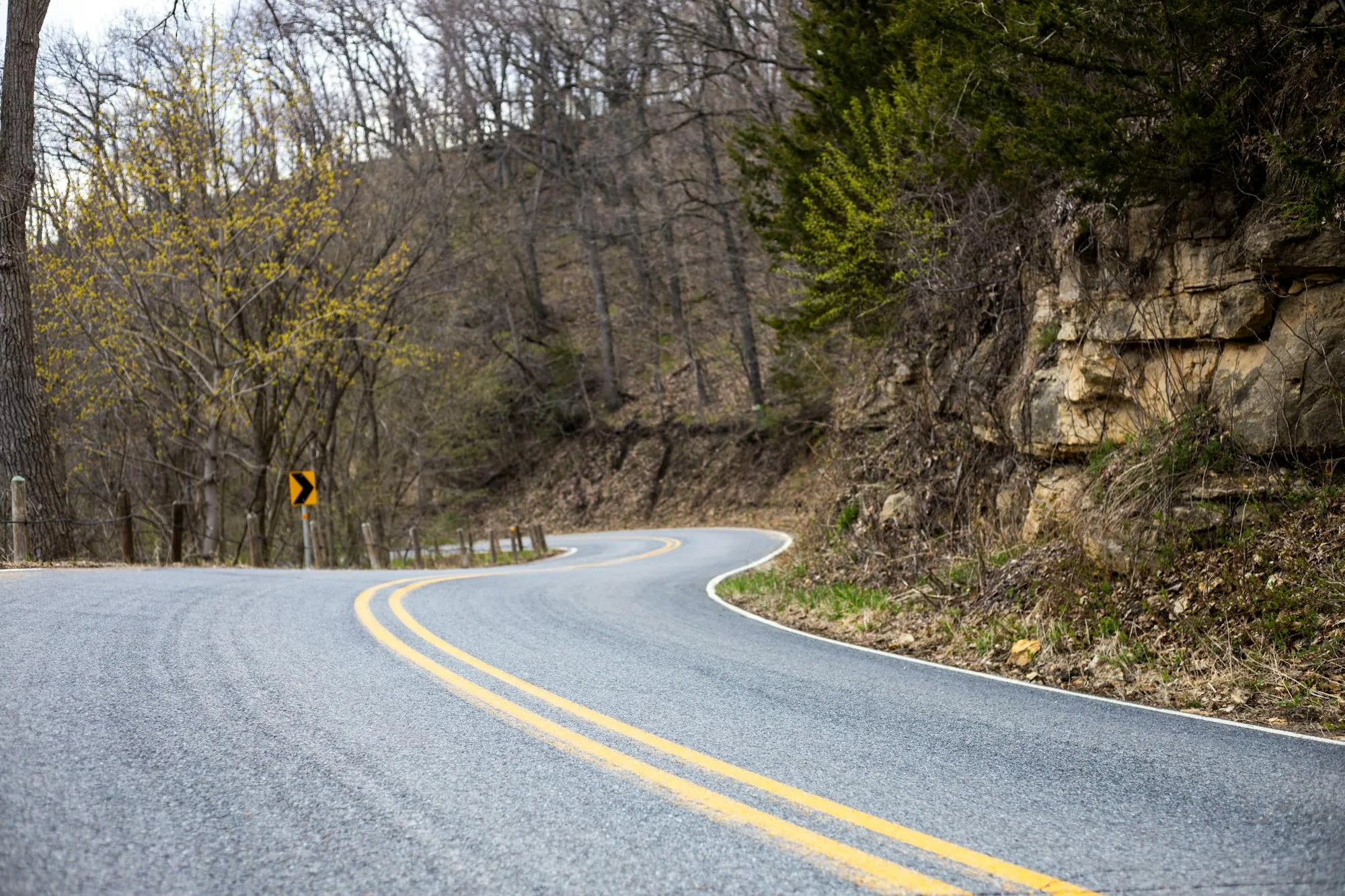
A winding two-lane asphalt road in the Appalachian mountains, photographed in dry daylight. Yellow double-center line markings guide through a series of tight left-hand curves. Dense deciduous and evergreen forest flanks both sides; a rock cut is visible on the right. The road surface and geometry suggest a technical, high-traffic riding corridor popular with motorcyclists.
Chris Flaten / Pexels

The Truth on the Street

This section isn't my own riding. It's what I've gathered over years of listening: pit-lane conversations at track days, owners at club evenings, and the mail that arrives from people living with one. On this ZX-10RR the accounts line up tightly. Riders describe a machine built around the circuit, and they are honest about the trade.

Where The Track Talk Lands

The first thing owners bring up is what the engine does at the top of the rev range. They describe an inline-four that keeps pulling the harder it spins, and they tie it to track work almost every time. Rider aids come up just as often, with launch control, slide control, and the electronic steering damper named directly. Brake feel and stopping power get steady credit, and the suspension and light magnesium wheels are praised for how precisely the bike handles at circuit pace.

The Trade Owners Talk About

The gripe that repeats most is the riding position. Owners call it cramped and aggressive, and any distance on the street is where it wears on them. A few point to what maintenance and race-spec consumables add up to over a year of ownership, and a few more say the motor wants revs before it gives much back on public roads.

Known issues

  • Transmission gear failure (recall)

    drivetrain rare Recall

    The 2nd, 3rd, and 4th output gears may break under high-impact force during aggressive shifting, potentially locking the rear wheel. Kawasaki recalled 2016-2018 ZX-10R and ZX-10RR models to replace the faulty gears.

  • Inadequate rear shock damping

    suspension occasional

    The stock Showa rear shock lacks usable damping range, resulting in poor stability on bumpy surfaces and limiting track performance without an aftermarket upgrade.

The Expert Benchmark

Where this Kawasaki Ninja ZX-10RR pulls ahead of — or falls behind — its rivals on the numbers, and the typical bike in its class on character.

What kind of bike this is — character vs. the class

This bike Class average

The shape of the Kawasaki Ninja ZX-10RR — numbers and character vs. the average Supersport

Head-to-head: Kawasaki Ninja ZX-10RR vs. its rivals

The Handshake Score

Forget spec-sheet bragging. Here's who the Ninja ZX-10RR is actually built for.

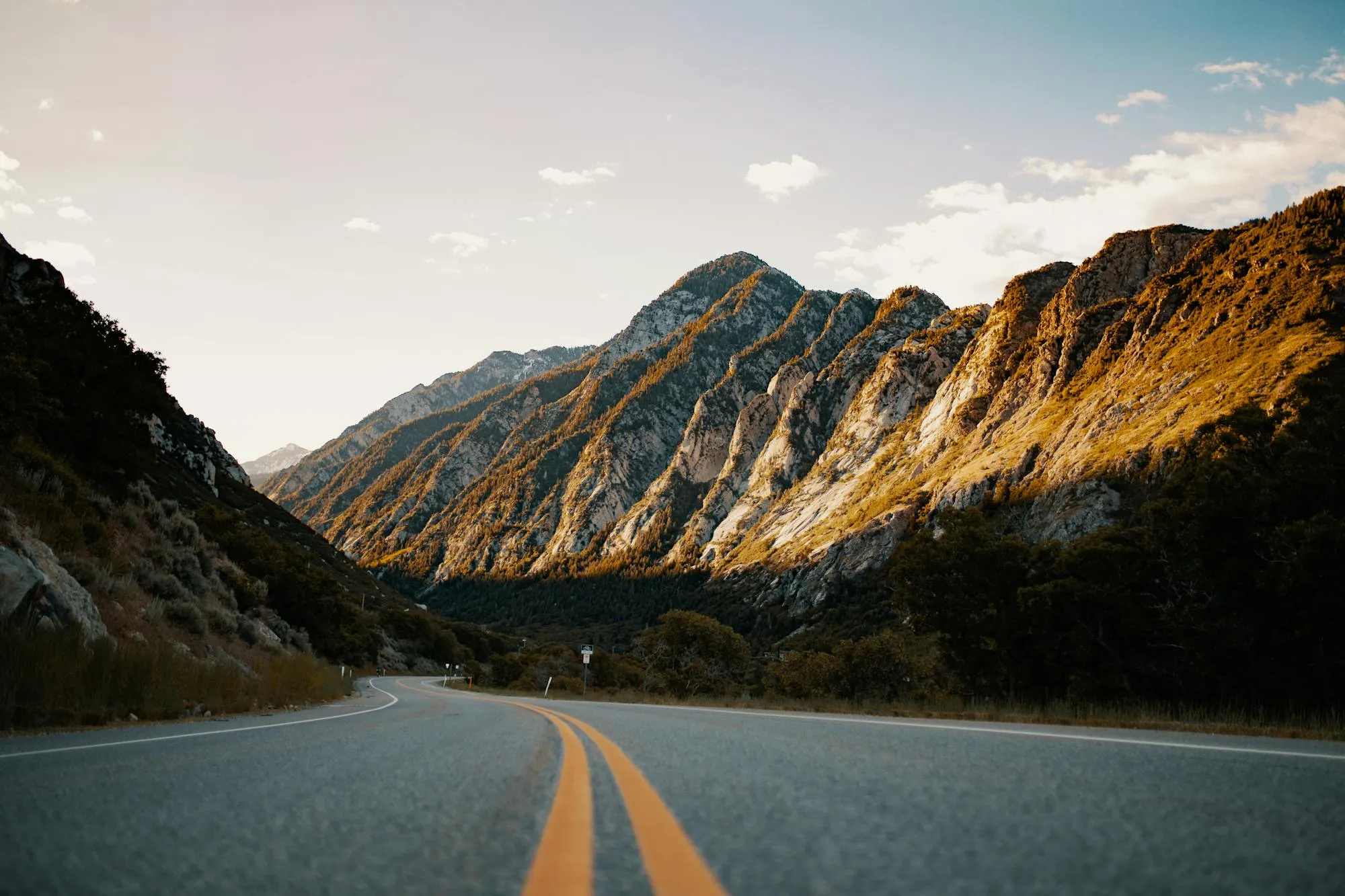
A scenic view of Angeles Crest Highway winding through rugged Southern California canyon terrain. Rocky mountainsides with golden earth tones frame the asphalt road with tight sweeping curves. Double yellow center line visible, sparse vegetation along the shoulders, clear blue sky with white clouds. Daylight, dry conditions. Iconic location for canyon-road enthusiasts.
Josh Sorenson / Pexels

Best motorcycle for Angeles Crest?

On a clean canyon road it's superb, sharp on turn-in and stable when you push. Just know you'll only ever touch a fraction of it between LA traffic and a posted speed limit.

Made for Angeles Crest Highway · Coronado Trail / US 191 · Highway 1 / Big Sur
Best motorcycle for Laguna Seca?

This is your bike. Front-end precision, lean clearance you cannot use up, and electronics that help instead of nagging. Budget for a rear shock before you chase your best lap.

Made for Barber Motorsports Park · WeatherTech Raceway Laguna Seca · Circuit of the Americas

Best motorcycle for Tail of the Dragon?

It rewards good technique on tight East Coast roads and turns in the moment you ask. The rough pavement is the catch: the stock rear shock gets unsettled where the surface breaks up.

Made for Back of the Dragon · Blue Ridge Parkway · Cherohala Skyway

Alternatives to the Kawasaki Ninja ZX-10RR

If this one isn't quite the fit, these are the bikes worth riding back-to-back against it.

Any price note compares both bikes at the same age — the youngest age both have on the used market — against this Kawasaki Ninja ZX-10RR. “cheaper/pricier” is what that bike costs second-hand, not how worn it is.