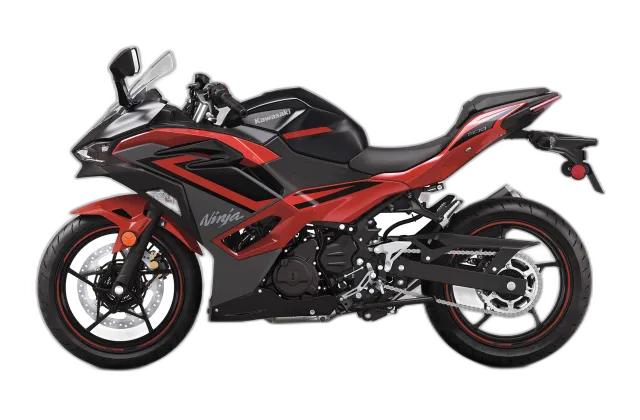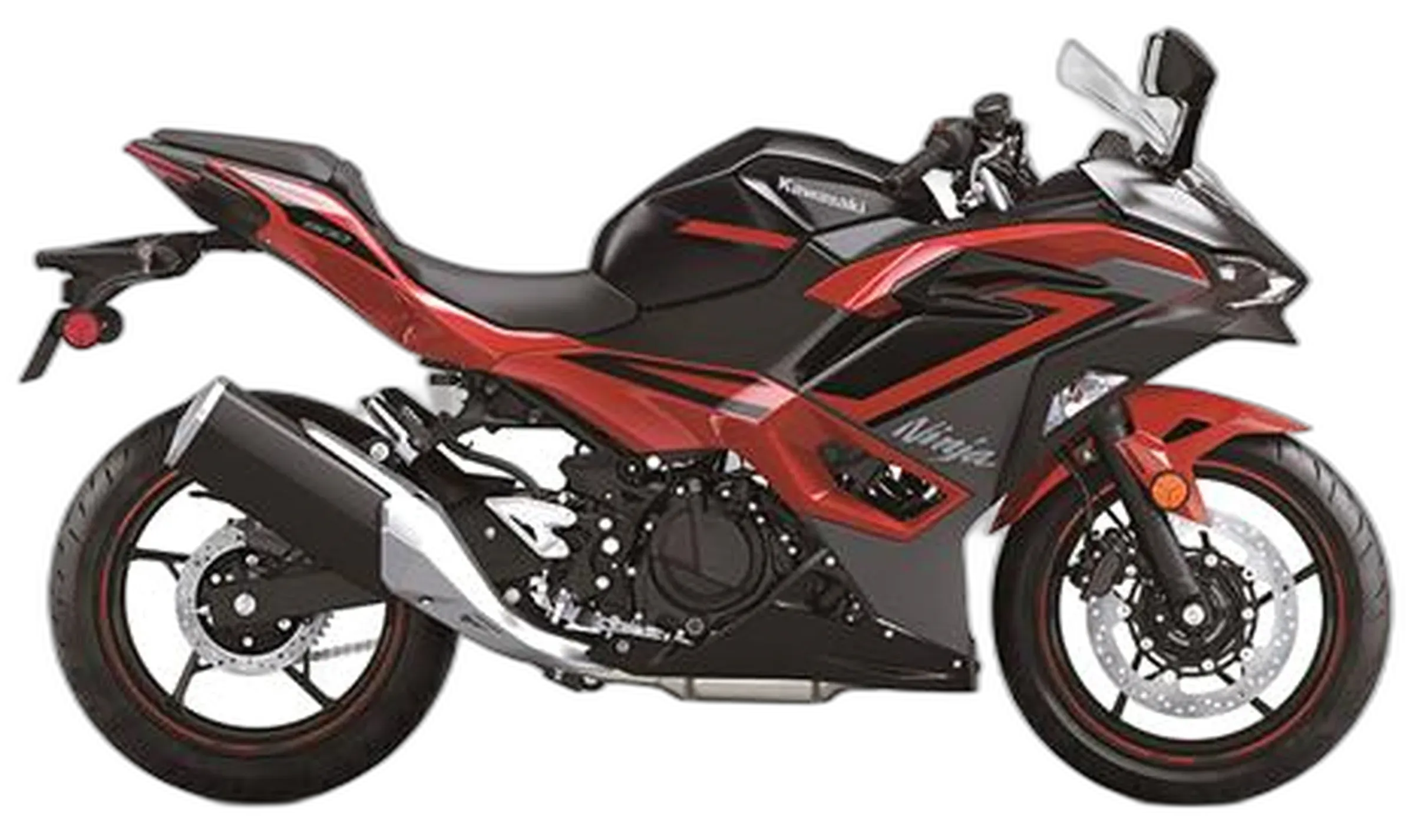

Kawasaki Ninja 500 (MY2024-SE) — Supersport
Kawasaki Press

2024 · Supersport · A variant of the Ninja 500

Ninja 500 SE (MY2024-SE)

Differences between the standard Ninja 500 and the SE

3.5 / 5 NastyNils Rating · against its class

Light, Honest, Ready To Ride

The Machine's Character

The Ninja 500 SE is Kawasaki's entry-level full-fairing sportbike in its premium special-edition trim. Its 451 cc liquid-cooled parallel twin makes 52 hp at 10,000 rpm and 32 lb-ft at 7,500 rpm. It sits in a steel trellis frame and drives through a 6-speed gearbox and chain. At 379 lb (172 kg) wet with a 30.9 in (785 mm) seat, it's sized to be manageable rather than intimidating. The SE adds a TFT display and a keyless system to the standard bike's ABS, slipper clutch, smartphone connectivity and LED headlight. Rider aids stop at ABS. That's the recipe: light, simple, honest.

On paper, everything here points to usable performance rather than headline numbers. Peak torque comes in at 7,500 rpm, the 54.1 in (1375 mm) wheelbase is compact, and the 17-inch tires (110/70 front, 150/60 rear) suit quick direction changes. Setup stays simple: a non-adjustable telescopic fork and a rear shock with preload adjustment. Add 62 mpg (US) from a 3.7 gal (14 L) tank and modest running costs, and you've got a sportbike built for back roads and the daily commute. It points to a rider stepping up to a first real sportbike, or coming back after a break, who wants Kawasaki's proven formula without the fuss. Smart call.

Hard Numbers

Spec sheets don't ride bikes, but they set the baseline.

Show full specs & equipment Hide specs & equipment
Key specifications
Power 52 hp (38 kW) @ 10,000 rpm
Torque 32 lb-ft (43 Nm) @ 7,500 rpm
Displacement 451 cc
Engine Parallel twin
Cooling Liquid-cooled
Gearbox 6-speed
Final drive Chain
Fork Telescopic
Front tire 110/70-17
Rear tire 150/60-17
Wheelbase 54.1 in (1375 mm)
Seat height 30.9 in (785 mm)
Wet weight 379 lb (172 kg)
Fuel capacity 3.7 gal (14 L)
Fuel economy 62 mpg (US)

Equipment check

Chassis

  • Rear Suspension Adjustable Standard

Connectivity

  • TFT Display Standard
  • Smartphone Connectivity Standard

Drivetrain

  • Slipper Clutch Standard

Lighting

  • LED Headlight Standard

Safety

  • ABS Standard

What the Ninja 500 SE Adds — Differences vs the Standard Ninja 500

The Ninja 500 SE (MY2024-SE) builds on the standard Ninja 500: the upgraded hardware, the key spec changes and where its character shifts. The full ride, specs, scoring and verdict are all right here on this page.

Equipment the SE adds vs the standard Ninja 500

Now standard
Keyless System

Premium hardware the SE brings

  • Display TFT Display A full-colour TFT instrument display in place of the standard's simpler dash.

How the SE shifts the character

Where the SE does more
  • A richer, more connected tech suite
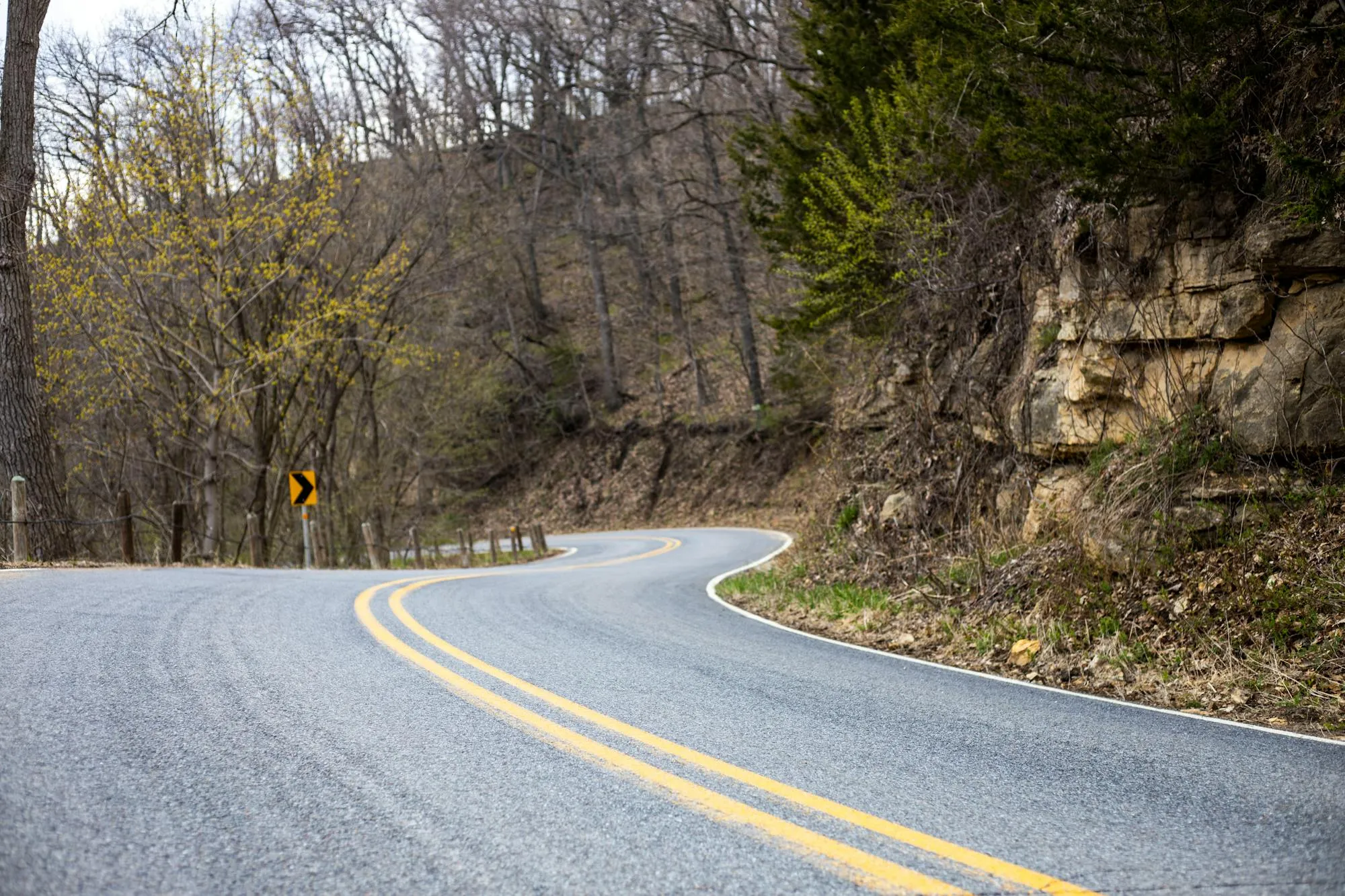
A winding two-lane asphalt road in the Appalachian mountains, photographed in dry daylight. Yellow double-center line markings guide through a series of tight left-hand curves. Dense deciduous and evergreen forest flanks both sides; a rock cut is visible on the right. The road surface and geometry suggest a technical, high-traffic riding corridor popular with motorcyclists.
Chris Flaten / Pexels

The Truth on the Street

I've spent years listening to riders: in the paddock, at club nights, in owner chats, and in the emails and messages that land in my inbox. For the Ninja 500 the picture is consistent. Riders praise how manageable it is, how well it stops and how comfortable it stays, while the complaints center on a fork you can't tune and a character some find too tame.

Nimble from parking lot to corner

The most common praise is about how little effort the bike takes. Owners describe it as nimble at walking speed, and they say it gives them confidence in tight low-speed turns and when parking. The same lightness carries over once the road starts to bend: riders call the handling composed, agile and flickable, in the city as much as on a curvy road. The twin gets similar comments. Riders say it pulls cleanly from low rpm with usable torque, which newer riders find unintimidating and experienced ones still find engaging. That comes up again and again.

Strong brakes, a seat that lasts

Brake feel is a recurring theme. Riders talk about a strong initial bite at the front, a lever that tells you what's going on, and feedback that stays consistent. Comfort gets regular mentions too: the seat is described as well padded for long days, and the riding position as a balance of sporty and upright that suits a wide range of body sizes. Few complaints here.

Where riders want more

The recurring gripe concerns the fork. With nothing to adjust, heavier riders and those who'd like a firmer set-up say they can't tailor the front end to themselves. A smaller group finds the bike competent but subdued: the engine character and exhaust note don't stir them, and the experience comes across as clinical. Some owners mention a harsh ride over potholes and broken pavement. A few add that the engine signs off early up top, which makes it feel more like a touring companion than a track tool. Honest feedback!

Known issues

  • Clutch release shaft weld failure (recall MC25‑04)

    drivetrain rare Recall

    Improper welding between the clutch release shaft and lever can cause the lever to break, making clutch disengagement impossible. Affects units produced January 22 – February 6, 2024. Dealers replace the shaft free of charge.

  • Intermittent starting problems

    electrics rare

    One owner reported occasional failure to start, requiring a short wait before the engine catches. Cause unknown; not widely reported.

The Expert Benchmark

Where this Kawasaki Ninja 500 pulls ahead of — or falls behind — its rivals on the numbers, and the typical bike in its class on character.

What kind of bike this is — character vs. the class

This bike Class average

The shape of the Kawasaki Ninja 500 — numbers and character vs. the average Supersport

Head-to-head: Kawasaki Ninja 500 vs. its rivals

The Handshake Score

Forget spec-sheet bragging. Here's who the Ninja 500 is actually built for.

A scenic view of Angeles Crest Highway winding through rugged Southern California canyon terrain. Rocky mountainsides with golden earth tones frame the asphalt road with tight sweeping curves. Double yellow center line visible, sparse vegetation along the shoulders, clear blue sky with white clouds. Daylight, dry conditions. Iconic location for canyon-road enthusiasts.
Josh Sorenson / Pexels

Best motorcycle for Angeles Crest?

If you care more about precision than horsepower, this is the best fit of the three: light, lean-friendly hardware and 52 hp you can actually use on the canyon roads above LA.

Made for Angeles Crest Highway · Coronado Trail / US 191 · Highway 1 / Big Sur
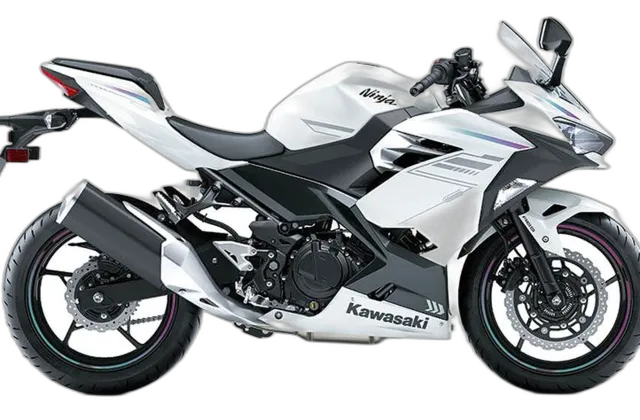
Best motorcycle for Tail of the Dragon?

Skill over speed is exactly the job a 379 lb, 451 cc twin is built for. On paper it's a strong fit for repeat days on tight Appalachian switchbacks.

Made for Tail of the Dragon · Back of the Dragon · Blue Ridge Parkway

Best motorcycle for Texas Hill Country?

A solid fit for Hill Country weekends. 62 mpg (US) and modest running costs keep the road trips cheap, and the light chassis is built for twisty back roads.

Made for Austin / Texas Hill Country · Texas Hill Country BDR-X · Twisted Sisters

What's new versus the previous generation

If you're cross-shopping the older generation, here's what changed.

Kawasaki Ninja 400 (MY2018)

Previous generation · 2018–2024

Kawasaki Ninja 400 (MY2018)

Light Weight, Sharp Lines

Compare to the previous model →