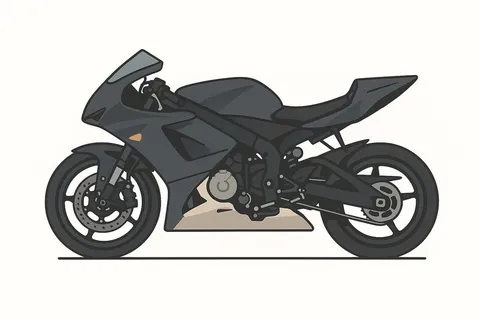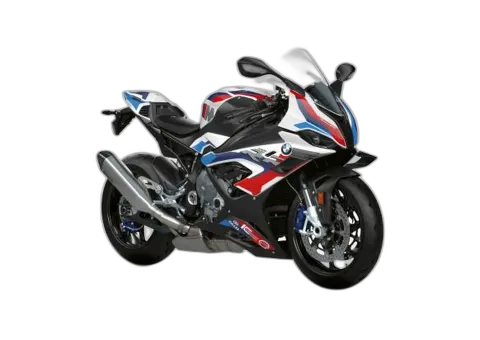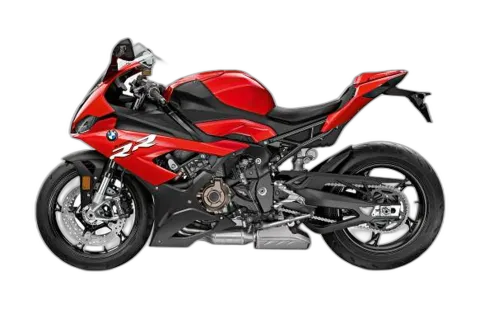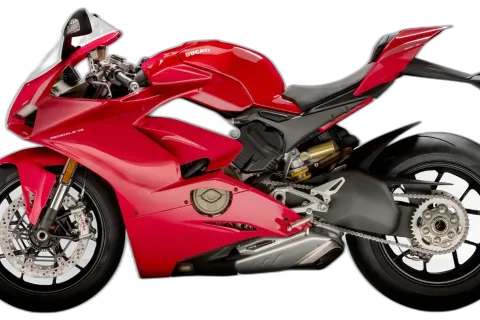

·

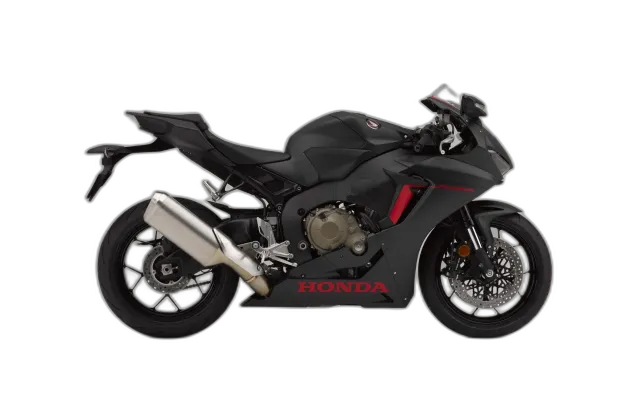
Honda CBR1000RR-R Fireblade (SC82-SP) — Supersport
NastyNils / Honda press archive

2020 · Supersport · A variant of the CBR1000RR-R Fireblade

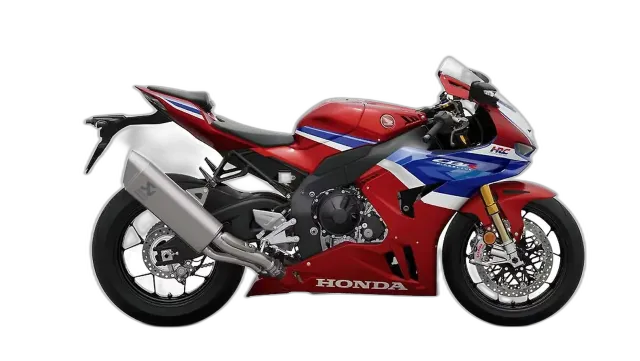
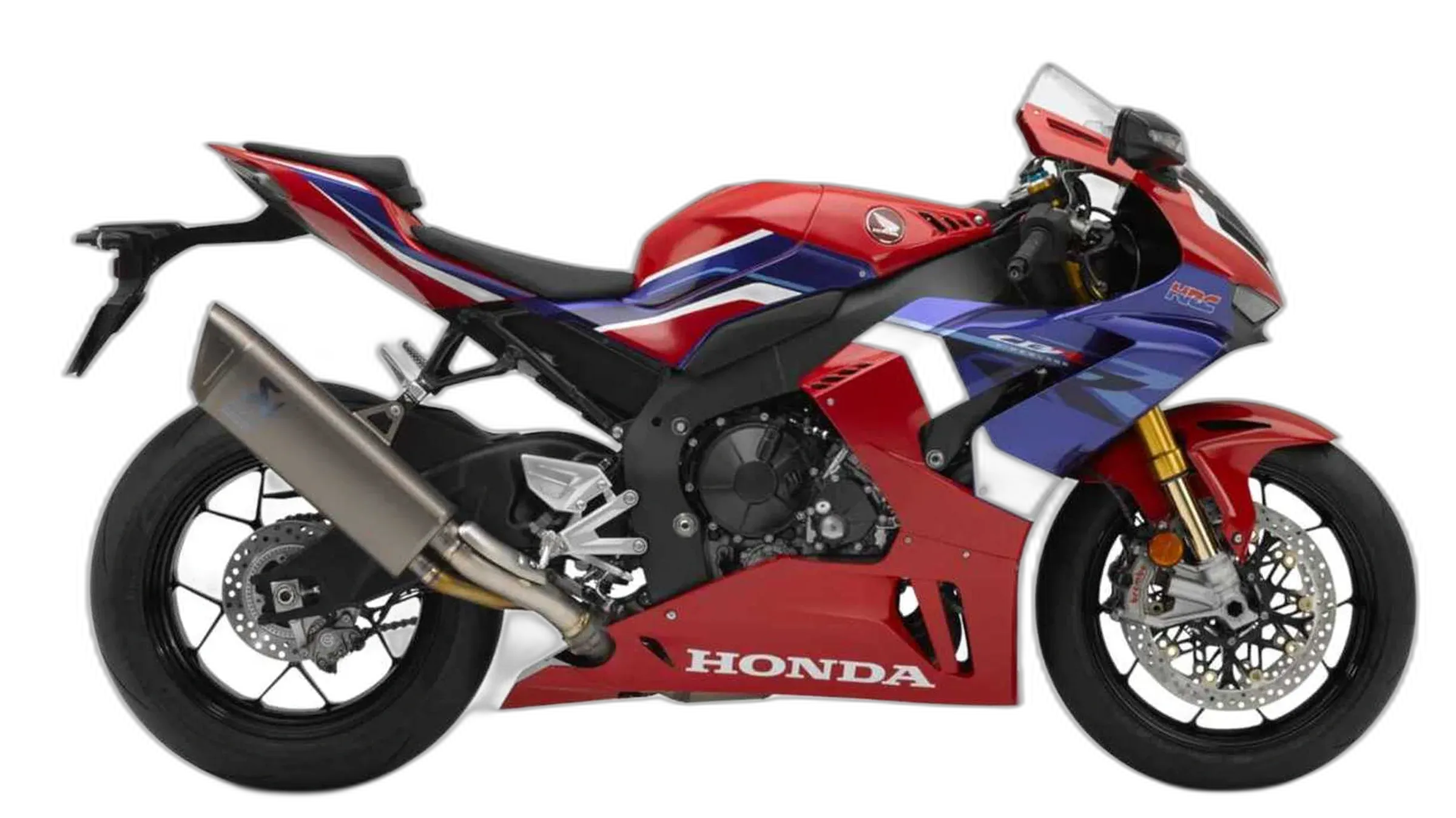
CBR1000RR-R Fireblade SP (SC82-SP)

Differences between the standard CBR1000RR-R Fireblade and the SP

Savage Top-End, Surgical Chassis

The Machine's Character

This is Honda's no-compromise take on the liter-class supersport, and the SP trim doesn't soften it. The inline-four carries the same 81 mm bore and short 48.5 mm stroke geometry as Honda's MotoGP machine, makes 217 hp at a screaming 14,500 rpm, and lives almost entirely in its top end. HRC developed the chassis, the winglets aren't decoration, and the SP layers Öhlins SmartEC3 electronic suspension, a keyless system, and an up/down quickshifter on top of the standard bike's already deep electronics. It's a homologation special wearing streetbike plates.

On track it flatters you. The electronics are sophisticated enough to hold the bike together in situations that would punish a less developed machine, which is why experienced track riders and canyon regulars get along with it. Ownership asks for diligence, though. The valve-clearance inspection interval is short by liter-class standards, and several safety recalls landed on early units, so check the history before you buy. The honest caveat is its focus: tall stock gearing and a soft low-rpm exit mean this bike was built for speed you mostly find on a circuit, not a morning commute.

Hard Numbers

Spec sheets don't ride bikes, but they set the baseline.

Show full specs & equipment Hide specs & equipment
Key specifications
Power 217 hp (160 kW) @ 14,500 rpm
Torque 83 lb-ft (113 Nm) @ 12,500 rpm
Displacement 1000 cc
Engine Inline-four
Bore × stroke 81 × 48.5 mm
Compression 13.4:1
Cooling Liquid-cooled
Fuel system Fuel injection
Gearbox 6-speed
Final drive Chain
Frame Aluminum twin-spar
Fork Upside-down (USD)
Front brake 330 mm
Rear brake 220 mm
Front tire 120/70 ZR17
Rear tire 200/55 ZR17
Wheelbase 57.3 in (1455 mm)
Seat height 32.7 in (830 mm)
Wet weight 443 lb (201 kg)
Fuel capacity 4.3 gal (16.1 L)
Fuel economy 35 mpg (US)

Equipment check

Chassis

  • Front Suspension Adjustable Standard
  • Rear Suspension Adjustable Standard
  • Steering Damper Standard

Connectivity

  • TFT Display Standard

Drivetrain

  • Quickshifter Standard
  • Slipper Clutch Standard

Lighting

  • LED Headlight Standard

Safety

  • ABS Standard
  • Cornering ABS Standard
  • Traction Control Standard
  • Ride Modes Standard
  • Wheelie Control Standard
  • Launch Control Standard

Signature Tech

The named systems that set this bike apart — and what each one does for you.

Suspension

  • Öhlins SmartEC3Standard
    • Realtime road adaptation
    • Brake dive control
    • Acceleration stability
    • Wider usable range

The Voice of Experience

Portrait of NastyNils

The test ride

Swing a leg over and the first surprise is space. For something this aggressive sitting in the paddock, the cockpit gives you room to move. Your knees and arms fall naturally over the tank, and even a taller rider doesn't get folded into the fairing. The knee angle is tight, no way around that, but a full day of sessions never turned it into a problem. The motor sounds genuinely good as it climbs through the range, and the build quality is the kind you feel in every control. The one place the ergonomics let me down came hard on the brakes from very high speed, where my thighs couldn't find quite enough purchase on the tank to brace against. Everywhere else the freedom of movement in the saddle is excellent, and the bike feels planted and unhurried at real road pace.

What the CBR1000RR-R Fireblade SP Adds — Differences vs the Standard CBR1000RR-R Fireblade

The CBR1000RR-R Fireblade SP (SC82-SP) builds on the standard CBR1000RR-R Fireblade: the upgraded hardware, the key spec changes and where its character shifts. The full ride, specs, scoring and verdict are all right here on this page.

Equipment the SP adds vs the standard CBR1000RR-R Fireblade

Added
Electronic SuspensionKeyless System
Now standard
Quickshifter DownQuickshifter Up

Premium hardware the SP brings

  • Chassis & suspension Öhlins SmartEC3 semi-active suspension The SP-only Öhlins NPX front fork and TTX36 rear shock with third-generation electronic control (SmartEC3) deliver a wider window between road compliance and circuit-grade support than the standard model's Showa setup.
  • Brakes Brembo Stylema front braking package Paired with 330 mm discs and a Bosch IMU governing cornering ABS, the Brembo Stylema 4-piston monobloc calipers deliver consistent, fade-resistant track-day stopping unique to the SP.

How the SP shifts the character

Where the SP does more
  • More suspension adjustment to dial in

Rated point by point — where it earns its keep

My own 0–100 score for this bike against the class, area by area — the marker on each bar is the class average.

The chassis is what I keep coming back to. Get hard on the brakes into a corner and it refuses to fidget, settling down and tracking straight where lighter-feeling liter bikes start to dance around. It also lets me get away with dragging first gear deep into a turn, which normally buys a nervous entry and a snappy exit; the blend of mapping, clutch behavior, and rider aids keeps the line tidy and lets me roll on cleanly with the safety net right there. I ran the suspension in manual and active on the same laps. Manual spoke to my hands more clearly through the front and felt natural, but it didn't make me quicker, because active holds dead-straight stability and still darts through a chicane at the same time, something no fixed setup manages. The adjustment range sealed it: a couple of clicks of rear stiffness erased a stubborn run-wide on exit, a couple more sharpened turn-in, and every change landed the instant I asked for it.

What sticks with me is how forgiving the package is when the rider isn't at his best. I watched people at the session carve genuinely scruffy lines, well off where they belonged, and lean hard on the aids to dig themselves back out, and not one of them went down. It's striking what kind of trouble you can get into on this thing and still ride home in one piece. On something with cruder electronics a handful of those would have been crashes; this setup quietly cleans up after you and buys back room you frankly haven't earned.

Brembo's Stylema calipers are beyond reproach on a production machine. Across back-to-back afternoon runs at full race pace I never once worried about them; there was no fade and no drama, just consistent power lap after lap. Where I'd quibble is the lever itself. The bite point comes up mushier than my preference, so the hard, defined grab I want under my fingers isn't fully there. That's down to personal feel more than any real shortcoming, so squeeze it through a few committed stops yourself before you commit.

The character here lives at the top of the tach. Hold a gear and let it wind out, and the rush near the ceiling recalibrates your sense of speed on even a short stretch of road. What impressed me more than the outright punch was the polish around it. Traction control in Sport on its safe setting works without telegraphing itself, so drive off the apex stays seamless, no jolt and no cut. The wheelie logic now reads chassis attitude through the full IMU instead of leaning on wheel-speed math, so it feeds grip back to the rear and allows a small, managed lift rather than yanking the power. Fueling, a sore point on earlier versions, is clean to meter from anywhere in the range now, and the engine-brake settings give real latitude over how the bike loads on entry. The honest catch sits down low, where picking the throttle up beneath the powerband leaves the drive feeling hollow.

For a bike that looks this hostile sitting in the paddock, there's genuine room to work once you're aboard. My arms and knees fall into natural spots over the tank, and even larger riders don't get crammed into the bodywork the styling threatens. The bend at the knee stays sharp and never fully relaxes, yet a full day of back-to-back sessions never turned it into a real complaint. The one place the seating let me down came while hauling down from very high speed, where my legs couldn't get quite enough bite against the tank to brace properly.

Day to day the real catch is the gearing, set unusually tall to clear Euro 5. On the fast, open Qatar circuit I left sixth alone entirely and barely touched fifth, which tells you how short the stock ratios would come up anywhere genuinely tight. Racers chasing a number will fit a different sprocket and forget about it, and riders sticking to the road likely won't notice at all. Out of the crate, though, for tight track days it's a true limitation rather than a footnote.

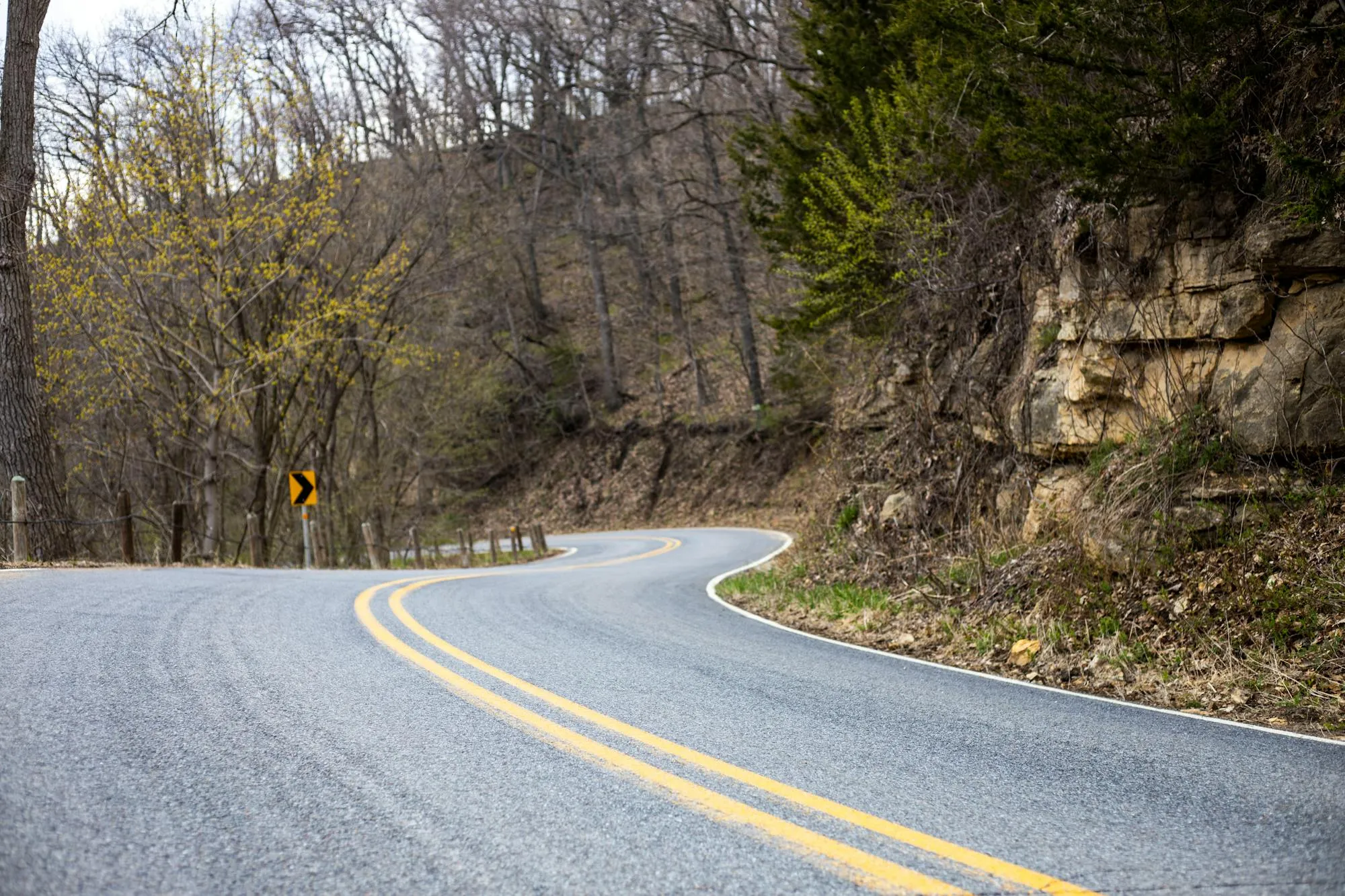
A winding two-lane asphalt road in the Appalachian mountains, photographed in dry daylight. Yellow double-center line markings guide through a series of tight left-hand curves. Dense deciduous and evergreen forest flanks both sides; a rock cut is visible on the right. The road surface and geometry suggest a technical, high-traffic riding corridor popular with motorcyclists. No motorcycle, no person visible.
Chris Flaten / Pexels

The Truth on the Street

None of this is my own riding impression; that part lives elsewhere. This is the read I've assembled over years of listening: the back-and-forth under the videos, the forum threads I follow closely, riders I get talking with at events, and the email and messages owners send me directly. Pulled together, the verdict on this Fireblade holds steady. The hardware and the handling earn near-universal respect, while almost every complaint shows up the moment you ride it somewhere other than a track.

What owners rate highest

The suspension and chassis lead what owners single out for praise. On the SP, the semi-active Öhlins gets the strongest words for staying plush over rough pavement while still holding the bike up as the pace rises, a range riders say the standard model's Showa setup can't reach. They credit the HRC-developed frame and its winglets for staying planted at high speed, and they rate how much the front tells them the harder they push it. Its change of direction earns its own admirers, sharper and cleaner than they expect from a liter machine. Braking holds up on both trims: the Brembos on the SP stay consistent through repeated hard laps with no fade, and the Nissin calipers on the standard bike still earn respect for lever feel. Riders call the fitted electronics track-ready as delivered, and the fit and finish give high-mileage owners real confidence.

Where the engine splits the room

The engine is where the community divides. Wind it out and it delivers the ferocious top-end the bike is known for, which owners rank among the hardest-hitting motors they've ridden on a circuit. Below that, the picture inverts. Because the power all lives high in the range, riders report a flat, thin feel through the low and middle revs, with the engine wanting plenty of rpm before it comes alive. They keep returning to the same point: rivals that make their grunt lower down are easier to use away from the redline.

Where it wears you down off-track

Turn to the complaints and they gather the moment the bike leaves the circuit. The riding position draws the sharpest and most common objection: the low clip-ons and high pegs fold the body into a posture that nags on a commute and turns genuinely painful over a long day. Riders on the standard model say the same about its Showa setup, which they find harsh and unyielding at normal road speeds, sending every bump straight through. In stop-and-go traffic, the warmth that gathers around the rider's legs becomes a common note. For anyone eyeing distance riding, the equipment simply isn't fitted: no cruise control, no provision for luggage, and no factory navigation, features that have become normal elsewhere in the segment. A handful also point out that the base version asks top money yet skips the electronic suspension certain rivals fit at the same price.

Known issues

  • Connecting rod bolt inspection campaign on early MY2020 units

    enginerareRecall

    Honda issued a service action in select markets for early MY2020 SC82 production units, calling vehicles in for connecting rod bolt inspection and replacement to prevent potential engine failure. The action applies to both Standard and SP variants in affected batches.

  • Quickshifter inconsistency at low rpm

    drivetrainoccasional

    Riders report that the standard-fit bidirectional quickshifter can feel clunky or refuse clean shifts at low engine speeds (below roughly 4,000 rpm), normalising as revs build into the bike's intended operating range.

  • Tight valve-clearance inspection interval

    enginecommon

    Honda specifies a 24,000 km valve-clearance inspection interval, considered short by litre-class standards and a notable cost factor across the ownership period given the dual-overhead-cam 16-valve head's access complexity.

  • Oil cooler pipe melting (recall KN3 / 22V-061)

    coolingrareRecall

    Under certain conditions (e.g., following a vehicle, low airflow), the exhaust pipe heat can melt the oil cooler hose, leading to oil leaks. This poses a fire risk and can cause loss of control.

  • Rear cushion connecting plate recall (21V-249)

    suspensionrareRecall

    The rear cushion connecting plate may have been incorrectly installed, potentially causing rear suspension instability. Affected units were recalled for inspection and correction.

The Expert Benchmark

Where this Honda CBR1000RR-R Fireblade pulls ahead of — or falls behind — its rivals on the numbers, and the typical bike in its class on character.

What kind of bike this is — character vs. the class

This bike Class average

The shape of the Honda CBR1000RR-R Fireblade — numbers and character vs. the average Supersport

Head-to-head: Honda CBR1000RR-R Fireblade vs. its rivals

The Handshake Score

Forget spec-sheet bragging. Here's who the CBR1000RR-R Fireblade is actually built for.

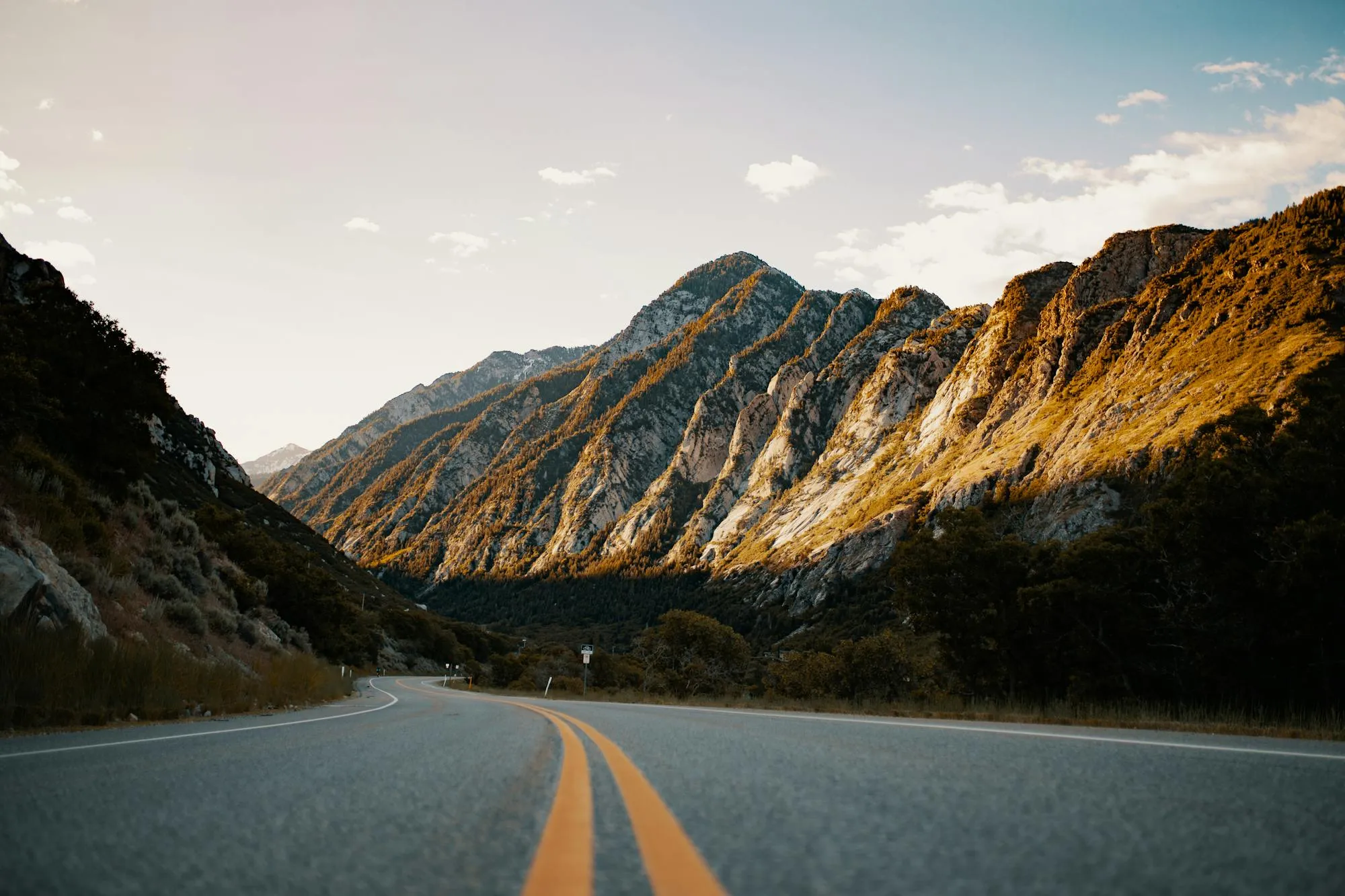
A scenic view of Angeles Crest Highway winding through rugged Southern California canyon terrain. Rocky mountainsides with golden earth tones frame the asphalt road with tight sweeping curves. Double yellow center line visible, sparse vegetation along the shoulders, clear blue sky with white clouds. Daylight, dry conditions. No motorcycle or rider visible. Iconic location for canyon-road enthusiasts.
Josh Sorenson / Pexels

Best motorcycle for Laguna Seca?

This is your bike. The electronics let you chase brake points and lean angle hard while keeping you out of trouble, and the chassis rewards precision. Just plan on regearing for tight circuits.

Made for Barber Motorsports Park · WeatherTech Raceway Laguna Seca · Circuit of the Americas
Best motorcycle for Angeles Crest?

Built for exactly your kind of riding: precise, fast, planted through a sequence of bends. The soft low-rpm exit is the only catch on slower corners, but the payoff up top is huge.

Made for Angeles Crest Highway · Coronado Trail / US 191 · Highway 1 / Big Sur

Best motorcycle for Tail of the Dragon?

Skill over speed fits its character, and the electronics flatter clean lines. But the tall gearing and top-end focus are a lot for tight East Coast twisties; you'll rarely tap its real potential.

Made for Back of the Dragon · Blue Ridge Parkway · Cherohala Skyway

Alternatives to the Honda CBR1000RR-R Fireblade

If this one isn't quite the fit, these are the bikes worth riding back-to-back against it.

Any price note compares both bikes at the same age — the youngest age both have on the used market — against this Honda CBR1000RR-R Fireblade. “cheaper/pricier” is what that bike costs second-hand, not how worn it is.