BMW M 1000 RR (K66) — Supersport
NastyNils / BMW Press

2021 · Supersport · Buyer's Guide

M 1000 RR (K66)

Factory Race Bike, Street Plates

The Machine's Character

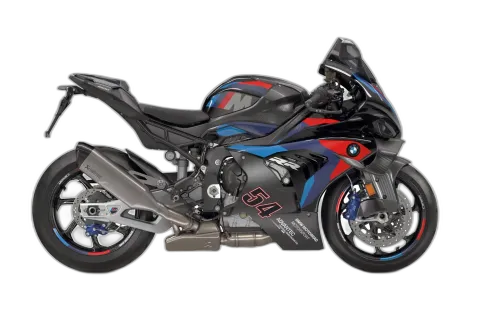
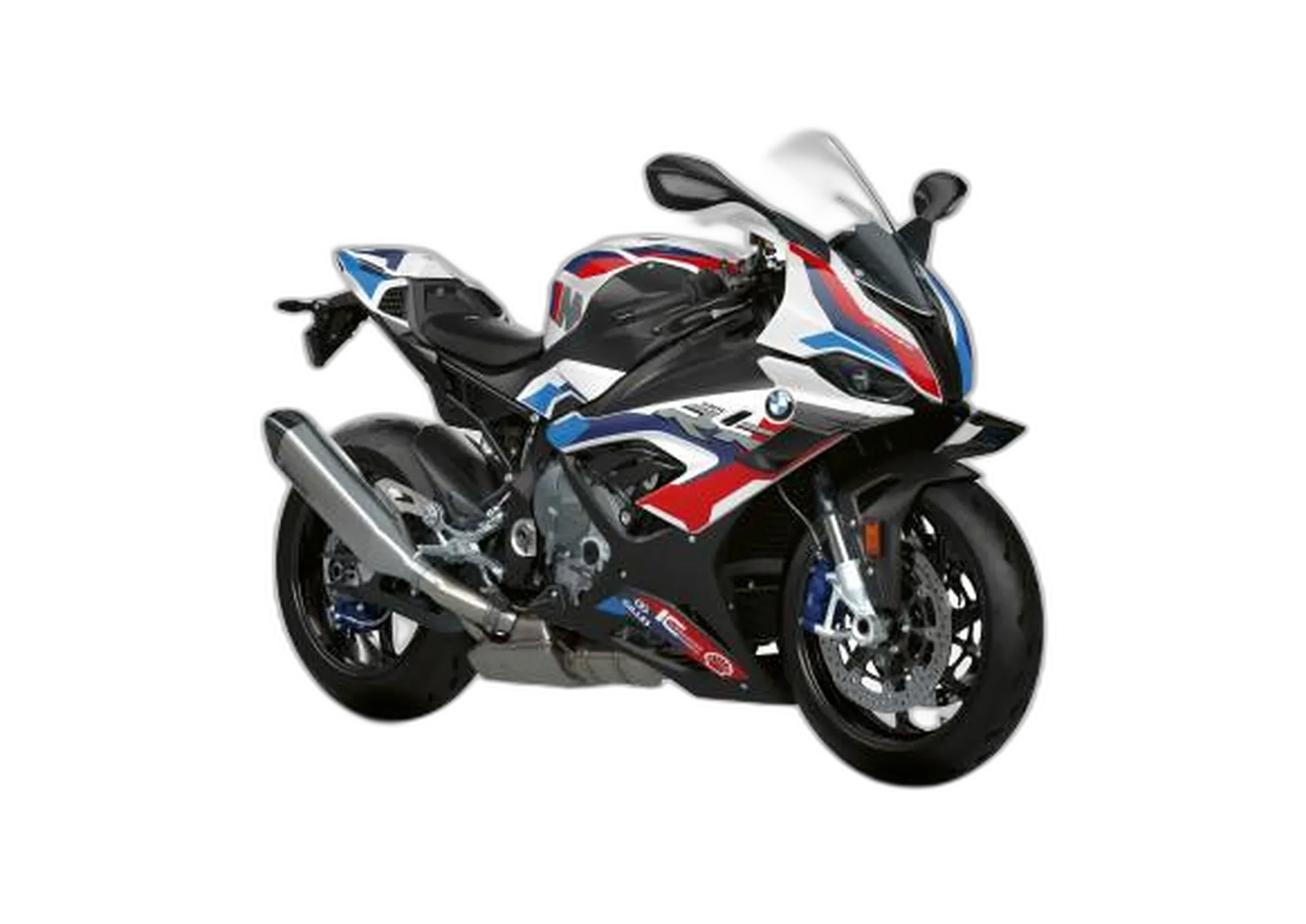
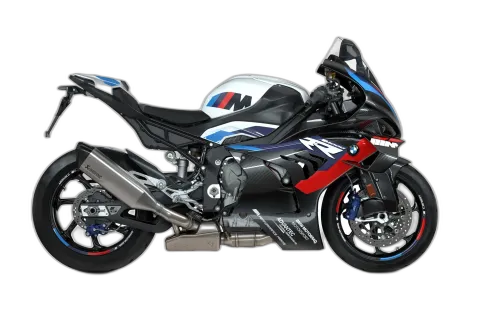
BMW built the M 1000 RR as a homologation special, and it shows in the spec sheet. The 999cc inline-four makes 212 hp, and that peak stacks on top of a mid-range that already pulls hard rather than trading one for the other. M Carbon Wheels, wind-tunnel winglets, and a full electronics package round out a machine aimed squarely at the circuit. What sets it apart is how usable all of that stays. The rider aids keep corner exits clean and consistent without asking you to wrestle the bike, so the performance feels structured instead of intimidating.

On the road it stays surprisingly tractable for something this focused, and the motor picks up cleanly off a closed grip with no jolt. This is a bike for experienced track riders and fast canyon hands who want race-grade hardware they can actually exploit, not a first sportbike. Two honest caveats apply. The option packages bundle genuine upgrades with cosmetic items, and some owners have reported bottom-end bearing failures serious enough to seize the engine. That reliability question is worth weighing before you commit at this price.

Hard Numbers

Spec sheets don't ride bikes, but they set the baseline.

Show full specs & equipment Hide specs & equipment
Key specifications
Power 212 hp (156 kW)
Torque 83 lb-ft (113 Nm)
Displacement 999 cc
Engine Inline-four
Bore × stroke 80 × 49.7 mm
Compression 13.5:1
Cooling Liquid-cooled
Gearbox 6-speed
Final drive Chain
Frame Aluminum twin-spar
Fork Upside-down (USD)
Front brake 320 mm
Rear brake 220 mm
Front tire 120/70-17
Rear tire 200/55-17
Wheelbase 57.4 in (1457 mm)
Seat height 32.8 in (832 mm)
Wet weight 423 lb (192 kg)
Fuel capacity 4.4 gal (16.5 L)

Equipment check

Chassis

  • Front Suspension Adjustable Standard
  • Rear Suspension Adjustable Standard
  • Steering Damper Standard

Connectivity

  • TFT Display Standard
  • Smartphone Connectivity Optional

Drivetrain

  • Quickshifter Standard
  • Slipper Clutch Standard

Lighting

  • LED Headlight Standard

Safety

  • ABS Standard
  • Cornering ABS Standard
  • Traction Control Standard
  • Ride Modes Standard
  • Wheelie Control Standard
  • Launch Control Standard

Signature Tech

The named systems that set this bike apart — and what each one does for you.

Wheels

  • BMW M Carbon WheelsStandard
    • Reduced unsprung rotating mass
    • Agile weight reduction
    • Brake fade resistance

The Voice of Experience

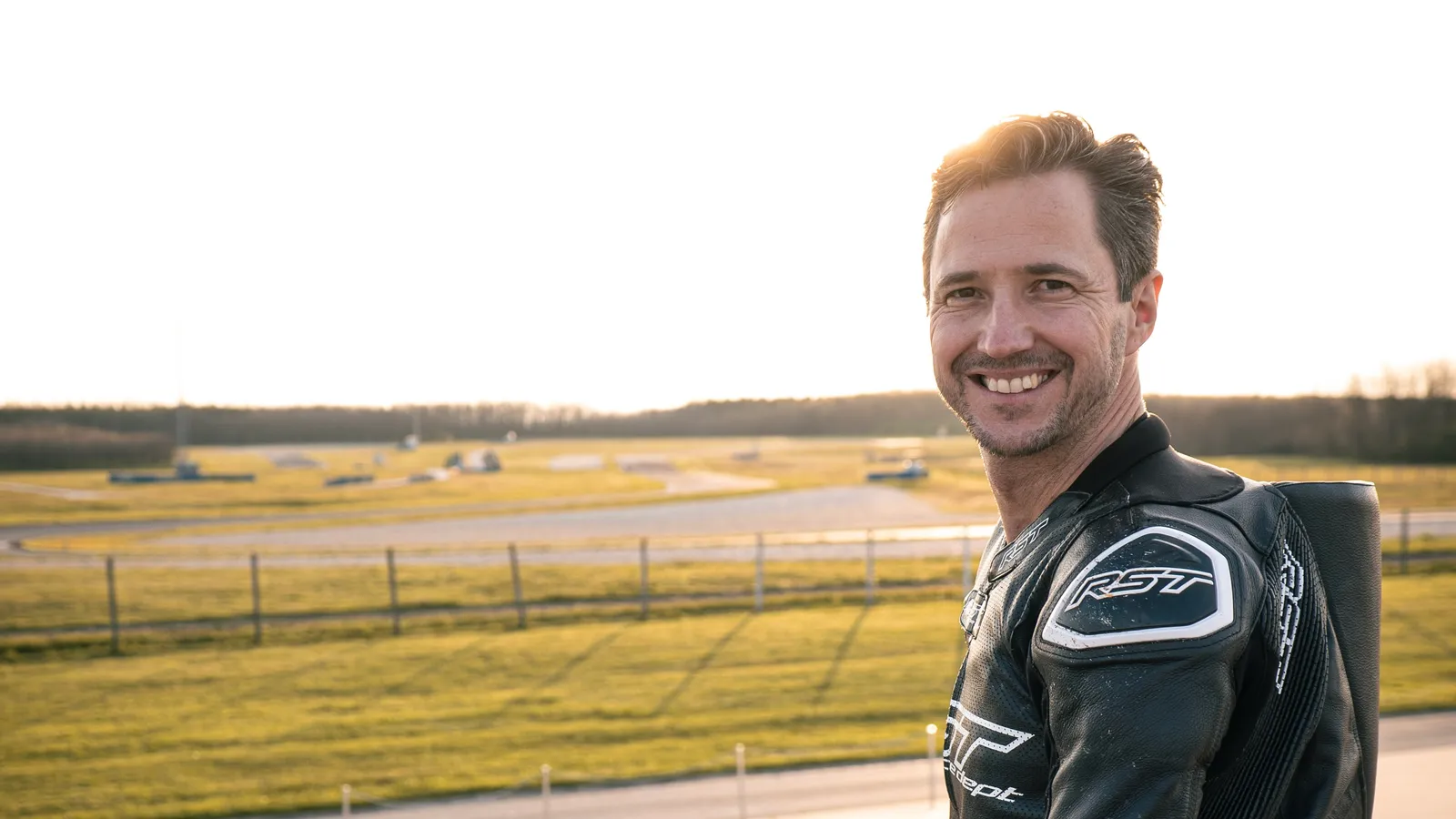
Portrait of NastyNils

The test ride

Show up with a full tank and it's ready. The bike needs no tools, no laptop, nothing special before you roll it out of the van. Settle in and the focus reveals itself at the contact points. At a real track pace, taller riders sit too deep in the cockpit and never quite get on top of the bike the way an aggressive position wants, and in stiff race boots the stock footpegs feel short on grip and bite. The standout memory is cold-weather composure. In near-freezing air the road-legal tires warmed fast and the front stayed clear and honest, no vagueness and nothing sudden, enough to run hard from the opening lap. Brake deep into a fast turn while still leaned over and you feel the winglets load the front, holding the bike planted where it would otherwise go light.

Rated point by point — where it earns its keep

My own 0–100 score for this bike against the class, area by area — the marker on each bar is the class average.

Stiff and uncompromising, set up for the circuit and nothing softer. What I noticed first is how directly it answers a steering input: you point it, it goes, and the line you pick is the line it holds. Nothing wallows, nothing argues with you halfway round a corner. The balance is already there when you collect the bike, so the time you would normally lose fiddling with clickers goes straight into laps instead.

As a pure track tool it asks almost nothing of you before it runs. There is no support crew to arrange, no specialist prep, no box of parts to fit the night before. It turns up complete and self-sufficient, ready to be ridden in anger the moment it has fuel in it. For a machine carrying this much hardware, that turn-key readiness is genuinely rare.

The first squeeze tells you everything. Initial bite is sharp and immediate, no dead travel before the pads take hold, and when you lean harder on the lever the stopping power turns serious. That combination is what lets you carry real speed deep into a corner and still tuck it onto the apex instead of running wide. I trusted them to brake later every lap, and they handed back the same hard, predictable response each time.

What I keep coming back to is how little the exotic hardware costs you to live with. Titanium connecting rods and forged pistons usually signal a fussy, short-interval, race-only relationship with the workshop. Here you get the standard service schedule, the full warranty, and street-legal compliance, same as any showroom supersport. The premium parts sit inside doing their job, without ever asking you to treat the bike like a fragile prototype. That gap between what the spec sheet promises and what ownership actually demands is the most surprising thing about this motor. You ride it hard, hand it over for routine service, and nothing about the build inflates the bill.

My one reservation sits in where the claimed weight loss actually lives. Strip it back and most of the saving is in the exhaust system, not in the chassis or those costly engine internals. That matters, because it means a motivated owner with a single aftermarket pipe could recover most of the same figure for a fraction of the outlay. The lightness you are paying a premium for is less structural than the badge suggests.

Comfort here is a road-spec answer to a track-spec question. Sit on it in a street context and the dimensions are fine. Push to a genuine pace and the contact points start working against you. The seat keeps a tall rider planted too far down inside the bike, never up and over it where an aggressive stance wants to be, and the standard footpegs give a race boot too little to bite into when you are hung off and loading them hard.

Where ownership gets awkward is the order sheet. The performance you might want comes wrapped into packages that also carry cosmetic extras you have no use for on a fast lap. Worse, the items a track rider would reach for first, a proper race fairing or a taller seat, aren't offered on their own. You end up paying for show to get the substance, and the substance you most want isn't even on the menu.

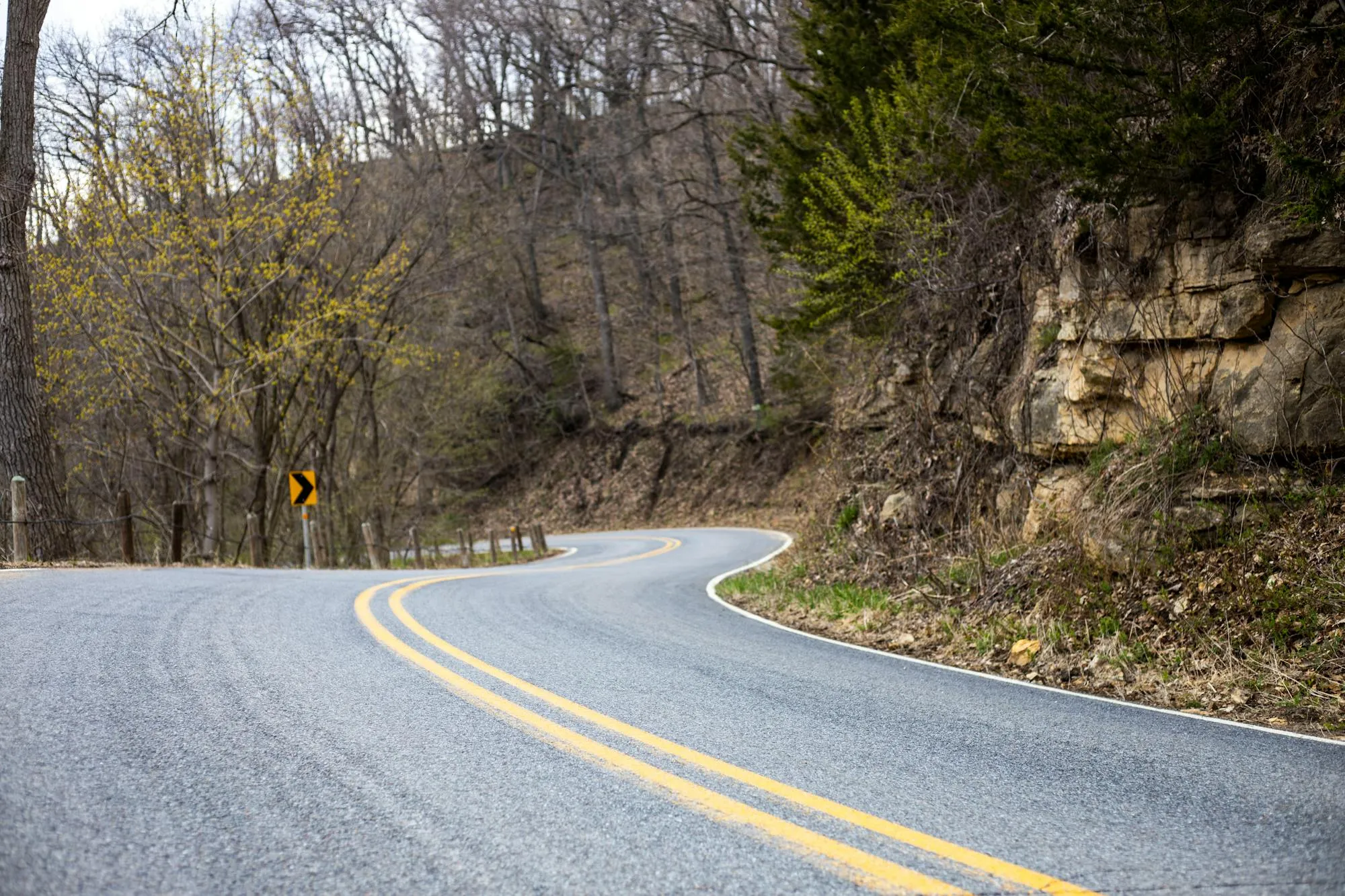
A winding two-lane asphalt road in the Appalachian mountains, photographed in dry daylight. Yellow double-center line markings guide through a series of tight left-hand curves. Dense deciduous and evergreen forest flanks both sides; a rock cut is visible on the right. The road surface and geometry suggest a technical, high-traffic riding corridor popular with motorcyclists.
Chris Flaten / Pexels

The Truth on the Street

This read comes from years of listening: paddock talk, long owner emails, and the messages riders send me directly. The pattern is consistent. For something built this hard for the track, riders keep saying it stays more usable than expected, and their reservations sit with cost and touring rather than the way it rides.

The setup riders keep tuning

The praise that comes back most often is how far the bike lets you tailor it. Riders describe an electronics suite deep enough to fine-tune engine braking, wheelie control, and launch behavior until the setup is truly their own. They rate the inline-four for relentless, smooth acceleration that builds hardest high in the revs, stronger than the standard model. For all that focus, owners are repeatedly surprised by clean low-speed fueling and a riding position that doesn't punish the wrists on the road.

Where the cost shows up

The gripes are narrower and they recur. The price sits well above an already expensive sibling and most rivals, and riders openly question whether the performance gap justifies it. The other consistent note is touring: the small screen leaves you exposed at speed, and with no center stand or real luggage, owners say longer trips aren't what this bike is for.

Known issues

  • Engine bearing failure leading to catastrophic damage

    engineoccasional

    Some owners have reported bottom-end bearing failures, including loose bearing caps or broken rod bearings, resulting in engine seizure. May be attributable to assembly quality or a design weakness in the M 1000 RR’s specific engine bottom end, distinct from the standard S 1000 RR.

The Expert Benchmark

Where this BMW M 1000 RR pulls ahead of — or falls behind — its rivals on the numbers, and the typical bike in its class on character.

What kind of bike this is — character vs. the class

This bike Class average

The shape of the BMW M 1000 RR — numbers and character vs. the average Supersport

Head-to-head: BMW M 1000 RR vs. its rivals

The Handshake Score

Forget spec-sheet bragging. Here's who the M 1000 RR is actually built for.

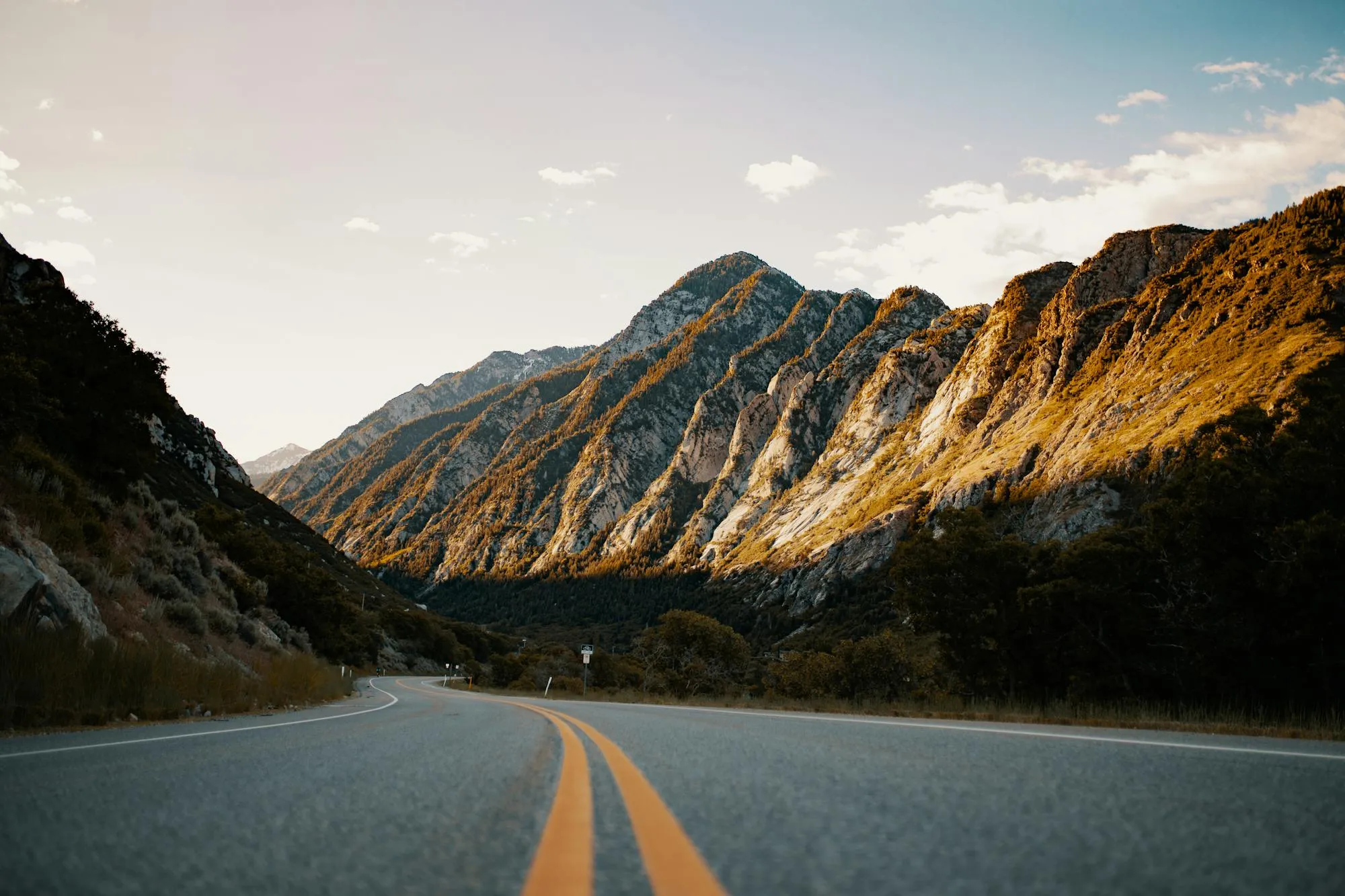
A scenic view of Angeles Crest Highway winding through rugged Southern California canyon terrain. Rocky mountainsides with golden earth tones frame the asphalt road with tight sweeping curves. Double yellow center line visible, sparse vegetation along the shoulders, clear blue sky with white clouds. Daylight, dry conditions. Iconic location for canyon-road enthusiasts.
Josh Sorenson / Pexels

Best motorcycle for Laguna Seca?

This is exactly your bike. It arrives race-ready, the chassis is sorted from the factory, and the electronics let you chase apexes hard without fighting it. Just budget for a taller seat if you run tall.

Made for Barber Motorsports Park · WeatherTech Raceway Laguna Seca · Circuit of the Americas
Best motorcycle for Angeles Crest?

On Angeles Crest and the LA passes it's more bike than the canyons need, but the smooth pickup and planted front make precision easy. Overkill that still rewards a skilled hand.

Made for Angeles Crest Highway · Coronado Trail / US 191 · Highway 1 / Big Sur

Best motorcycle for Tail of the Dragon?

On tight East-Coast twisties like the Dragon, all 212 hp is hard to use, but the cold-tire confidence and clear front feel reward technical, repeat-pass riding. Skill over speed suits it well.

Made for Back of the Dragon · Blue Ridge Parkway · Cherohala Skyway

Alternatives to the BMW M 1000 RR

If this one isn't quite the fit, these are the bikes worth riding back-to-back against it.

Any price note compares both bikes at the same age — the youngest age both have on the used market — against this BMW M 1000 RR. “cheaper/pricier” is what that bike costs second-hand, not how worn it is.