BMW HP4 RACE (K60) — Supersport
NastyNils / BMW Press

2017–2018 · Supersport · Buyer's Guide

HP4 RACE (K60)

Carbon Frame, Unfiltered Speed

The Machine's Character

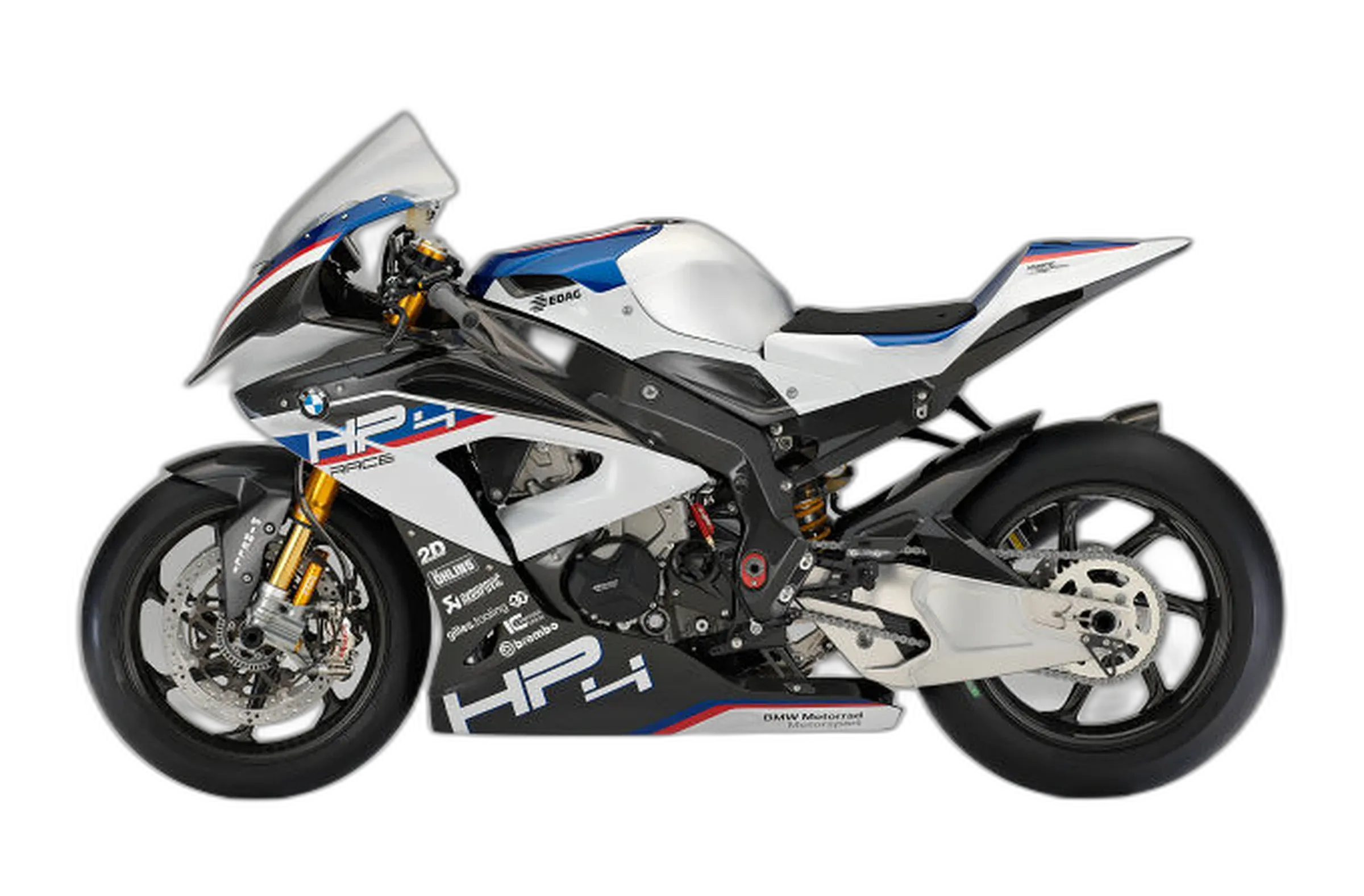
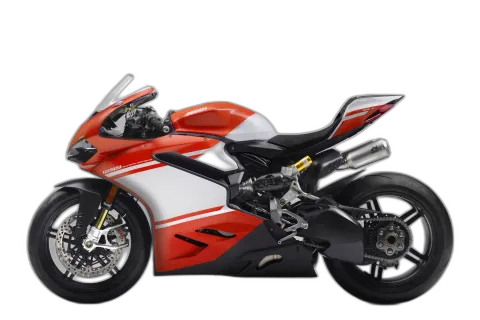
The HP4 RACE is BMW's no-compromise track answer, and it shows in the materials. The frame, swingarm, and bodywork are full carbon fiber, which drops the wet weight to 378 lb. Underneath sits a hand-built 999cc inline-four spinning to 13,900 rpm for 215 hp and 89 lb-ft, fed through World Superbike-grade running gear and GP-spec brakes. Only 750 were built, and none of them were meant for a license plate. This is the brand emptying its race parts bin into a customer machine, and it sits at the very top of what the class offers.

On track it rides far calmer than the spec sheet threatens. The carbon frame comes out of a controlled production series with torsional stiffness held to a fraction of a percent between units, so every bike behaves the same, and the wiring, ECU, fork, and calipers are pulled straight from active race programs rather than chosen for show. Every unit performs identically, which is rare at this level. It's built for experienced track-day riders and dedicated club racers. The honest catch: it's a closed-course tool with no adaptive suspension and understated looks, single-minded about lap times and nothing else.

Hard Numbers

Spec sheets don't ride bikes, but they set the baseline.

Show full specs & equipment Hide specs & equipment
Key specifications
Power 215 hp (158 kW) @ 13,900 rpm
Torque 89 lb-ft (120 Nm) @ 10,000 rpm
Displacement 999 cc
Engine Inline-four
Bore × stroke 80 × 49.7 mm
Cooling Liquid-cooled
Gearbox 6-speed
Frame Composite
Fork Upside-down (USD)
Rear brake 220 mm
Front tire 120/70 ZR17
Seat height 32.7 in (830 mm)
Wet weight 378 lb (172 kg)
Fuel capacity 4.6 gal (17.4 L)

Equipment check

Chassis

  • Front Suspension Adjustable Standard
  • Rear Suspension Adjustable Standard
  • Steering Damper Standard

Drivetrain

  • Slipper Clutch Standard

Safety

  • ABS Standard
  • Traction Control Standard
  • Ride Modes Standard
  • Launch Control Standard

The Voice of Experience

Portrait of NastyNils

The test ride

Swing a leg over and the position is pure race, with weight stacked over the front and the body folded into a committed crouch. The first thing that registers on track is how clearly both ends speak to you. You feel the front take load as you tip in and the rear report its grip state, and that clarity shows up in the opening corners rather than after a session of hunting for it. The braking zone is the other jolt to the system, with a stopping force that lets you stay on the gas longer than instinct allows. What surprises most is the rate of progress. Coming straight off a well-sorted base bike, whole seconds a lap appear almost immediately, no setup ritual needed. It feels less like a wild animal and more like a precise instrument that happens to be brutally fast.

Rated point by point — where it earns its keep

My own 0–100 score for this bike against the class, area by area — the marker on each bar is the class average.

The handling is where the whole contradiction of this bike lives. Every ingredient, the carbon structure, the championship parts, the surplus of output, predicts a machine that intimidates, and it flatly refuses to. From my first session it sat calm beneath me and reported grip clearly at both ends as I committed to a corner, so I was reading the chassis instead of guessing at it. That clarity is what let me carry honestly more pace through the middle, and the data recorder agreed rather than my optimism inventing it. Approachability, not aggression, is its real weapon.

Capability for me comes down to how much speed an ordinary committed rider can actually extract, and the answer here lands fast. Stepping straight off a well-sorted standard bike, I had real lap time in hand almost at once, no break-in period, no dialing in to wait through. Paddocks are littered with machines that swallowed money and returned only trouble, never a quicker lap. This is the reverse of that story. The trade is presence: it was built to settle arguments on the timesheet, so it spends nothing on drama and looks deliberately plain beside flashier company.

Braking is where this bike simply leaves production machinery behind. The mix of GP-grade calipers, matching rotors and a championship-bred fork hauls speed off in a way almost nothing with a number plate can match. What it really changes is where my corner starts: I can carry the throttle deeper than nerve usually permits and still have everything scrubbed off by the turn. And it isn't a paper promise. Every time I have asked for that performance, the hardware has been right there under my fingers.

The engine's real trick is what it doesn't do. It carries clearly more punch than the standard motor, yet it never changed the conversation with my throttle hand. It sits clean and exact on the gas, and rolling it open out of a corner brings no spike and no dead spot, just immediate drive that hooks up and keeps building. I never had to relearn an exit to put the extra power down, and on an engine this potent that constancy is the genuine achievement.

What earns my trust here is that nothing was left to the luck of the draw. The frame comes off a controlled run with build-to-build stiffness held inside a sliver of a percent, so I never had to hope my example came out right the way you do with a one-off layup. The components back it up: the electronics and running gear came straight off active factory race programs because they do a job, and wherever carbon served no structural purpose, BMW just used plastic. Nothing on this bike is there for show, which means there's nothing cosmetic to let you down.

Day-to-day usability was never part of the remit, and the bike is honest about that from the start. Its damping is set entirely by the rider's hands, because at the very limit BMW decided adaptive suspension carries as many penalties as gains and chose to leave it off. For an experienced track rider that logic holds up cleanly. The flip side is a firm line: there's no comfort setting in the suspension to retreat into, and the patience to set up and live with a machine this focused has to come from you.

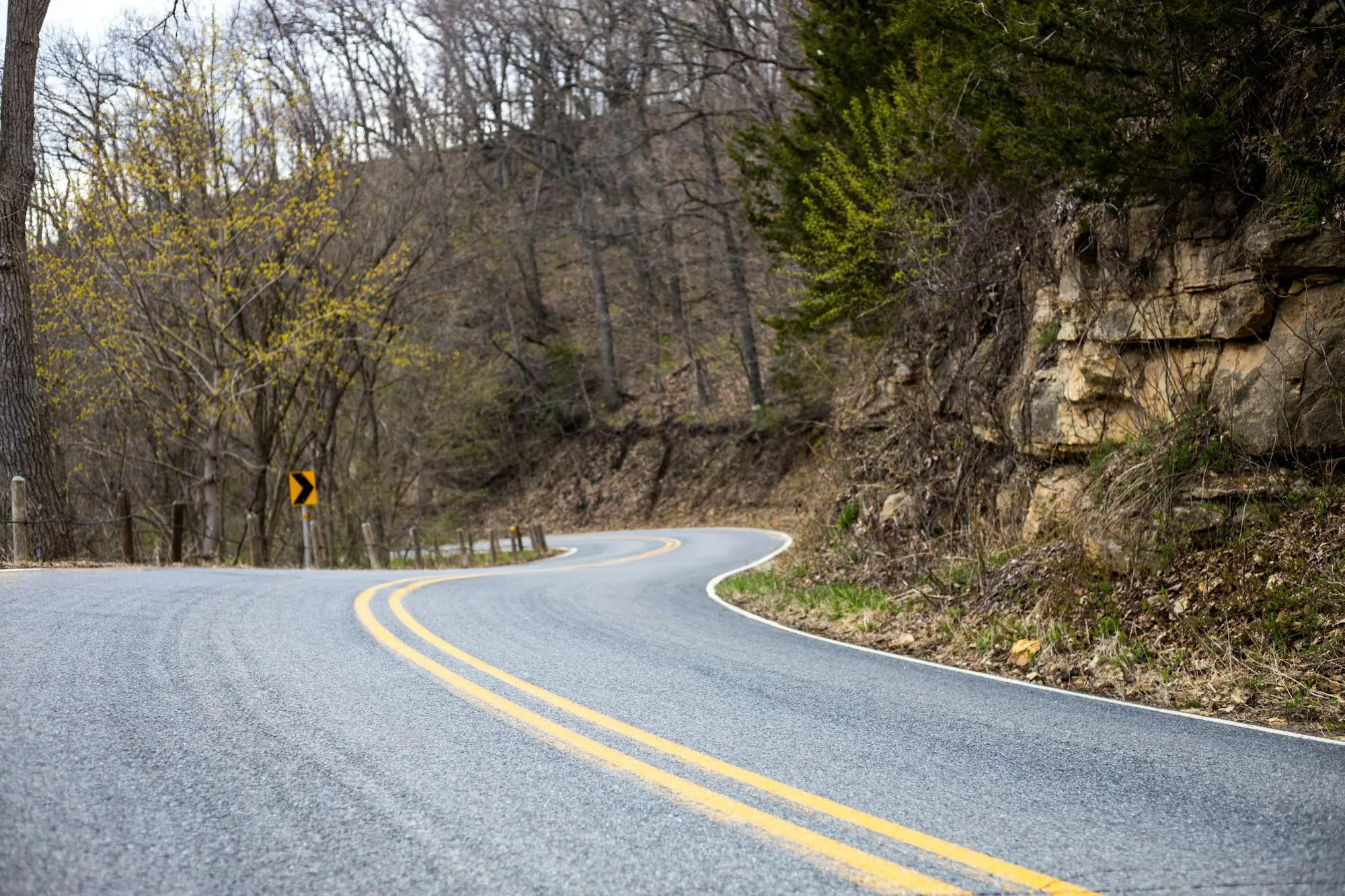
A winding two-lane asphalt road in the Appalachian mountains, photographed in dry daylight. Yellow double-center line markings guide through a series of tight left-hand curves. Dense deciduous and evergreen forest flanks both sides; a rock cut is visible on the right. The road surface and geometry suggest a technical, high-traffic riding corridor popular with motorcyclists.
Chris Flaten / Pexels

The Truth on the Street

What follows isn't my own lap time. It's what I've gathered over years of listening to the riders who own and run this bike: long owner talks, paddock conversation, and the questions that reach my inbox. The picture is consistent. The performance wins them over, while the cost of ownership gives them pause.

Where the praise lands

Almost every account opens with the handling. Riders cite the full carbon build and how little weight they feel under them, plus steering and feedback sharp enough to invite Superbike comparisons and keep them confident hard over. The fork, shock, and brakes earn the same respect, described as genuine race-grade hardware. A smaller group adds that it stays surprisingly manageable for something this single-minded, with a predictable throttle and electronics they don't second-guess.

The cost of keeping one

The reservations all sit on ownership. The $78,000 price dominates, among the steepest ever asked for a production bike, and its track-only status comes up nearly as often, with no road use anywhere in the picture. The run of just 750 worldwide keeps the audience small. The detail riders return to is the engine, which BMW replaces rather than rebuilds at roughly 3,100 miles (5,000 km).

Known issues

No widely-reported issues on record.

    The Expert Benchmark

    Where this BMW HP4 RACE pulls ahead of — or falls behind — its rivals on the numbers, and the typical bike in its class on character.

    What kind of bike this is — character vs. the class

    This bike Class average

    The shape of the BMW HP4 RACE — numbers and character vs. the average Supersport

    Head-to-head: BMW HP4 RACE vs. its rivals

    The Handshake Score

    Forget spec-sheet bragging. Here's who the HP4 RACE is actually built for.

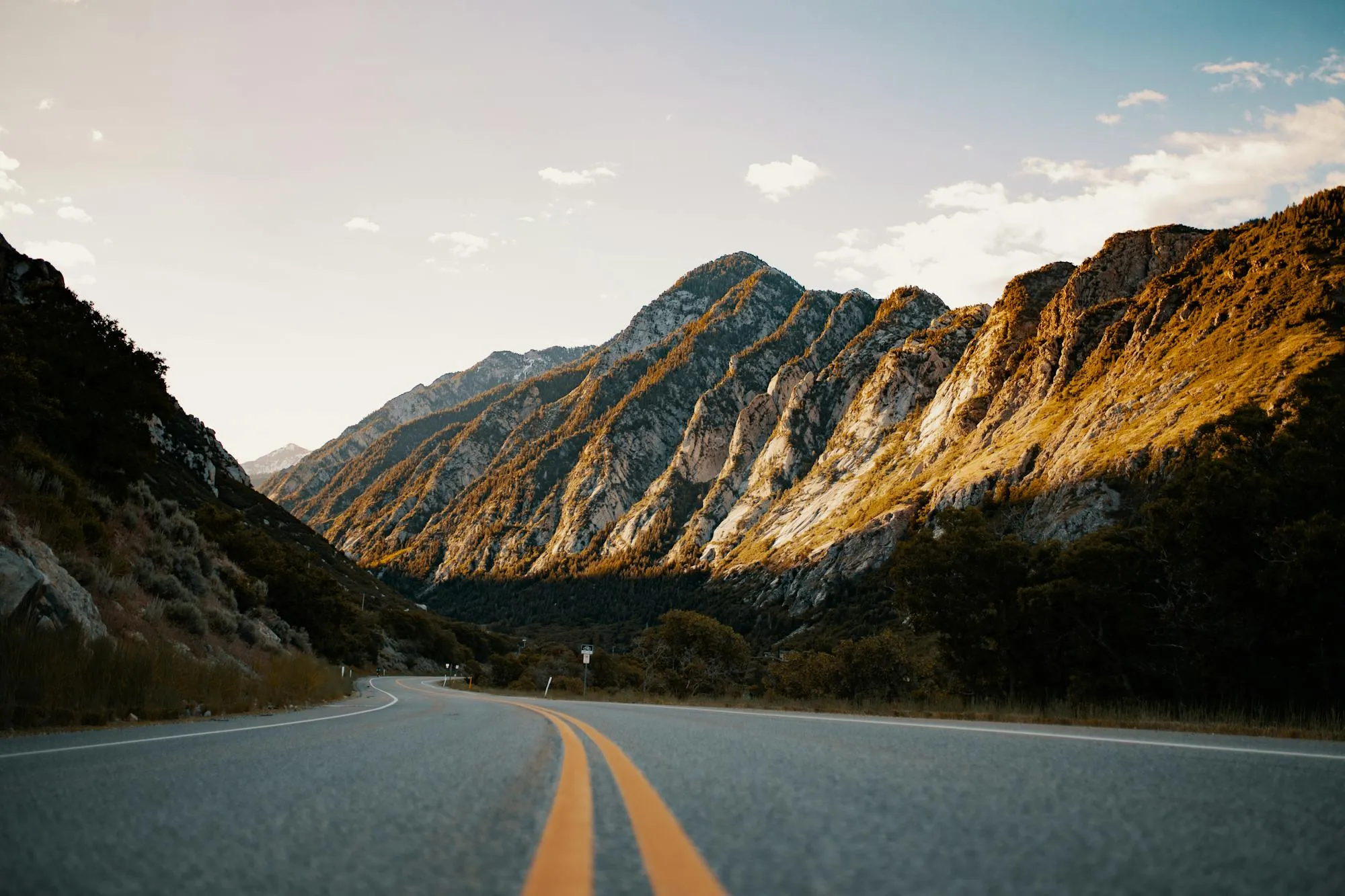
    A scenic view of Angeles Crest Highway winding through rugged Southern California canyon terrain. Rocky mountainsides with golden earth tones frame the asphalt road with tight sweeping curves. Double yellow center line visible, sparse vegetation along the shoulders, clear blue sky with white clouds. Daylight, dry conditions. Iconic location for canyon-road enthusiasts.
    Josh Sorenson / Pexels

    Best motorcycle for Angeles Crest?

    Your skills fit it, but your roads don't. It's a closed-course machine with no plate, so it can't legally touch Angeles Crest or the canyons. Buy it for track days, not your weekend canyon loop.

    Made for Angeles Crest Highway · Coronado Trail / US 191 · Highway 1 / Big Sur
    Best motorcycle for Laguna Seca?

    This is exactly your bike. On a closed circuit it hands you the feedback and braking to chase apex precision, and it rewards committed track work rather than punishing it. Built for track days, not the street.

    Made for Barber Motorsports Park · WeatherTech Raceway Laguna Seca · Circuit of the Americas

    Best motorcycle for Tail of the Dragon?

    Same story: the talent matches, the venue doesn't. It's a track-only tool, so the Dragon and the Blue Ridge are off limits. If your riding lives on public twisties, this belongs on a circuit.

    Made for Back of the Dragon · Blue Ridge Parkway · Cherohala Skyway

    Alternatives to the BMW HP4 RACE

    If this one isn't quite the fit, these are the bikes worth riding back-to-back against it.

    Any price note compares both bikes at the same age — the youngest age both have on the used market — against this BMW HP4 RACE. “cheaper/pricier” is what that bike costs second-hand, not how worn it is.