·

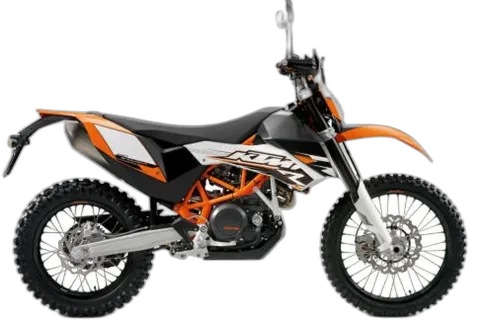
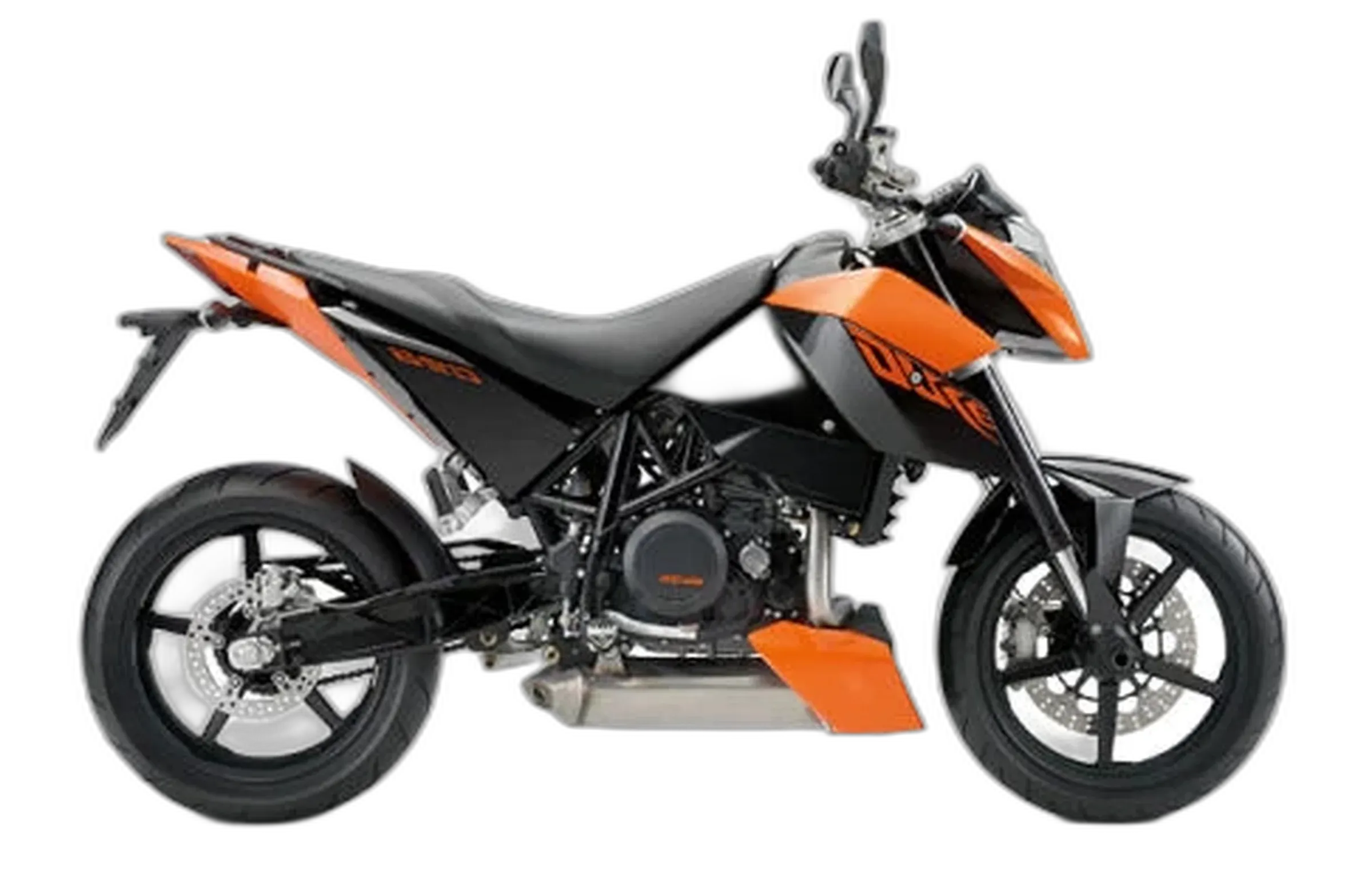
KTM 690 Duke (MY2008) — Supermoto
NastyNils / KTM Press

2008–2011 · Supermoto · Buyer's Guide

690 Duke (MY2008)

One Cylinder, Zero Filler

The Machine's Character

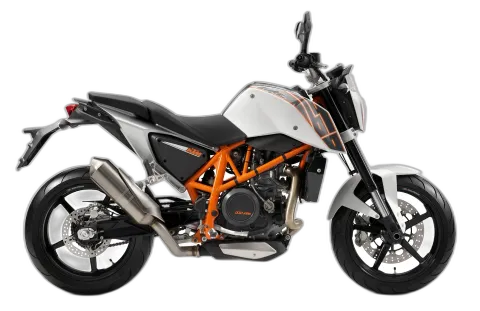
The 690 Duke is what happens when KTM pours a full race parts bin into a street single and refuses to soften the result. The 654cc LC4 puts out 66 hp and 50 lb-ft, but the number that matters is the one on the scale: this thing is light, short, and built exclusively for pavement. Fully adjustable WP suspension, a single 320 mm Brembo rotor up front, and a slipper clutch aren't decoration. They're the hardware you'd bolt onto a track weapon, sitting on a bike you can ride to work. In its class, nothing else packages a single this hard-edged with parts this serious.

This is a bike for the rider who wants a tight mountain road to become the whole point of the day, not a rider chasing a highway number. It flatters a newcomer and keeps rewarding a veteran, the same afternoon. Own one and budget for the known trouble spots: the intake rocker-arm bearing that can seize around 9,300 to 10,000 miles, a clutch slave cylinder that can quit without warning, and a fuel filter that clogs if you ignore it. The 2009 forks carried a KTM recall for cracking. Stay on top of service and it stays honest.

Hard Numbers

Spec sheets don't ride bikes, but they set the baseline.

Show full specs & equipment Hide specs & equipment
Key specifications
Power 66 hp (48 kW) @ 7,500 rpm
Torque 50 lb-ft (68 Nm) @ 5,500 rpm
Displacement 654 cc
Engine Single-cylinder
Cooling Liquid-cooled
Gearbox 6-speed
Fork Upside-down (USD)
Front brake 320 mm
Front tire 120/70-17
Rear tire 160/60-17
Ground clearance 6.1 in (155 mm)
Front travel 5.5 in (140 mm)
Rear travel 5.5 in (140 mm)
Seat height 34.1 in (865 mm)
Fuel capacity 3.6 gal (13.5 L)
Top speed 122 mph (196 km/h)
Fuel economy 40 mpg (US)

Equipment check

Chassis

  • Front Suspension Adjustable Standard
  • Rear Suspension Adjustable Standard

The Voice of Experience

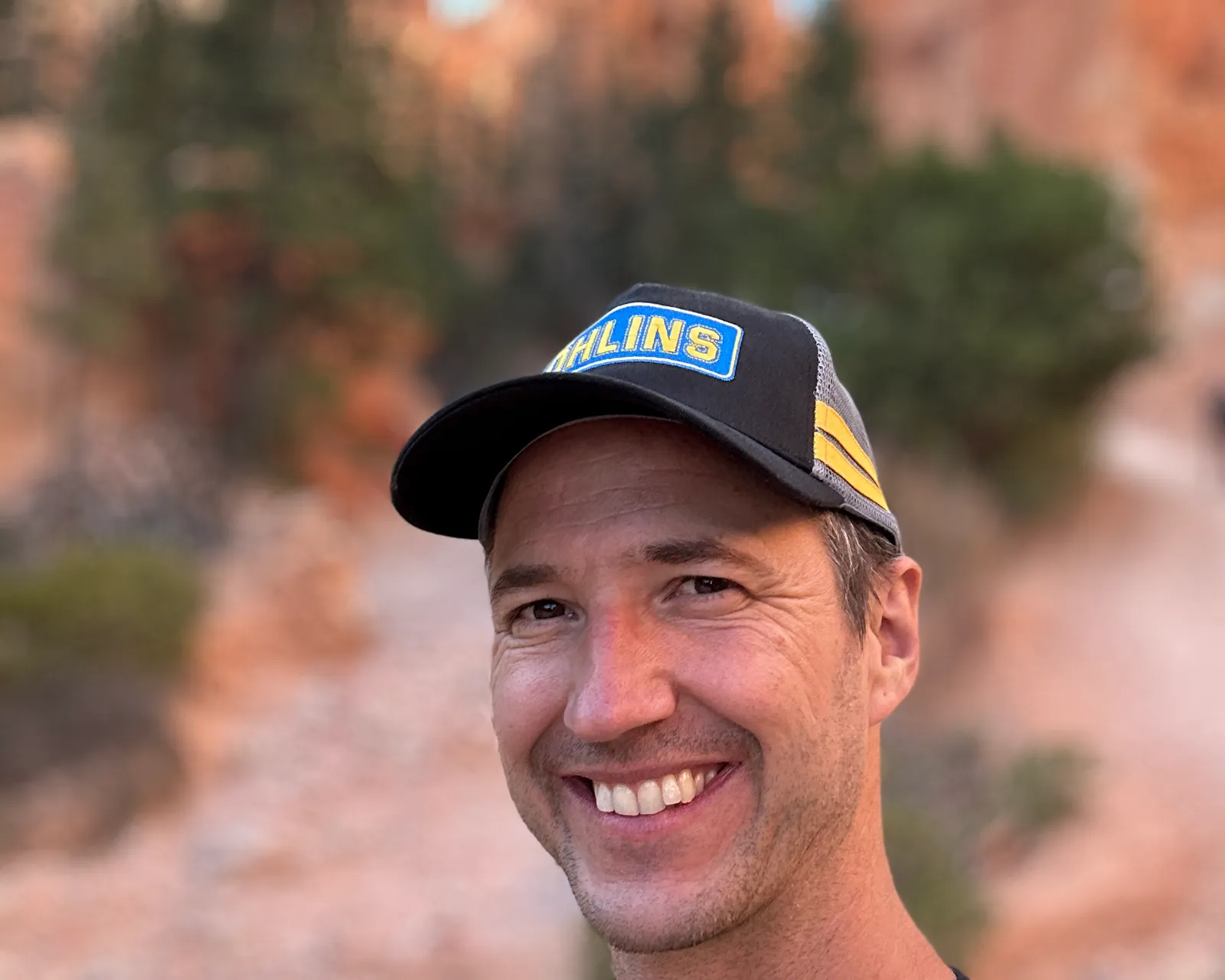
Portrait of NastyNils

The test ride

First thing you notice is how little of the bike there is between your knees. You sit in it now, not perched on top, and the wide bars give you real leverage to shove it from side to side. Lock your knees in and the two of you move as one piece. The single sings through a proper exhaust note, and there's a faint chain rattle down at low rpm on a whisper of throttle, plus the odd snap through the drivetrain in that same window. Both minor. The seat actually supports you, with a raised rear lip to brace against, which you'll want, because there's nothing up front to hide behind. On a fast highway slog the wind hammers your neck and chest long before the motor gives up. Off the highway, at real road pace, it feels weightless and endlessly willing, and yes, the front wheel still lifts when you ask it to.

Rated point by point — where it earns its keep

My own 0–100 score for this bike against the class, area by area — the marker on each bar is the class average.

Point it and it's already gone. The 690 answers the instant you ask and in any direction, with no gap between the thought and the movement. One firm input drops it into the bend, no negotiating, no wait while it takes a set. What buys that is how little there is to shift in the first place: a single spins up a fraction of the rotating mass an inline four carries, and the lighter wheels and lone front disc that came with it strip weight off exactly where you feel it, so the bike swaps line almost for free. It'll loft the front as readily as it'll change direction, which tells you plenty about how eager the whole thing is to play. Two things keep me honest about it. You now sit more down inside the bike than perched on top, and I found the committed hang-offs through fast switchbacks don't come as instinctively as the old ergonomics let them. And the forks meet their ceiling in the worst possible place: braking hard over broken tarmac and then pitching straight into the turn, where the front gives up its composure. Small, sharp chop draws out a coarse first movement too, the wheel skipping clear of the surface at the exact moment you want it planted.

Hard, late corner entries stay tidy in a way that lets you think about your line and nothing else. Come in braking and dropping gears and the slipper clutch takes the engine braking cleanly off the rear, so I never felt the back chatter or step out of line, and the chassis reads honest the whole way to the apex. On a bike this light there's no arguing with a single front rotor either. The Brembo bites hard and clean the moment you touch it, with plenty of control left in reserve.

What sets this motor apart from every other single I've ridden in the class isn't a figure on paper, it's the way it behaves. The throttle connection is direct enough to raise your pulse, and the torque arrives metered so cleanly that you can dole it out precisely from one corner to the next. Lug it or wind it right out and it feels like it belongs a full tier above anything else built in this format; every rival single I've lined it up against comes off second best. It holds real conviction all the way up to serious highway speed, too. The catch sits just past that. It pulls clean and hard to a whisker beyond highway pace and then the well runs dry, and you sit there wanting for grunt while heavier, stronger machines simply march away down the straight.

For a bike with this much appetite, it asks for surprisingly little back. Real-world fuel use came in genuinely modest, and the service intervals have been stretched well beyond what this platform used to demand, so it spends less of its life on a workshop bench than its character would lead you to expect. The hardware backs that up. Everything on the bike sits at a high standard, the fully adjustable suspension included, with no sign that anyone cut a corner to hit a number. The one thing that slipped is the gearbox. It used to shift like race-spec machinery, crisp and definitive. After a long, hard day in the hills that precision fades, and I'd go hunting for the next gear and find neutral instead. Nothing alarming, but a clear step back from what this transmission once delivered.

Two ingredients define what this bike can actually do: how little it weighs and how willing the motor stays. Put those together on a knotted mountain road and the corners stop feeling like an examination and turn into the reason you rode out at all. The payoff-to-effort ratio is unusual. You don't have to wring yourself out to get a great deal back, and the front end still comes up with real intent when you decide it should, none of that engineered out by the calmer character. My one gripe is the gearing. For a machine that wants to play this way, the lower gears don't rise as eagerly as they ought to, and it's the tall final drive holding them down. Bring that in and the Duke would do exactly what it keeps asking to.

You don't need a race license to get along with this one. The light weight and playful manners mean I never found anything about the bike that punishes a rider still finding their feet, and yet there's enough underneath that a sharp rider keeps getting paid back the harder they push. The seat is a real step up from what it replaced, better shaped and carrying a slightly raised tail section that finally gives you something to work against when the road opens out and the pace climbs. You'll want that support, because there's no fairing between you and the air, so a fast highway stretch turns into honest work for your neck and shoulders long before the engine has had enough. The seat's shape lets you tuck down and shave a little of that pressure away, but it never does more than blunt it.

The remarkable thing is how little ceremony a track day takes here. I rode it through city traffic straight to the circuit on the same tires it wears every day, let a bit of air out at the gate, set the chassis with the tool kit that lives on board, and was turning competitive laps inside the hour. No trailer, no dedicated rubber, no build-up weekend booked off in advance. It genuinely just needs a rider willing to show up.

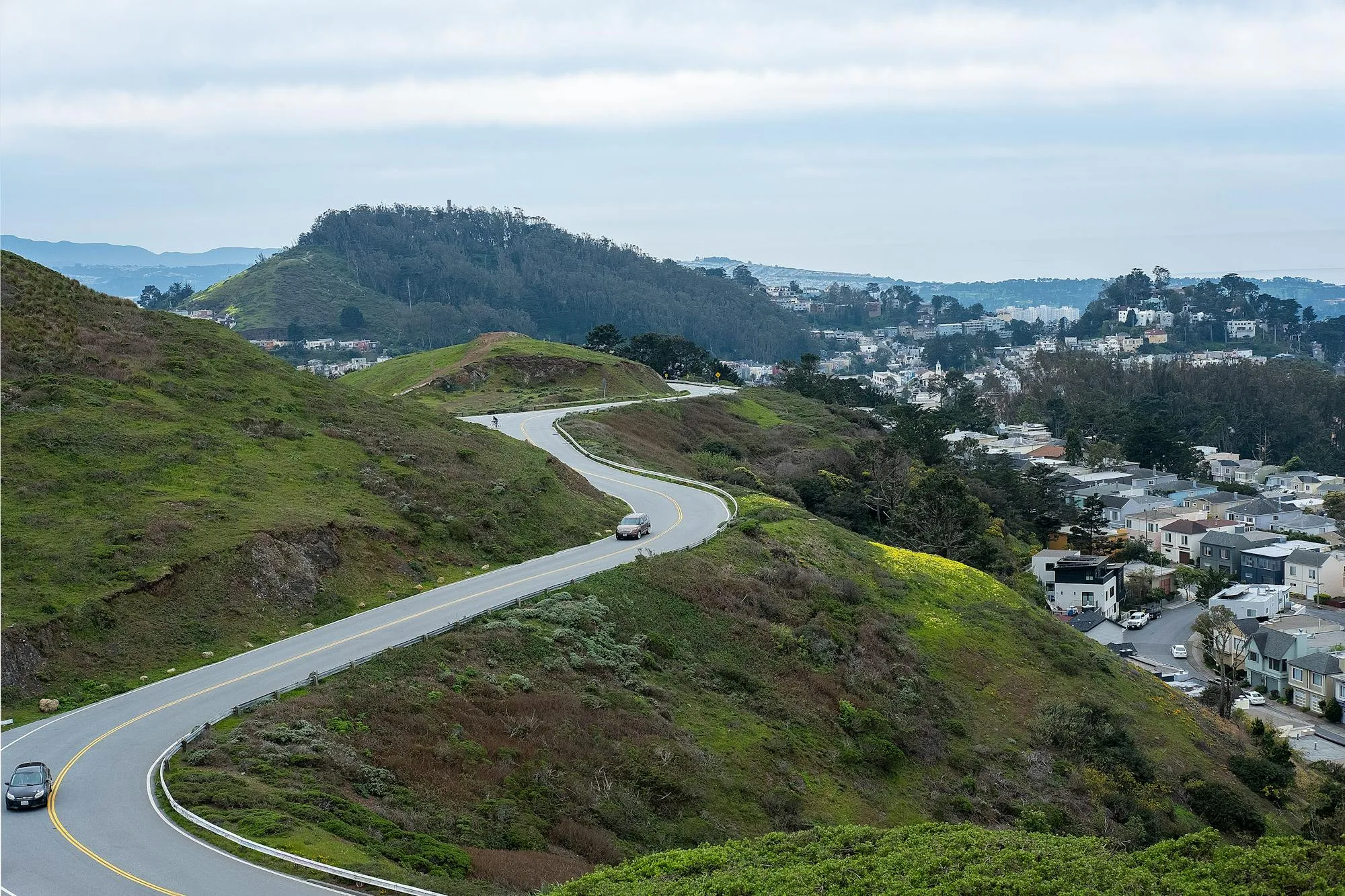
Aerial view of a winding asphalt road traversing rolling green hills in the Bay Area, likely Skyline Boulevard. The road curves through lush grassland with residential development visible in the distance.
David Mcelwee / Pexels

The Truth on the Trail

None of this comes off a spec sheet. It's built from years of trading impressions with riders, hearing owners walk through what they've actually lived with, and answering the questions that reach me directly. For the 690 Duke the read lands clearly on one side: strong enthusiasm up top, with the complaints staying small and spread thin.

The praise riders keep coming back to

What comes up most is straightforward enjoyment. Riders keep reaching for words like toy and event, crediting the supermoto stance and a motor that reacts the second your wrist moves. The single itself gets its own steady credit for building real drive from down low and then surprising people with how hard it spins up top, closer to a mid-size twin in feel than a lone-cylinder thumper. The chassis earns similar marks, reported as featherlight and precise, snapping between directions and settling onto a line without fuss.

Where the complaints show up

The gripes come quieter and with far less agreement behind them. A portion of owners feel vibration working into their palms and feet on longer rides, enough to wear on them. Others mention a throttle that jumps at the bottom of the rev range, which complicates slow work in town. The seat picks up scattered criticism for going hard after the first hour, and a small group keep an eye on oil, since the engine can use a noticeable amount when pushed.

Known issues

  • Intake rocker arm bearing seizure

    engineoccasional

    The roller bearing on the intake rocker arm can fail, often around 9,300–10,000 miles (15,000–16,000 km), damaging the camshaft and rocker. Replacement before failure is recommended at each valve check.

  • Clutch slave cylinder failure

    drivetrainoccasional

    The hydraulic clutch slave cylinder can fail suddenly, leading to a loss of clutch disengagement while riding. Some owners report failures during the warranty period.

  • Front fork cracking (recall)

    chassisrareRecall

    On 2009 model year 690 Duke and SMC motorcycles, the front forks could develop cracks, potentially leading to fork failure. A recall was issued by KTM to inspect and replace affected fork components.

  • Fuel pump and filter clogging

    fuel systemoccasional

    The in-tank fuel filter can clog, leading to fuel starvation and premature pump failure. Regular filter replacement is advised.

The Expert Benchmark

Where this KTM 690 Duke pulls ahead of — or falls behind — its rivals on the numbers, and the typical bike in its class on character.

What kind of bike this is — character vs. the class

This bike Class average

Head-to-head: KTM 690 Duke vs. its rivals

The 'Should I Buy It?' Score

Forget spec-sheet bragging. Here's who the 690 Duke is actually built for.

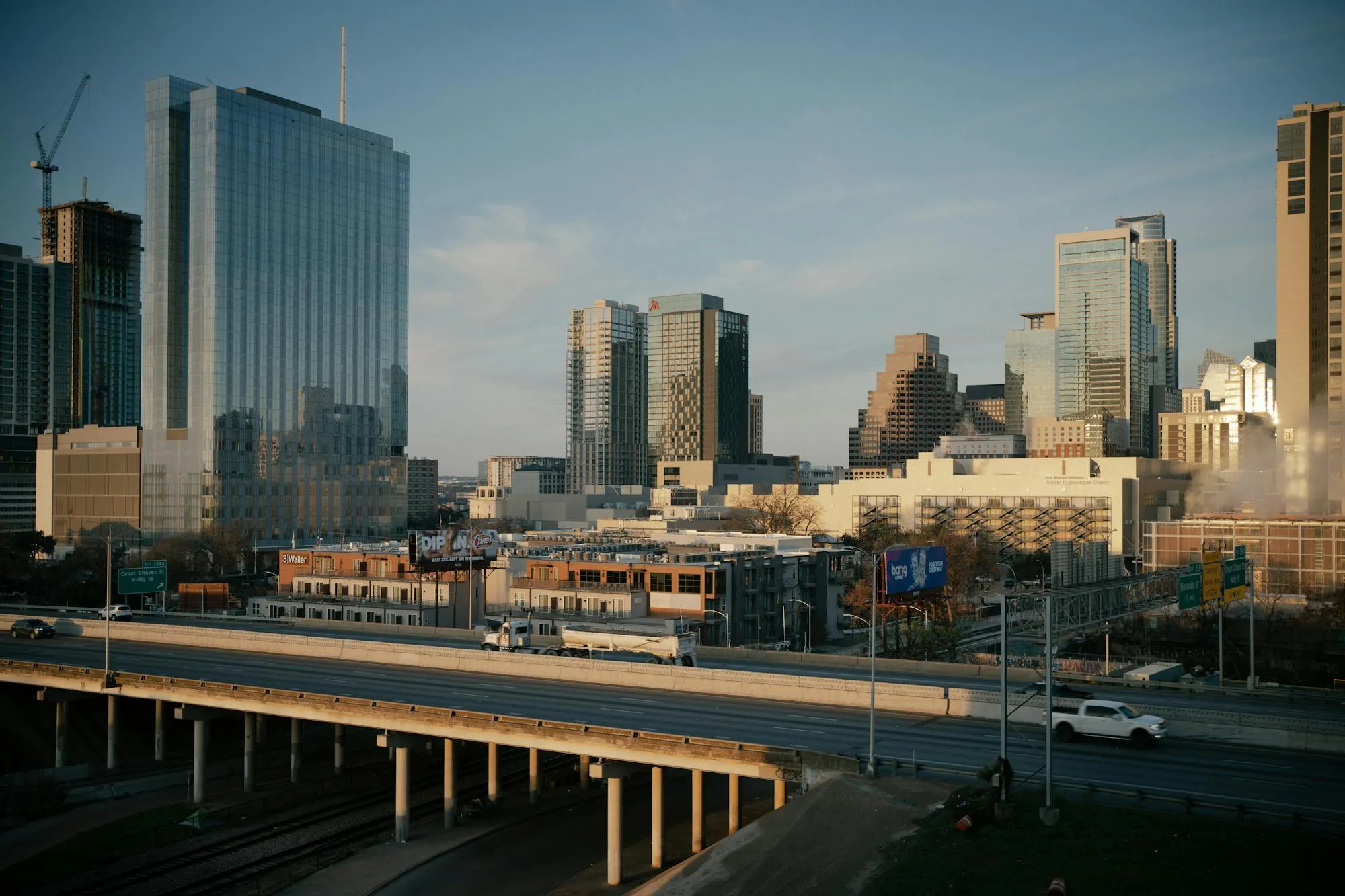
Aerial photograph of downtown Austin, Texas, showing modern high-rise buildings against a clear blue sky. Urban infrastructure, highways, and parking structures visible in the foreground.
Thomas Balabaud / Pexels

Best motorcycle for Texas Hill Country?

For the Twisted Sisters and every Hill Country loop, the Duke is a joy. Just know the long highway drone to get there is the price you pay for how alive it feels once the road bends.

Made for Austin / Texas Hill Country · Twisted Sisters · Austin / Handbuilt Motorcycle Show

Best motorcycle for Angeles Crest?

Angeles Crest was built for this bike. It takes inside lines heavier machinery can't touch, and its light, willing chassis turns a technical canyon run into pure work-day therapy.

Made for Angeles Crest Highway · Coronado Trail / US 191 · Highway 1 / Big Sur

Best motorcycle for Tail of the Dragon?

On the Dragon and the Blue Ridge twisties, where line and precision beat raw power, this featherweight is in its element. It rewards every ounce of technique you bring to it.

Made for Back of the Dragon · Blue Ridge Parkway · Cherohala Skyway

Alternatives to the KTM 690 Duke

If this one isn't quite the fit, these are the bikes worth riding back-to-back against it.

Any price note compares both bikes at the same age — the youngest age both have on the used market — against this KTM 690 Duke. “cheaper/pricier” is what that bike costs second-hand, not how worn it is.