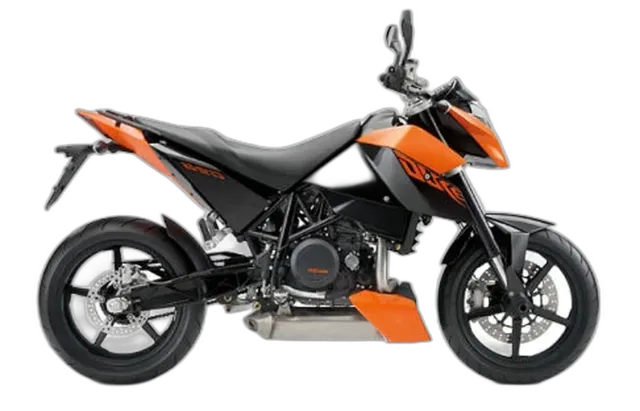
KTM 690 Duke R (MY2010) — Naked Bike
NastyNils / KTM Press

2010–2011 · Naked Bike · Buyer's Guide

690 Duke R (MY2010)

The Back-Road Single That Bites

The Machine's Character

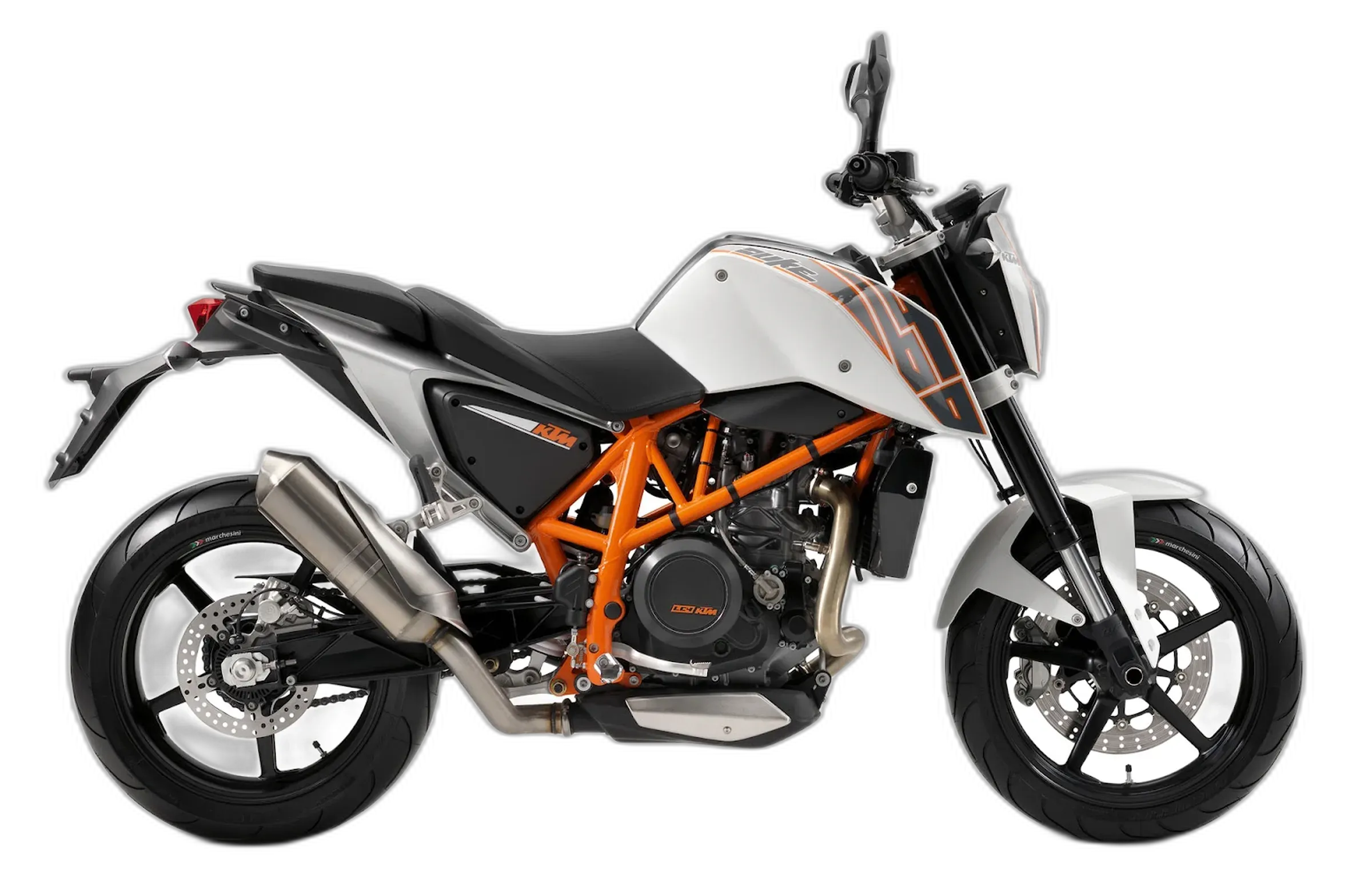
The 690 Duke R takes KTM's big LC4 single and sharpens it into a road tool with real intent. You get 71 hp and 51 lb-ft from 690 cc, run through ride-by-wire with selectable ride modes, so you can soften or sharpen the delivery to suit the road. The chassis is stiff, the geometry aggressive, and there's very little weight to argue with. It sits in the naked class as the committed, single-purpose choice: light, direct, built to attack a good stretch of tarmac rather than smooth everything over.

On the road it rewards riders who commit. Feedback is the standout, the best number in my scoring, and it shows in how clearly the front talks to you. It's genuinely usable day after day and easy enough to live with in the city, so it ages as a bike you keep reaching for rather than one you grow out of. The honest caveat is the 34.1 in (865 mm) seat, which runs tall and asks something of shorter riders, and this generation carries a known rocker arm bearing weakness worth checking before you buy.

Hard Numbers

Spec sheets don't ride bikes, but they set the baseline.

Show full specs & equipment Hide specs & equipment
Key specifications
Power 71 hp (52 kW) @ 7,500 rpm
Torque 51 lb-ft (70 Nm) @ 6,550 rpm
Displacement 690 cc
Engine Single-cylinder
Cooling Liquid-cooled
Gearbox 6-speed
Final drive Chain
Front brake 320 mm
Front tire 120/70 ZR 17
Rear tire 160/60 ZR 17
Seat height 34.1 in (865 mm)
Fuel capacity 3.6 gal (13.5 L)
Top speed 112 mph (180 km/h)
Fuel economy 43 mpg (US)

Equipment check

Safety

  • Ride Modes Standard

The Voice of Experience

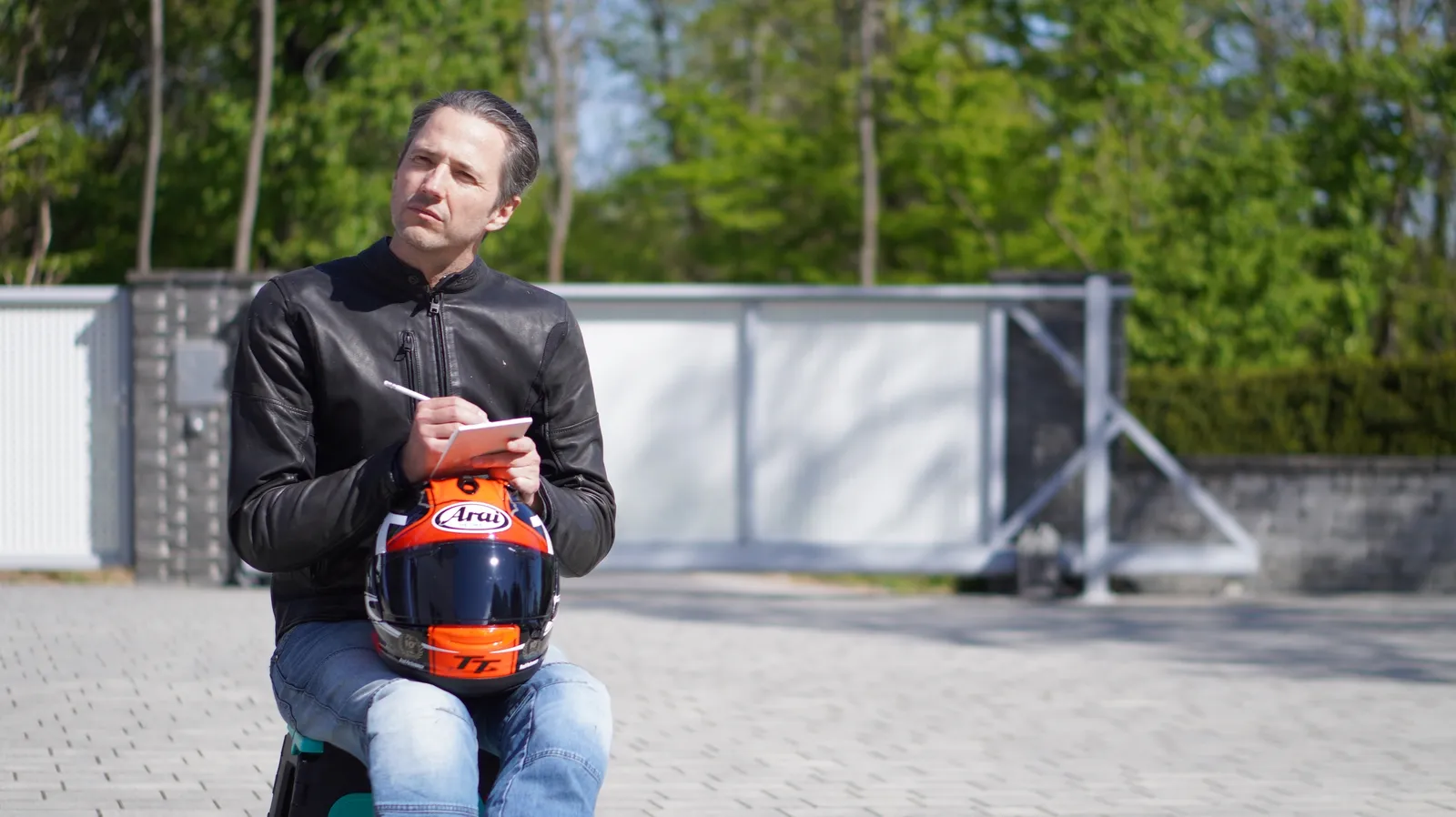
Portrait of NastyNils

The test ride

Swing a leg over and the first surprise is how civil the big single feels for something this focused. The extra stroke didn't bring the buzz you'd expect; the bars and pegs stay flat, so your hands aren't numb after an hour in the saddle. It's a physical bike to ride. The wide handlebar puts you in charge of the front and asks for some awareness in tight gaps, then pays you back with instant, low-effort course changes. Brake hard into a mountain hairpin and the anti-hopper clutch lets even riders with no supermoto miles get the rear stepping out under a downshift. That moment, when it clicks, is hard to beat. It doesn't wear you out getting to the good roads, and it still has character left when you arrive.

Rated point by point — where it earns its keep

My own 0–100 score for this bike against the class, area by area — the marker on each bar is the class average.

What this bike keeps asking for is a short, sharp corner. I'd flick it in once, spend barely a moment at the apex, then have it upright and driving out the far side. There's no reward here for long, patient arcs held at full lean; the bike wants you to change direction, settle, and get on with the next one. That rhythm matches exactly how I like to attack a twisty road, and it falls into the pattern without any coaxing from me. It's a style that punishes hesitation more than aggression. Read a stretch of road as a string of quick, decisive moves rather than one flowing curve and you're working with the chassis instead of fighting it. Ride it lazily and you leave most of what it has on the table.

This is where the bike shows its mischief. Get hard on the throttle out of a corner and the front just comes up, no clutch drama needed to make it happen. In the low gears I'd carry the front wheel for a good half of the straight before the next corner arrived and the whole game started over. It's playful in a way that never feels like it's fighting you, and on a tight road that loop of lift, settle, and turn is most of the fun on offer.

Down a set of mountain switchbacks I could leave the braking later than felt sensible, corner after corner, and the bike never got flustered by it. There's a genuine steadiness to it when you haul it down hard from speed. It stays planted and composed exactly where a lighter, nervier machine would start to protest, and that's what let me keep trusting it deep into each turn instead of backing off to protect myself.

The clearest read I got on this motor came from riding in company. Line the R up next to the standard bike and I could simply ease away on any straight, without waiting for the top of the rev range to make it happen. The lead started building early and kept stretching, which tells you where the real advantage lives: right across the part of the range you actually use, not just at the far end.

I didn't expect something this single-minded to be so easy to live with over a full day, yet a long ride through the mountains never turned into an endurance test. It just keeps covering ground without making you pay for it afterward, and it stays interesting from the first hour to the last. That combination is rarer than it sounds on a bike built to attack a road rather than smooth it over, and it's the reason this one earns its keep beyond the occasional blast.

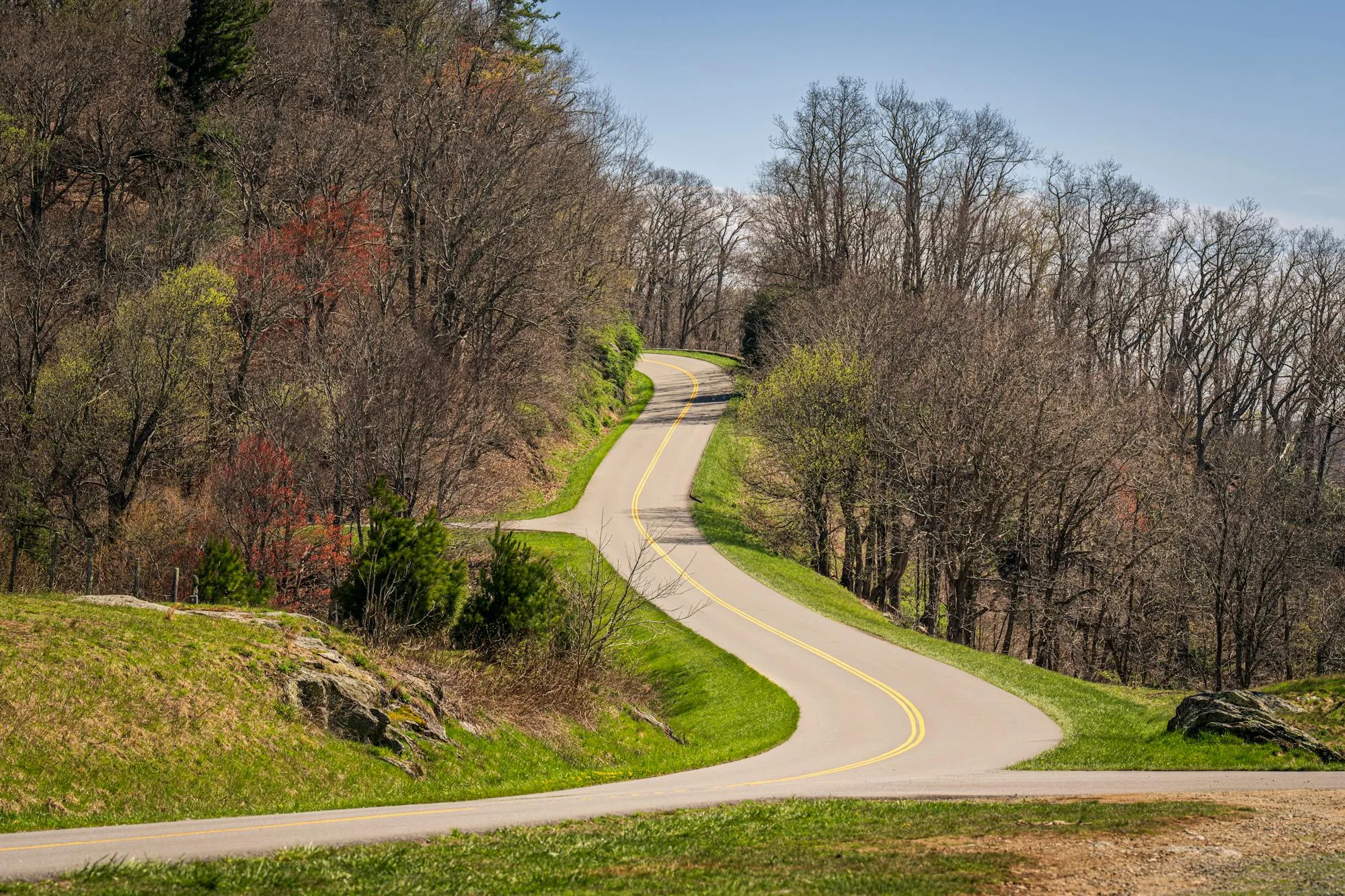
A winding asphalt road descending through the Appalachian Mountains, likely the famous Tail of the Dragon section in Tennessee and North Carolina. Multiple technical right-hand and left-hand curves are visible in this aerial perspective, surrounded by deciduous forest in spring foliage. Clear sunny conditions, well-maintained asphalt with yellow center lines marking the curves.
Mark Stebnicki / Pexels

The Truth on the Street

This isn't my own test ride. It's what I've gathered over years of listening to riders: forum threads, paddock conversations, owner chats, and the messages that land in my inbox directly. Pull all of that together for the 690 Duke R and one pattern stands out clearly. Riders love the way it handles, and the ones who ride it every day grumble about the trade-offs.

Where the praise piles up

The loudest and most consistent theme is handling. Riders describe a bike that turns with real precision and stays planted when pushed, changing direction the instant you ask and carrying serious corner speed. Much of that credit goes to how little there is to move; owners keep calling it light and flickable, easy to muscle through tight corners and around city obstacles. The engine has its own following. The single pulls hard through the midrange with a gritty, engaging character that riders find addictive, even if nobody pretends it's smooth.

The gripes that keep surfacing

The complaints cluster around living with it day to day. That same firm suspension riders praise on a good road goes harsh over rough surfaces, and owners say it tires them out around town and on the commute. The big single also sends noticeable vibration through the bars and pegs at highway speed, enough to leave hands numb on longer runs. A smaller group brings up cost, pointing out that the R asked a steep price for a one-cylinder bike.

Known issues

  • Rocker arm bearing failure

    engineoccasional

    The rocker arm bearings can fail prematurely, sometimes as early as 5,000 km, causing loud engine noise and, in severe cases, damage to the camshaft. Regular inspection and replacement of the rocker arms are recommended at every major service.

  • Fuel system problems

    fuel systemoccasional

    Clogging of the fuel filter or failure of the fuel pump can occur, leading to poor running, hesitation, or stalling. The issue is often exacerbated by contaminated fuel or extended periods without use.

The Expert Benchmark

Where this KTM 690 Duke R pulls ahead of — or falls behind — its rivals on the numbers, and the typical bike in its class on character.

What kind of bike this is — character vs. the class

This bike Class average

The shape of the KTM 690 Duke R — numbers and character vs. the average Naked Bike

Head-to-head: KTM 690 Duke R vs. its rivals

The 'Should I Buy It?' Score

Forget spec-sheet bragging. Here's who the 690 Duke R is actually built for.

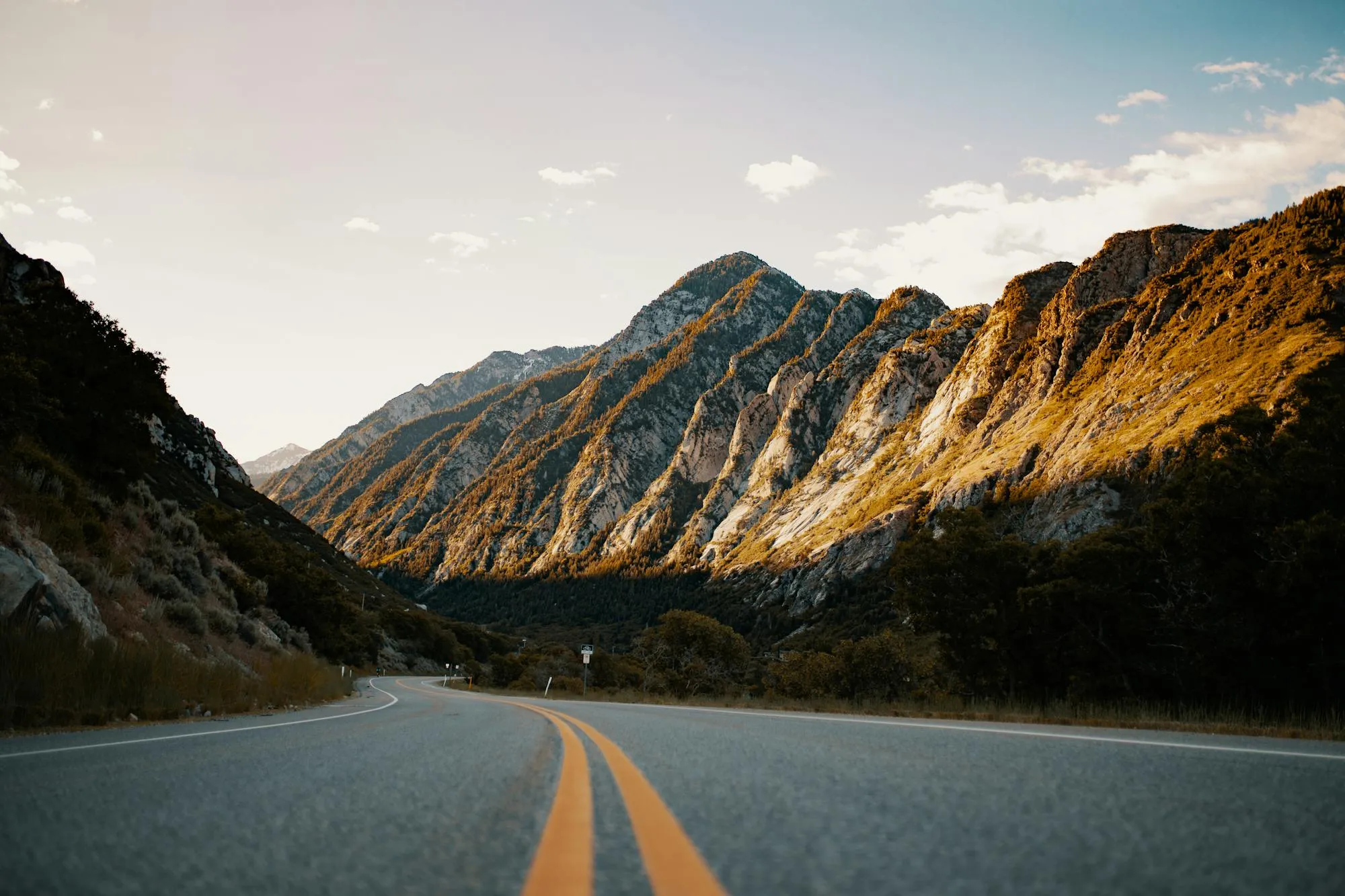
A scenic view of Angeles Crest Highway winding through rugged Southern California canyon terrain. Rocky mountainsides with golden earth tones frame the asphalt road with tight sweeping curves. Double yellow center line visible, sparse vegetation along the shoulders, clear blue sky with white clouds. Daylight, dry conditions. Iconic location for canyon-road enthusiasts.
Josh Sorenson / Pexels

Best motorcycle for Angeles Crest?

This is your kind of tool. Light, sharp, and telepathic through the front, it's built to attack Angeles Crest and reward the precision you ride for. Just know the seat runs tall.

Made for Angeles Crest Highway · Coronado Trail / US 191 · Highway 1 / Big Sur
Best motorcycle for Tail of the Dragon?

If skill over speed is the game on the Dragon and Cherohala, this fits. It changes direction instantly and talks to you at the edge of grip, exactly what tight technical work needs.

Made for Back of the Dragon · Blue Ridge Parkway · Cherohala Skyway

Best motorcycle for Bay Area?

It handles your city commute and turns Skyline into playtime, with modern looks that photograph well. The tall seat and single-purpose focus are the trade for that sharpness.

Made for Bay Area Ridge Roads · San Francisco / Bay Area · Skyline Boulevard / Alice's Restaurant

What's new versus the previous generation

If you're cross-shopping the older generation, here's what changed.

KTM 690 Duke (MY2008)

Previous generation · 2008–2011

KTM 690 Duke (MY2008)

One Cylinder, Zero Filler

Compare to the previous model →

Alternatives to the KTM 690 Duke R

If this one isn't quite the fit, these are the bikes worth riding back-to-back against it.

Any price note compares both bikes at the same age — the youngest age both have on the used market — against this KTM 690 Duke R. “cheaper/pricier” is what that bike costs second-hand, not how worn it is.