
Kawasaki D-Tracker 125 (DTRACKER125-MY2010) — Supermoto
NastyNils / Kawasaki press archive

2010–2017 · Supermoto · Buyer's Guide

D-Tracker 125 (DTRACKER125-MY2010)

Featherweight Supermoto For City Streets

The Machine's Character

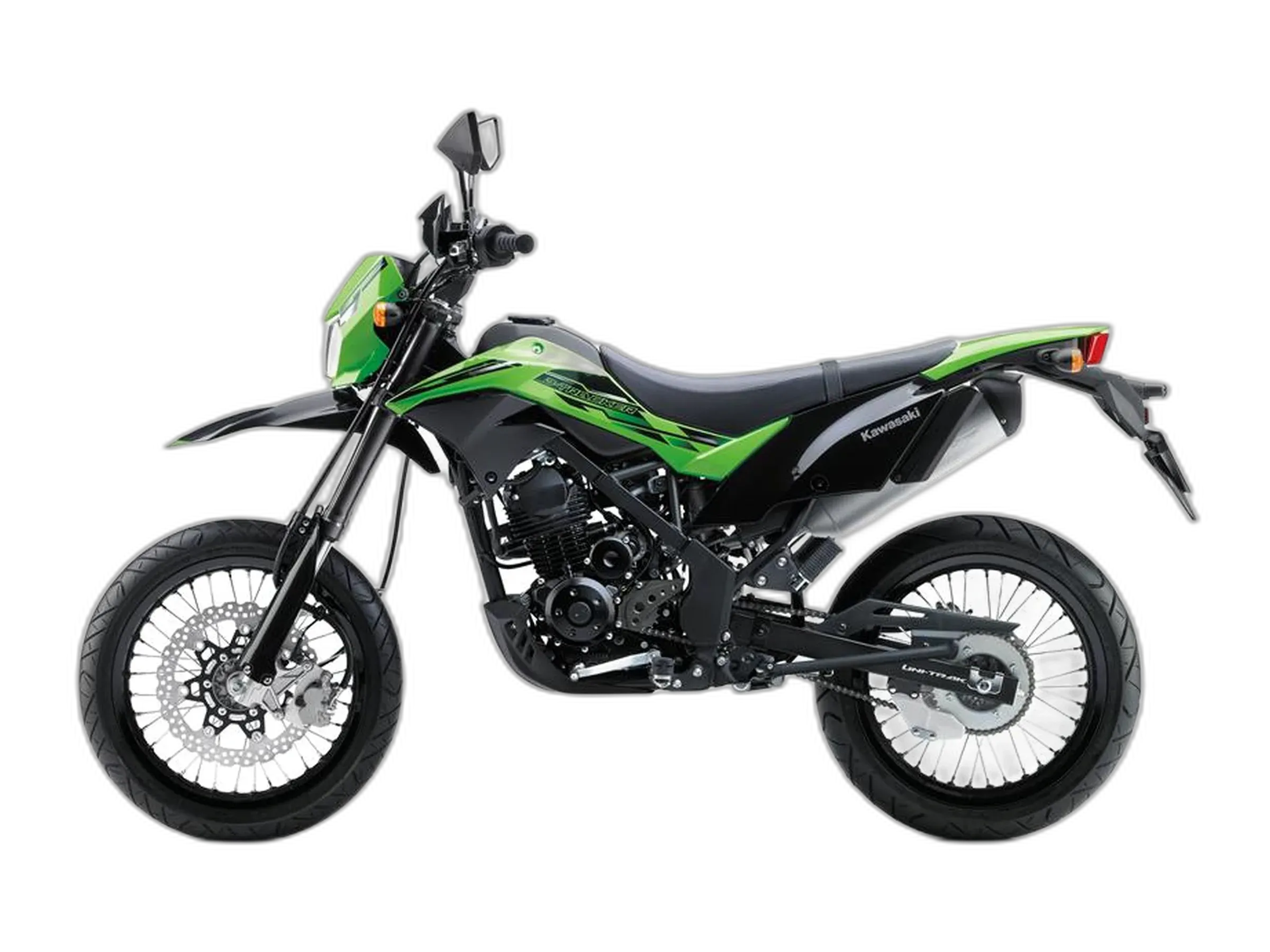
This is Kawasaki's entry point into supermoto, and it wears its trail-bike roots openly. The chassis and the air-cooled 125 cc single come straight off the KLX125 dirt platform, then pick up street wheels, a 240 mm petal disc, and an upside-down fork to look the part. At 251 lb (114 kg) wet it is genuinely tiny, and the 31.7 in (805 mm) seat sits low for the class. Peak output is 10 hp, so this was never built to bully a spec sheet. It lives at the accessible, beginner end of the supermoto world, and it owns that spot honestly.

On the road it rides exactly as light as the numbers promise. It flicks between lanes with almost no effort, holds a tidy line, and asks nothing of your wrists or your nerve. Running costs stay low and the whole thing is easy to live with day to day. The honest caveat is speed: with 10 hp and 7 lb-ft it runs short of breath early and tops out around 62 mph (100 km/h), so open roads and any real hurry sit outside its world. Watch the steel frame too, because the thin paint corrodes fast if you ride through winter or park it outside.

Hard Numbers

Spec sheets don't ride bikes, but they set the baseline.

Show full specs & equipment Hide specs & equipment
Key specifications
Power 10 hp (8 kW) @ 8,000 rpm
Torque 7 lb-ft (10 Nm) @ 6,400 rpm
Displacement 125 cc
Engine Single-cylinder
Cooling Air-cooled
Gearbox 5-speed
Final drive Chain
Fork Upside-down (USD)
Front brake 240 mm
Front tire 100/80-14
Rear tire 120/80-14
Wheelbase 49.4 in (1255 mm)
Front travel 5.9 in (150 mm)
Rear travel 7.1 in (180 mm)
Seat height 31.7 in (805 mm)
Wet weight 251 lb (114 kg)
Fuel capacity 1.8 gal (7 L)
Top speed 62 mph (100 km/h)

The Voice of Experience

Portrait of NastyNils

The test ride

Thumb the starter and the little air-cooled single settles into a light, buzzy idle that never pretends to be anything bigger. The clutch pull is feather-soft, the controls ask for almost nothing, and within a block you stop thinking about them at all. You sit low and narrow, feet reaching the ground with room to spare, the bars falling right into your hands. Point it into a turn and the bike drops in the instant you look through the corner, then leans on and on with more clearance than you ever go looking for. At town speed it feels alive and playful, eager to be tipped side to side. Wind it up on a faster stretch and the buzz coming through the pegs builds while the scenery slows down around you, a plain reminder that this machine is happiest darting about rather than charging off into the distance.

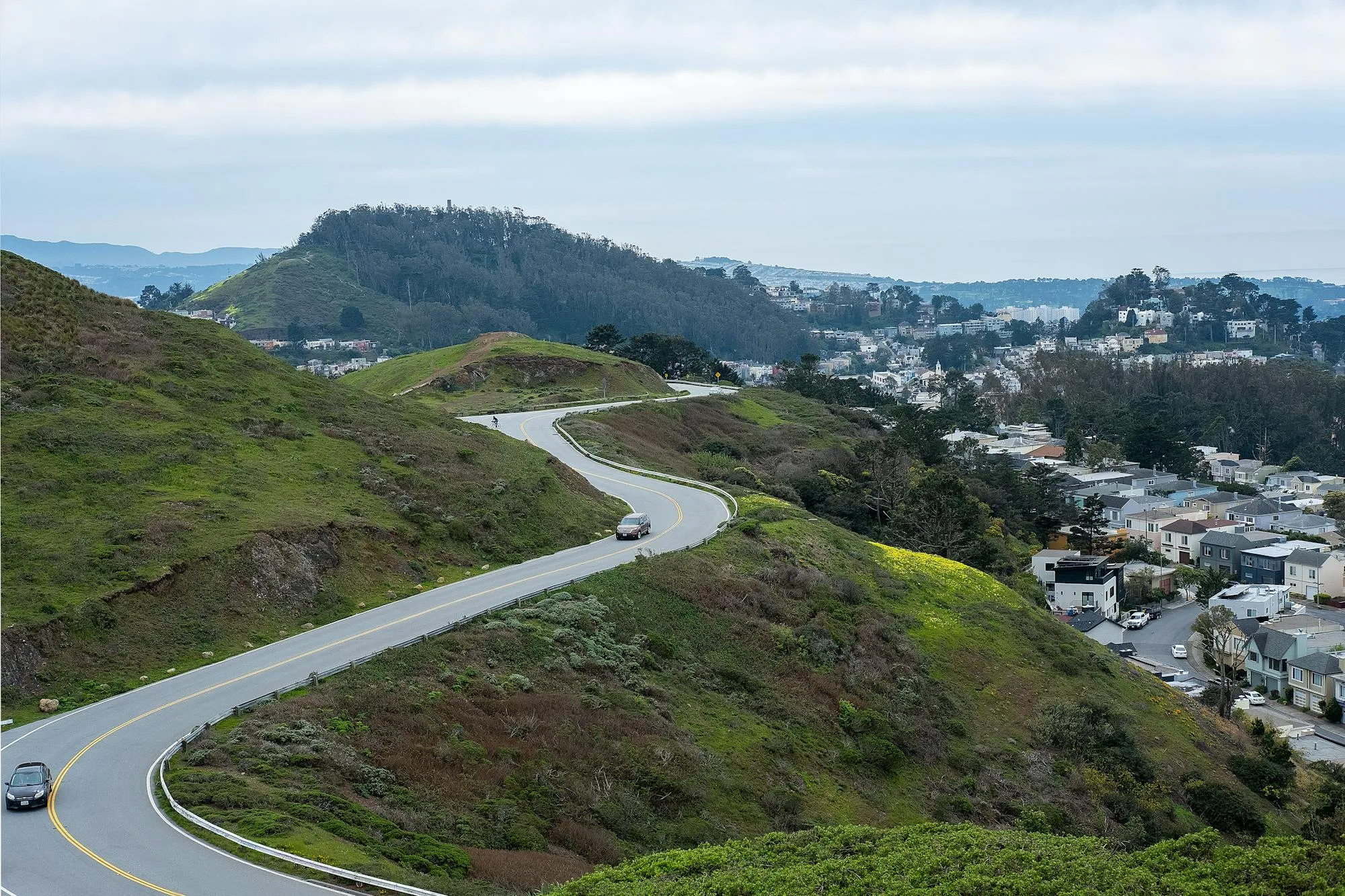
Aerial view of a winding asphalt road traversing rolling green hills in the Bay Area, likely Skyline Boulevard. The road curves through lush grassland with residential development visible in the distance.
David Mcelwee / Pexels

The Truth on the Trail

The read here comes from years of paying attention to the people who own these bikes: talk in the pits, owner chats, and the notes and messages riders send my way. Line all of it up on this little Kawasaki and one thing surfaces first. Owners trust how it stops and how little it costs to run, then keep circling back to the shortage of power.

The brakes riders count on

The front brake earns steady praise. Owners describe confident, strong stopping up front, enough to lift the rear into a stoppie when they go looking for it. Alongside that, the air-cooled single gets quiet credit for sipping fuel and, kept in service, staying dependable and out of the workshop.

Where the complaints gather

The recurring gripe is thrust. Riders talk about acceleration that tests your patience and a motor with little in reserve, so it lags once the surroundings pick up speed. The suspension draws similar frustration: unrefined at both ends, jittery over rough surfaces and unsettled as the pace climbs. Cheap switchgear and thin finish round out the list.

Known issues

  • Frame rusts quickly

    chassiscommon

    The steel perimeter frame has only a thin coat of paint and is prone to corrosion, especially if ridden in winter or stored outdoors.

The Expert Benchmark

Where this Kawasaki D-Tracker 125 pulls ahead of — or falls behind — its rivals on the numbers, and the typical bike in its class on character.

What kind of bike this is — character vs. the class

This bike Class average

Head-to-head: Kawasaki D-Tracker 125 vs. its rivals

The 'Should I Buy It?' Score

Forget spec-sheet bragging. Here's who the D-Tracker 125 is actually built for.

Aerial photograph of downtown Austin, Texas, showing modern high-rise buildings against a clear blue sky. Urban infrastructure, highways, and parking structures visible in the foreground.
Thomas Balabaud / Pexels

Best motorcycle for Angeles Crest?

Angeles Crest at your usual pace will bury this little single. It's a joyful city and learner tool, not a canyon weapon, so if the twisties are your main event, look higher up the range.

Made for Angeles Crest Highway · Coronado Trail / US 191 · Highway 1 / Big Sur

Best motorcycle for Bay Area?

For city hops and coffee runs it's a genuinely fun, easy companion that photographs well. But Skyline's flowing pace exposes the 10 hp quickly, so treat it as an around-town toy first.

Made for Bay Area Ridge Roads · San Francisco / Bay Area · Skyline Boulevard / Alice's Restaurant

Best motorcycle for Tail of the Dragon?

The featherweight handling is great for drilling low-speed corner technique, but the Dragon rewards punch this bike simply doesn't have. Fine for practice, short on pace for the real thing.

Made for Back of the Dragon · Blue Ridge Parkway · Cherohala Skyway