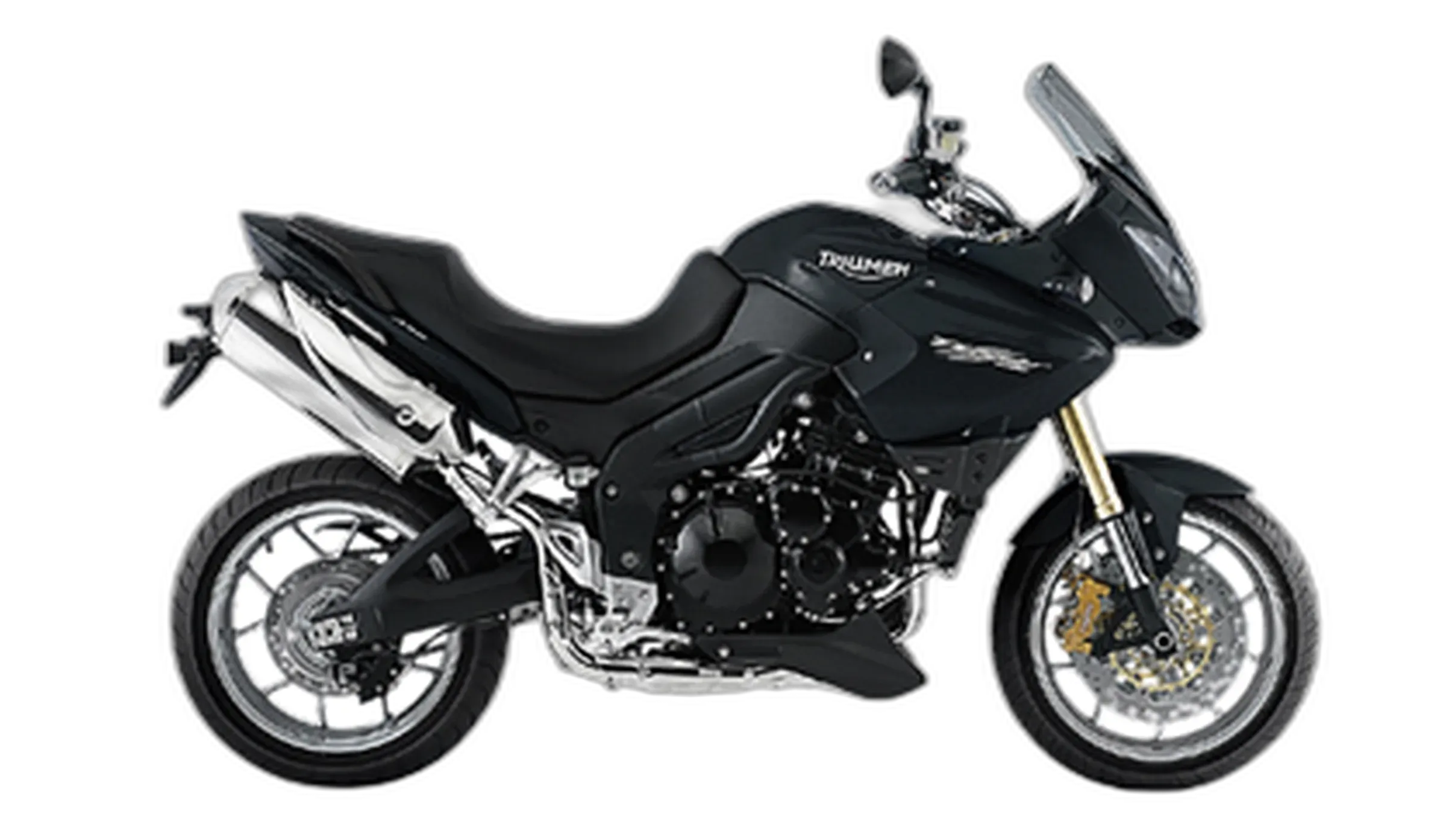


Triumph Tiger 1050 (MY2007) — Sport Tourer
Triumph Press

2007–2012 · Sport Tourer · Buyer's Guide

Tiger 1050 (MY2007)

4 / 5 NastyNils Rating · against its class

The Triple With Street Soul

The Machine's Character

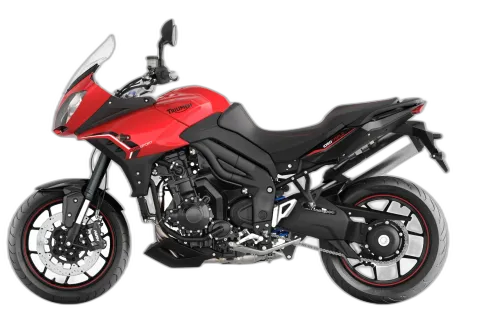
Triumph built this Tiger for pavement. The 1050 cc inline-three shares its architecture with the Speed Triple, and here it makes 113 hp with 74 lb-ft behind it, wrapped around a chassis running 17-inch wheels at both ends, an upside-down fork and 320 mm front discs. Suspension is adjustable front and rear from the factory. Rider electronics are not part of the deal: no traction control, no ride modes, no cruise control. ABS, a center stand and luggage were options rather than standard, so check what the bike in front of you actually carries.

On the road that adds up to a sport tourer with genuine reach. It weighs 534 lb wet, holds 5.3 gal, returns about 33 mpg, and stays civil under a rider for a full day. It suits people who want backroads and 200 to 400 mile days without giving up pace. The caveats are real. At 32.7 in the seat is tall and the bike wants a firm hand. Some early 2007 engines cracked pistons or lost bottom-end bearings around 30,000 miles, the charging system (stator and regulator/rectifier) is a known weak point, and 2011 to 2012 bikes fall under the turn signal stem recall, RM2013/007.

Hard Numbers

Spec sheets don't ride bikes, but they set the baseline.

Show full specs & equipment Hide specs & equipment
Key specifications
Power 113 hp (85 kW)
Torque 74 lb-ft (100 Nm)
Displacement 1050 cc
Engine Inline-three
Cooling Liquid-cooled
Gearbox 6-speed
Final drive Chain
Fork Upside-down (USD)
Front brake 320 mm
Front tire 120/70-17
Rear tire 180/55-17
Seat height 32.7 in (830 mm)
Wet weight 534 lb (242 kg)
Fuel capacity 5.3 gal (20 L)
Top speed 133 mph (214 km/h)
Fuel economy 33 mpg (US)

Equipment check

Chassis

  • Front Suspension Adjustable Standard
  • Rear Suspension Adjustable Standard

Comfort

  • Luggage System Optional

Safety

  • ABS Optional

The Voice of Experience

Portrait of NastyNils

The test ride

The first thing you register is the height. Swing a leg over and the Tiger sits you up tall with wide bars ahead of you and a clear view over traffic. The levers ask for long fingers and the mechanical clutch asks for grip, which smaller hands will notice after a couple of hours. Once you're rolling, the triple fills the cockpit with a hard metallic note that climbs with the revs, and the buzz through the pegs and bars stays busy without turning coarse. It flatters an aggressive body position too. Slide off the seat, drop a shoulder, and the bike moves with you instead of resisting, so old sportbike habits transfer straight across. At the end of a long day you climb off tired in the legs rather than wrecked in the back and forearms.

Rated point by point — where it earns its keep

My own 0–100 score for this bike against the class, area by area — the marker on each bar is the class average.

The seat is the easy part of this motorcycle. I'd sign up for a full day on it without hesitation, and a passenger gets the same deal. The suspension asks more of you. On broken pavement the factory settings gave me a good deal less than all that travel promises, and the fix isn't a workshop visit, it's a few minutes at the roadside with the adjusters. They do respond, properly and predictably. You just have to be the kind of rider who's willing to stop and experiment rather than assume the bike came sorted.

What keeps impressing me is how little the chassis cares which style I bring to a road. Sitting up tall with wide elbows through blind mountain corners, it drops into the turn with almost no effort and lets me place the front wheel exactly where I want it. Get greedy on a fast open sweeper instead and it firms up into something genuinely precise. Two different bikes, one chassis, and no setup change in between.

These are sporting brakes fitted to a machine plenty of people will buy for touring, and that mismatch announces itself the first time you really squeeze the lever. There's more urgency there than the bike's long-distance side leads you to expect, and the agile chassis adds its own restlessness to the braking zone. Arriving off something big and heavy, give yourself a few deliberate stops before you lean on them.

The triple's manners at low and medium revs are what surprised me most: clean throttle pickup, no surging, nothing to correct with your right hand. I spent whole stretches of slow traffic sitting in sixth and the motor never once complained. Higher up it changes character completely and drives out of a bend with a force that catches you out the first few times. My one gripe sits at the top of the rev range. Everything good about this motor is happening right when the electronics call time, and it took me a while to stop asking for revs that aren't there.

Ridden with intent, this behaves like a naked bike or a sport tourer rather than the tall machine it looks like from the outside. I could hold a properly quick pace on a mountain road in a full hang-off position, and the bike met me there instead of asking me to calm down. That's the real trick of it: sportbike pace stays available, and the cost of a long day at that pace stays low.

Very few motorcycles reach across this many kinds of rider without leaving one of them badly served. Touring people, naked bike people, sport tourers, riders stepping over from adventure machines: each group gets a real motorcycle out of this, not versatility used as an excuse for doing nothing well. The clear exception is serious dirt riding. That's outside what the Tiger is built for, and I wouldn't pretend otherwise.

Sunset over the Adriatic Sea near Primosten, Croatia. Golden hour light bathes calm water in warm tones, with a small sailboat on the distant horizon. Rocky vegetation frames the right foreground. Clear skies and gentle conditions.

The Truth on the Street

This part isn't my riding notes. It's two decades of listening: pit-lane conversations, owners catching me at club nights, questions after demo days, and the messages riders send me directly. On the Tiger 1050 that chatter lines up unusually well. The engine leads almost every conversation, and the complaints that repeat sit around the gearbox and low-speed handling rather than anything deeper.

What owners bring up first

The triple dominates. Owners talk about strong pull from low in the rev range, a sound they never tire of, and a hard rush at the top when they wring it out. Handling comes up next, with riders saying it changes direction more willingly than the size suggests and settles once it's leaned over. Comfort trails close behind, and day-long rides get described as routine rather than an achievement.

The complaints that keep repeating

The gearbox draws the most consistent criticism. Riders call it notchy and slow to take a shift, lower gears especially. Owners who ride hard bring up the suspension next, saying the comfort-first setup runs short of composure under heavy braking and aggressive cornering. A steady number also mention the height and the weight carried high in the bike, which shows up at walking pace and in parking lots, more so for shorter riders.

Known issues

  • Turn signal stem fracture (safety recall)

    electrics rare Recall

    Turn signal stems can fracture, potentially causing the indicator to detach. This affects multiple Triumph models from 2011-2012. Recall RM2013/007 mandates replacement of the stems.

  • Early engine piston and bottom-end failures

    engine rare

    Some early 2007 models suffered from cracked pistons, broken ring lands, and bottom-end bearing failure, often appearing around 30,000 miles. Triumph addressed many cases under warranty, and later years seem unaffected.

  • Stator and regulator/rectifier failure

    electrics occasional

    The charging system components (stator, reg/rec) are known weak points, especially on bikes with many electrical accessories. Failure leads to battery drain and, eventually, a stranded bike.

The Expert Benchmark

Where this Triumph Tiger 1050 pulls ahead of — or falls behind — its rivals on the numbers, and the typical bike in its class on character.

What kind of bike this is — character vs. the class

This bike Class average

The shape of the Triumph Tiger 1050 — numbers and character vs. the average Sport Tourer

Head-to-head: Triumph Tiger 1050 vs. its rivals

The Long-Haul Verdict

Forget spec-sheet bragging. Here's who the Tiger 1050 is actually built for.

Aerial view of a winding asphalt road cutting through volcanic terrain on La Gomera, Canary Islands. The road curves through sparse green vegetation with rocky volcanic peaks visible in the background and a settled valley to the left. Clear lane markings, dry climate, partly cloudy sky.

Best motorcycle for Highway 1?

This one is squarely yours. Comfort for 200 to 400 mile days, a seat that keeps up, and enough pace on Highway 1 or the Blue Ridge that you never wish you'd brought something sharper.

Made for Black Hills · Blue Ridge Parkway · Cherohala Skyway
Best motorcycle for Tail of the Dragon?

It handles the Dragon and the Cherohala better than its size suggests and rewards a clean, committed line. Give the suspension an afternoon with the adjusters before you judge it.

Made for Back of the Dragon · Blue Ridge Parkway · Cherohala Skyway
Best touring motorcycle for long distance?

Range and all-day comfort are there for Beartooth or Going-to-the-Sun. Just know that luggage was an option rather than standard, and there is no cruise control for the long interstate stretches.

Made for Beartooth Highway · Blue Ridge Parkway · Going-to-the-Sun Road

What's new versus the previous generation

If you're cross-shopping the older generation, here's what changed.

Triumph Tiger 955i (MY2005)

Previous generation · 2005–2006

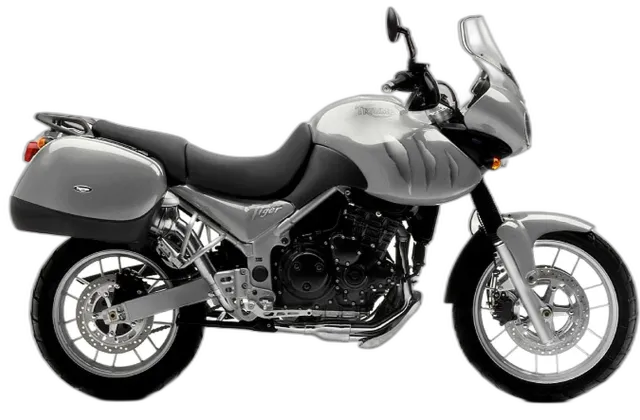
Triumph Tiger 955i (MY2005)

The Triple That Toured

Compare to the previous model →