

Yamaha X-Max 250 (XMAX250-Gen2) — Scooter
Yamaha Press

2010–2013 · Scooter · Buyer's Guide

X-Max 250 (XMAX250-Gen2)

4.5 / 5 NastyNils Rating · against its class

City Machine, Full Stop

The Machine's Character

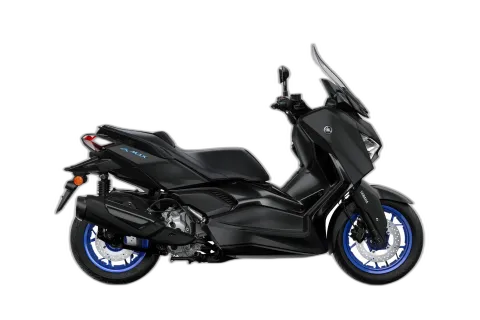
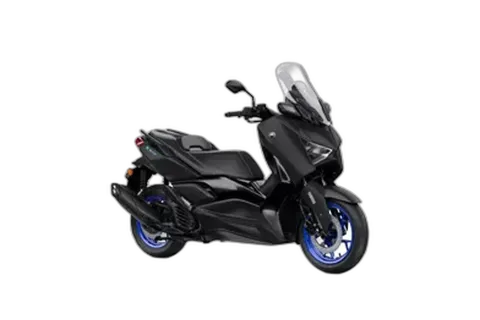
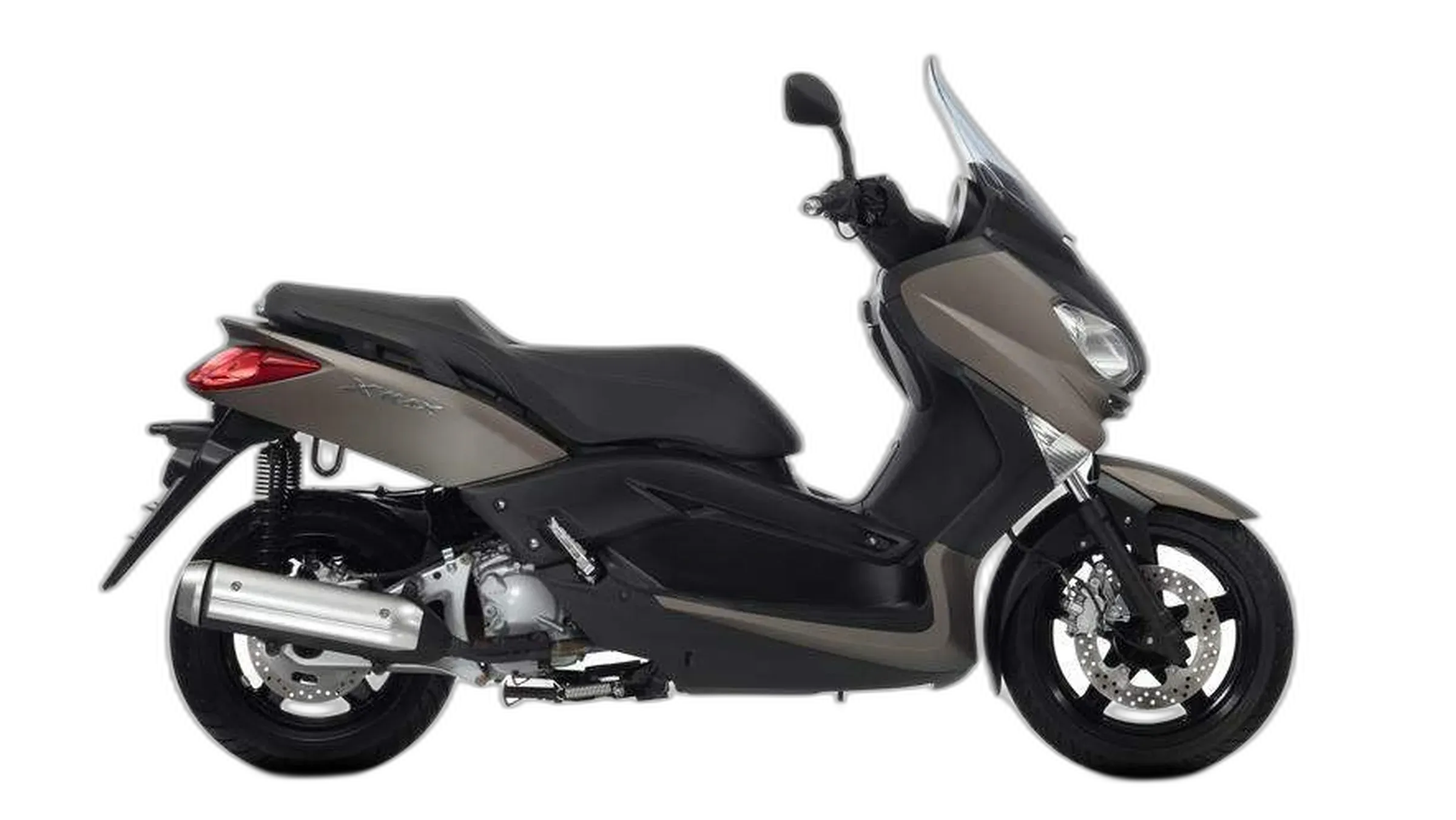
This generation of the X-Max 250 is a maxi-scooter built on a simple, proven recipe. A fuel-injected, liquid-cooled 250 cc single makes 20 hp at 7,500 rpm and 15 lb-ft at 6,000 rpm. Power goes through a CVT automatic and a belt final drive, so there's no clutch lever and no gearbox to think about. It all sits in a steel double-cradle frame on a 15-inch front and 14-inch rear wheel. Wet weight is 388 lb (176 kg), a center stand comes standard, the rear shock takes preload adjustment, and ABS was available as an option. Honest, sensible hardware.

The spec sheet makes the purpose clear: this is a scooter for city and suburban commuting. A 31.2 in (792 mm) seat, a twist-and-go drivetrain and a 60.8 in (1,545 mm) wheelbase point to a rider who wants easy, low-stress transport every single day. The 84 mph (135 km/h) top speed covers short freeway stretches. It isn't built for long interstate hauls. With 67 mpg and a 3.5 gal (13.2 L) tank, you're looking at well over 200 miles between fill-ups. This isn't Yamaha's wild side. It's the practical one, and for daily miles that's the whole point. Purpose-built.

Hard Numbers

Spec sheets don't ride bikes, but they set the baseline.

Show full specs & equipment Hide specs & equipment
Key specifications
Power 20 hp (15 kW) @ 7,500 rpm
Torque 15 lb-ft (21 Nm) @ 6,000 rpm
Displacement 250 cc
Engine Single-cylinder
Cooling Liquid-cooled
Final drive Belt
Fork Telescopic
Front brake 267 mm
Front tire 120/70-15
Rear tire 140/70-14
Wheelbase 60.8 in (1545 mm)
Seat height 31.2 in (792 mm)
Wet weight 388 lb (176 kg)
Fuel capacity 3.5 gal (13.2 L)
Top speed 84 mph (135 km/h)
Fuel economy 67 mpg (US)

Equipment check

Chassis

  • Rear Suspension Adjustable Standard

Safety

  • ABS Optional
Elevated aerial view of Seattle's downtown skyline looking toward the city core along a dense urban street canyon. A mix of glass-and-steel skyscrapers and mid-rise residential towers fills the frame. A construction crane is active on the left. The street below carries light vehicle traffic flanked by mature street trees.
Josh Hild / Pexels

The Truth on the Street

I've spent years listening to the people who live with this scooter: in paddocks, at club nights, in owner chats and in the emails and messages that land in my inbox. For the 2010 to 2013 X-Max 250, the picture is consistent. Riders praise it as a practical, economical and comfortable commuter, and they're just as clear about where it runs out of breath.

Two helmets and a week's groceries

The underseat space comes up more than anything else. Owners say it takes two full-face helmets or a week's worth of groceries, and they like the lockable cubby up front for the small stuff. Three more things come up almost as often. Fuel bills are low enough that owners call it one of the most economical maxi-scooters for a daily commute. The engine has a reputation for holding up with routine maintenance, and many report passing 31,000 mi (50,000 km) without a major fault. Comfort gets the same praise: a well-padded seat, relaxed ergonomics and a tall screen that keeps wind and rain off you. Some also mention how confidently it filters through traffic. That's the praise.

Where it runs out of breath

The most common complaint is power. Riders say it struggles on fast roads and highways, feels sluggish with a passenger and makes you plan every overtake carefully. Just as frequent is the ABS question: it was only offered as an option from 2013, so earlier scooters do without it, and owners see that as a real gap. Two gripes, repeated often.

The gripes that come up less

A smaller group of owners brings up three more points. The fork can send sharp bumps straight into the bars, especially on broken city streets. A neglected drive belt can slip and damage the variator, which gets expensive. And the rust on the stock exhaust tends to show up around the welds and mounting points. Not everyone mentions them. Those who do are specific!

Known issues

  • CVT belt and roller wear

    drivetrain common

    The CVT drive belt and variator roller weights wear with accumulated mileage; the rollers develop flat spots and the belt narrows and glazes. Symptoms are sluggish acceleration, reduced top speed, and vibration or judder when pulling away. A badly worn belt can fail outright and leave the scooter without drive.

  • Front fork seal leaks

    suspension occasional

    Fork seals are prone to weeping, especially after winter riding on salted roads. Regular inspection and replacement of seals can prevent oil loss.

  • Engine tapping noise at low speeds

    engine occasional

    Some owners report a tapping or rattling sound from the top end at low speeds. It is often traced to valve-clearance adjustments needed earlier than the official interval.

  • Exhaust system rust

    exhaust common

    The standard exhaust system corrodes prematurely, especially where it gets hot. Owners often replace it with a better‑built aftermarket unit.

The Expert Benchmark

Where this Yamaha X-Max 250 pulls ahead of — or falls behind — its rivals on the numbers, and the typical bike in its class on character.

What kind of bike this is — character vs. the class

This bike Class average

Head-to-head: Yamaha X-Max 250 vs. its rivals

The 'Should I Buy It?' Score

Forget spec-sheet bragging. Here's who the X-Max 250 is actually built for.

Aerial photograph of downtown Austin, Texas, showing modern high-rise buildings against a clear blue sky. Urban infrastructure, highways, and parking structures visible in the foreground.
Thomas Balabaud / Pexels

Best scooter for NYC?

Of these two riders, you're the best fit. You get a 250 cc automatic, 67 mpg, a center stand and a 31.2 in seat, all built for short hops, tight parking and low running costs. That's exactly what you asked for.

Made for New York City · Austin · Los Angeles
Best motorcycle for Bay Area?

It handles the city half of your week well. On weekend ridge roads, 20 hp and an 84 mph top speed mean you'll be riding along with the group, not setting the pace. A decent match, not a perfect one.

Made for Bay Area Ridge Roads · San Francisco / Bay Area · Skyline Boulevard / Alice's Restaurant