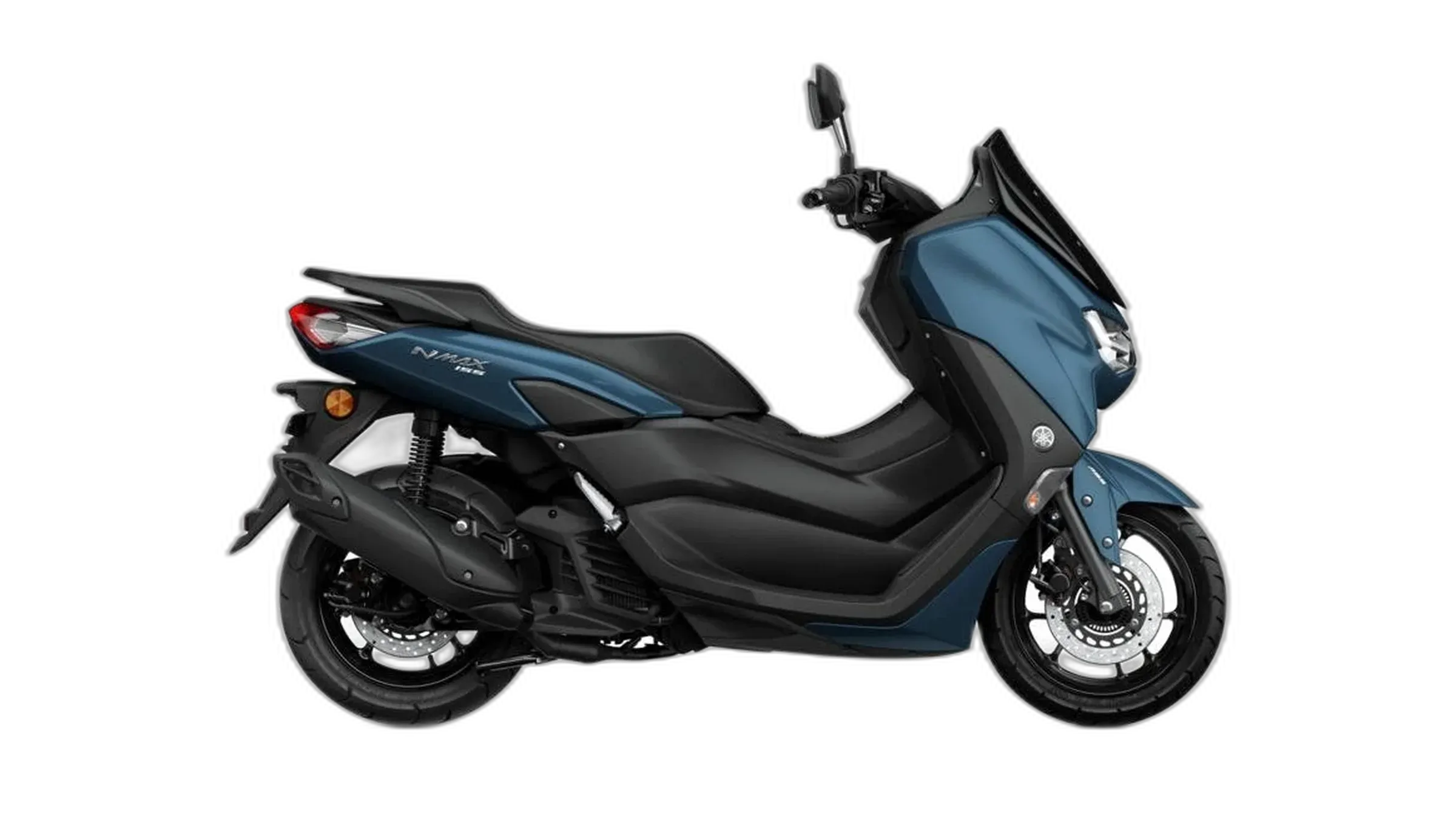
2020–2025 · Scooter · Buyer's Guide
NMAX 155 (MY2020)
City Traffic, Zero Stress
The Machine's Character
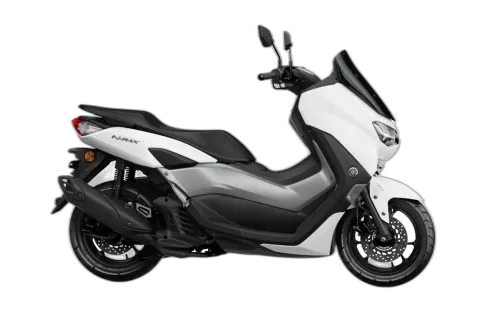
The NMAX 155 is Yamaha's answer to a plain question: what does a city rider actually need every day? At its heart is a 155 cc liquid-cooled single with Variable Valve Actuation to strengthen the midrange. It makes 15 hp and 10 lb-ft, enough to get clear of the cars when the light goes green. A CVT and belt final drive make it pure twist-and-go. What lifts this generation above the basic commuter scooter is its equipment. ABS, traction control, keyless ignition, smartphone connectivity and an LED headlight all come standard, on a scooter that weighs just 289 lb (131 kg) wet.
It ages well if you look after it. It returns 98 mpg, so the 1.9 gal (7.1 L) tank barely touches your budget, and the one maintenance job you can't skip is the CVT. Inspect the belt every 5,000–6,200 mi (8,000–10,000 km) and plan to replace it somewhere between 12,000 and 16,000 mi (20,000–25,000 km). It's built for commuters, errand runners and anyone whose riding is measured in city blocks rather than state lines. The honest caveat is speed. With a 78 mph (125 km/h) top end, long freeway stints are a strain, and neither the fork nor the shock offers any adjustment.
Hard Numbers
Spec sheets don't ride bikes, but they set the baseline.
Show full specs & equipment Hide specs & equipment
| Power | 15 hp (11 kW) @ 8,000 rpm |
|---|---|
| Torque | 10 lb-ft (14 Nm) @ 6,500 rpm |
| Displacement | 155 cc |
| Engine | Single-cylinder |
| Cooling | Liquid-cooled |
| Final drive | Belt |
| Front tire | 110/70-13 |
| Rear tire | 130/70-13 |
| Seat height | 30.1 in (765 mm) |
| Wet weight | 289 lb (131 kg) |
| Fuel capacity | 1.9 gal (7.1 L) |
| Top speed | 78 mph (125 km/h) |
| Fuel economy | 98 mpg (US) |
Equipment check
Connectivity
- Smartphone Connectivity Standard
- Keyless System Standard
Lighting
- LED Headlight Standard
Safety
- ABS Standard
- Traction Control Standard

Known issues
-
ABS sensor failure or malfunction
ABS warning light on dashboard; may cause loss of ABS function.
-
CVT belt and roller wear
Jerky acceleration, slipping, or rattling from the CVT case. Belt should be inspected every 5,000–6,200 mi (8,000–10,000 km) and replaced around 12,000–16,000 mi (20,000–25,000 km).
-
Fuel injector clogging
Rough idle, hard starting, or poor fuel economy due to contaminated fuel causing injector deposits.
-
Battery drain and smart key malfunction
Weak starting, smart key detection issues, and premature battery drain can occur, especially with frequent short trips and accessory loads.
-
Front fork seal leaks
Oil residue on lower fork legs; may lead to reduced damping performance over time.
The Numbers Compared
Compare the technical specifications of the Yamaha NMAX 155 with other bikes in its class.
Head-to-head: Yamaha NMAX 155 vs. its rivals
Power
Torque
Displacement
Wet weight
Top speed
Seat height
What's new versus the previous generation
If you're cross-shopping the older generation, here's what changed.
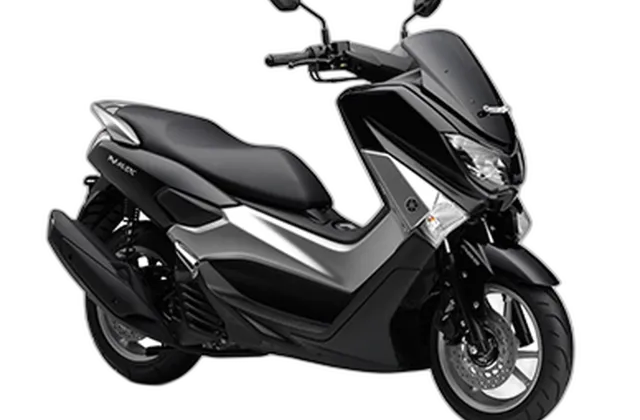
Previous generation · 2015–2019
Yamaha NMAX 155 (MY2015)
City Traffic's Easy Rider
Compare to the previous model →Alternatives to the Yamaha NMAX 155
If this one isn't quite the fit, these are the bikes worth riding back-to-back against it.