
Vespa PX 125 (MY2011_Euro3) — Scooter
Vespa Press

2011–2017 · Scooter · Buyer's Guide

PX 125 (MY2011_Euro3)

4 / 5 NastyNils Rating · against its class

Old Soul, Manual Gearbox

The Machine's Character

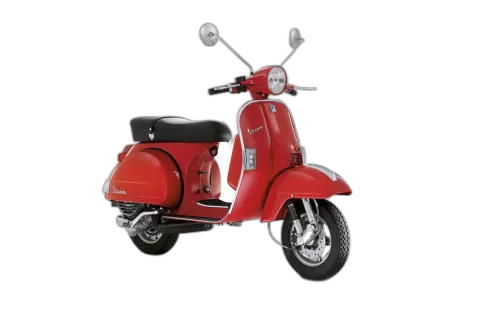
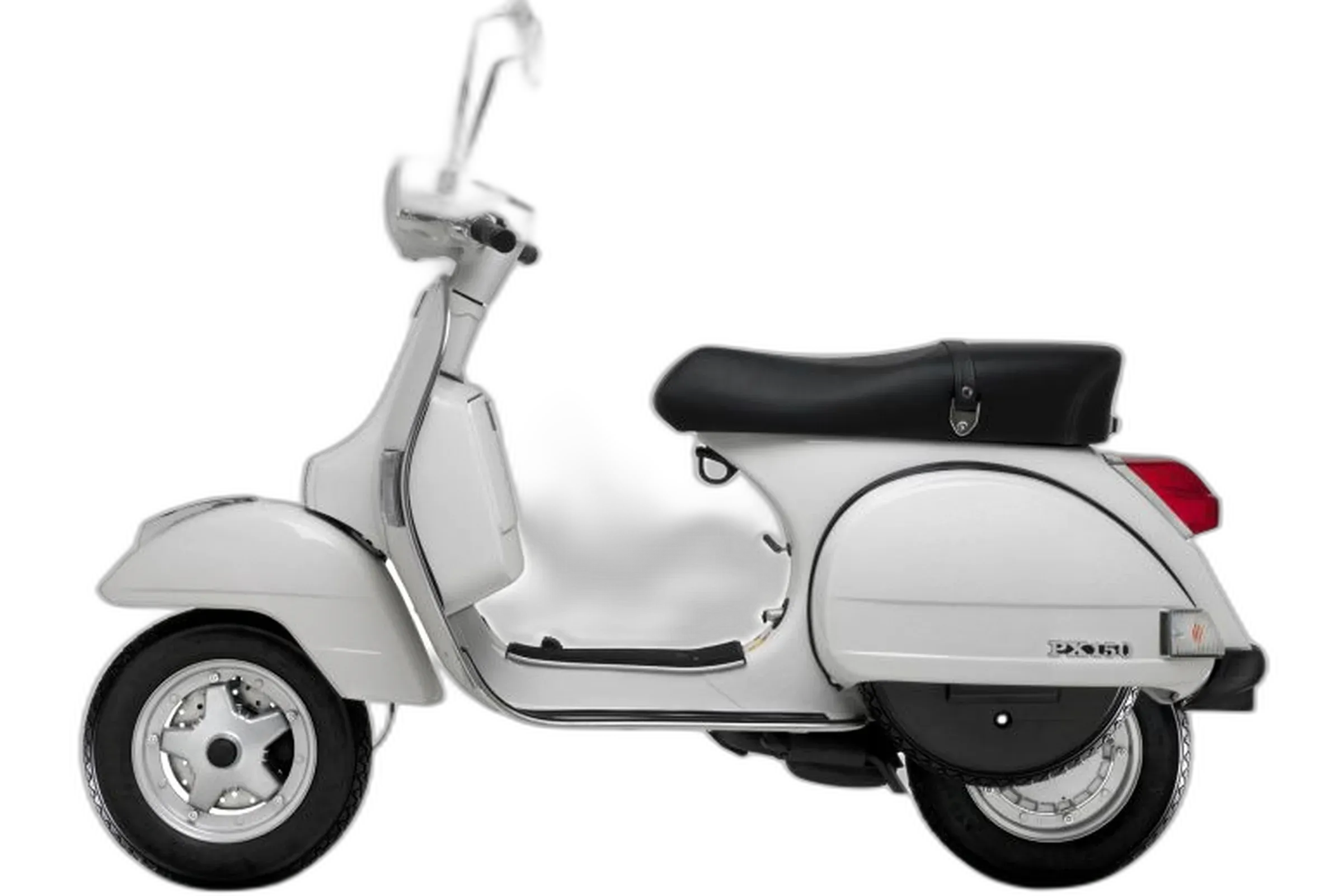
The PX 125 is the Vespa most people picture when they hear the name: a pressed-steel monocoque body, an air-cooled single and gears you change with a twist of the left grip. This Euro3 generation keeps that formula alive under modern emissions rules. It doesn't pretend to be anything else. It has 123 cc, 6 hp, 7 lb-ft and four speeds. On paper that's modest, but in the city it's enough, because the whole package is compact, weighs 243 lb (110 kg) wet and slips through gaps a bigger scooter won't try. Real substance behind the style!

You ride this scooter. You don't just sit on it. Clutch, twist-grip shifting and a kickstart keep you involved in every stop-and-go block, and that's exactly the appeal. It ages like a simple machine. The carburetor wants cleaning now and then, and clutch plates and kickstart teeth wear. All of it is mechanical, fixable and backed by a strong aftermarket. The honest caveat: a 56 mph (90 km/h) top speed keeps you off the freeway, and there's no ABS. It's a city machine. Full stop.

Hard Numbers

Spec sheets don't ride bikes, but they set the baseline.

Show full specs & equipment Hide specs & equipment
Key specifications
Power 6 hp (4.8 kW) @ 6,000 rpm
Torque 7 lb-ft (10 Nm)
Displacement 123 cc
Engine Single-cylinder
Cooling Air-cooled
Gearbox 4-speed
Final drive Direct drive
Front brake 200 mm
Front tire 3.50-10
Rear tire 3.50-10
Wheelbase 49.6 in (1260 mm)
Seat height 31.9 in (810 mm)
Wet weight 243 lb (110 kg)
Fuel capacity 2.1 gal (8 L)
Top speed 56 mph (90 km/h)

Equipment check

Comfort

  • Luggage System Optional
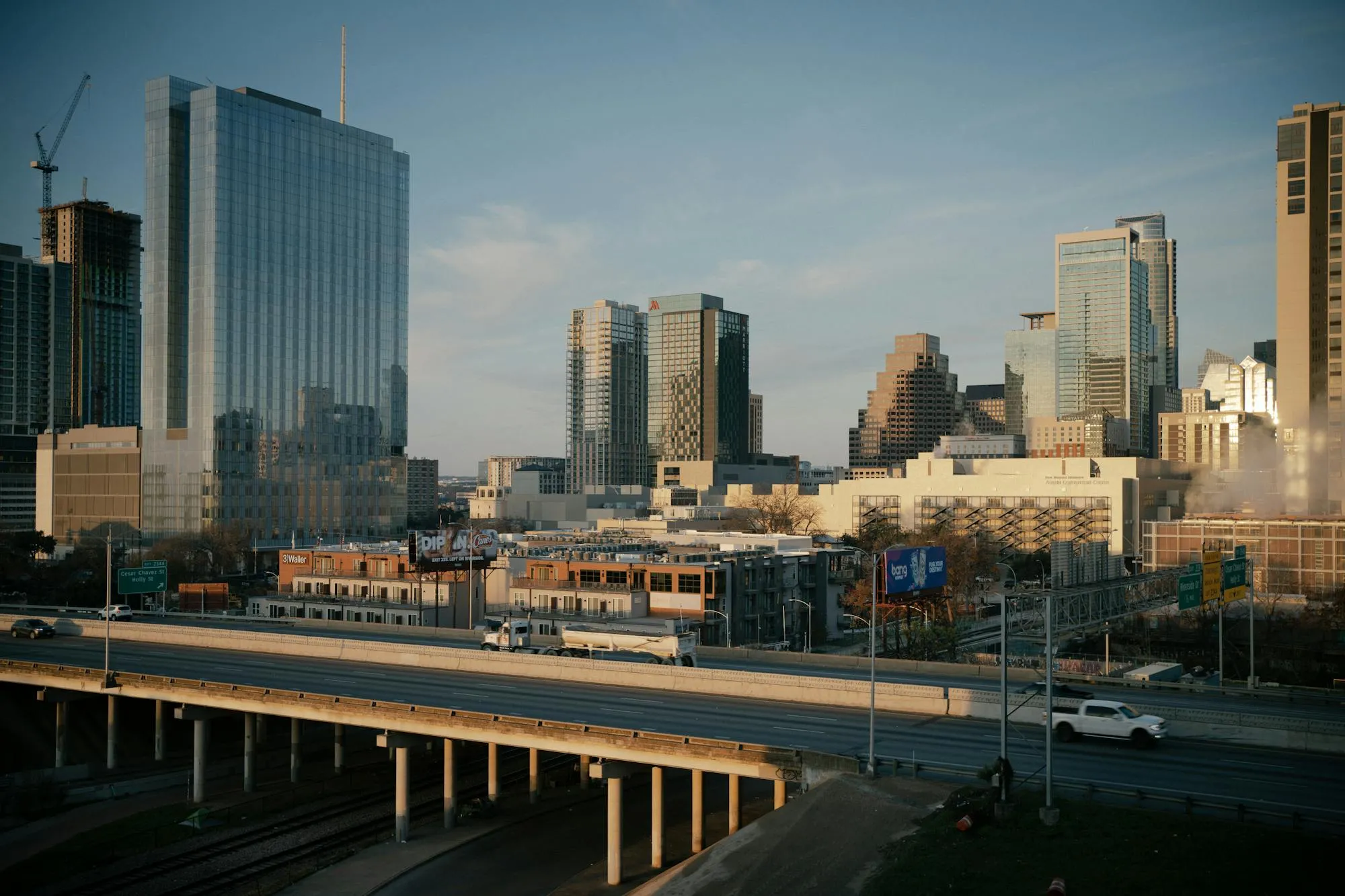
Elevated aerial view of Seattle's downtown skyline looking toward the city core along a dense urban street canyon. A mix of glass-and-steel skyscrapers and mid-rise residential towers fills the frame. A construction crane is active on the left. The street below carries light vehicle traffic flanked by mature street trees.
Josh Hild / Pexels

The Truth on the Street

Over the years I've heard a lot about the PX 125. It comes up in the paddock, over coffee with owners, at club nights and in the messages riders send me. The picture barely changes: people love its character and simplicity, and they're just as open about the upkeep that comes with it.

Why owners keep riding it

Riders consistently call the air-cooled two-stroke a dependable workhorse, simple enough that many owners handle the maintenance themselves. The hand-shifted four-speed and nimble chassis come up again and again as the reason they ride it at all. Owners say it keeps them engaged in a way modern automatics don't. The classic silhouette still draws people who buy with their eyes first. Style is part of the deal.

The chores owners talk about

The complaint you hear most is a PX that won't fire up easily and won't hold a steady tickover. Most owners end up chasing it in the carburetor. Some riders say the cable-operated drums need frequent adjustment and feel short on bite next to discs. Others mention a worn clutch slipping under load, or a kickstart that starts grinding with age. Familiar chores, all of them.

Known issues

  • Weak drum brake performance

    brakes occasional

    Drum brakes require constant adjustment to maintain effectiveness; worn shoes and contaminated surfaces can significantly reduce stopping power.

  • Carburettor idle and starting difficulties

    fuel system common

    Erratic idle, stalling, and hard starting are often caused by carburettor blockages, incorrect jetting, or air leaks around the inlet manifold. Cleaning, re-jetting, and checking gaskets usually resolve the issue.

  • Clutch slipping

    drivetrain occasional

    The clutch plates may wear, causing the engine to rev without transferring power. Replacing plates and adjusting cable tension addresses the problem.

  • Kickstart mechanism wear

    engine occasional

    The kickstart gear can slip or grind due to wear on the teeth or the engagement mechanism. Repair typically requires replacement of the worn components.

The Expert Benchmark

Where this Vespa PX 125 pulls ahead of — or falls behind — its rivals on the numbers, and the typical bike in its class on character.

What kind of bike this is — character vs. the class

This bike Class average

Head-to-head: Vespa PX 125 vs. its rivals

The 'Should I Buy It?' Score

Forget spec-sheet bragging. Here's who the PX 125 is actually built for.

Aerial photograph of downtown Austin, Texas, showing modern high-rise buildings against a clear blue sky. Urban infrastructure, highways, and parking structures visible in the foreground.
Thomas Balabaud / Pexels

Best scooter for NYC?

If your commute is short, dense and full of tight parking, this fits. It's light, compact and easy to park. Just accept the manual shifting, the carb upkeep and a 56 mph ceiling that rules out freeways.

Made for New York City · Austin · Los Angeles
Best motorcycle for Bay Area?

It's the most photogenic thing at the meetup, and it's great in town. With 6 hp and a 56 mph top speed, though, it's for the ride to the café, not for keeping pace on the ridge roads.

Made for San Francisco Bay Area · Skyline Boulevard · Big Sur Coast Highway

What's new versus the previous generation

If you're cross-shopping the older generation, here's what changed.

Vespa PX 125 (MY2008_Ultima)

Previous generation · 2008

Vespa PX 125 (MY2008_Ultima)

The Last Manual Vespa

Compare to the previous model →

Alternatives to the Vespa PX 125

If this one isn't quite the fit, these are the bikes worth riding back-to-back against it.