
Vespa PX 150 (MY2011_PX150_Euro3) — Scooter
Vespa press archive

2011–2017 · Scooter · Buyer's Guide

PX 150 (MY2011_PX150_Euro3)

4 / 5 NastyNils Rating · against its class

The Purist's Manual Shift

The Machine's Character

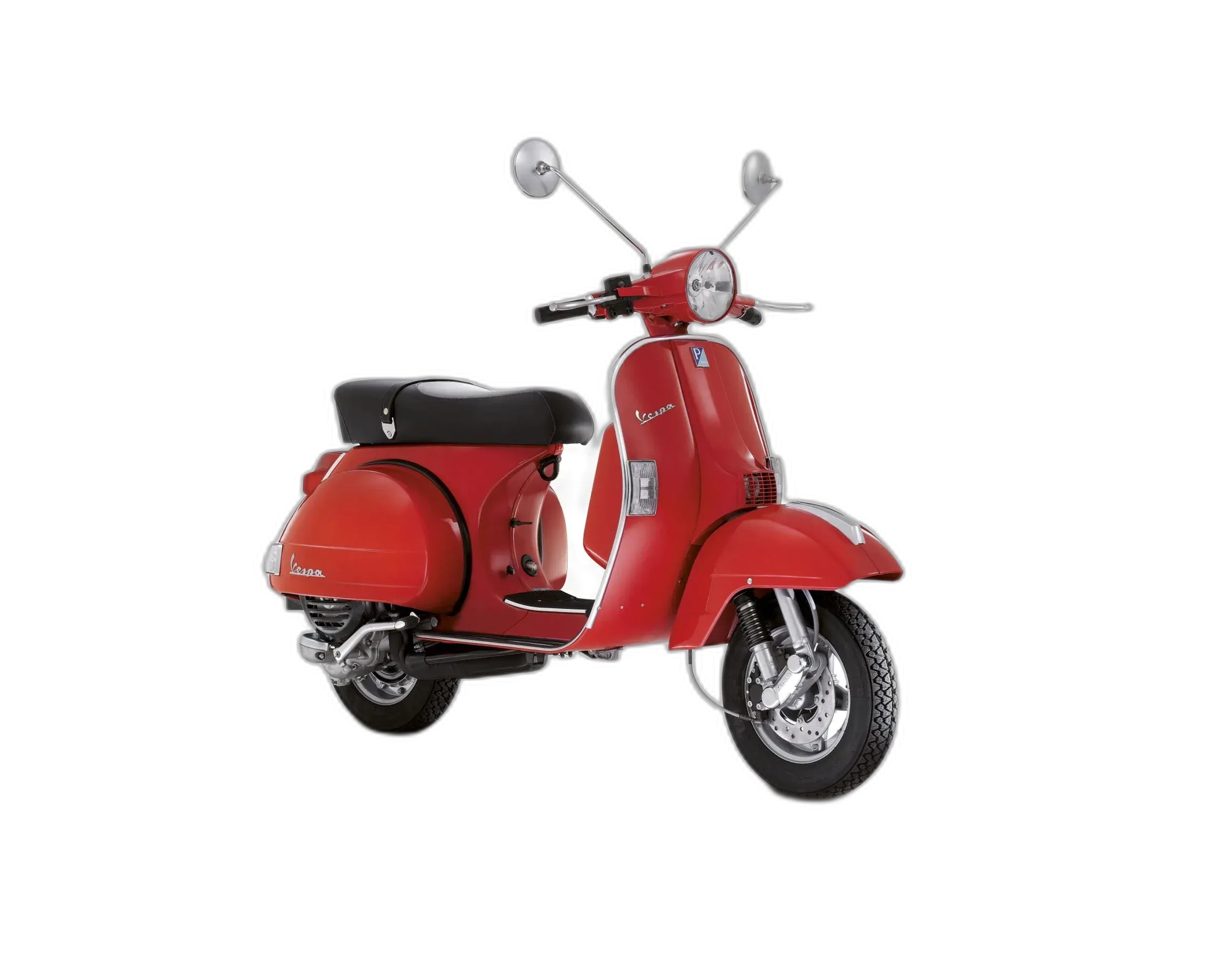
The PX 150 is the manual-shift Vespa in its purest form: a steel monocoque body, an air-cooled 150 cc two-stroke single and a four-speed gearbox you shift by twisting the handlebar grip. This generation meets Euro 3 and stays true to the classic P-series design without dressing it up. There's no ABS, no traction control, no ride modes and no USB port. You get 8 hp, 8 lb-ft and a 247 lb (112 kg) scooter that fits through gaps a car driver wouldn't even notice. It's built for purists who want vintage character and mechanical simplicity, not modern tech. That's the whole point!

In town it's in its element. It's light, compact and dead easy to place, and it feels special every time you park it. Top speed is 54 mph (87 km/h), and I wouldn't go chasing it: this engine doesn't like being held flat-out for long stretches, and piston seizure under sustained full throttle is a known problem. Add front brake shudder, a carburetor that can weep fuel and spark plugs that foul with carbon, and you know what you're signing up for. Low running costs and strong aftermarket potential help. You still have to want a hands-on relationship with your scooter. Buy it with your heart, maintain it with your head.

Hard Numbers

Spec sheets don't ride bikes, but they set the baseline.

Show full specs & equipment Hide specs & equipment
Key specifications
Power 8 hp (5.8 kW)
Torque 8 lb-ft (11 Nm)
Displacement 150 cc
Engine Single-cylinder
Cooling Air-cooled
Gearbox 4-speed
Front tire 3.50-10
Rear tire 3.50-10
Wheelbase 49.6 in (1260 mm)
Seat height 31.7 in (805 mm)
Wet weight 247 lb (112 kg)
Fuel capacity 2.1 gal (8 L)
Top speed 54 mph (87 km/h)
Elevated aerial view of Seattle's downtown skyline looking toward the city core along a dense urban street canyon. A mix of glass-and-steel skyscrapers and mid-rise residential towers fills the frame. A construction crane is active on the left. The street below carries light vehicle traffic flanked by mature street trees.
Josh Hild / Pexels

The Truth on the Street

I've heard a lot from PX 150 owners over the years: in the paddock, at club nights, over coffee after a ride, and in the messages riders send me directly. When you put all that talk together, the picture is split. Owners like how easy it is to learn and to wrench on. The complaint that keeps coming up is how well it holds together.

Easy to learn, easy to fix

Riders who had never shifted a manual before say the clutch and four-speed box make it easy to pick up. Once it clicks, they enjoy how involved the ride feels. Some owners also like that there's so little on it to go wrong: a carbureted two-stroke and basic mechanics you can work on yourself. Nothing hidden.

Where owners lose patience

Build quality is the most consistent gripe. Several owners describe cheap components and frequent failures, and they say it doesn't last as well as older Vespas or other Vespas of its day. A few riders say the Euro 3 tune makes the engine feel flat, with sluggish pickup and lazy throttle response off the line. Others say the rear drum brake doesn't stop hard enough. That's the other side.

Known issues

  • Front disc brake shudder and instability

    brakes occasional

    Severe vibration through the front end under braking, described as massive shuttering that compromises rider confidence and safety.

  • Piston seizure at sustained highway speeds

    engine rare

    Engine failures occur when ridden flat-out for extended periods; the piston seizes, resulting in a sudden loss of power and potential crash risk.

  • Widespread reliability problems across multiple systems

    engine very common

    Owners consistently report a litany of failures involving the engine (seizures, power loss), electrics (ignition gremlins), and brakes (shudder, poor modulation). Build quality is universally panned as a steep decline from older Vespa standards.

  • Fuel leak from carburetor body

    fuel system occasional

    Some units develop a persistent fuel weep at the carburetor flange, which even multiple warranty repairs often fail to fix permanently.

  • Fouled spark plugs from carbon buildup

    engine occasional

    The two-stroke tuning under Euro 3 causes excessive carbon that coats the spark plug ceramic, leading to misfires and hard starting.

The Expert Benchmark

Where this Vespa PX 150 pulls ahead of — or falls behind — its rivals on the numbers, and the typical bike in its class on character.

What kind of bike this is — character vs. the class

This bike Class average

Head-to-head: Vespa PX 150 vs. its rivals

The 'Should I Buy It?' Score

Forget spec-sheet bragging. Here's who the PX 150 is actually built for.

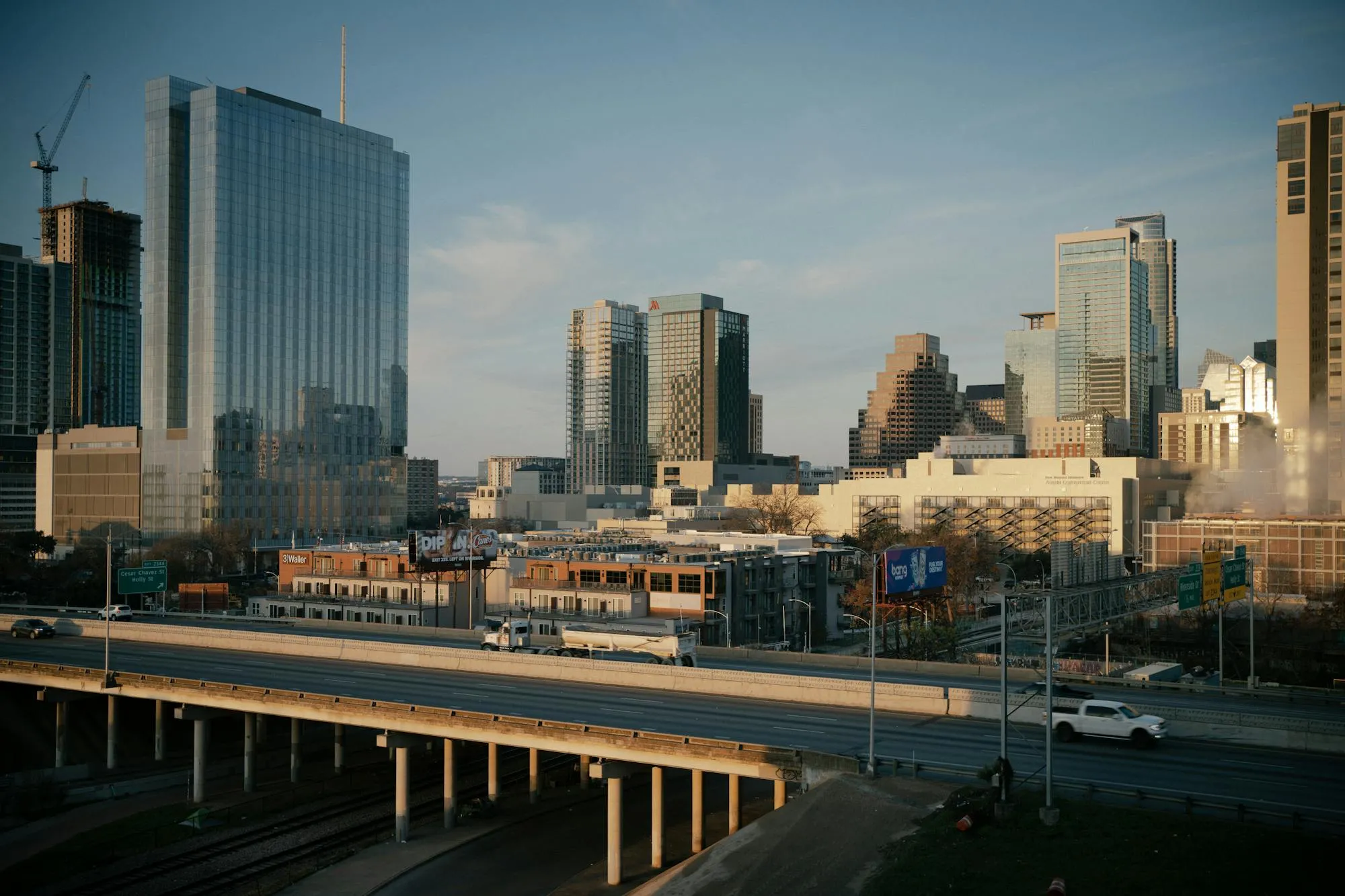
Aerial photograph of downtown Austin, Texas, showing modern high-rise buildings against a clear blue sky. Urban infrastructure, highways, and parking structures visible in the foreground.
Thomas Balabaud / Pexels

Best scooter for NYC?

If your day is short hops, tight parking and dense traffic, this fits beautifully. Just accept that it wants a hand on the shifter and an owner who doesn't mind the occasional wrench.

Made for New York City · Austin · Los Angeles

Best motorcycle for Bay Area?

At the café meet and the photo stop, it's pure charm. With 8 hp and 54 mph on tap, ride the ridge roads gently and never flat-out for long. It's a stylish city piece, not a weekend canyon tool.

Made for San Francisco Bay Area · Skyline Boulevard · Big Sur Coast Highway