·
2012–2018 · Scooter · Buyer's Guide
GTS 300 i.e. (MY2012_GTS300_Gen1)
Italian Soul, City Instincts
The Machine's Character
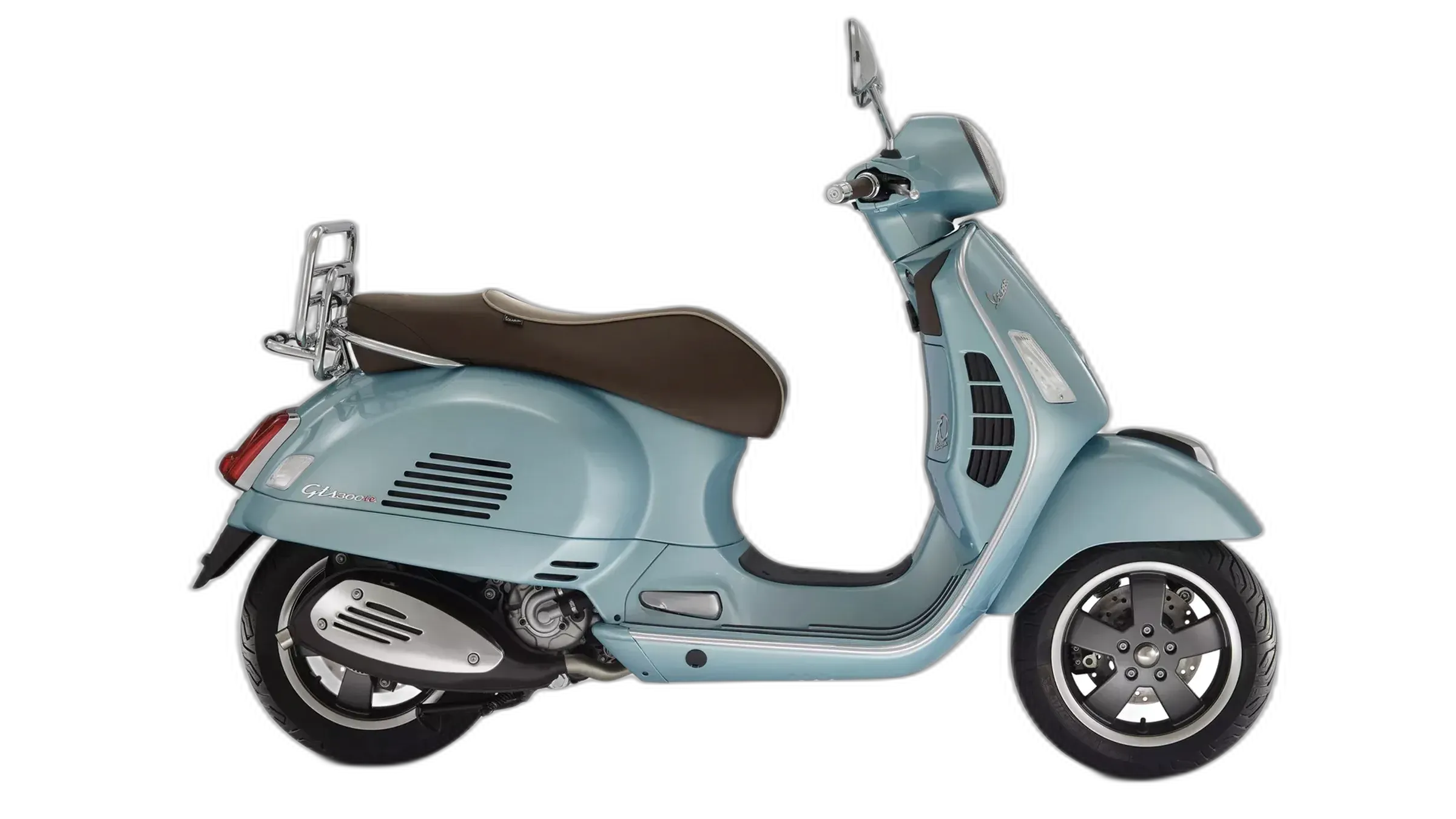
The GTS 300 i.e. is the big-body Vespa of its era, and its shell is the whole story: a pressed-steel monocoque, so the body itself is the structure. Inside sits a 278 cc liquid-cooled single making 22 hp at 7,500 rpm and 16 lb-ft at 5,000 rpm, with a belt taking drive to the rear wheel. It rolls on 12-inch wheels and is rated at 80 mph flat out. In the Vespa range of these years, it's the flagship. It's the one that pairs the iconic shape with enough engine to leave the city limits behind. Style with substance!
Read the spec sheet and the target is clear: the city comes first, with the highway still within reach. With a 31.1 in (790 mm) seat, it's a manageable package for daily traffic, and the tank holds 2.4 gal (9.2 L). The rear shock takes preload adjustment, which helps when you carry a passenger, and ABS was available as an option. This is for you if you buy a Vespa for how it looks but still expect it to do a real job every day and handle the odd weekend trip. Beauty that commutes.
Hard Numbers
Spec sheets don't ride bikes, but they set the baseline.
Show full specs & equipment Hide specs & equipment
| Power | 22 hp (16 kW) @ 7,500 rpm |
|---|---|
| Torque | 16 lb-ft (22 Nm) @ 5,000 rpm |
| Displacement | 278 cc |
| Engine | Single-cylinder |
| Cooling | Liquid-cooled |
| Final drive | Belt |
| Front brake | 220 mm |
| Front tire | 120/70-12 |
| Rear tire | 130/70-12 |
| Seat height | 31.1 in (790 mm) |
| Fuel capacity | 2.4 gal (9.2 L) |
| Top speed | 80 mph (129 km/h) |
Equipment check
Chassis
- Manually Adjustable Rear Suspension Standard
Safety
- ABS Optional

Known issues
-
Front end wobble at high miles
Some GTS models develop a front-end handlebar wobble during deceleration or at speed, attributed to steering head bearing play, unbalanced wheels, uneven tire wear, or improperly weighted handlebar ends. The issue is aggravated when carrying a passenger or heavy rear cargo that unweights the front wheel.
-
Catastrophic engine failure (dropped valve)
Isolated reports exist of a valve dropping into the cylinder, causing severe engine damage. This appears to be a rare occurrence, possibly linked to neglected maintenance.
-
Premature exhaust gasket failure
The standard exhaust gasket can disintegrate in as little as 3,000 miles, leading to increased noise and, if ignored, potential damage to the exhaust manifold.
-
Rear shock absorber wear
Bikes that have covered high mileages, especially when used extensively with a passenger or luggage, can suffer from premature rear shock wear, necessitating replacement.
The Numbers Compared
Compare the technical specifications of the Vespa GTS 300 i.e. with other bikes in its class.
Head-to-head: Vespa GTS 300 i.e. vs. its rivals
Power
Torque
Displacement
Top speed
Seat height
What's new versus the previous generation
If you're cross-shopping the older generation, here's what changed.
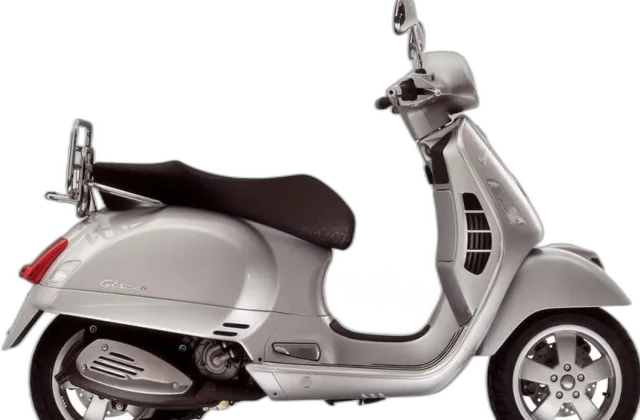
Previous generation · 2006–2008
Vespa GTS 250 i.e. (MY2006_GTS250ie_Gen1)
Italian Style, Real Street Manners
Compare to the previous model →Alternatives to the Vespa GTS 300 i.e.
If this one isn't quite the fit, these are the bikes worth riding back-to-back against it.
Any price note compares both bikes at the same age — the youngest age both have on the used market — against this Vespa GTS 300 i.e.. “cheaper/pricier” is what that bike costs second-hand, not how worn it is.