
Kawasaki J300 (MY2014) — Scooter
Kawasaki press archive

2014–2020 · Scooter · Buyer's Guide

J300 (MY2014)

4 / 5 NastyNils Rating · against its class

City Agility, Kawasaki Honest

The Machine's Character

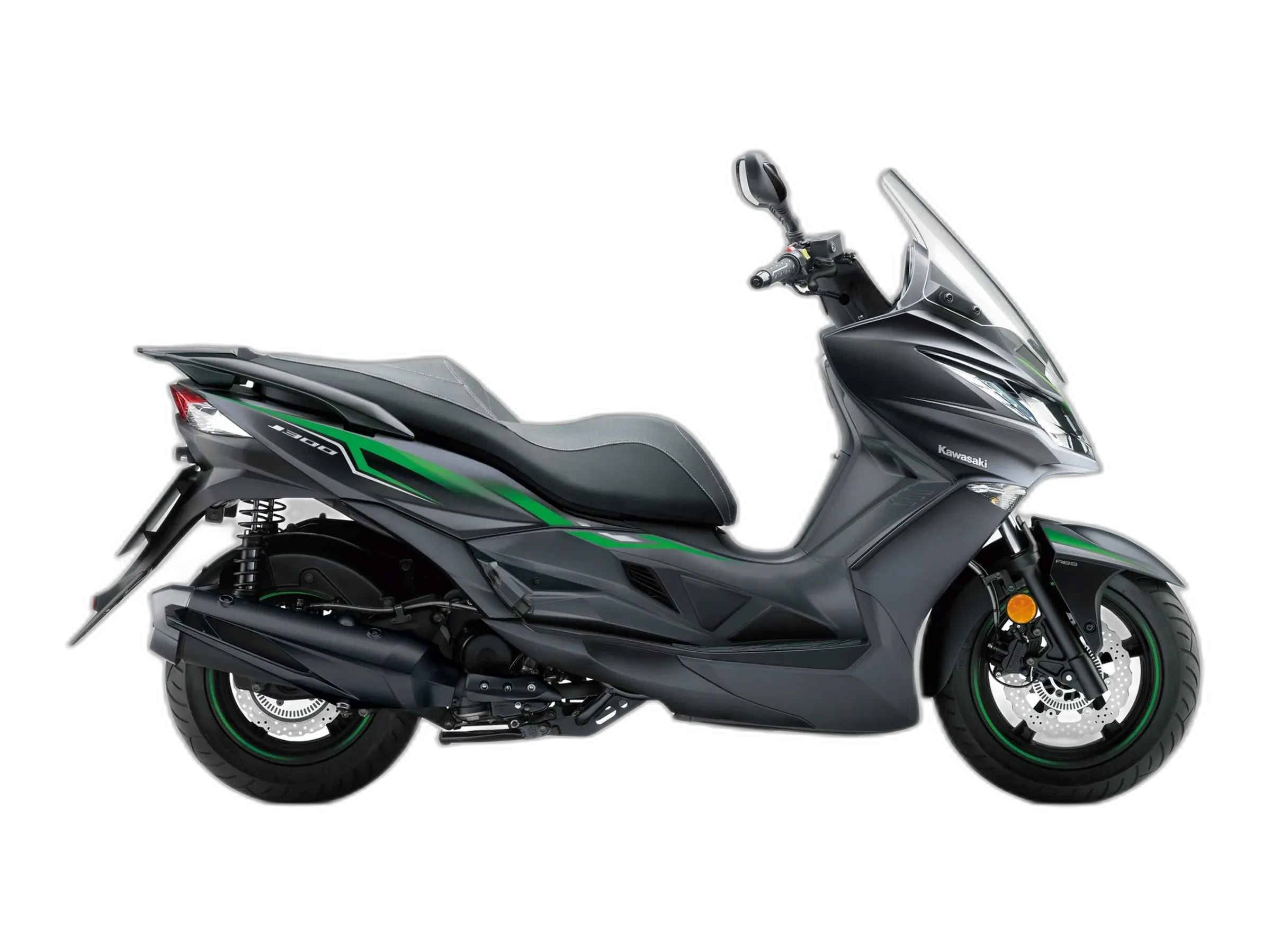
The J300 is Kawasaki's entry into the mid-capacity scooter class, and the recipe is typical for the brand: take a proven concept and give it your own edge. The base is a proven 299 cc liquid-cooled single with belt final drive in a steel tube frame, developed with a partner. Kawasaki put its own styling, ECU tuning and suspension setup on top. The numbers are honest for the class: 28 hp at 7,750 rpm, 21 lb-ft and 421 lb (191 kg) wet. ABS is standard. No decoration, just substance.

On paper, this hardware is built for the daily grind with a sporty streak. A 14-inch front and 13-inch rear wheel, a 30.5 in (775 mm) seat and light, accessible handling point straight at dense city traffic. The 87 mph (140 km/h) top speed and a 3.4 gal (13 L) tank at 59 mpg stretch that to the roads beyond town. Underseat storage, a center stand, solid weather protection and preload-adjustable rear suspension cover the practical side. That points to you if you want a commuting tool that isn't an appliance. Pragmatic, but not boring.

Hard Numbers

Spec sheets don't ride bikes, but they set the baseline.

Show full specs & equipment Hide specs & equipment
Key specifications
Power 28 hp (21 kW) @ 7,750 rpm
Torque 21 lb-ft (29 Nm)
Displacement 299 cc
Engine Single-cylinder
Cooling Liquid-cooled
Final drive Belt
Fork Telescopic
Front brake 260 mm
Front tire 120/80-14
Rear tire 150/70-13
Seat height 30.5 in (775 mm)
Wet weight 421 lb (191 kg)
Fuel capacity 3.4 gal (13 L)
Top speed 87 mph (140 km/h)
Fuel economy 59 mpg (US)

Equipment check

Chassis

  • Rear Suspension Adjustable Standard

Safety

  • ABS Standard
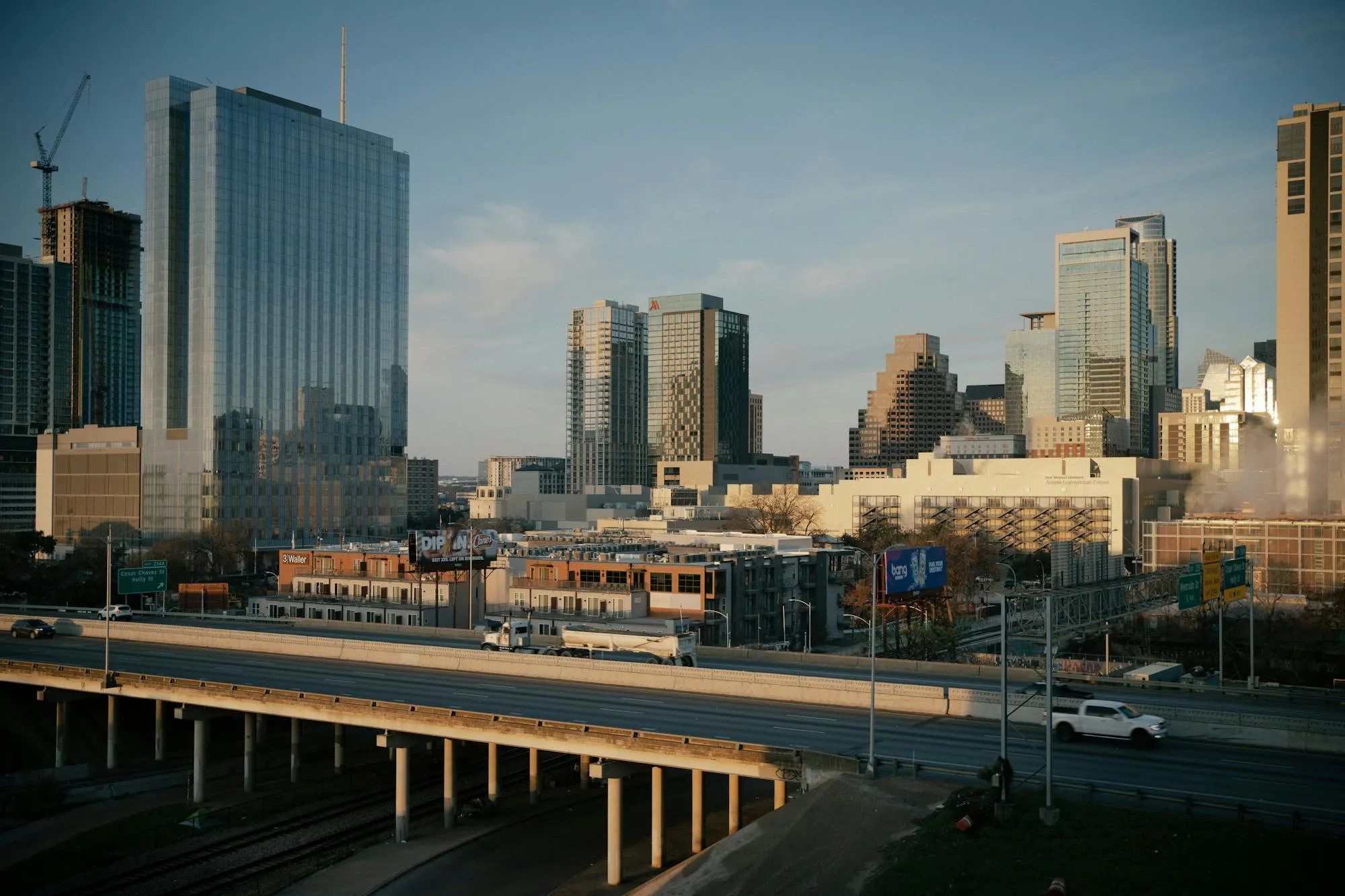
Elevated aerial view of Seattle's downtown skyline looking toward the city core along a dense urban street canyon. A mix of glass-and-steel skyscrapers and mid-rise residential towers fills the frame. A construction crane is active on the left. The street below carries light vehicle traffic flanked by mature street trees.
Josh Hild / Pexels

The Truth on the Street

I've spent years listening to J300 riders: in paddocks, at club nights, in owner chats and in the emails and messages that land in my inbox. The picture that comes out of all that talk is consistent. Riders praise how the J300 pulls, how it holds a line and how well it carries two people. The complaints are about how it copes with bad pavement, how it stops and what the service schedule costs.

More go than riders expected

The praise I hear most is for the single. Owners call it punchy and torquey, and plenty of them are surprised by how much is still there at the top end. The chassis gets the same weight: riders describe it as stable enough to encourage a quick pace on twisty roads. Comfort comes up just as often. You hear about a compliant ride that makes long days in the saddle bearable, and about passenger space that's generous for a mid-sized scooter. Riders also consistently report that fuel stops are few and far between. Passengers are happy too.

Rough roads find the limits

The complaint with the most voices behind it concerns the suspension. Over sharp bumps and potholes, riders say the non-adjustable fork and the basic twin rear shocks feel harsh and underdamped, and the jolt goes straight into you. A recurring gripe is the front brake: owners report that the single disc with its sliding caliper lacks initial bite and stopping power at higher speeds, and many of them end up fitting different pads. Riders above 6 ft (183 cm) describe limited legroom and a foot-forward position that turns your toes inward. Longer stints get uncomfortable.

The service schedule adds up

Several owners point to the service schedule: every 3,000 miles (4,800 km) or six months, valve-clearance checks included. They say that pushes running costs above many competitors. Some also call the underseat space modest, and some mention that the stock silencer is heavy and that the corrosion on it rarely goes as far as a hole. Small things, but they come up.

Known issues

  • Engine stalling when cold (ECU recall)

    engine rare Recall

    A faulty engine control unit program can cause stalling shortly after a cold start. Kawasaki issued a safety recall to reflash the ECU on affected 2014–2015 models.

  • Brake caliper slider corrosion

    brakes occasional

    The sliding caliper design is prone to corrosion on the slider pins, causing reduced brake performance. Rebuild kits are cheap and the fix is straightforward.

  • Seat strut and lock failure

    bodywork occasional

    The hydraulic strut that holds the seat open can lose pressure, and the underseat lock mechanism may jam, preventing easy access to storage.

  • Exhaust surface rust

    exhaust common

    The standard silencer quickly develops cosmetic rust, particularly around welds and seams. Replacement is usually for aesthetic reasons only.

The Expert Benchmark

Where this Kawasaki J300 pulls ahead of — or falls behind — its rivals on the numbers, and the typical bike in its class on character.

What kind of bike this is — character vs. the class

This bike Class average

Head-to-head: Kawasaki J300 vs. its rivals

The 'Should I Buy It?' Score

Forget spec-sheet bragging. Here's who the J300 is actually built for.

Aerial photograph of downtown Austin, Texas, showing modern high-rise buildings against a clear blue sky. Urban infrastructure, highways, and parking structures visible in the foreground.
Thomas Balabaud / Pexels

Best scooter for NYC?

This is the strongest match here: light, easy to thread through tight traffic, cheap to run at 59 mpg, with underseat storage and a center stand for daily parking. Built for your kind of riding.

Made for New York City · Austin · Los Angeles
Best motorcycle for Bay Area?

A solid weekday fit: it's built for the city commute, and the light handling suits twisty roads on paper. With 28 hp, weekend ridge runs are a side dish, not the main course.

Made for Bay Area Ridge Roads · San Francisco / Bay Area · Skyline Boulevard / Alice's Restaurant

Alternatives to the Kawasaki J300

If this one isn't quite the fit, these are the bikes worth riding back-to-back against it.