

Yamaha XSR700 XTribute (MY2019) — Retro Classic
Yamaha Press

2019–2024 · Retro Classic · Buyer's Guide

XSR700 XTribute (MY2019)

Light, Honest, Rolls Easy

The Machine's Character

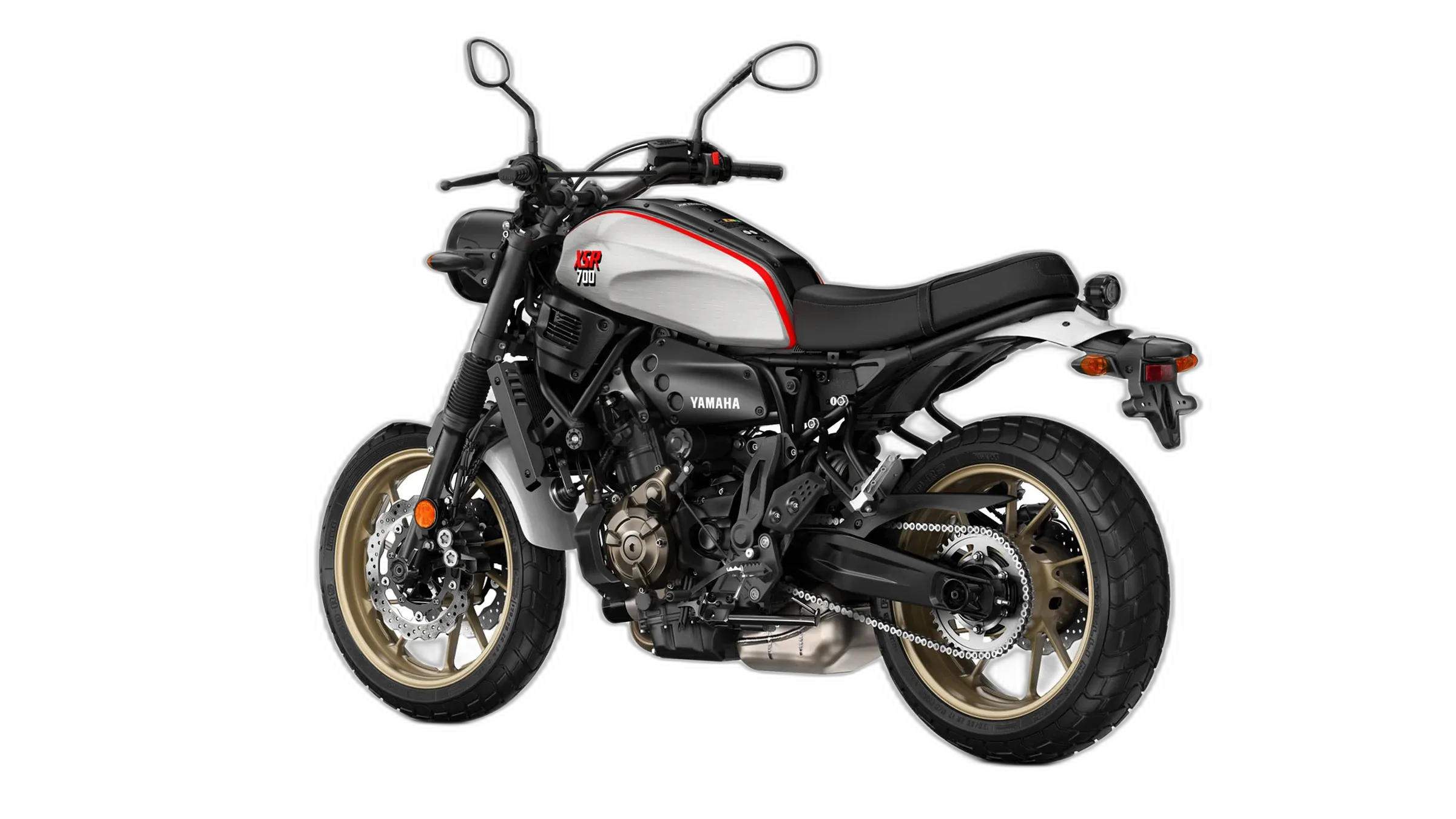
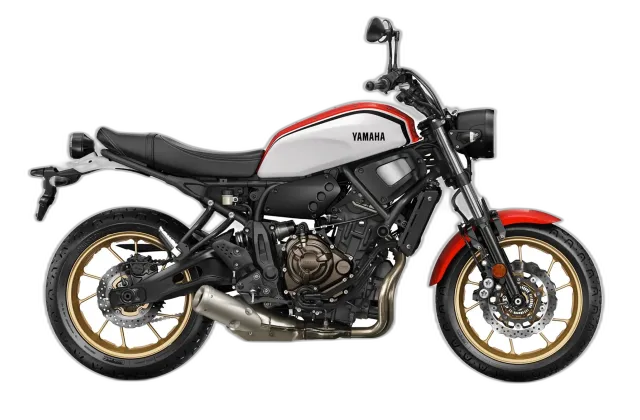
The XTribute takes Yamaha's 689 cc CP2 parallel twin and dresses it in scrambler clothes that survive a close look. Underneath the heritage paint and graphics sits a liquid-cooled twin making 74 hp and 50 lb-ft, six speeds, chain drive, ABS, and a wet weight of 419 lb. Nothing here is trying to fake age. The engine is modern, the electronics stay out of sight, and the styling carries the emotion instead of the hardware pretending to be something it isn't. In a class where the look often costs you real money and real usability, this one keeps the tax small.

Ride it and the appeal is obvious within a mile: it is light, willing, and completely unintimidating, and it stays that way as the miles pile up because the platform underneath is a known, durable quantity. This is the bike for a rider who wants classic looks without classic maintenance, and who values a machine that gets out of the way. The honest caveats: the fork has no adjustment at all, so what you feel is what you get, only the shock takes preload, the 3.7 gal (14 L) tank keeps your stops close together, and exposed metal needs attention if you ride through wet winters.

Hard Numbers

Spec sheets don't ride bikes, but they set the baseline.

Show full specs & equipment Hide specs & equipment
Key specifications
Power 74 hp (55 kW) @ 9,000 rpm
Torque 50 lb-ft (68 Nm) @ 6,500 rpm
Displacement 689 cc
Engine Parallel twin
Cooling Liquid-cooled
Gearbox 6-speed
Final drive Chain
Fork Telescopic
Front brake 282 mm
Front tire 120/70-17
Rear tire 180/55-17
Wheelbase 55.3 in (1405 mm)
Seat height 33.5 in (850 mm)
Wet weight 419 lb (190 kg)
Fuel capacity 3.7 gal (14 L)

Equipment check

Chassis

  • Rear Suspension Adjustable Standard

Safety

  • ABS Standard

The Voice of Experience

Portrait of NastyNils

The test ride

You sit tall on it. The 33.5 in (850 mm) seat puts you above most car roofs and the bars sweep back into an easy upright reach, so your weight lands on your hips instead of your wrists. At walking pace it feels lighter than 419 lb (190 kg), and that impression never really leaves. The twin sends a hard, offbeat pulse through the pegs and the seat down low that thins out as the revs climb, and the intake noise behind the tank ends up being a bigger part of the experience than anything the muffler does. There is nothing to set up before you ride: no screens to scroll through, no modes to pick. At a normal 55 to 70 mph road pace the wind on your chest is the only real reminder that you bought something with no bodywork. Shorter riders should throw a leg over one before committing.

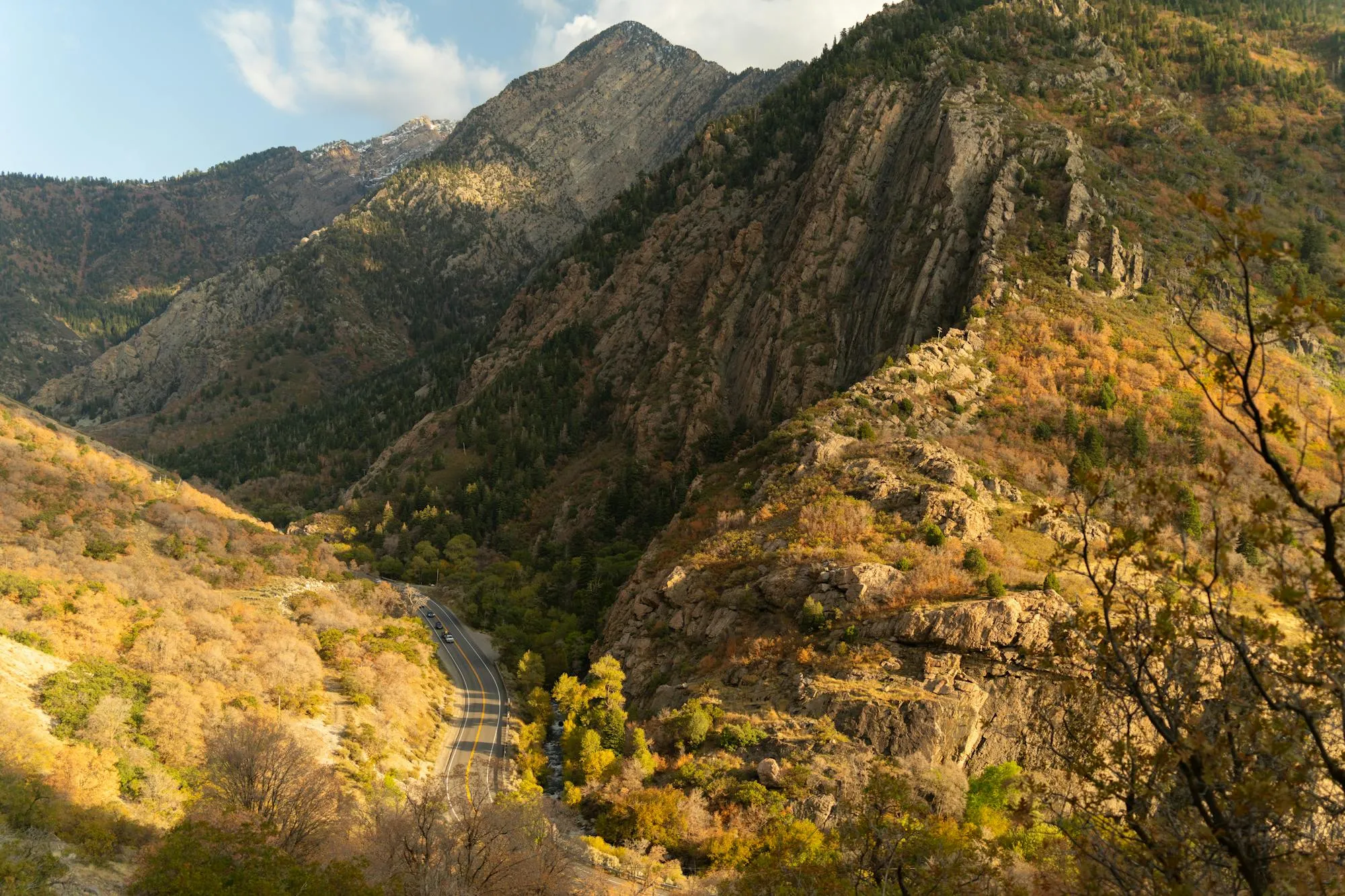
An elevated view of a deep autumn canyon, likely Big Cottonwood Canyon, Utah. Steep rocky cliff faces and forested mountain ridges frame a narrow valley where a winding two-lane road passes below. Deciduous trees display full autumn color — gold, orange, and amber — interspersed with green conifers on the steep slopes. A single dark vehicle is visible far below on the road. Snow-dusted mountain peaks rise in the background under a partly cloudy sky.
Alex Moliski / Pexels

The Truth on the Street

None of what follows is my opinion. It comes from years of listening: paddock talk, club nights, conversations with owners in parking lots, and the messages riders send me directly. On the XTribute those accounts line up unusually closely, with the praise pointing at two things and the criticism at three.

What owners talk about unprompted

Ask an owner what they like and the parallel twin comes up first: wide torque, delivery that stays predictable, and enough character to make a short trip worth taking. Right behind it is how little the bike asks of you. Riders new and experienced describe the same light, compact machine that steers and parks without effort. Styling earns its own mentions, usually from owners already swapping parts to suit themselves.

Three complaints that keep repeating

The rear shock draws the most. Owners say it runs short of damping as the pace climbs and the bike starts moving around underneath them through corners. Rust comes next. Riders in wet weather report it showing up early on the swingarm and on fasteners. Third is the short equipment list: with ABS the only aid fitted, owners say they notice what rivals offer.

Known issues

  • Gearbox lock-up on downshifts

    drivetrain rare

    Occasionally the gearbox can lock or display blank gear indicator when downshifting multiple gears while stationary; slowly releasing the clutch resolves it.

  • Starter switch sticking

    electrics rare

    Some owners experience a sticking starter switch that requires lubrication to operate smoothly.

  • Inaccurate fuel gauge reading

    electrics occasional

    The fuel sensor may give erratic or blank readings, causing uncertainty about remaining range.

  • Premature corrosion on swingarm and frame

    chassis common

    Owners report rust forming on the swingarm (especially around the chain adjuster) and other exposed metal parts, exacerbated by wet conditions and winter riding.

The Expert Benchmark

Where this Yamaha XSR700 XTribute pulls ahead of — or falls behind — its rivals on the numbers, and the typical bike in its class on character.

What kind of bike this is — character vs. the class

This bike Class average

Head-to-head: Yamaha XSR700 XTribute vs. its rivals

The 'Should I Buy It?' Score

Forget spec-sheet bragging. Here's who the XSR700 XTribute is actually built for.

A scenic view of Angeles Crest Highway winding through rugged Southern California canyon terrain. Rocky mountainsides with golden earth tones frame the asphalt road with tight sweeping curves. Double yellow center line visible, sparse vegetation along the shoulders, clear blue sky with white clouds. Daylight, dry conditions. Iconic location for canyon-road enthusiasts.
Josh Sorenson / Pexels

Best retro motorcycle for road trips?

Small towns, old roads and an unhurried pace suit this bike perfectly, and it looks the part parked outside the diner. Plan your fuel stops around the small tank and pack light, because there is no factory luggage.

Made for Acadia National Park · Austin / Handbuilt Motorcycle Show · Blue Ridge Parkway
Best motorcycle for Texas Hill Country?

On flowing Hill Country pavement the light weight and eager twin are more fun than horsepower would be. The slab ride out of town is the weak part: no cruise control, no wind protection.

Made for Austin / Texas Hill Country · Twisted Sisters · Austin / Handbuilt Motorcycle Show

Best motorcycle for Tail of the Dragon?

Light, neutral and honest, it is a good tool for working on lines rather than chasing speed. Just know that only the shock takes preload; the fork is fixed, so hard riders will hit its limit.

Made for Back of the Dragon · Blue Ridge Parkway · Cherohala Skyway

What's new versus the previous generation

If you're cross-shopping the older generation, here's what changed.

Yamaha XSR700 (RM11)

Previous generation · 2015–2021

Yamaha XSR700 (RM11)

Fun Chassis, Honest Soul

Compare to the previous model →

Alternatives to the Yamaha XSR700 XTribute

If this one isn't quite the fit, these are the bikes worth riding back-to-back against it.

Any price note compares both bikes at the same age — the youngest age both have on the used market — against this Yamaha XSR700 XTribute. “cheaper/pricier” is what that bike costs second-hand, not how worn it is.