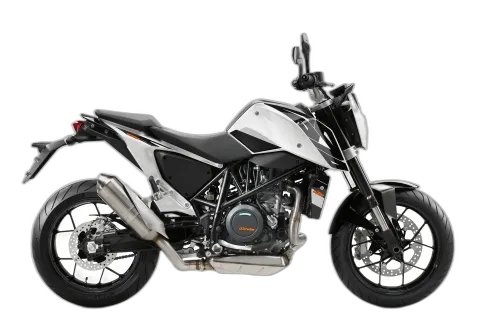

KTM 690 Duke (MY2012) — Naked Bike
KTM Press

2012–2015 · Naked Bike · Buyer's Guide

690 Duke (MY2012)

3.5 / 5 NastyNils Rating · against its class

One Cylinder, Zero Filter

The Machine's Character

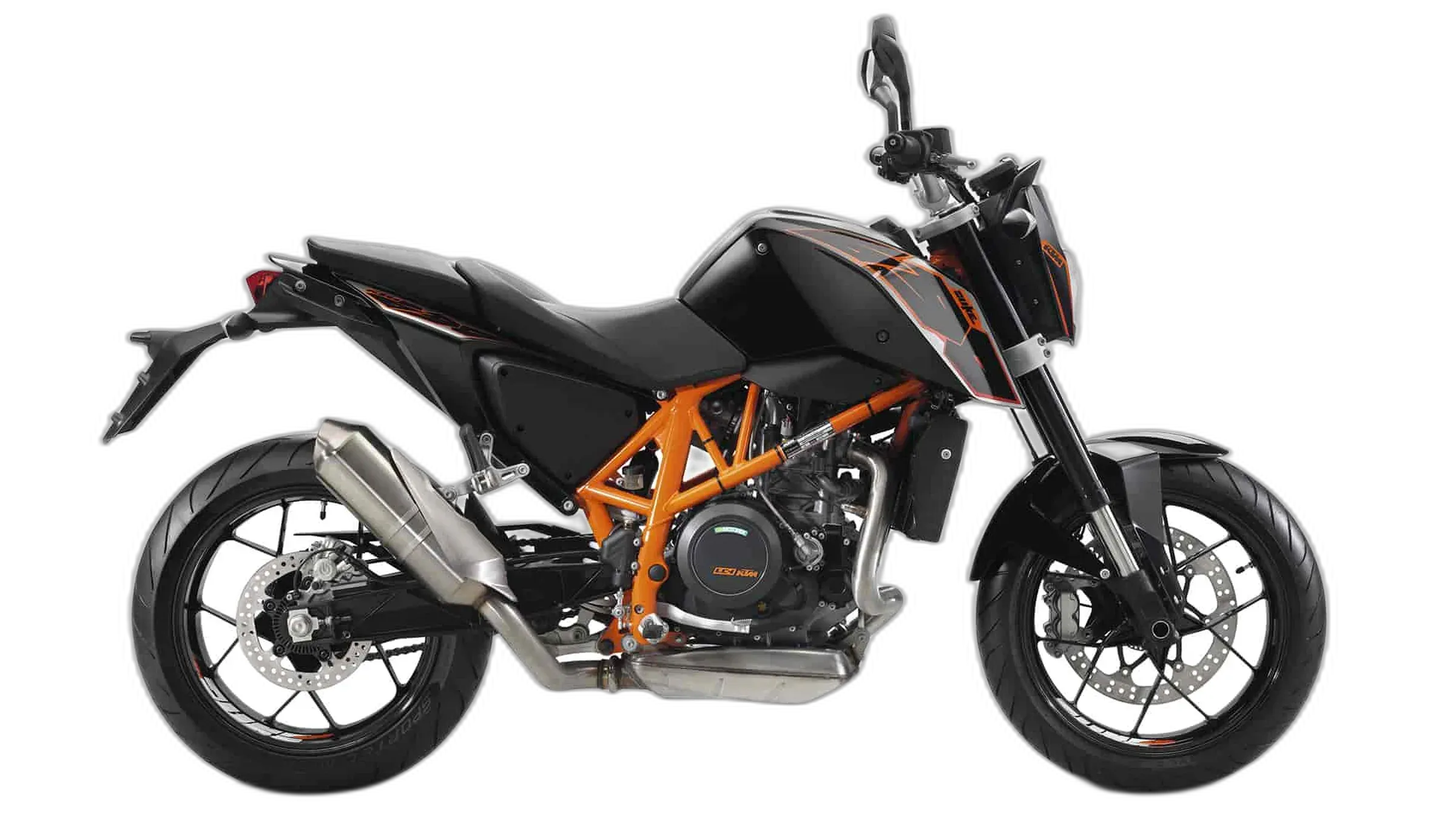
The 690 Duke is built around one idea: a single liquid-cooled 690 cc cylinder making 67 hp and 52 lb-ft, wrapped in about as little motorcycle as KTM could get away with. The LC4 loafs at low revs and still pulls hard at the top, a range most big singles never find, and it gives this bike a reach across road types that its cylinder count has no business delivering. An upside-down fork, a 320 mm front disc and switchable ABS sit under a stripped, aggressive naked bike. Nothing here has been smoothed out for the sake of comfort.

On the road it feels lighter than any spec sheet suggests, and that low weight is the whole personality. The seat is tall at 32.9 in, but the bike is narrow enough that it stays manageable. The motor loosens up over the first long stretch of riding and runs smoother afterward, and plenty of these have covered serious mileage without major engine trouble. This one is for the rider who wants a machine that talks back on a backroad instead of ironing everything flat. The honest caveat: the fork gives you no adjustment at all, the gearbox loses precision with miles, and some engines drink oil between services.

Hard Numbers

Spec sheets don't ride bikes, but they set the baseline.

Show full specs & equipment Hide specs & equipment
Key specifications
Power 67 hp (49 kW)
Torque 52 lb-ft (70 Nm)
Displacement 690 cc
Engine Single-cylinder
Cooling Liquid-cooled
Gearbox 6-speed
Final drive Chain
Fork Upside-down (USD)
Front brake 320 mm
Front tire 120/70-17
Rear tire 160/60-17
Seat height 32.9 in (835 mm)
Fuel capacity 3.6 gal (13.8 L)
Top speed 115 mph (185 km/h)
Fuel economy 56 mpg (US)

Equipment check

Chassis

  • Rear Suspension Adjustable Standard

Safety

  • ABS Standard

The Voice of Experience

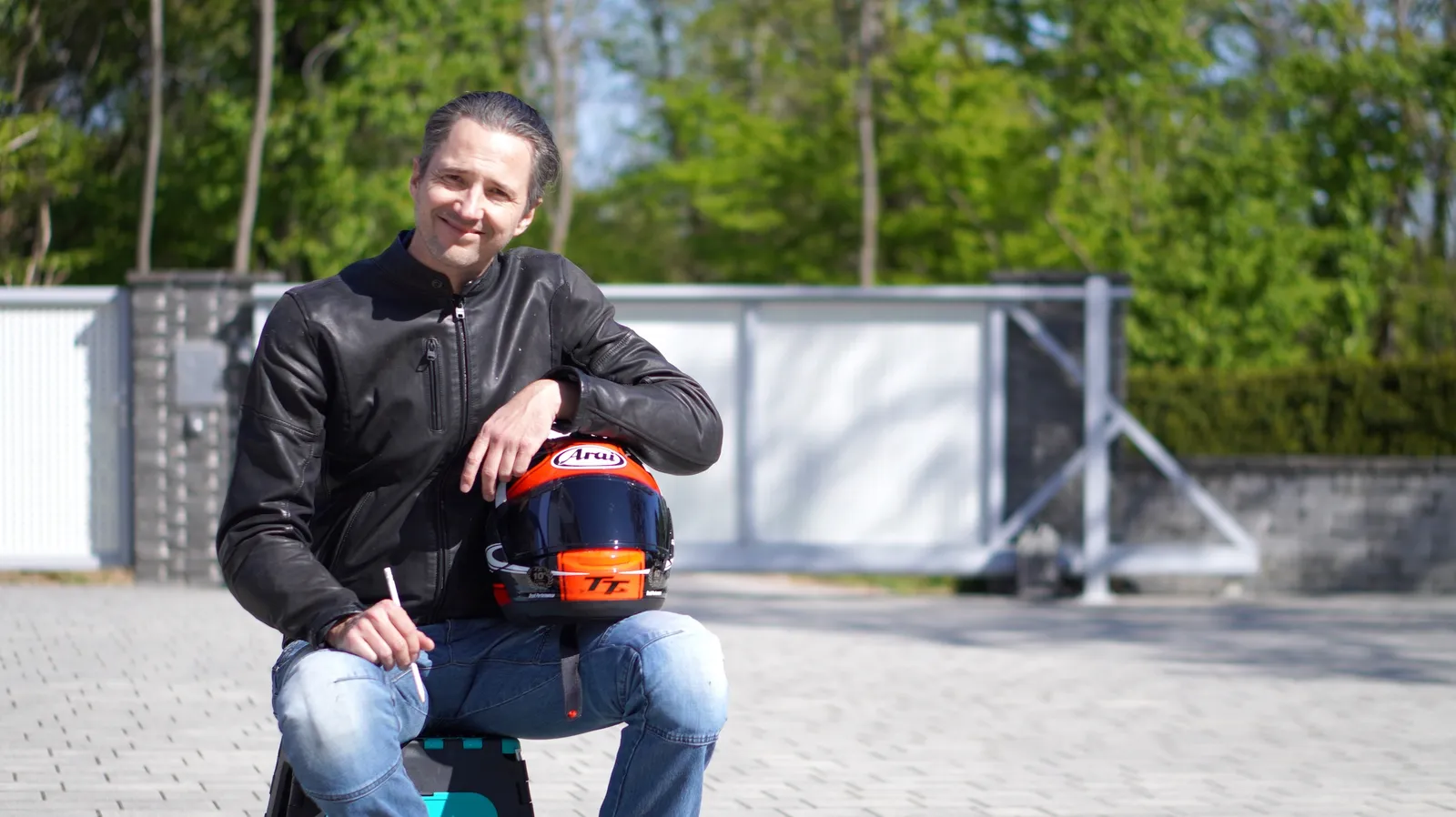
Portrait of NastyNils

The test ride

Swing a leg over and the first thing you notice is how little is actually there. The cockpit is narrow and purist, nothing extra in your line of sight, and the wide bar is shaped so well that your hands land exactly where they want to be. The riding position is upright and natural from the first mile, no adaptation period required. At real road pace the single beats away underneath you with a rhythm you feel through the pegs and the grips, present without ever going numb. The suspension runs softer than you expect from something this sharp, so broken pavement and surface lips arrive without punishing your wrists. What stays with me is how little it asks of you physically. An afternoon of tight backroads goes by and you climb off without the usual ache, simply because placing this bike takes almost no effort.

Rated point by point — where it earns its keep

My own 0–100 score for this bike against the class, area by area — the marker on each bar is the class average.

What I keep coming back to on this bike is a technique. Brake late, anchor it hard, and start cracking the throttle the instant your finger eases off the Brembos. The bike sits down, stops skipping, and holds the line it was given, and your corner speed climbs the moment you trust that. Ride it lazily and it tells you about it. This thing is light enough that a sloppy position in the saddle moves the chassis more than it would on a machine carrying real mass, and a chassis tech on the test said exactly that to me: light does not mean easy to set up. Then there is the 2012 cost cutting on the suspension. The ride is less composed than what came before, which is why so many long term owners eventually spend money on better components. On a flowing road you live with it happily. Push properly and you feel what got taken out.

The braking zones on track are what stayed with me. You arrive flat out with a tight hairpin sitting a few yards ahead, and the bike sheds speed so violently and over such a compressed distance that your eyes don't quite accept what they're being shown. It took me a handful of laps to stop flinching at the corner and start using all of it. Once you get there, you brake absurdly deep and think nothing of it.

This is the part the two cylinder successors never recovered. They are quicker, smoother and better on paper in nearly every column, and not one of them gives you what a big single gives you, which is a machine that does precisely what you asked with nothing sitting in between. Get on it hard coming out of a roundabout and the front goes light. Take the next gear and it happens again. The engine makes no effort to disguise what it's holding. On track I ran fifteen laps back to back and climbed off without feeling like I had worked at all, because accelerating, turning and slowing this thing costs you so little that you stop keeping score of your own effort and just ride. Hammering something this light through a quick sequence of corners has a directness I have never managed to explain properly to anyone who hasn't done it.

The LC4 got described as an engine from another planet when it landed, and I still think that was a fair call. What I value about it now is that it never asks you to work around its personality. There is nothing polite in it, nothing sanded off, no attempt at good manners. That character is the reason to own this bike, not something you put up with to get the rest of it.

I judge a hard working single by whether the motor is the thing you lie awake about, and here it isn't. The LC4 has made its case across a lot of owners and a lot of miles, and for an engine asked to do this much work that is genuinely not a given. What wants your attention sits around the motor instead, in the wear items and the service rhythm, and this rewards an owner who stays ahead of things rather than one who waits to be told. The clutch is the everyday example. Freeplay drifts out of adjustment faster than on almost anything else I've ridden. Two minutes with a tool and it's sorted, but you'll be doing it far more often than you'd expect to. Go in understanding that cadence and the ownership picture is a good one.

Remember what this replaced. The supermoto sat you up high and expected you to commit to its way of doing things. The Duke drops you lower and sets your body in a stance you can actually hold for a full day of riding, closer to touring than to anything competition flavored. That shift is the whole story here, and it is why this one works as ordinary road transport in a way its predecessor never did.

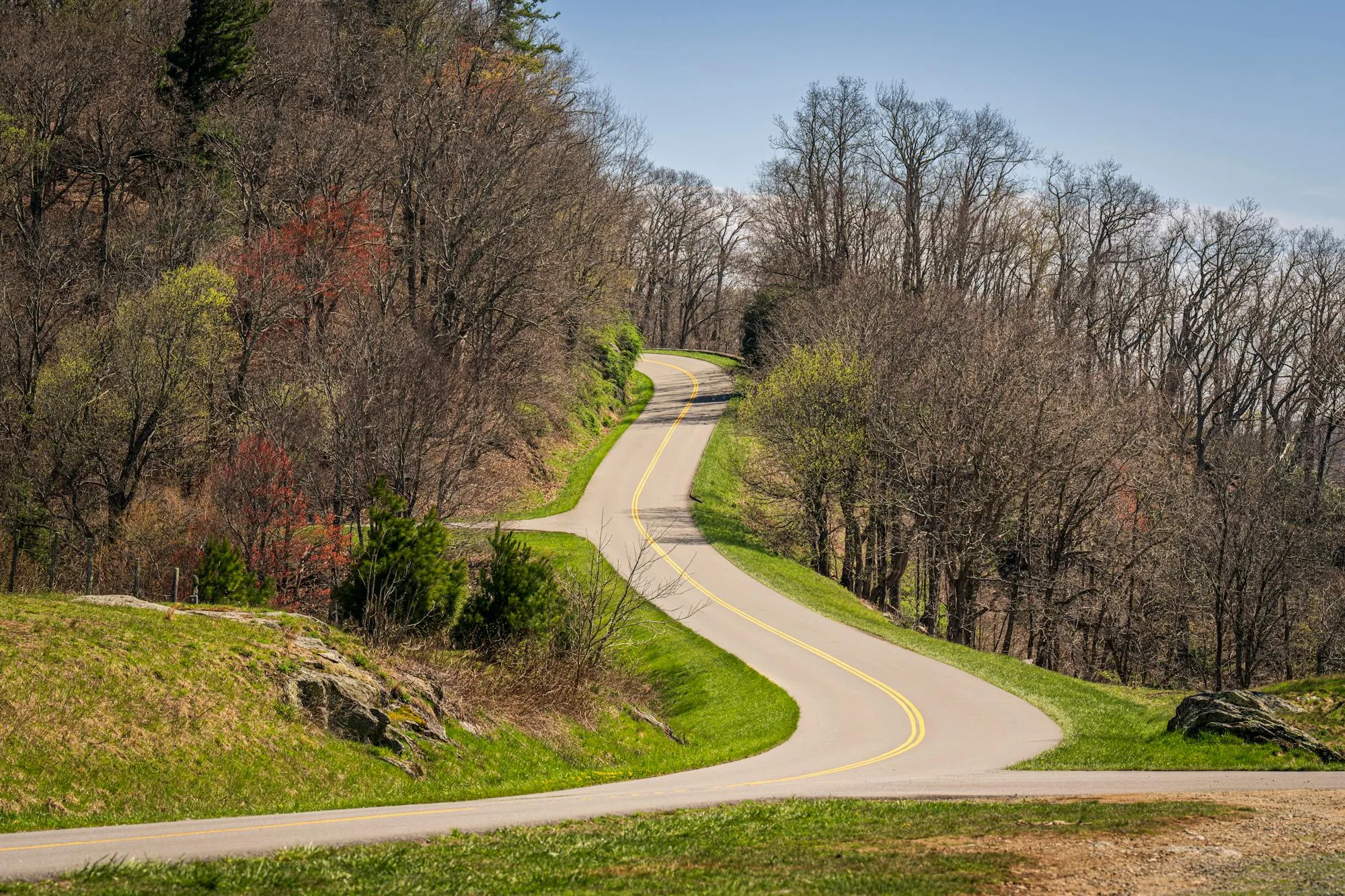
A winding asphalt road descending through the Appalachian Mountains, likely the famous Tail of the Dragon section in Tennessee and North Carolina. Multiple technical right-hand and left-hand curves are visible in this aerial perspective, surrounded by deciduous forest in spring foliage. Clear sunny conditions, well-maintained asphalt with yellow center lines marking the curves.
Mark Stebnicki / Pexels

The Truth on the Street

Two decades of paddock conversation, club nights, and the messages riders send me directly have built a consistent picture of this Duke. Owners describe it the same way almost every time: warm about how it moves, guarded about how it holds up.

The part owners never argue about

Riders come back to agility first. The consensus is that it changes direction with almost no effort, which owners say builds confidence on twisty roads they don't know, and the same absence of mass makes it easy to place in city traffic. The single gets similar treatment, described as punchy through the middle and happy to rev, an engine that pays you back for riding it actively.

Where the complaints cluster

The recurring complaint is reliability and finish. Owners who came from Japanese machinery consistently rank this one below that standard, citing electrical faults and details that feel less carefully finished. Distance draws the other gripe, from fewer voices: a hard seat and no wind protection make long highway stretches wearing, and owners plan their mileage accordingly.

Known issues

  • Electrical troubles (stator failure, wiring gremlins)

    electrics occasional

    Several owners have reported premature stator failure, intermittent electrical issues, and wiring faults, sometimes leading to breakdowns.

  • Excessive oil consumption

    engine occasional

    Some engines are known to consume oil frequently, requiring regular checks and top-ups between services.

The Expert Benchmark

Where this KTM 690 Duke pulls ahead of — or falls behind — its rivals on the numbers, and the typical bike in its class on character.

What kind of bike this is — character vs. the class

This bike Class average

The shape of the KTM 690 Duke — numbers and character vs. the average Naked Bike

Head-to-head: KTM 690 Duke vs. its rivals

The 'Should I Buy It?' Score

Forget spec-sheet bragging. Here's who the 690 Duke is actually built for.

A scenic view of Angeles Crest Highway winding through rugged Southern California canyon terrain. Rocky mountainsides with golden earth tones frame the asphalt road with tight sweeping curves. Double yellow center line visible, sparse vegetation along the shoulders, clear blue sky with white clouds. Daylight, dry conditions. Iconic location for canyon-road enthusiasts.
Josh Sorenson / Pexels

Best motorcycle for Angeles Crest?

Angeles Crest is exactly the road this thing was built for. Low weight and instant drive make you quick without big horsepower, and the upright bar keeps the traffic on the way up bearable.

Made for Angeles Crest Highway · Coronado Trail / US 191 · Highway 1 / Big Sur
Best motorcycle for Tail of the Dragon?

If you ride the Dragon to sharpen technique rather than chase speed, this suits you. It reacts to everything you do, including your mistakes, so a season on it makes you a cleaner rider.

Made for Back of the Dragon · Blue Ridge Parkway · Cherohala Skyway

Best motorcycle for Bay Area?

Skyline on Sunday and city miles midweek both work here, thanks to the slim body and light handling. Accept that you are buying character and a maintenance list, not a quiet appliance.

Made for Bay Area Ridge Roads · San Francisco / Bay Area · Skyline Boulevard / Alice's Restaurant

What's new versus the previous generation

If you're cross-shopping the older generation, here's what changed.

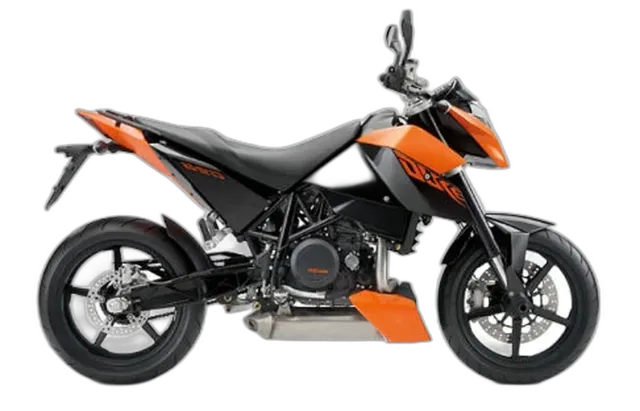
KTM 690 Duke (MY2008)

Previous generation · 2008–2011

KTM 690 Duke (MY2008)

One Cylinder, Zero Filler

Compare to the previous model →

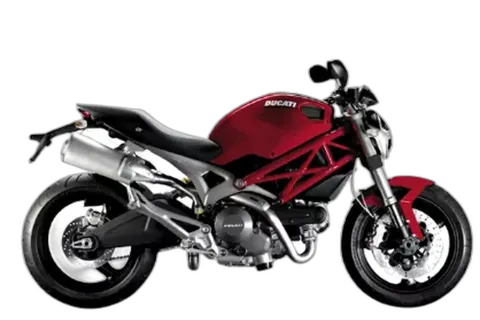
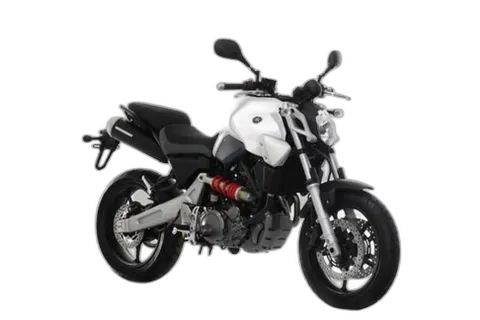
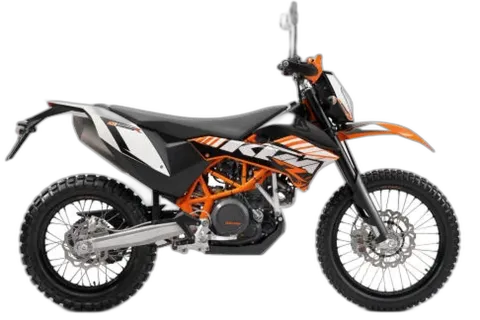
Alternatives to the KTM 690 Duke

If this one isn't quite the fit, these are the bikes worth riding back-to-back against it.

Any price note compares both bikes at the same age — the youngest age both have on the used market — against this KTM 690 Duke. “cheaper/pricier” is what that bike costs second-hand, not how worn it is.