KTM Brabus 1300 R (MY2022) — Hyper Naked
KTM Press

2022–2024 · Hyper Naked · Buyer's Guide

Brabus 1300 R (MY2022)

5 / 5 NastyNils Rating · against its class

Carbon, Status, Actual Menace

The Machine's Character

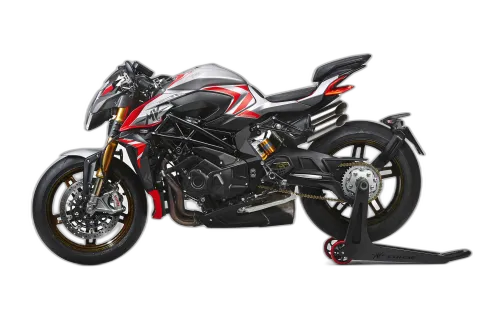
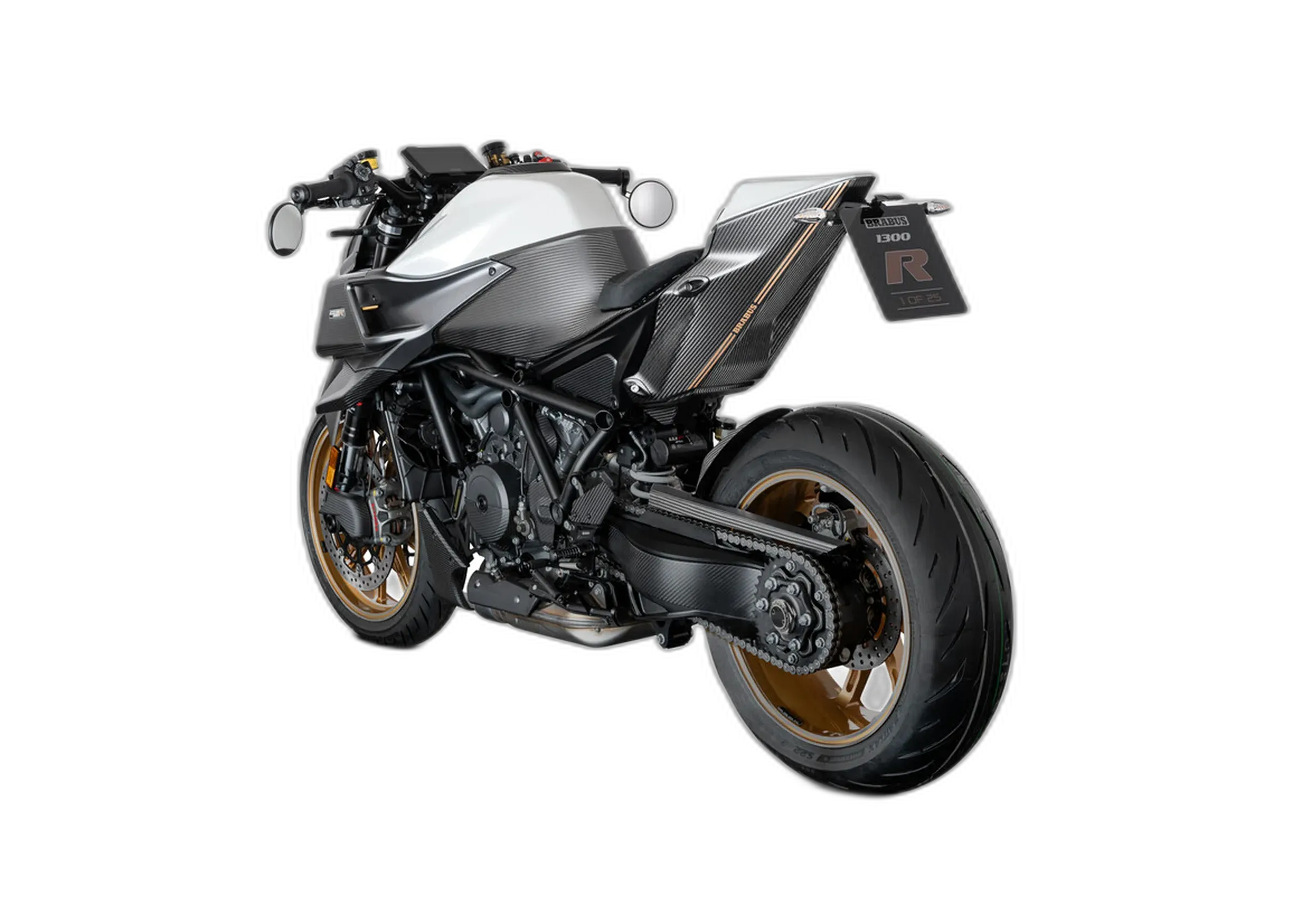
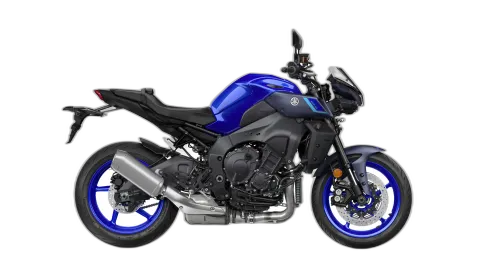
Brabus made its name on cars. This is what happens when that treatment lands on a motorcycle, built around KTM's LC8 V-twin from the 1290 Super Duke R Evo. You get 179 hp, 103 lb-ft and 1301 cc of 75-degree V-twin sitting under carbon bodywork, forged monoblock wheels and CNC detail work everywhere you look. Electronic suspension, cornering ABS, traction and wheelie control, launch control, a quickshifter both ways and cruise control are all standard. It was a limited run and it went fast. In the hyper naked class, this is the version with a jeweler's finish over the hardware.

Ride it and it makes more sense than the spec sheet and the price tag suggest. The big twin is civil at walking pace, the chassis stays honest when you commit to a line, and the suspension covers real ground between soft and hard. The riding position lands between relaxed and committed, so a full day out is realistic rather than something you talk yourself into. It fits a rider who wants savage drive and genuine rarity in one object and intends to actually use it. The honest caveat is small but constant: the left switchgear feels cheap next to everything around it, and the mirrors are closer to decoration than instrument.

Hard Numbers

Spec sheets don't ride bikes, but they set the baseline.

Show full specs & equipment Hide specs & equipment
Key specifications
Power 179 hp (132 kW) @ 9,500 rpm
Torque 103 lb-ft (140 Nm) @ 8,000 rpm
Displacement 1301 cc
Engine 75° V-twin
Cooling Liquid-cooled
Gearbox 6-speed
Fork Upside-down (USD)
Front brake 320 mm
Front tire 120/70-17
Rear tire 200/55-17
Seat height 33.3 in (845 mm)
Fuel capacity 4.2 gal (16 L)
Top speed 168 mph (270 km/h)
Fuel economy 43 mpg (US)

Equipment check

Chassis

  • Electronic Suspension Standard
  • Front Suspension Adjustable Standard
  • Rear Suspension Adjustable Standard
  • Steering Damper Standard
  • Cruise Control Standard

Comfort

  • Heated Grips Standard

Connectivity

  • TFT Display Standard

Drivetrain

  • Quickshifter Standard
  • Slipper Clutch Standard

Lighting

  • LED Headlight Standard

Safety

  • ABS Standard
  • Cornering ABS Standard
  • Traction Control Standard
  • Ride Modes Standard
  • Wheelie Control Standard
  • Launch Control Standard

The Voice of Experience

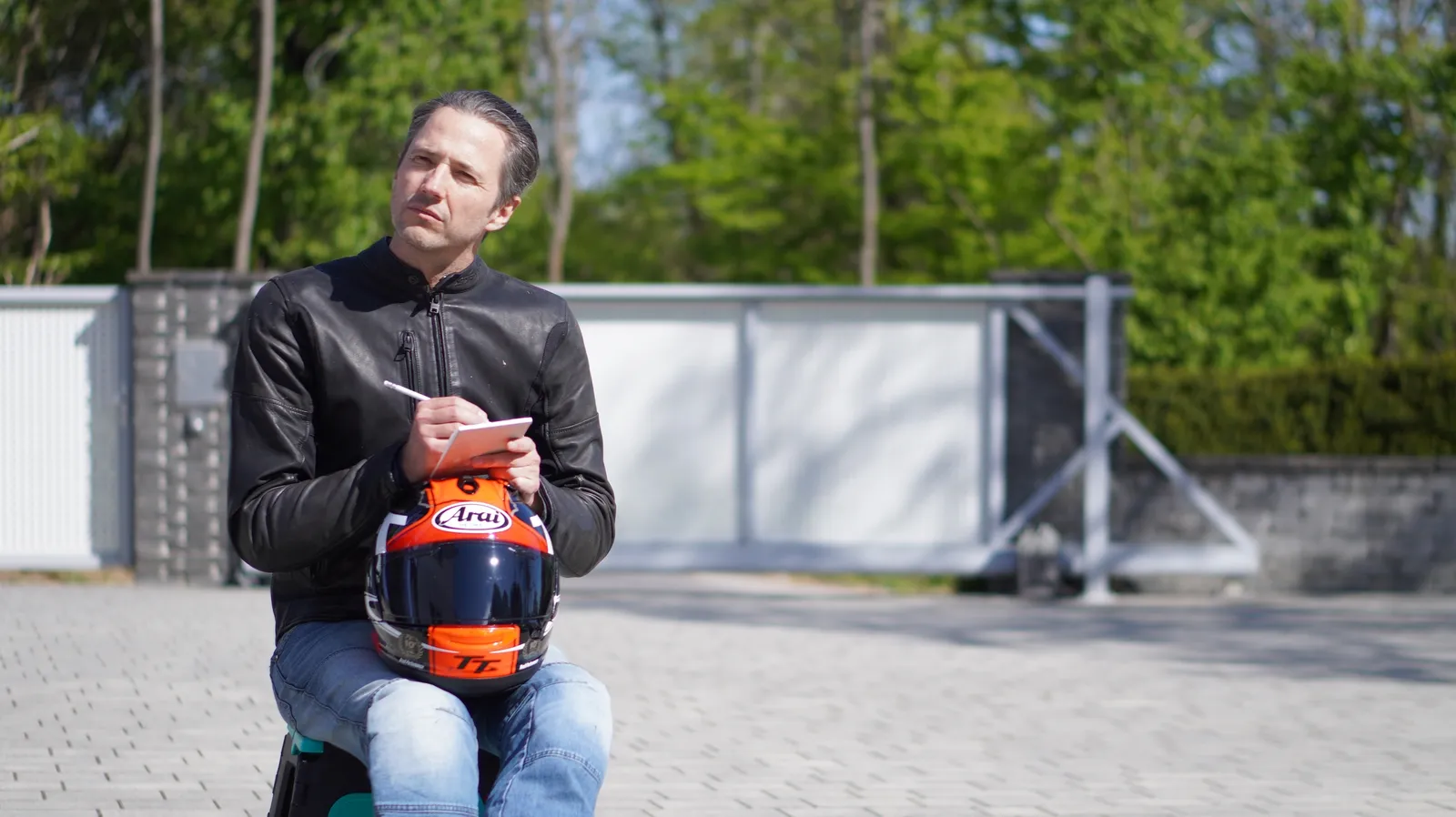
Portrait of NastyNils

The test ride

It sounds serious before you have moved a foot, and that never gets old. The levers fall where your fingers already sit, the seat grips your pants so you stop sliding forward, and the pegs bite into your boot soles like someone who actually rides picked them. Wide, fast corners pull you off the seat before you consciously decide to hang off. In tighter stuff you sit back loose and just point it. Leave the suspension in Automatic and it reorganizes itself within seconds, softer rolling through town, firmer the moment you get greedy with the throttle. The first time you catch it happening it feels slightly uncanny, and by evening you have stopped noticing. Six hours in, the riding position still works, which is not what I expected from a bike that looks like this one.

Rated point by point — where it earns its keep

My own 0–100 score for this bike against the class, area by area — the marker on each bar is the class average.

Point it and it goes. There is no floppiness at turn-in and nothing vague when you hold the throttle mid-corner, so the line you pick is the line you get. The lighter forged wheels are a real part of why it feels this precise rather than just quick to fall in. Wide, fast sweepers are where it shines. The bike pulls you off the seat before you have consciously decided to hang off, and in tighter, rougher stuff you can sit back loose and simply steer it.

It works as an object first. This is a bike you walk around before you ride it, and the finish carries that. Then you get on and it delivers on the promise instead of coasting on it: adrenaline on tap, real riding joy, the sort of ride that justifies the object. That is the part collectors' bikes usually miss. This one was not built to sit behind glass, and I would be annoyed at anyone who kept it there.

The thing I did not expect from a V-twin this big is how civilized it is when the road slows down. It pulls cleanly at crawling speed and moves from closed throttle to drive without the lurch that usually comes with the layout and the displacement. What matters is that none of it feels like the character was sanded off to get there. The composure is real, and the motor is still very much a V2 underneath it.

This is where the Brabus surprised me most. The contact points are sorted properly: levers land under your fingers, the seat holds your position so you stop creeping forward, and the pegs bite into your boot soles the way a rider would want them to. The suspension is the real story. Sport tightens everything without going deaf, so you still read the front contact patch through hard corners. Run Comfort with Anti-Dive on and the front keeps its geometry through heavy braking while the ride stays supple, which is a genuine conflict solved rather than a menu item. Leave it in Automatic and it does the thinking for you, softening around town and stiffening the second you get serious. One sour note sits right under your left thumb. Those switches feel cheap, and next to the carbon and CNC work they are hard to ignore.

The electronics do their job without ever becoming the story. ABS, traction control and wheelie control are tuned for real roads, quick and precise when they step in, and quiet enough the rest of the time that you forget they exist. The mirrors are the opposite. They look right and they are rock solid with no vibration, but the view is too narrow to trust at a glance, and on technical roads they foul your knees often enough to become a real irritation.

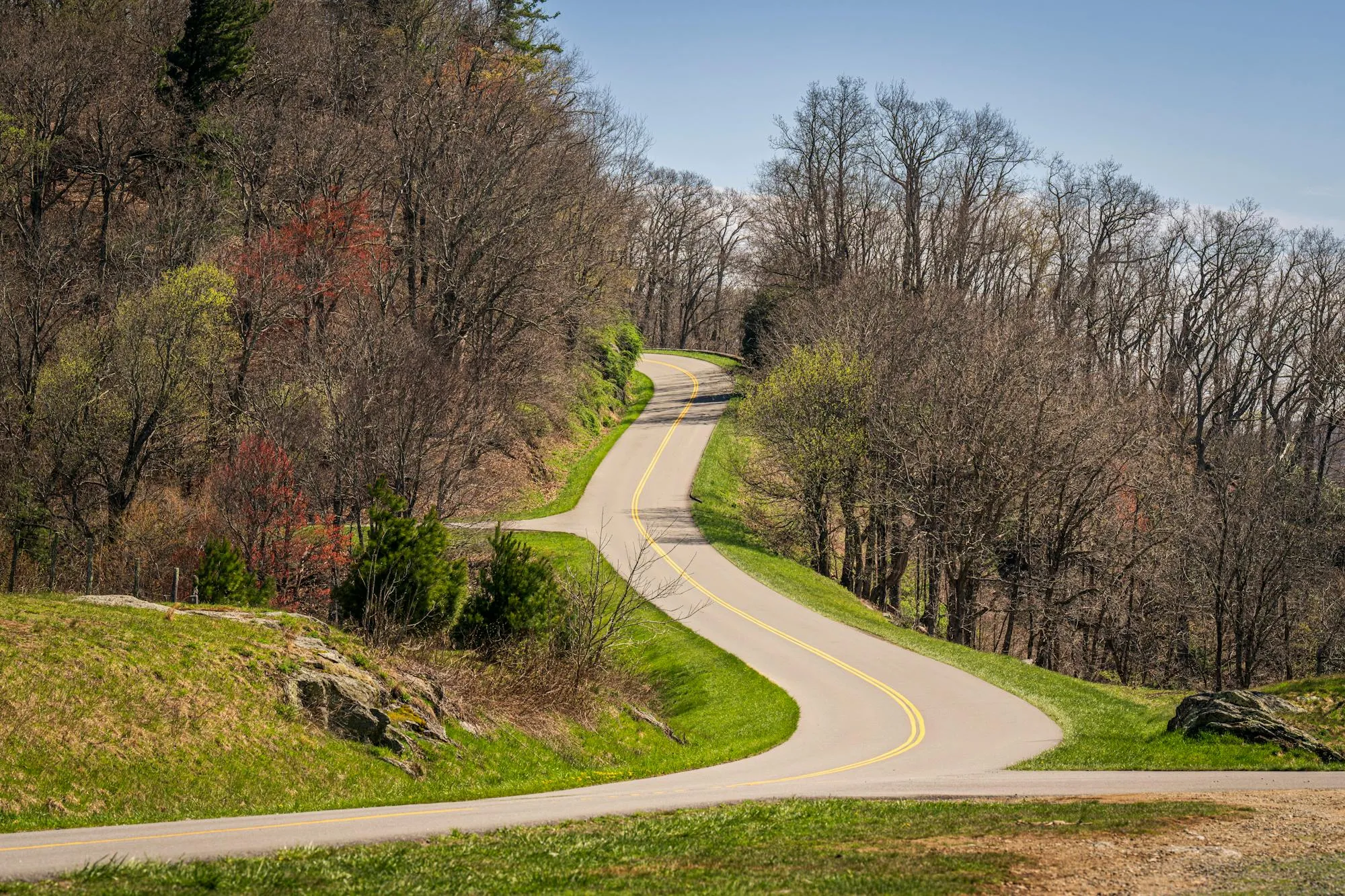
A winding asphalt road descending through the Appalachian Mountains, likely the famous Tail of the Dragon section in Tennessee and North Carolina. Multiple technical right-hand and left-hand curves are visible in this aerial perspective, surrounded by deciduous forest in spring foliage. Clear sunny conditions, well-maintained asphalt with yellow center lines marking the curves.
Mark Stebnicki / Pexels

The Truth on the Street

This part isn't my own riding time. It's years of listening: paddock talk, owners catching me at club nights, and the messages riders send me directly. On the Brabus 1300 R the chatter runs unusually consistent. Real admiration for the hardware, then the same short list of reservations every time.

What owners keep coming back to

The LC8 leads every conversation. Owners describe brutal drive from low revs and a top end that keeps pulling, with passes that need no planning. Close behind come the Brembo Stylema calipers and the semi-active WP Apex suspension carried over from the Super Duke R Evo, which riders credit for exceptional braking and ride quality. Rarity runs through it all: a production run counted in the low hundreds, and owners are clear about what that is worth to them.

Where the reservations start

Price dominates the criticism. Most riders place it out of reach and describe it as a luxury object rather than a motorcycle purchase. The second recurring point: for a name built on tuning engines, the V-twin was left mechanically stock, which some read as a missed opportunity on a halo model. A few owners also mention the extra weight over the Super Duke R Evo.

The Expert Benchmark

Where this KTM Brabus 1300 R pulls ahead of — or falls behind — its rivals on the numbers, and the typical bike in its class on character.

What kind of bike this is — character vs. the class

This bike Class average

The shape of the KTM Brabus 1300 R — numbers and character vs. the average Hyper Naked

Head-to-head: KTM Brabus 1300 R vs. its rivals

The Handshake Score

Forget spec-sheet bragging. Here's who the Brabus 1300 R is actually built for.

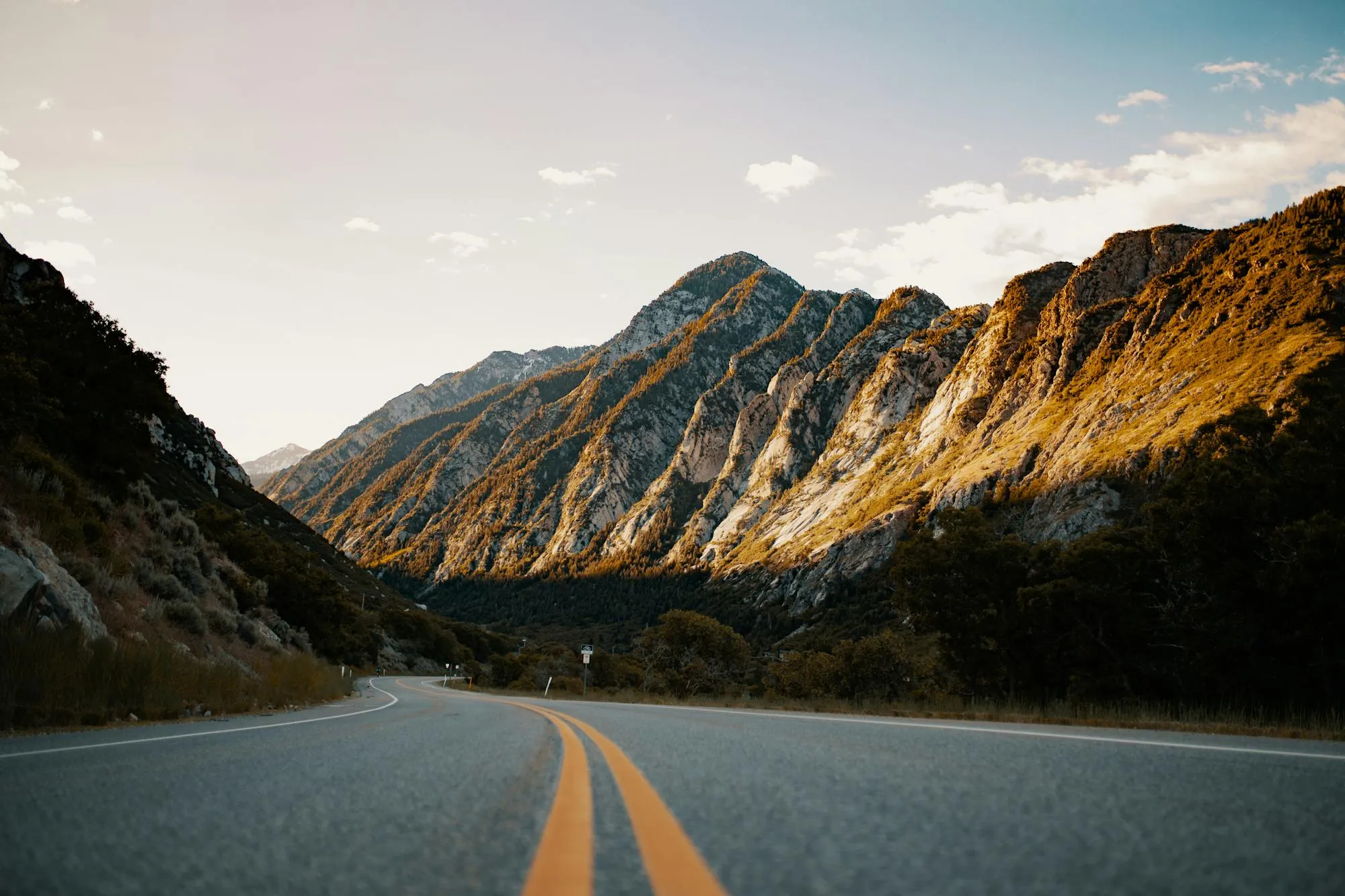
A scenic view of Angeles Crest Highway winding through rugged Southern California canyon terrain. Rocky mountainsides with golden earth tones frame the asphalt road with tight sweeping curves. Double yellow center line visible, sparse vegetation along the shoulders, clear blue sky with white clouds. Daylight, dry conditions. Iconic location for canyon-road enthusiasts.
Josh Sorenson / Pexels

Best motorcycle for Laguna Seca?

The power and the chassis precision are absolutely there for you. What you have to weigh is the rest of it: a hand-finished, limited-run machine in carbon is a bike most owners will keep on the road.

Made for Barber Motorsports Park · WeatherTech Raceway Laguna Seca · Circuit of the Americas
Best motorcycle for Angeles Crest?

This is where the bike makes the most sense. Sharp, predictable turn-in, real feedback from the front, and suspension that stays livable in city traffic then firms up once the road starts climbing.

Made for Angeles Crest Highway · Coronado Trail / US 191 · Highway 1 / Big Sur

Best motorcycle for Texas Hill Country?

Long Saturdays on open back roads suit it. The riding position holds up all day, 43 mpg from the 4.2 gal tank keeps fuel stops sensible, and it will own the parking lot at every stop you make.

Made for Austin / Texas Hill Country · Twisted Sisters · Austin / Handbuilt Motorcycle Show