

·

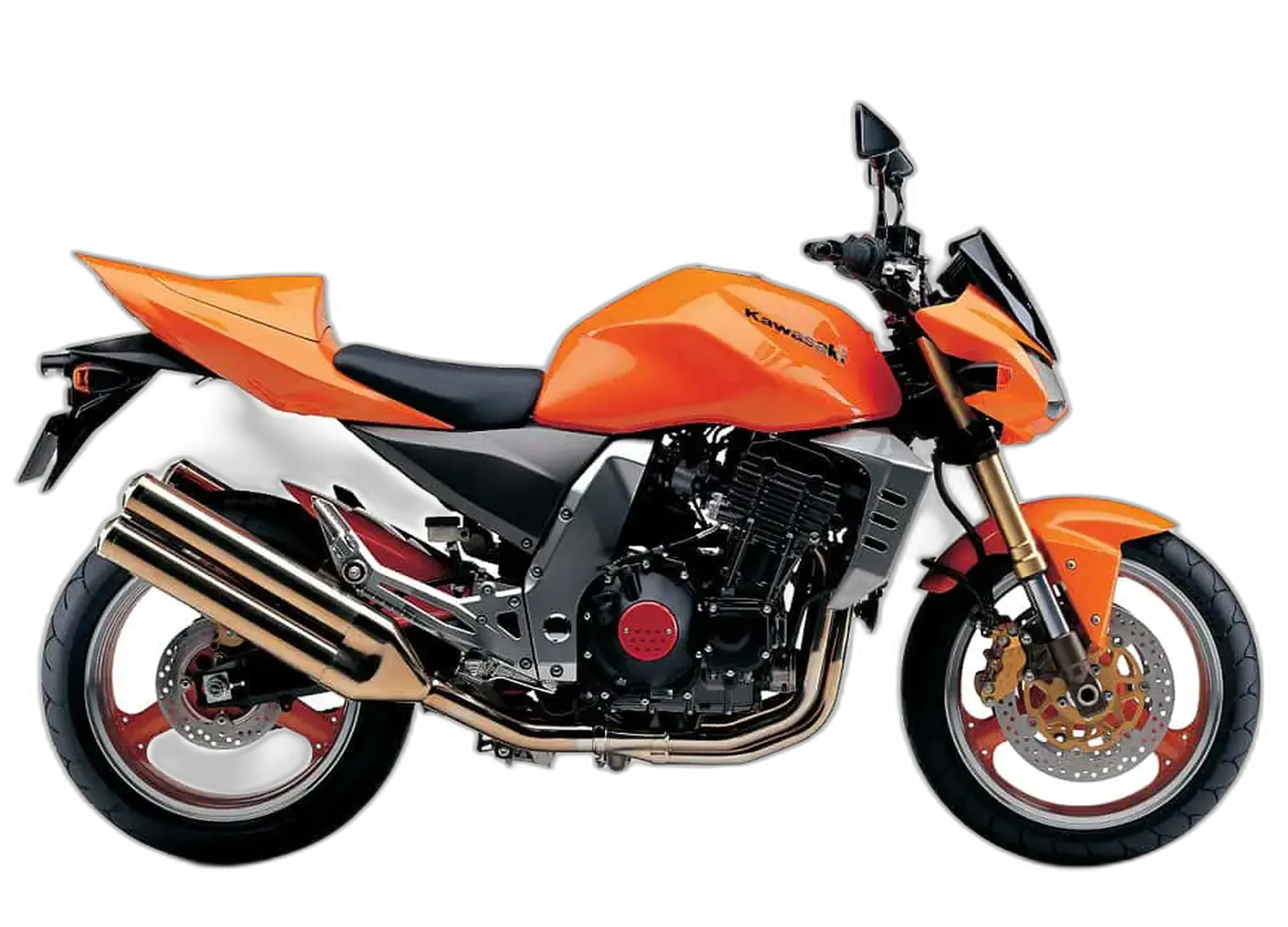
Kawasaki Z1000 (ZRT00A) — Hyper Naked
Kawasaki Press

2003–2006 · Hyper Naked · Buyer's Guide

Z1000 (ZRT00A)

4 / 5 NastyNils Rating · against its class

Attitude With A Sound To Match

The Machine's Character

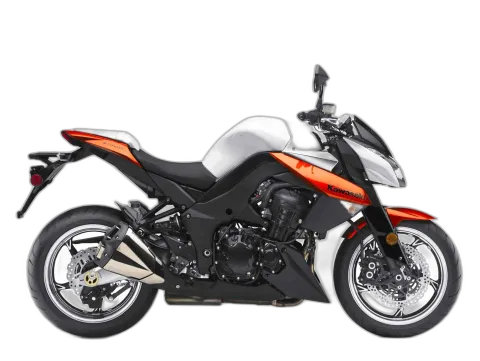
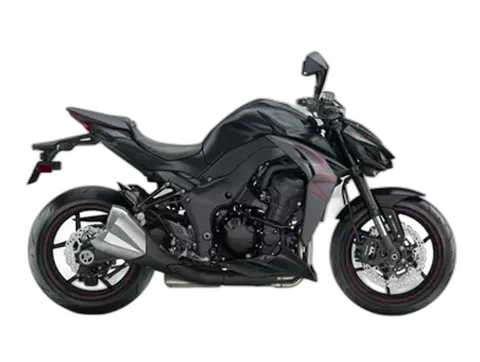
This generation of Z1000 is Kawasaki's muscle naked in its most literal form: a 953 cc liquid-cooled inline-four making 127 hp at 10,000 rpm and 71 lb-ft at 8,000 rpm, hung in a compact chassis. The four stacked exhaust cannons and the hard, angular bodywork are not decoration. They set the tone for what the bike actually does. Suspension is adjustable at both ends, and that is where the technology stops. No ABS, no traction control, no ride modes. What you get instead is a big four with real shove in the middle of the rev range and a silhouette nobody mistakes for anything else.

On the road it feels smaller than the numbers suggest. A 55.9 in wheelbase and a 32.3 in seat put you upright and forward over the tank rather than folded onto clip-ons, which is a large part of why this ends up being a bike people ride often instead of occasionally. It ages honestly, too. The mechanical package has held up well, and aftermarket support runs deep enough that most owners spend their money personalizing rather than repairing. The caveat sits in the ownership file: cracks around the steering head have shown up on some early bikes, so a used example needs a careful look there before money changes hands.

Hard Numbers

Spec sheets don't ride bikes, but they set the baseline.

Show full specs & equipment Hide specs & equipment
Key specifications
Power 127 hp (93 kW) @ 10,000 rpm
Torque 71 lb-ft (96 Nm) @ 8,000 rpm
Displacement 953 cc
Engine Inline-four
Cooling Liquid-cooled
Gearbox 6-speed
Final drive Chain
Fork Upside-down (USD)
Front brake 300 mm
Front tire 120/70-17
Rear tire 190/50-17
Wheelbase 55.9 in (1420 mm)
Seat height 32.3 in (820 mm)
Fuel capacity 4.8 gal (18 L)

Equipment check

Chassis

  • Front Suspension Adjustable Standard
  • Rear Suspension Adjustable Standard

The Voice of Experience

Portrait of NastyNils

The test ride

The first thing that registers is the noise. Those four pipes give you a raw, natural note with nothing synthetic about it, and it fills in properly as the revs climb. You sit tall and open, wrists relaxed, wide bars giving you real leverage over the front wheel. The thing your hands report back on a long highway stint is buzz. Vibration through the grips builds at a steady cruise and will leave your fingers tingling after an hour, and the clutch lever picks up a hum of its own at certain revs. Drop back to town speeds or a decent back road and none of that registers at all.

Rated point by point — where it earns its keep

My own 0–100 score for this bike against the class, area by area — the marker on each bar is the class average.

For a bike with this much muscle in it, I found the chassis genuinely light on its feet. It changes direction cleanly and lets you place the front wheel exactly where you want it, which is not something every big naked can claim. Turn-in happens the moment you ask, without the bar pressure or the mid-corner correction I expect from something this size. On a road with rhythm to it, that agility is what makes the bike enjoyable rather than just fast.

The angular bodywork and the four-pipe exhaust give this Z1000 a look that still turns heads. That kind of presence is not something a manufacturer can engineer in, and this one has it.

What I keep coming back to on this bike is the motor. It has the shove a hyper naked is supposed to have, real torque underneath you, and it never feels like it is asking permission before it goes. Roll it on in the middle gears and the drive arrives immediately, with enough weight behind it to keep you honest. No watered-down delivery here, no soft spots waiting for you further up the rev range. This is the engine doing the job the class was built around.

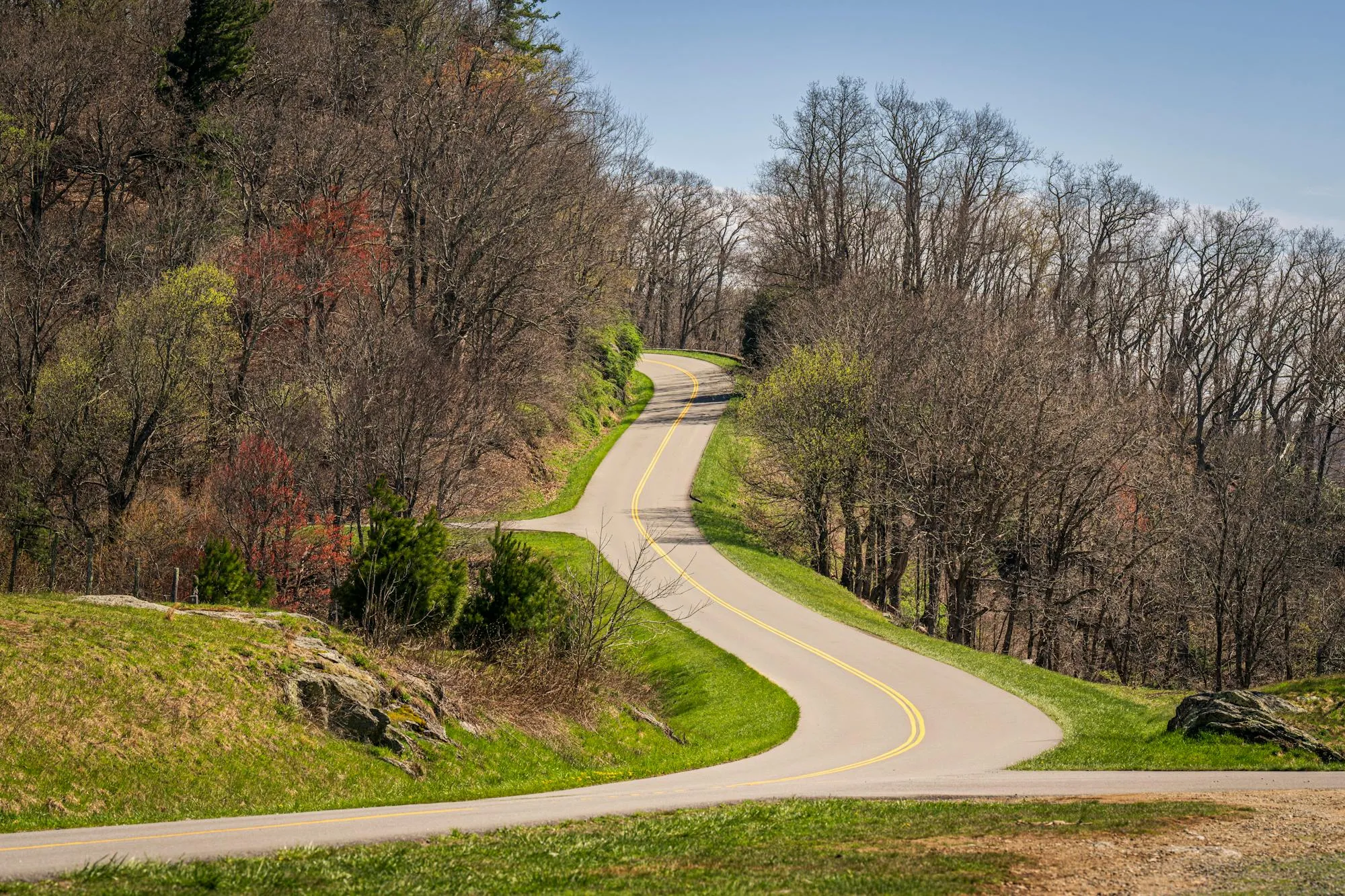
A winding asphalt road descending through the Appalachian Mountains, likely the famous Tail of the Dragon section in Tennessee and North Carolina. Multiple technical right-hand and left-hand curves are visible in this aerial perspective, surrounded by deciduous forest in spring foliage. Clear sunny conditions, well-maintained asphalt with yellow center lines marking the curves.
Mark Stebnicki / Pexels

The Truth on the Street

Everything below comes from listening rather than testing. Two decades of paddock talk, garage conversations at club nights, owners cornering me at bike shows, plus the steady stream of messages and emails riders send me about what they actually live with. On the Z1000 of this era the chatter lands in a consistent place: people love the engine and the way it looks, and they accept a list of rough edges to keep both.

The motor and the look sell it

The engine is what owners talk about first, and they talk about it the same way. Strong through the middle, smooth with it, and then a surge as the revs climb toward the top that riders describe as addictive. It is the part of the bike nobody wants to change. Styling runs a close second. The stacked exhaust cans and the hard-edged bodywork still pull attention years later, and owners are clear that this thing does not get mistaken for anything else in the parking lot. The third recurring note surprises newcomers: for a bike with this much motor, riders find it easy company in town. Predictable throttle, compact feel, manageable at low speed. Plenty of owners say it rides smaller than it reads on paper.

What owners put up with

The gripes cluster around finish and suspension. Black engine paint flakes early, and the stock pipes tarnish quickly on bikes ridden through winter, so keeping one looking sharp takes work. Vibration through the bars at higher revs is the other common one, with numb hands on longer rides and owners trading fixes for it. Suspension draws steady criticism as well: adjustable, but underdamped enough that the ride turns choppy when pushed. Beyond that, a handful of owners mention the stock exhaust being heavy and restrictive, pegs touching down sooner than expected, brakes that feel wooden under hard use, and snatchy fueling at low speed in traffic.

Known issues

  • Headstock stress cracks

    chassis rare

    Small cracks have been reported around the steering head area on some early models, possibly aggravated by aggressive wheelies or heavy loading. A thorough inspection is recommended when buying used.

  • Stick coils popping loose

    electrics occasional

    On some 2003 models, the ignition stick coils can work loose from the spark plugs, causing intermittent misfires and rough running. Regularly checking and re-seating them is recommended.

  • Valve cover gasket oil leak (left side)

    engine occasional

    A persistent oil leak from the left front of the cam cover, typically due to a failing valve cover gasket. The leak is usually minor but can worsen over time, requiring gasket replacement.

  • Exhaust headers coming loose

    exhaust common

    The exhaust header nuts are reported to frequently work themselves loose, causing exhaust leaks and rattling. Regular re-torquing is advised.

  • Bar vibration causing rider numbness

    chassis common

    Pronounced vibration through the handlebars at highway speeds often leads to tingling and numbness in the hands, a well-known comfort issue that some owners solve by filling the bars with lead shot or using heavy bar-end weights.

  • Water pump mechanical seal leak

    cooling rare

    A slow coolant weep from the water pump mechanical seal has been noted around 22,000 mi (35,000 km), resulting in minor coolant loss until the seal is replaced.

The Expert Benchmark

Where this Kawasaki Z1000 pulls ahead of — or falls behind — its rivals on the numbers, and the typical bike in its class on character.

What kind of bike this is — character vs. the class

This bike Class average

The shape of the Kawasaki Z1000 — numbers and character vs. the average Hyper Naked

Head-to-head: Kawasaki Z1000 vs. its rivals

The Handshake Score

Forget spec-sheet bragging. Here's who the Z1000 is actually built for.

A scenic view of Angeles Crest Highway winding through rugged Southern California canyon terrain. Rocky mountainsides with golden earth tones frame the asphalt road with tight sweeping curves. Double yellow center line visible, sparse vegetation along the shoulders, clear blue sky with white clouds. Daylight, dry conditions. Iconic location for canyon-road enthusiasts.
Josh Sorenson / Pexels

Best motorcycle for Angeles Crest?

For Angeles Crest weekends this fits: light steering and midrange that fires you out of the tight stuff. Accept that there are no rider aids covering for you.

Made for Angeles Crest Highway · Coronado Trail / US 191 · Highway 1 / Big Sur
Best motorcycle for Texas Hill Country?

Hill Country pace suits it well. Enough torque to make the straights entertaining, upright seating for the ride out from Austin, and a 4.8 gal tank that keeps fuel stops sensible.

Made for Austin / Texas Hill Country · Texas Hill Country BDR-X · Twisted Sisters

Best motorcycle for Tail of the Dragon?

The Dragon and Cherohala reward a bike you can place precisely, and this one does. It rewards skill rather than supplying a safety net, which suits riders who run those roads often.

Made for Tail of the Dragon · Back of the Dragon · Blue Ridge Parkway