·

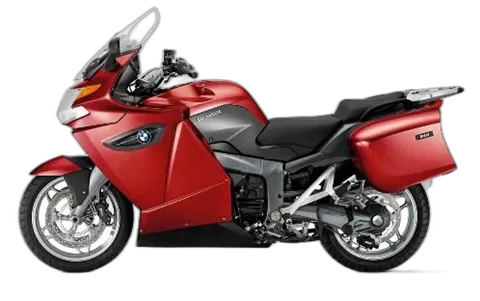
BMW K 1300 R (K43) — Hyper Naked
BMW press archive

2009–2016 · Hyper Naked · Buyer's Guide

K 1300 R (K43)

4.5 / 5 NastyNils Rating · against its class

Brutal Thrust, BMW Precision

The Machine's Character

The K 1300 R takes BMW's transverse inline-four and points it at one job: shoving you harder down the road the longer you hold the throttle. The 1293cc four makes 172 hp and 103 lb-ft, fed through a shaft instead of a chain, so this big naked carries its muscle with a low-maintenance, touring-grade calm most power-roadsters never bother with. A Duolever front end and an aluminum perimeter frame anchor it, while ESA lets you dial the damping from the bar. This is BMW building a hyper naked the BMW way: brutal output wrapped in structure.

Ride it and the character splits in two. At a cruise the shaft drive shrugs off miles and the wide bars make 536 lb of wet weight feel honest rather than heavy. Open it up and it turns savage, pulling without the flat spot you brace for between gears. It rewards a rider who wants raw acceleration first and electronic theater second. The honest caveat: this is a heavyweight, and threading it through slow, tight corners asks for a few laps of trust before it flows. Buy it for the straights and the sweepers, not the hairpins.

Hard Numbers

Spec sheets don't ride bikes, but they set the baseline.

Show full specs & equipment Hide specs & equipment
Key specifications
Power 172 hp (127 kW)
Torque 103 lb-ft (140 Nm)
Displacement 1293 cc
Engine Inline-fourMotorcycles With Inline-Four Engines →
Cooling Liquid-cooled
Gearbox 6-speed
Final drive ShaftMotorcycles With Shaft Drive →
Fork Duolever
Front tire 120/70-17
Rear tire 180/55-17
Seat height 32.3 in (820 mm)
Wet weight 536 lb (243 kg)
Fuel capacity 5.0 gal (19 L)

Equipment check

Chassis

  • Electronic Suspension BMW ESA (Electronic Suspension Adjustment) Damping tuning to styleAuto load leveling Optional

Comfort

Drivetrain

Safety

  • ABS BMW Integral ABS Generation II Stronger consistent brakingFirm brake lever feel Standard
  • Traction Control Optional

Signature Tech

The named systems that set this bike apart — and what each one does for you.

Drivetrain

  • BMW Paralever Standard
    • Acceleration stability
    • Brake dive control
    • High speed stability
    • Reduced unsprung rotating mass

The Voice of Experience

Portrait of NastyNils

The test ride

Settle onto the K 1300 R and the first surprise is how planted it feels before you've even moved. The wide handlebars hand you real leverage, so low-speed maneuvering never becomes the wrestling match the spec sheet threatens. Underway, the inline-four sends a smooth, low buzz up through the bars rather than a harsh shake, and easing off the gas drops it into a quiet gait that makes covering distance painless. The seat sits at a reachable 32.3 in, leaving you upright and in command of the bike rather than hunched over it. Little touches sell the engineering: pull up the onboard readout after a hard run and it shows live tire pressure, catching a slow leak before your hands ever feel it in the steering. Fit the accessory quickshifter and the whole day changes.

Rated point by point — where it earns its keep

My own 0–100 score for this bike against the class, area by area — the marker on each bar is the class average.

What surprised me most here isn't the grip, it's the traction control. The ASC light flickers to tell me I've stepped past the limit, but it never snatches the power back the way intrusive systems do. There's no dedicated track mode buried in the menu, and the bike still manages to stay out of my way exactly where it counts. The front end is the other revelation: even with all this drive going to the rear, it keeps honest contact with the road, so I always know what the tire is doing under me. Set the electronic damping to its firmest track configuration and the chassis stays composed when I'm hard on the gas. The one thing I had to earn was precision in the slower stuff. It took me a handful of corners to stop muscling the bike and let it settle into the arc I wanted, and that adjustment came around faster than I expected from something this big.

The BMW Integral ABS Generation II is the one part of this bike that makes you work for the relationship. Once I understood how it talks back, I could trail it late and lean on it hard, driving deep before I released. Until then, I was shedding speed earlier than the bike actually needed while I built that trust. And if you want to commit to the absolute last meter on a track, the system reaches its ceiling before your tire reaches its grip. It rewards familiarity more than most setups I've ridden.

This is the heart of the bike, and it delivers. Pin the throttle and the shove just compounds; where I brace for a machine to go soft before the next gear, this one keeps stacking on speed with no top end I can feel. What makes it livable is the cleaner fueling. Wound out it turns genuinely vicious, but back off and it settles into a quiet, smooth gait with none of the snatch you'd expect to come with this much output.

Of everything on the options list, the quickshifter is the one accessory I'd actually spend money on. It changes the character of the bike more than any other box you can tick. Staying hard on the gas through every upshift, never lifting off the throttle, takes that already brutal surge and turns it into one unbroken pull. The rest of the catalog is nice to have. This one I'd call the upgrade worth chasing.

The detail that earns its keep here is the tire pressure monitoring. After a hard track session I can pull up the RDC display and read exactly how much pressure built up while I was leaning on it, run after run. It also watches for the slow stuff, catching a developing problem well before the handling ever tells me something is wrong. On a bike built around this much aggression, having that data sitting right there in front of you proves more useful than it sounds.

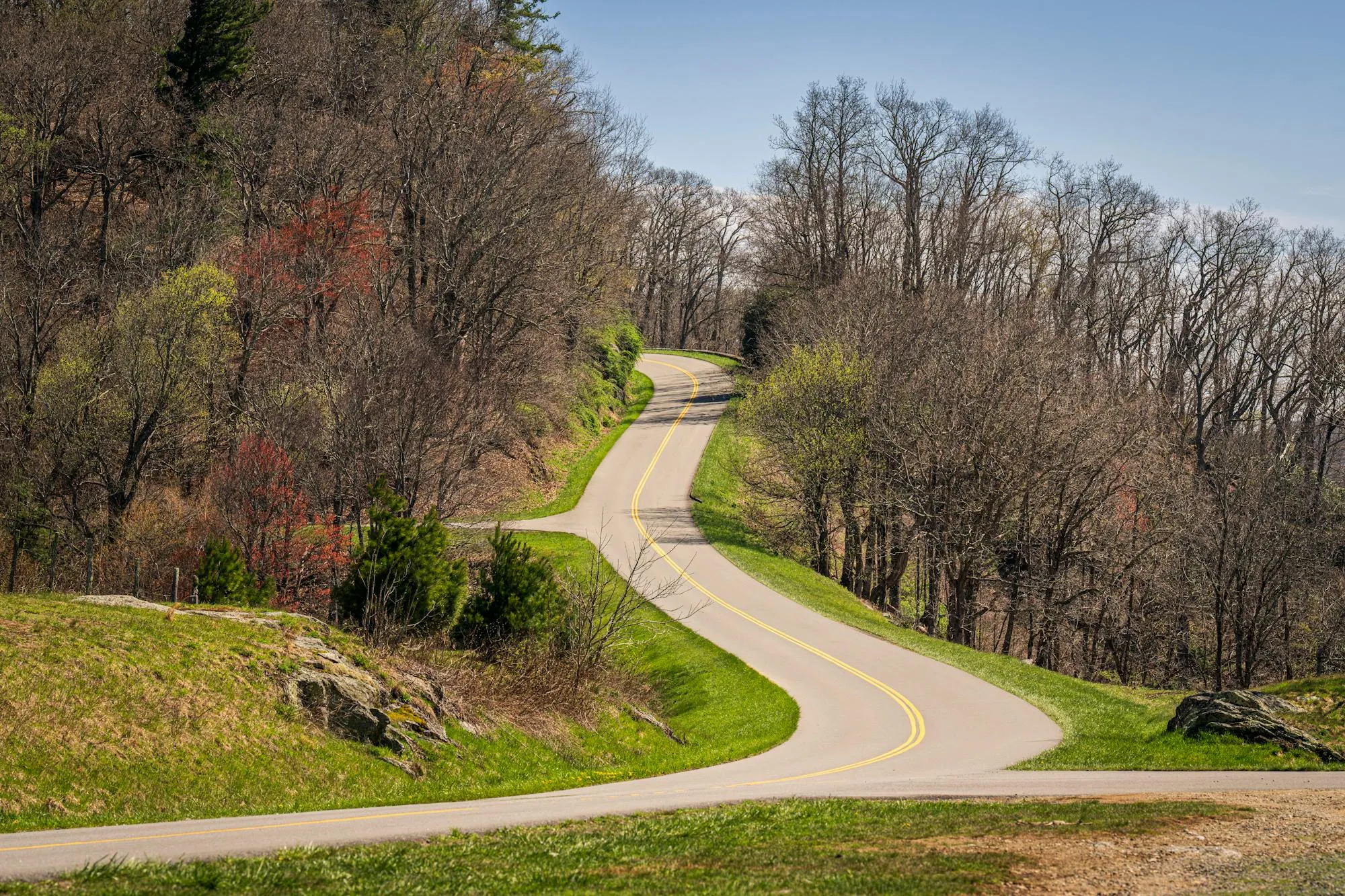
A winding asphalt road descending through the Appalachian Mountains, likely the famous Tail of the Dragon section in Tennessee and North Carolina. Multiple technical right-hand and left-hand curves are visible in this aerial perspective, surrounded by deciduous forest in spring foliage. Clear sunny conditions, well-maintained asphalt with yellow center lines marking the curves.
Mark Stebnicki / Pexels

The Truth on the Street

What follows comes from years of listening to K 1300 R owners: talk in the paddock, long conversations at fuel stops and club nights, and the emails and messages riders send me directly. Put together, it tells a consistent story. Owners come back to the engine first and to how much distance the bike will cover in a day. Their complaints are about living with it: cost, sound, and what an unfaired bike leaves you exposed to.

The engine owners talk about first

The engine gets the most praise. Owners describe the inline-four as refined and linear, with pull from idle all the way to redline, and many still call it a benchmark for big-bore naked torque. What they bring up again and again is that it stays docile at walking pace, so the speed is there without the bike ever feeling tense. Riders also say it's more agile than its size suggests once the pace picks up. Nobody mistakes it for a supersport, but owners say it changes direction with confidence. The styling splits people, and even the owners who defend it admit the angular look is love or hate. Either way, they agree it never disappears in a parking lot.

More mile-eater than the shape suggests

Owners keep saying they were surprised to find a genuine all-day bike here. They credit the upright posture and the broad, well-padded seat, and several say wind pressure is better managed than they expected from a naked. Riders who ordered the optional equipment (electronic suspension, traction control, quickshifter, heated grips) say it gave the bike an edge in technology over most nakeds of its era.

Where owners feel the compromises

The most common gripe is the mass in hairpins and at crawling speed. Owners say it takes deliberate input there and feels cumbersome next to lighter nakeds. A few say the stock muffler is too quiet for this much power, and many swap in aftermarket cans. Others say that at highway speed you take the full force of wind and rain, which cuts into all-season use. Some owners mention a vibration creeping in around 6,000 rpm that smooths out higher up and shows on long freeway runs. There are also reports of expensive BMW parts and labor, and of electronic faults that need dealer-only diagnostic equipment.

Known issues

  • Kill-switch short circuit (recall)

    electrics rare Recall

    In 2009, BMW recalled K1300R models in the UK because a short circuit inside the right-hand switch assembly could inadvertently trip the kill switch, causing the engine to stop while riding. The fix involved replacing the switch unit.

  • Fuel pump flange leakage and recall

    fuel system rare Recall

    Some countries issued a recall for the fuel pump flange, which could crack and leak fuel. The issue could lead to a sudden loss of pressure or, in worst cases, a fire hazard. Replaced under warranty with an improved part.

  • Paint flaking on swingarm and hub

    bodywork common

    The silver paint on the aluminum swingarm and final drive housing is prone to flaking and blistering, particularly on bikes ridden in wet or winter conditions. This is cosmetic but widely reported, and early signs should be addressed to prevent corrosion.

The Expert Benchmark

Where this BMW K 1300 R pulls ahead of — or falls behind — its rivals on the numbers, and the typical bike in its class on character.

What kind of bike this is — character vs. the class

This bike Class average

The shape of the BMW K 1300 R — numbers and character vs. the average Hyper Naked

Head-to-head: BMW K 1300 R vs. its rivals

The Handshake Score

Forget spec-sheet bragging. Here's who the K 1300 R is actually built for.

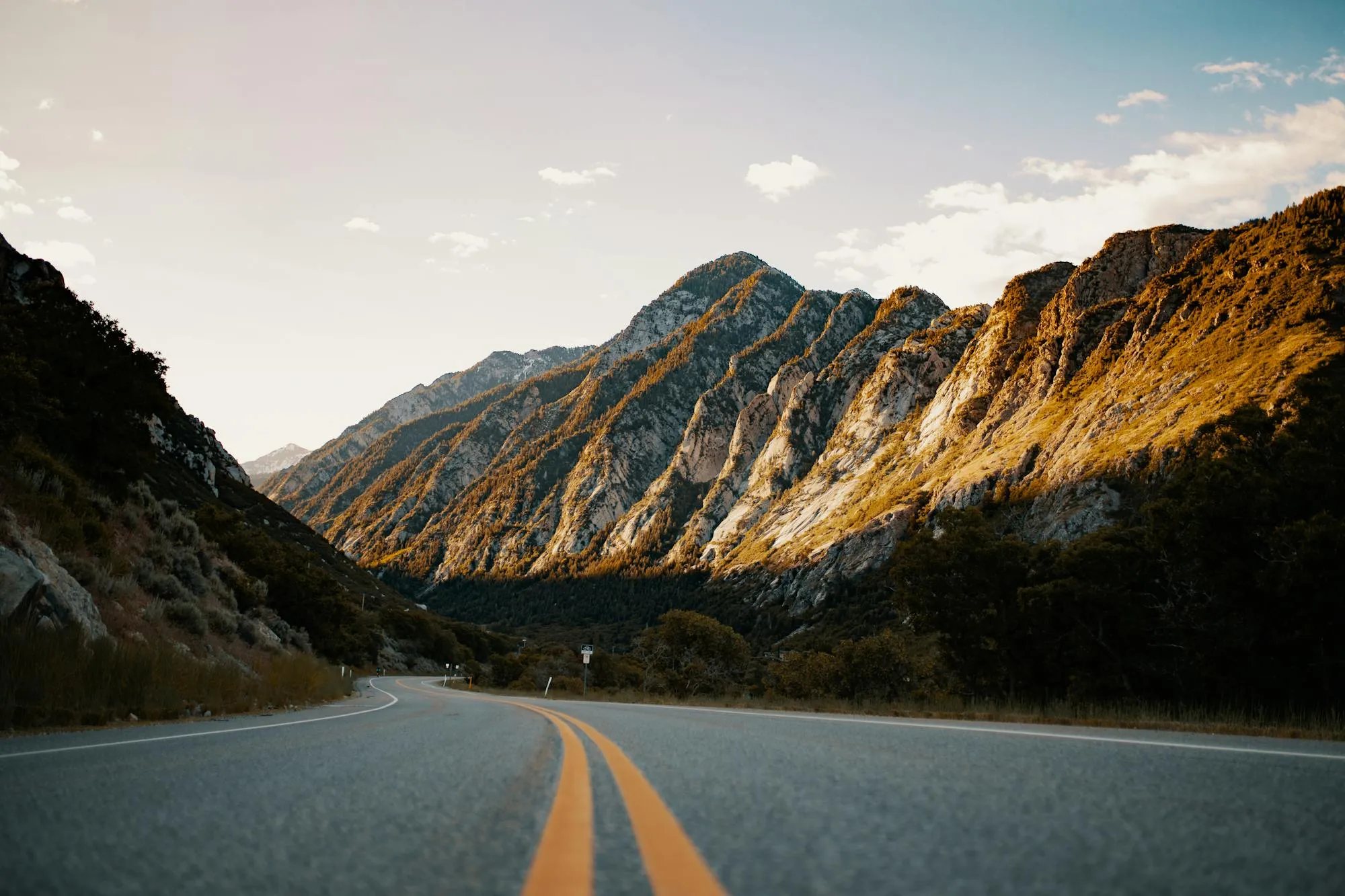
A scenic view of Angeles Crest Highway winding through rugged Southern California canyon terrain. Rocky mountainsides with golden earth tones frame the asphalt road with tight sweeping curves. Double yellow center line visible, sparse vegetation along the shoulders, clear blue sky with white clouds. Daylight, dry conditions. Iconic location for canyon-road enthusiasts.
Josh Sorenson / Pexels

Best motorcycle for Laguna Seca?

Weekends on track chasing apexes? You get monstrous straight-line drive and rock-solid stability, but it's a heavyweight, and the ABS caps your last-meter braking when you want to dive deep.

Made for WeatherTech Raceway Laguna Seca · Barber Motorsports Park · Circuit of The Americas

Best motorcycle for Angeles Crest?

On Angeles Crest this rewards a confident hand: huge roll-on out of every bend and lean clearance to spare. It's no flyweight, so fast sweepers suit it better than the tightest switchbacks.

Made for Angeles Crest Highway · Coronado Trail Scenic Byway · Big Sur Coast Highway

Best motorcycle for Tail of the Dragon?

Tail of the Dragon is all slow, tight turns, and that's where this big four works hardest. Give it a few laps to flow; the payback comes on the Blue Ridge sweepers where torque and stability shine.

Made for Tail of the Dragon · Back of the Dragon · Blue Ridge Parkway

What's new versus the previous generation

If you're cross-shopping the older generation, here's what changed.

BMW K 1200 R (K43)

Previous generation · 2005–2008

BMW K 1200 R (K43)

Turbine Force, Duolever Calm

Compare to the previous model →

Find it in these lists

Compare it with every bike that shares the same spec or equipment.