·

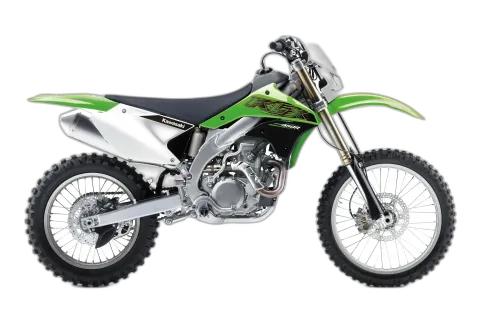
Kawasaki KLX 450 R (KLX450R-MY2008) — Enduro
Kawasaki Press

2008–2011 · Enduro · Buyer's Guide

KLX 450 R (KLX450R-MY2008)

4 / 5 NastyNils Rating · against its class

The KX Made Trail-Legal

The Machine's Character

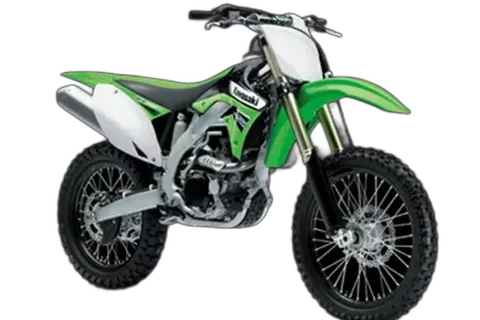
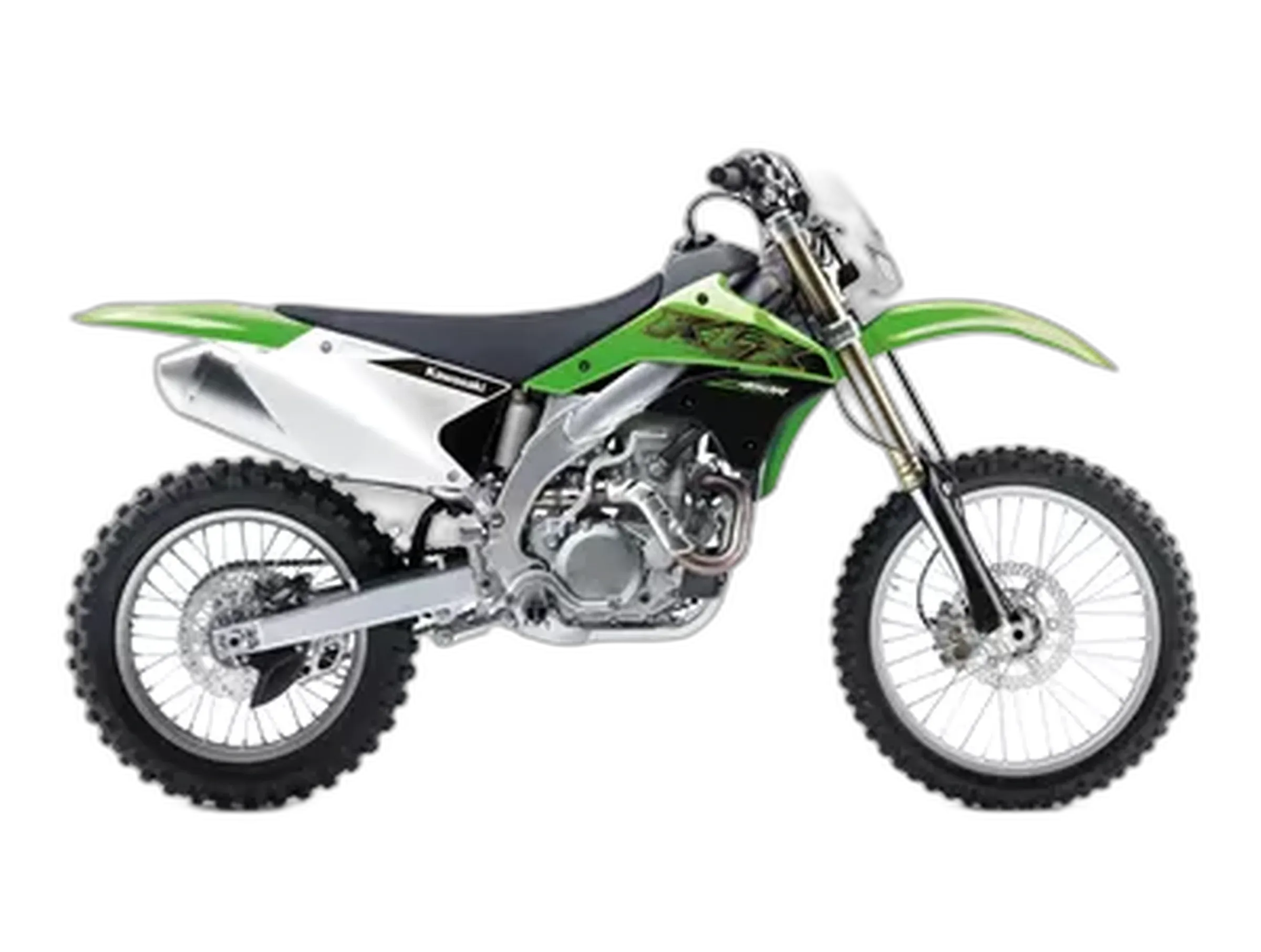
Kawasaki built this one on the KX450F motocross platform and then went back through it for the trail. The 449 cc liquid-cooled DOHC single runs a lower state of tune, gets a wide-ratio five-speed behind it, and fires on a button. Output lands at 56 hp and 37 lb-ft, which is plenty in dirt. Around that sits a fully adjustable USD fork and shock, a 21-inch front and 18-inch rear wheel pairing, a skid plate, a headlight and digital instruments. This is a factory enduro bike, not a motocrosser wearing a taillight.

In the dirt it works the way an enduro bike should. There's 12.0 inches of travel up front, 12.4 in at the rear, 12.4 in of ground clearance, and 278 lb wet to shove around when a trail turns into a puzzle. It suits an experienced off-road rider who wants real capability straight out of the crate and spends most weekends in technical terrain. The caveats are honest ones. Seat height is 36.8 inches, so shorter riders will be tiptoeing at every stop. The 2.1 gal tank keeps you on a short leash, and the carbureted engine wants attention when things get slow and hot.

Hard Numbers

Spec sheets don't ride bikes, but they set the baseline.

Show full specs & equipment Hide specs & equipment
Key specifications
Power 56 hp (42 kW)
Torque 37 lb-ft (50 Nm)
Displacement 449 cc
Engine Single-cylinder
Cooling Liquid-cooled
Gearbox 5-speed
Final drive Chain
Fork Upside-down (USD)
Front tire 80/100-21
Rear tire 110/100-18
Ground clearance 12.4 in (315 mm)
Front travel 12.0 in (305 mm)
Rear travel 12.4 in (315 mm)
Seat height 36.8 in (935 mm)
Wet weight 278 lb (126 kg)
Fuel capacity 2.1 gal (7.9 L)

Equipment check

Chassis

  • Front Suspension Adjustable Standard
  • Rear Suspension Adjustable Standard
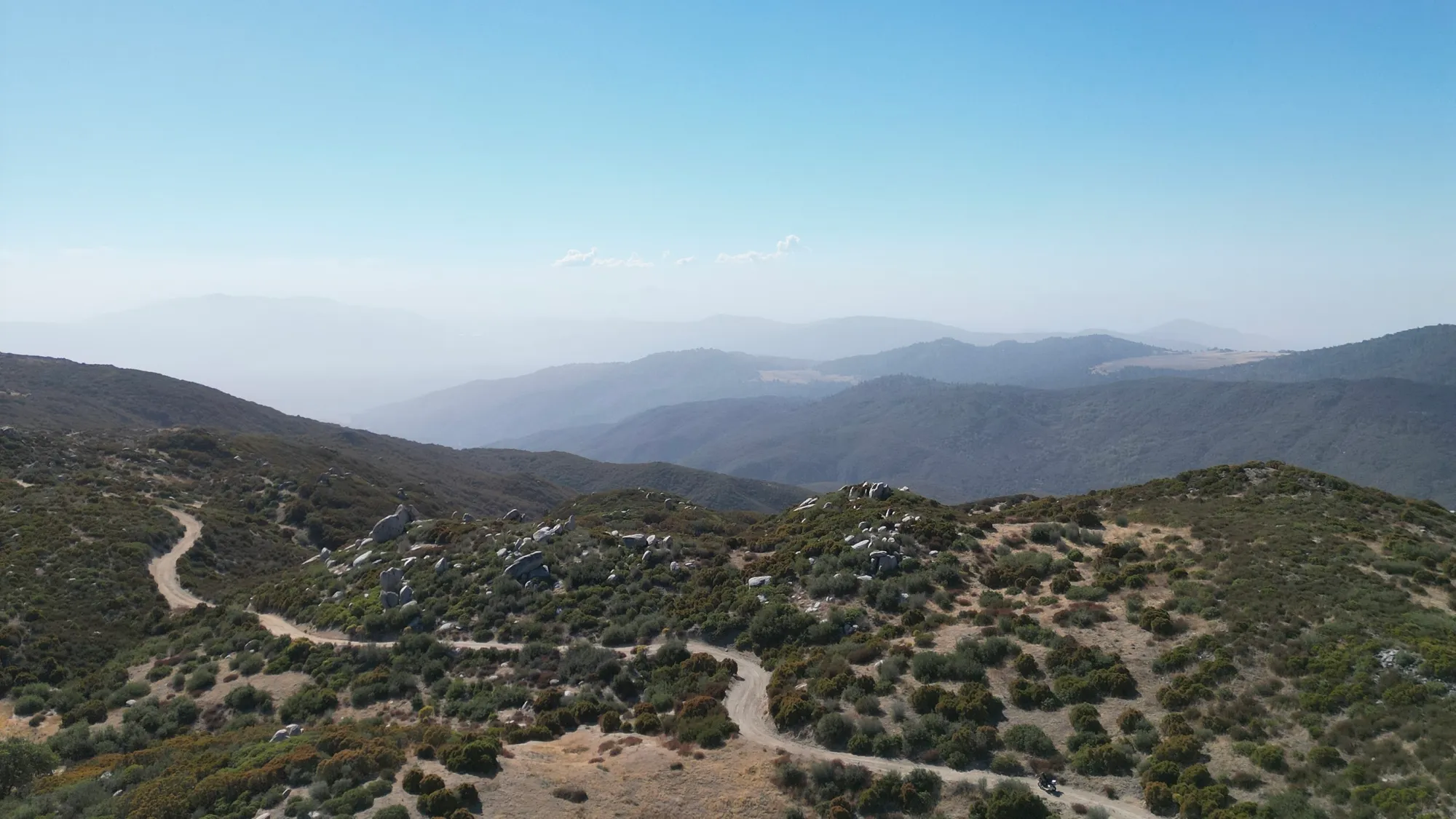
Aerial drone view of Palomar Divide Road winding through chaparral-covered mountain ridges in San Diego County. Multiple S-curve sections descend through sparse vegetation with distant valley views visible in the haze. Gravel and packed-earth surface.

The Truth on the Trail

This part comes from listening rather than riding. Two decades of paddock talk, club nights, conversations at trailheads and the notes riders send me directly after a season on this Kawasaki add up to a fairly steady picture. The praise lands on how the bike behaves when the going gets rough. The gripes land on what owners find themselves replacing.

What riders praise in the rough

The suspension comes up first and it comes up often. Riders describe it as plush, soaking up rocks and roots without kicking back, and that compliance is what they credit for feeling settled on broken ground. Close behind is the engine. Owners consistently talk about torque down low and power that builds in a straight line, which lets them lug through tight going without hunting for a gear or catching a stall.

The wear item owners keep replacing

One complaint turns up on the maintenance side. The rear chain guide and the front chain slider don't last, and owners report swapping both far sooner than they expect to. It reads less like a one-off and more like a standing line item on the parts list.

Known issues

  • Overheating and coolant boil-over

    cooling occasional

    In slow, technical terrain, the engine can overheat and push coolant into the catch tank. This is partly due to lean jetting and a marginal cooling system. Upgrading to a high-pressure radiator cap and using Water Wetter can reduce occurrences.

  • Hard starting when hot

    engine occasional

    After stopping on the trail, the engine can be very difficult to restart. Owners report needing to use the hot start lever and kick repeatedly, with some eventually resorting to bump starting.

  • Carburetor idle and fueling issues

    fuel system occasional

    Some owners experience erratic idle, stalling, or hesitation. The Keihin FCR40 carburetor has a unique lean idle circuit that can be difficult to tune, and press-fit jets limit adjustability.

  • Electrical system drains battery

    electrics occasional

    The charging system is insufficient to keep the battery fully charged, leading to a dead battery after a few starts or rides. Disconnecting the headlight is a common workaround.

The Expert Benchmark

Where this Kawasaki KLX 450 R pulls ahead of — or falls behind — its rivals on the numbers, and the typical bike in its class on character.

What kind of bike this is — character vs. the class

This bike Class average

Head-to-head: Kawasaki KLX 450 R vs. its rivals

The 'Should I Buy It?' Score

Forget spec-sheet bragging. Here's who the KLX 450 R is actually built for.

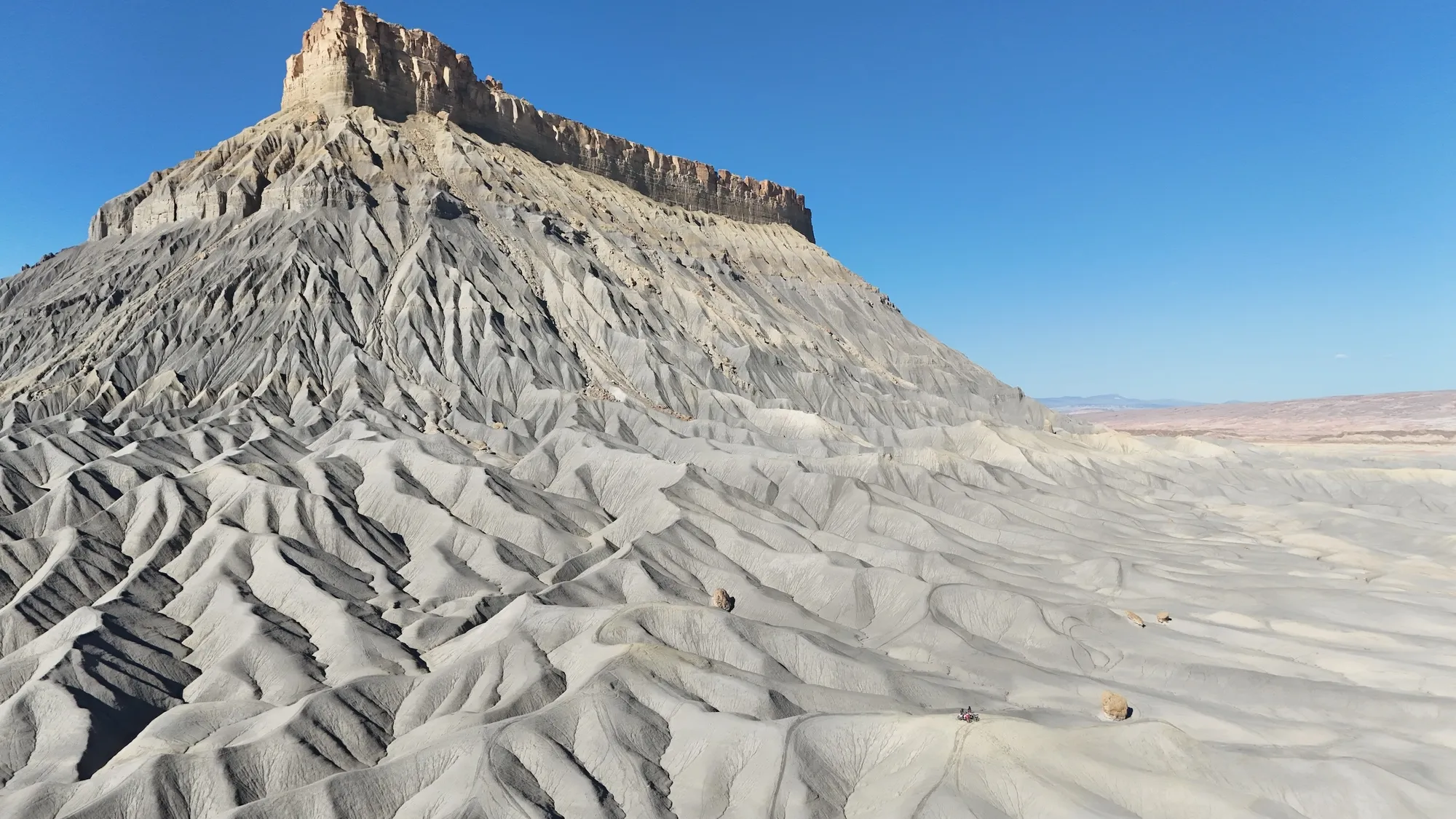
Factory Butte in Utah's high desert badlands, captured in daylight under clear blue sky. The formation's distinctive multi-colored strata and steep erosional gullies dominate the frame. Arid terrain with minimal vegetation stretches across the foreground and background. Typical American Southwest landscape.
NastyNils / Nastynils.com

Best motorcycle for Moab?

This is built for exactly the terrain you're chasing. Ledges, sand and tight technical lines are its home ground. Just plan your day around the 2.1 gal tank, because range is the limiting factor, not skill.

Made for Bar M / Kane Creek · Imperial Sand Dunes · Johnson Valley OHV Area
Best motorcycle for BDR routes?

On the dirt sections it's more capable than you need. Everything around them is the problem: 2.1 gal of fuel, a 36.8-inch seat and no luggage provision make loaded multi-day travel hard work.

Made for AZBDR — Arizona Backcountry Discovery Route · California BDR South · COBDR — Colorado Backcountry Discovery Route

Alternatives to the Kawasaki KLX 450 R

If this one isn't quite the fit, these are the bikes worth riding back-to-back against it.

Any price note compares both bikes at the same age — the youngest age both have on the used market — against this Kawasaki KLX 450 R. “cheaper/pricier” is what that bike costs second-hand, not how worn it is.