
·

Kawasaki KX450F (MY2009) — Motocross
NastyNils / Kawasaki Press

2009–2011 · Motocross · Buyer's Guide

KX450F (MY2009)

The Map That Tames 450s

The Machine's Character

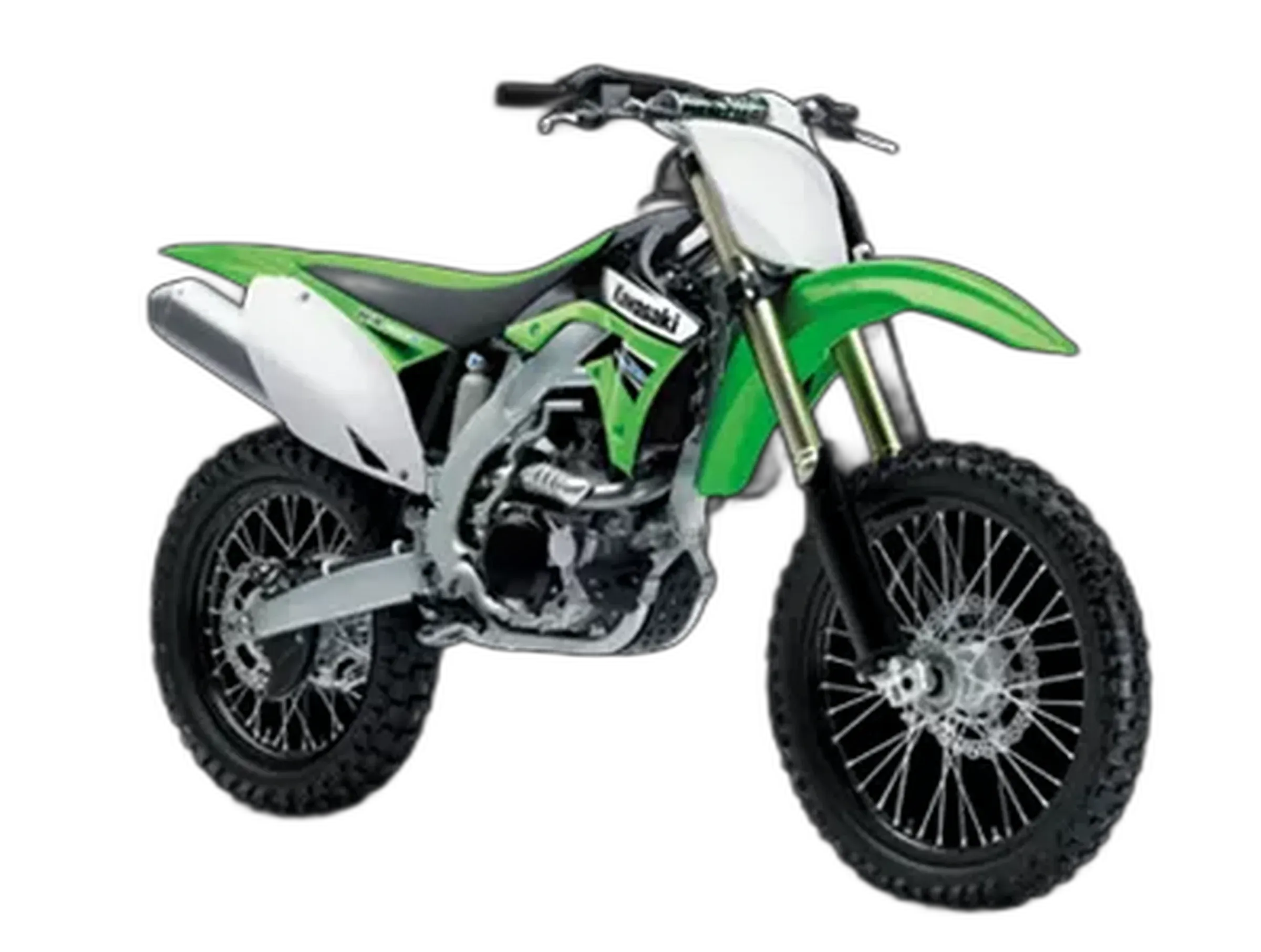
The KX450F is Kawasaki's premier motocross platform in its most focused form: an aluminum perimeter frame wrapped around a 449 cc liquid-cooled single making 57 hp and 37 lb-ft. This is an unapologetic race tool with no lights, no horn, and no nod toward the street. What sets this generation apart is breadth. Several factory mapping plugs ship with the bike, from aggressive to mild, so the same 450 can hand a beginner a manageable bottom end or hand a fast rider everything it has. That kind of range on a competition MX machine is genuinely rare.

At 248 lb wet the KX450F rides like a bike built for one thing and built well. It stays planted when the track goes rough, rewards a rider who keeps it pinned, and carries suspension reserves for the approaches you get wrong. It ages honestly if you look after it: the valve inspection interval reads demanding on paper, but weekend hours accumulate slowly, and most owners do their own oil changes without a mess. The honest caveat is setup. The depth in maps and adjustment only pays off with a dealer who knows how to dial it in, and Kawasaki's MX shop network is thin.

Hard Numbers

Spec sheets don't ride bikes, but they set the baseline.

Show full specs & equipment Hide specs & equipment
Key specifications
Power 57 hp (42 kW)
Torque 37 lb-ft (50 Nm)
Displacement 449 cc
Engine Single-cylinder
Cooling Liquid-cooled
Gearbox 5-speed
Final drive Chain
Fork Upside-down (USD)
Front brake 250 mm
Front tire 80/100-21
Rear tire 120/80-19
Wheelbase 58.3 in (1480 mm)
Ground clearance 13.4 in (340 mm)
Front travel 12.4 in (315 mm)
Rear travel 12.2 in (310 mm)
Seat height 37.6 in (955 mm)
Wet weight 248 lb (112 kg)
Fuel capacity 1.6 gal (6.1 L)

Equipment check

Chassis

  • Front Suspension Adjustable Standard
  • Rear Suspension Adjustable Standard

The Voice of Experience

Portrait of NastyNils

The test ride

It takes a committed kick to fire, but once it catches it never makes starting a project, cold, warm, or after a mid-session stall. The single has a hard, purposeful bark and real mechanical presence under you without buzzing your hands loose. Stand next to it in the pits and the quality reads before you throw a leg over: anodized hardware, a seat built to outlast the bike, a frame and swingarm made for rougher use than most of us will find. The 37.6-inch seat sits tall, and bigger riders will want to slide the bar mounts forward and drop the pegs a hole, a two-minute job between sessions that stops the machine fighting your natural position. When the track fell apart in the afternoon and the braking bumps started loading up my forearms, it stayed composed and on line.

Rated point by point — where it earns its keep

My own 0–100 score for this bike against the class, area by area — the marker on each bar is the class average.

The 450 runs a Kayaba fork where the 250 wears a Showa, and that single change carries most of the verdict for me. The smaller bike's front was already strong; this one steps past it, and the confirmation came from the fast riders on track, not just the guys still building toward pace. Their sign-off is the kind I weigh heaviest. What impressed me more was the human range it covered. The test group ran from former top-level pros to honest occasional riders, and every level got the bike sitting where they wanted it without much fuss. The quick lot dialed in a bit of rear preload between sessions and left it there after a turn or two; the slower riders hardly touched a thing. The only tax is weight. The extra mass over the smaller sibling makes the front slower to tuck into a corner and keeps you off the throttle a beat longer on the way out.

What stood out at the lever was consistency. The front stopper held its power deep into a hot, deteriorating afternoon without ever going vague or fading on me. Brakes that shrug off a hard day like that still aren't a given on a production motocrosser out of Japan, and it wasn't only my impression; a handful of the faster testers flagged it unprompted, which is the sort of confirmation I trust.

Get the mapping matched to the ground and this bike starts flattering you. Corners I'd been treating as a problem to survive turned into corners I could actually attack, and jumps that kept coming up awkward began landing where they should. It moves from a 450 you're wrestling to one you're genuinely riding. The eye-opener for me was the top end of its reach. Load the most aggressive setting and the tight technical stuff becomes a brawl your forearms lose, yet point that same map at the right piece of terrain, a jump feeding into a steep drop, and a stab of full throttle launches it in a way none of the calmer settings can approach. Living in both of those worlds inside one day showed me the breadth here better than the spec ever hinted.

The one change worth flagging on this generation is the exhaust header, which went from titanium to stainless. Kawasaki's official line is durability. I'd bet the real driver was cost, and I'd rather say that plainly than dress it up. In practice it doesn't cost you anything you'll feel; the stainless piece holds up fine, and nothing about the way this bike runs suggests a machine that's going to let you down. Across a full, hard test day the motor and driveline never once put a foot wrong, no drama as the heat built, no rattle creeping in as the hours stacked up. For a race-spec 450 that's the reassurance that counts. It behaves like a tool built to be worked rather than coddled, and that's how I read its dependability.

Pull up the softest factory map and the 450 stops trying to get away from you, and the part that won me over is what survives the change. Low in the range it still lands direct and strong, plainly not a 250 and never pretending to be one, and from the mid-range up it hooks and pulls clean rather than asking to be constantly managed. That mild setting is what let me quit lifting early through sections I'd been backing out of all morning and start holding it open. Fit a different plug and the character moves, but the substance underneath never collapses to the smaller bike's level. For a big-bore single with this much on tap, being able to soften the delivery that far and still keep a real bottom end is the trick I didn't expect it to pull off.

On a machine this focused, comfort really means fit, and the adjustability is what makes it work. You can slide the handlebar mounts to a forward or rearward spot, and the pegs carry an extra hole for a lower stance. Being on the taller side, I got real benefit from setting both. It takes only a short spanner session between motos, and afterward the bike stopped cramping the way I naturally want to sit on it.

As a pure race tool there isn't much daily convenience to grade, so it comes down to a couple of realities. It's kick-only, and after time on anything with a starter button, swinging your leg at the lever again feels like going backward, even though it lights up willingly hot or cold. And its real depth only pays out with a shop that knows how to set it up, which isn't a given when so few outfits in Kawasaki's motocross network carry that skill.

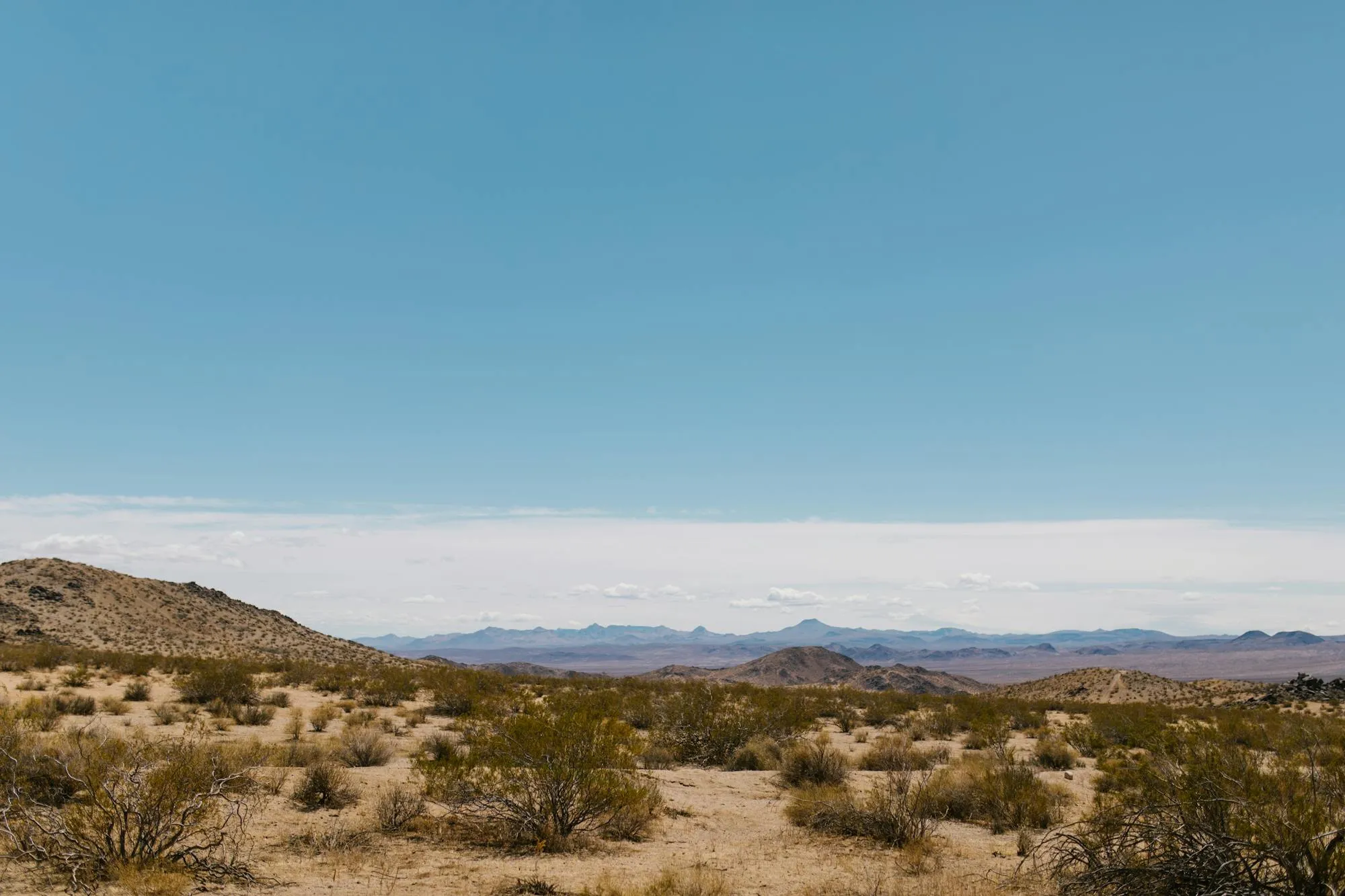
Wide desert landscape at Ocotillo Wells, California, showing sandy arid terrain with sparse desert scrub in the foreground, a rocky hill to the left, and a distant mountain range along the horizon. Clear blue sky with a thin band of light clouds at mid-height.
Rdne Stock Project / Pexels

The Truth on the Trail

This read doesn't come from a single weekend in the saddle. It's built from years of paying attention to riders: paddock conversations, owners trading notes, and the messages that land in my inbox. Sort all of it and the KX450F keeps telling the same story, an engine and chassis riders rate highly set against the running costs and fit gripes that trail a race 450.

What riders keep praising

The engine draws the loudest agreement. Riders lean on the broad, usable midrange that hooks up out of corners and stays friendly enough for intermediates and pros alike. Many also point to the plug-in ignition couplers as an easy way to soften or sharpen the power trackside without tools. The chassis earns nearly as much credit: the rear suspension soaks up hard hits and settles cleanly on jump landings, and the bike holds steady under braking and across broken ground.

The gripes that follow it

Not everyone agrees on the fork. Some call it harsh over small chop, and the rest can't land on the right firmness. The tall seat is a recurring sticking point for riders under about 5 ft 9 in (175 cm). And the ownership bill gets blunt talk: skip the valve checks and a costly top-end rebuild follows, while the steady spend on oil, drivetrain parts, tires, and clutch wear is the price of a race-spec 450.

Known issues

  • Exhaust valve seat recession

    engineoccasional

    On hard-ridden examples the titanium exhaust valves can recede into their seats, causing tightening valve clearances and eventually loss of compression if not checked at the recommended intervals.

  • Clutch fade under hard use

    drivetraincommon

    The wet clutch can fade or glaze under aggressive starts and prolonged hard launches, with users reporting plate replacement at relatively low hours of competitive use.

  • Radiator damage from tip-overs

    coolingcommon

    The exposed aluminum radiators are vulnerable to bending or splitting in even minor crashes, leading to coolant loss; aftermarket radiator guards are a common upgrade.

  • Linkage and swingarm bearing wear

    chassiscommon

    The Uni-Trak linkage and swingarm pivot bearings require regular regreasing; neglect leads to notchy suspension feel and bearing replacement.

  • Chain guide and slider wear

    chassiscommon

    The stock chain guide wears rapidly, and the chain can chew through it in a few hours of ride time. Aftermarket guides are a common upgrade.

  • Ignition condenser (capacitor) failure

    electricsoccasional

    Condenser wiring can corrode or break, causing hard starting, rough idling, and loss of power. Replacement is the fix.

The Expert Benchmark

Where this Kawasaki KX450F pulls ahead of — or falls behind — its rivals on the numbers, and the typical bike in its class on character.

What kind of bike this is — character vs. the class

This bike Class average

The 'Should I Buy It?' Score

Forget spec-sheet bragging. Here's who the KX450F is actually built for.

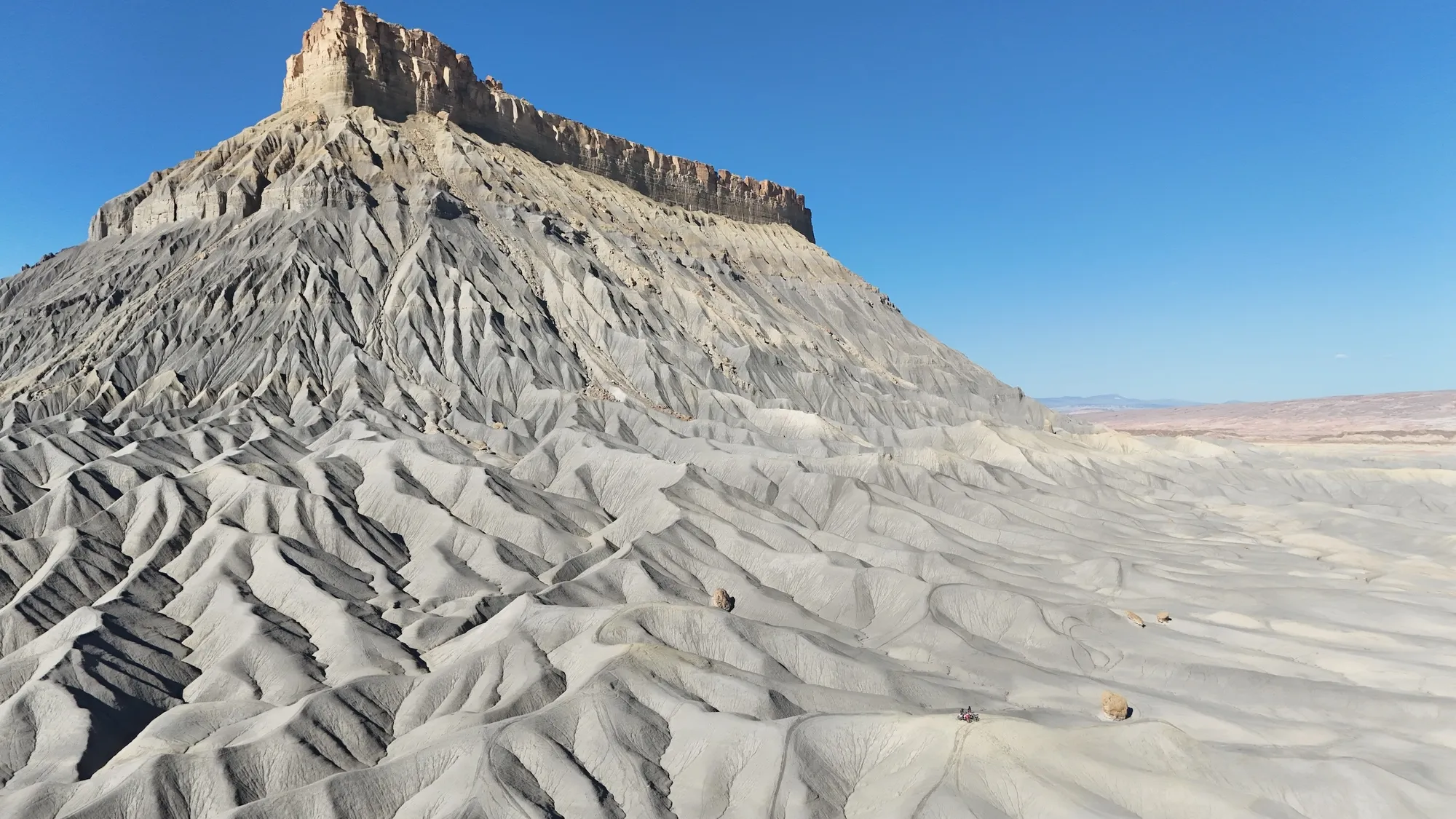
Factory Butte in Utah's high desert badlands, captured in daylight under clear blue sky. The formation's distinctive multi-colored strata and steep erosional gullies dominate the frame. Arid terrain with minimal vegetation stretches across the foreground and background. Typical American Southwest landscape.
NastyNils / Nastynils.com

Best motorcycle for Moab?

The off-road ability and light-feeling chassis will thrill you on technical terrain. But this is a stripped race bike with no lights and a 1.6-gal (6.1 L) tank, built for day skills, not for covering ground.

Made for Bar M / Kane Creek · Imperial Sand Dunes · Johnson Valley OHV Area
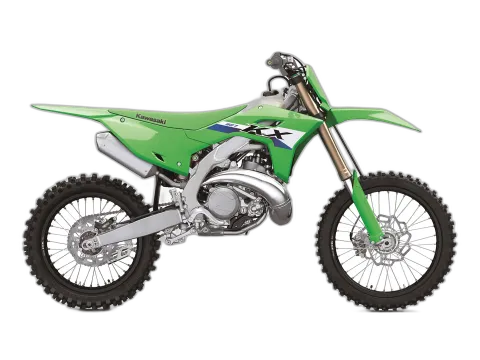
Alternatives to the Kawasaki KX450F

If this one isn't quite the fit, these are the bikes worth riding back-to-back against it.

Any price note compares both bikes at the same age — the youngest age both have on the used market — against this Kawasaki KX450F. “cheaper/pricier” is what that bike costs second-hand, not how worn it is.