Husqvarna TE 150 (MY2024) — Enduro
Husqvarna Press

2024–2026 · Enduro · Buyer's Guide

TE 150 (MY2024)

4.5 / 5 NastyNils Rating · against its class

Featherlight Terror In Tech Terrain

The Machine's Character

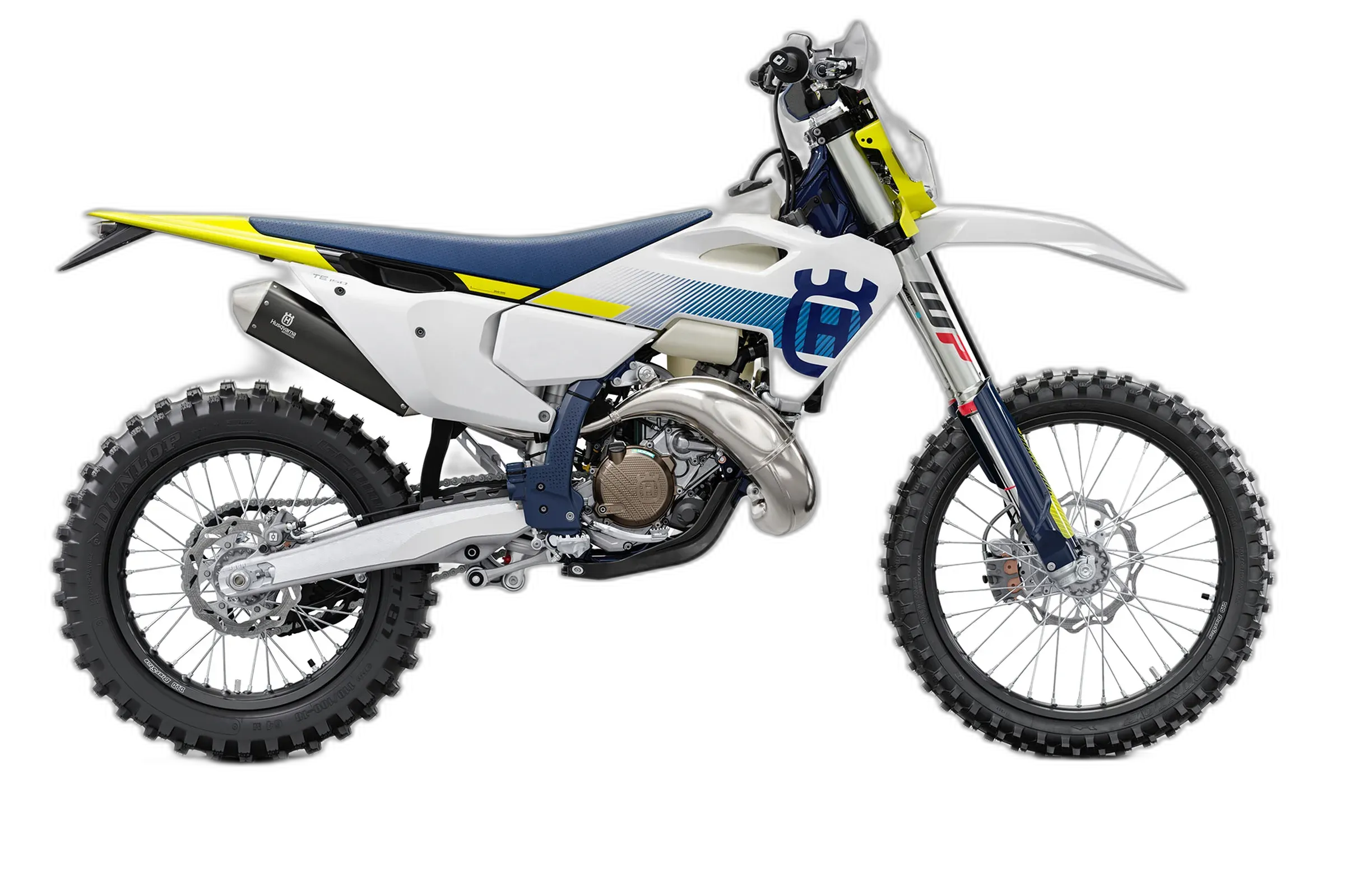
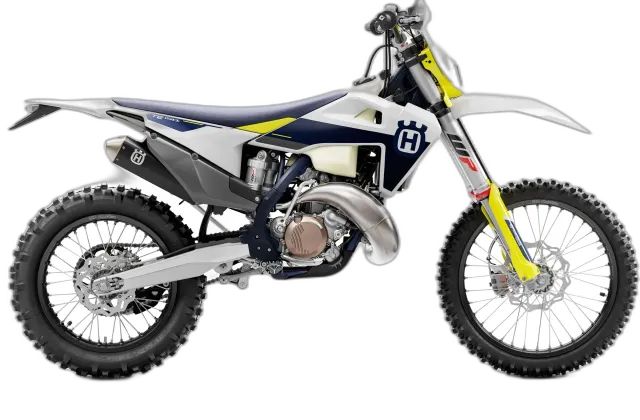
The TE 150 is a 144 cc two-stroke built for tight, technical terrain, and it is the kind of Husqvarna I like: the design is sharp, but the substance carries it. Fuel injection, an ECU and an electronically actuated exhaust power valve manage full-load, part-load and closed-throttle running, so the engine delivers crisply and still behaves itself. A switch on the left bar selects a sharper map when you want the revs to snap. The steel-tube frame limits rear squat under power, and the fully adjustable WP suspension gives you 11.8 in (300 mm) of travel at each end.

On the trail it rides lighter than the numbers suggest. Lower rotating mass than a four-stroke makes it easy to place, and the suspension works in a realistic middle range, so a fast rider and an average one both get a good base setup without paying for aftermarket tuning. This is a bike for experienced riders who want to move through rocks rather than wrestle their way through. The honest caveat: it is not a beginner bike. The small-bore motor has to be kept spinning, and if the revs drop too far the steep power curve bites. There has also been a recall for a front brake caliper that can crack, so confirm the work was done on any bike you buy.

Hard Numbers

Spec sheets don't ride bikes, but they set the baseline.

Show full specs & equipment Hide specs & equipment
Key specifications
Power 35 hp (26 kW)
Torque 13 lb-ft (18 Nm)
Displacement 144 cc
Engine Single-cylinder
Cooling Liquid-cooled
Gearbox 6-speed
Final drive Chain
Fork Upside-down (USD)
Front tire 90/90-21
Rear tire 140/80-18
Ground clearance 14.1 in (359 mm)
Front travel 11.8 in (300 mm)
Rear travel 11.8 in (300 mm)
Seat height 37.4 in (950 mm)
Fuel capacity 2.4 gal (9 L)

Equipment check

Chassis

  • Front Suspension Adjustable Standard
  • Rear Suspension Adjustable Standard

Lighting

  • LED Headlight Standard

Safety

  • Ride Modes Standard

The Voice of Experience

Portrait of NastyNils

The test ride

The first thing I noticed was what was missing. For a two-stroke, very little buzz comes up through the seat, and the seat cover grips well, so you stay planted while you shift between standing and sitting all day. The cockpit leaves real room to move. You can slide forward, hang back or drop a hip without anything getting in the way, and in technical ground that freedom matters more than any spec. The hydraulic clutch has a soft, precise pull, and after hours of feathering it through rocky sections my left hand was in better shape than I expected. At real trail pace the whole bike feels featherlight under you. It asks for a light touch rather than muscle, and you quickly start picking lines on purpose instead of just reacting to whatever the ground throws at you. It is a calm, unhurried feeling on a bike this small and this eager.

Rated point by point — where it earns its keep

My own 0–100 score for this bike against the class, area by area — the marker on each bar is the class average.

The moment I'll remember from this test came in a rock garden. I had to talk myself into hitting it at full speed, and once I committed, the 150 simply took it and gave the confidence straight back. At no point on this bike did I feel close to its limit or mine. Obstacles shrink when a bike is this light in your hands. No spec sheet tells you that.

Point the TE 150 downhill and it shows its best side. Rocky descents that wear me out on bigger bikes turned into something close to relaxed here, and on the runs where the WP setup was working with me, I didn't want them to end. On the way back up, the reworked chassis squats much less at the rear when I open the throttle. The front tire keeps biting and the bike drives forward instead of going light. What impressed me most is how the suspension spreads its talent. On the old setup a quick rider was down in the last bit of travel while a mid-pace rider hardly touched the midstroke. That gap is closed now, and I wouldn't send this fork and shock off for revalving. In the tight stuff the chassis tells me enough that I ride with a plan. It feels like flying the bike, not surviving it.

The Braktec brakes do their job without drama. Front and rear are well matched, and the feel at the lever and pedal is natural enough that I never had to think about how hard to squeeze. What I liked most was the fork under hard braking. It has reserve left, so it takes the load and still deals with the rocks under the front wheel instead of diving into them.

For me the new electronics are the real step forward. The ECU now runs an electronic exhaust valve, and I no longer have to choose between sharp throttle response and a motor that behaves off the gas. This one does both. Flick to the sport map and it gets properly aggressive. The flip side is that a small-bore two-stroke only works when it's spinning. Drop out of the powerband and the hit that follows is abrupt, so I carry momentum and keep it lit. Less experienced riders will find that tiring.

For a small two-stroke, it's a good place to spend a long day. The layout never pins me in one spot, which matters on a bike that wants constant body English. The motor stays smooth enough through the saddle that I don't notice the hours, and the seat cover holds me well. My one gripe is the grab cutout in the seat. It sits so close to the tank that my hand misses it every time I reach back.

Day to day, it's mostly easy to live with. The Braktec hydraulic clutch stays light at the lever from the first loop to the last, and that counts for a lot on a bike you work this hard. Two things bugged me. The plastics where my boots sit looked worn after very little riding. That's purely cosmetic, but it shows early. And the side stand, tidy as it is, still takes a couple of stabs with the boot to find when I'm tired.

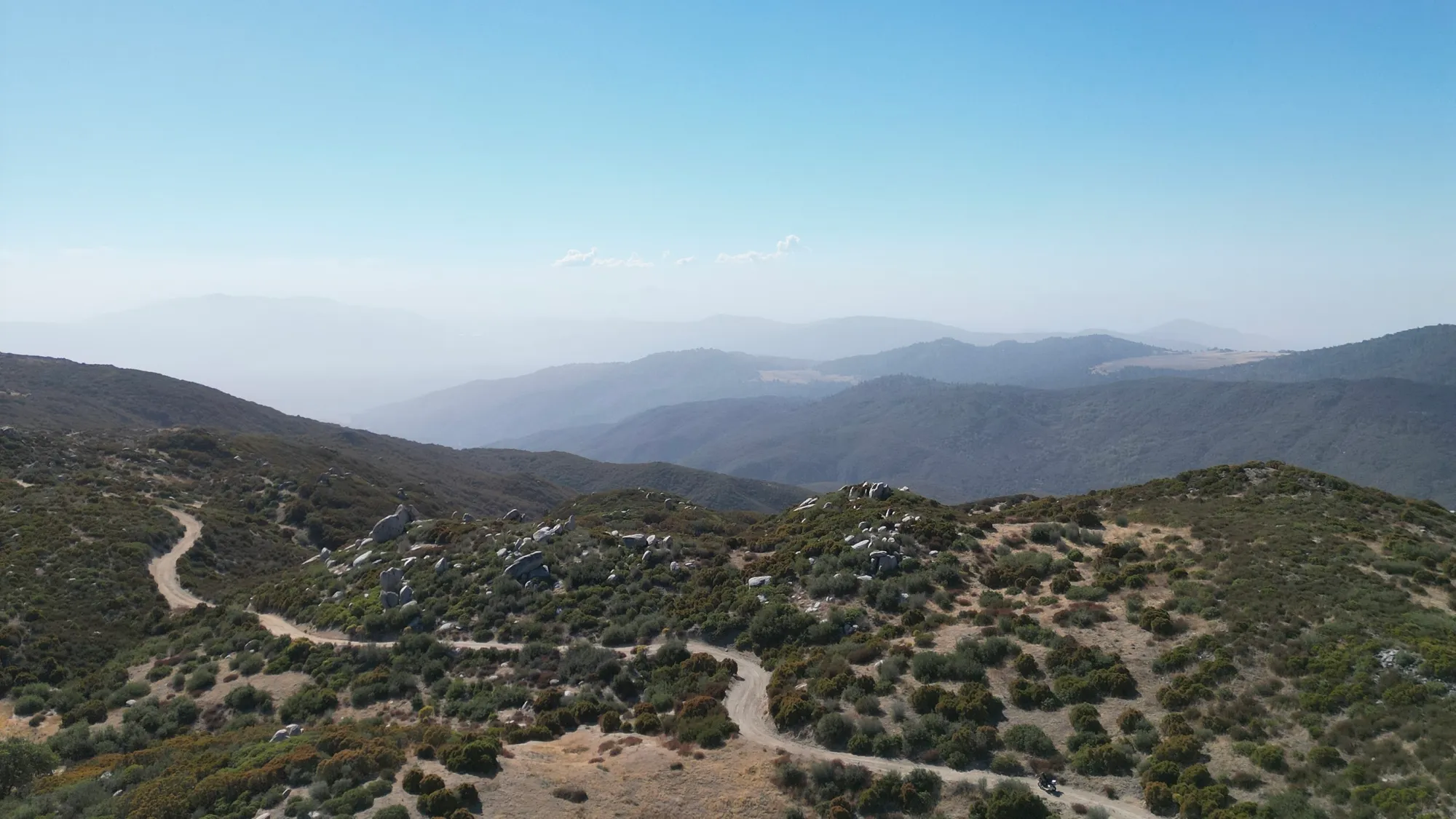
Aerial drone view of Palomar Divide Road winding through chaparral-covered mountain ridges in San Diego County. Multiple S-curve sections descend through sparse vegetation with distant valley views visible in the haze. Gravel and packed-earth surface.

Known issues

  • Front brake caliper can crack

    brakes occasional Recall

    The front brake caliper may crack, reducing braking effectiveness and posing a crash hazard. Affected models have been recalled.

The Expert Benchmark

Where this Husqvarna TE 150 pulls ahead of — or falls behind — its rivals on the numbers, and the typical bike in its class on character.

What kind of bike this is — character vs. the class

This bike Class average

Head-to-head: Husqvarna TE 150 vs. its rivals

The 'Should I Buy It?' Score

Forget spec-sheet bragging. Here's who the TE 150 is actually built for.

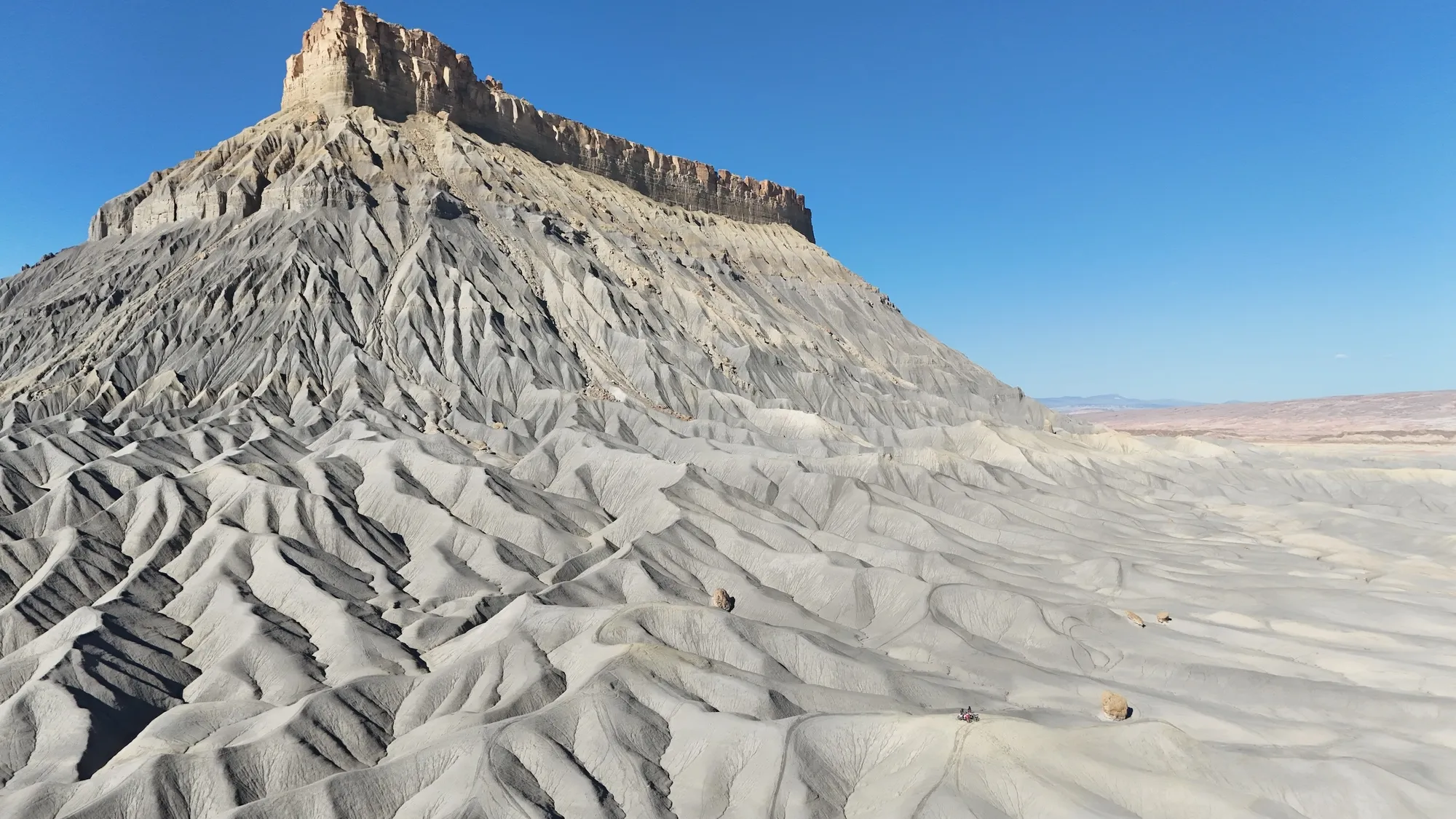
Factory Butte in Utah's high desert badlands, captured in daylight under clear blue sky. The formation's distinctive multi-colored strata and steep erosional gullies dominate the frame. Arid terrain with minimal vegetation stretches across the foreground and background. Typical American Southwest landscape.
NastyNils / Nastynils.com

Best motorcycle for Moab?

This is your bike for tight rock, ledges and technical sections. It's light, calm and easy to place. Just keep the revs up, and remember that 2.4 gal (9 L) of fuel keeps the rides at day-trip length.

Made for Bar M / Kane Creek · Imperial Sand Dunes · Johnson Valley OHV Area
Best motocross bike for Loretta Lynns?

It's light, nimble and happy on a practice loop, but it's set up as an enduro with a headlight and trail manners. If racing motos is your life, this is a sideline bike, not your main weapon.

Made for Carnegie State Vehicular Recreation Area · Fox Raceway at Pala · Glen Helen Raceway

Best motorcycle for BDR routes?

I'd be straight with you: with a 2.4 gal (9 L) tank, no luggage system and a 37.4 in (950 mm) seat, this isn't a multi-day BDR machine. It works best as a trailered toy for the gnarly day loops.

Made for AZBDR — Arizona Backcountry Discovery Route · California BDR South · COBDR — Colorado Backcountry Discovery Route

What's new versus the previous generation

If you're cross-shopping the older generation, here's what changed.

Husqvarna TE 150i (MY2020)

Previous generation · 2020–2023

Husqvarna TE 150i (MY2020)

Two-Stroke Woods Specialist

Compare to the previous model →

Alternatives to the Husqvarna TE 150

If this one isn't quite the fit, these are the bikes worth riding back-to-back against it.

Any price note compares both bikes at the same age — the youngest age both have on the used market — against this Husqvarna TE 150. “cheaper/pricier” is what that bike costs second-hand, not how worn it is.