
Triumph Thunderbird (MY2009) — Cruiser
NastyNils / Triumph Press

2009–2015 · Cruiser · Buyer's Guide

Thunderbird (MY2009)

British Thunder, Low And Slow

The Machine's Character

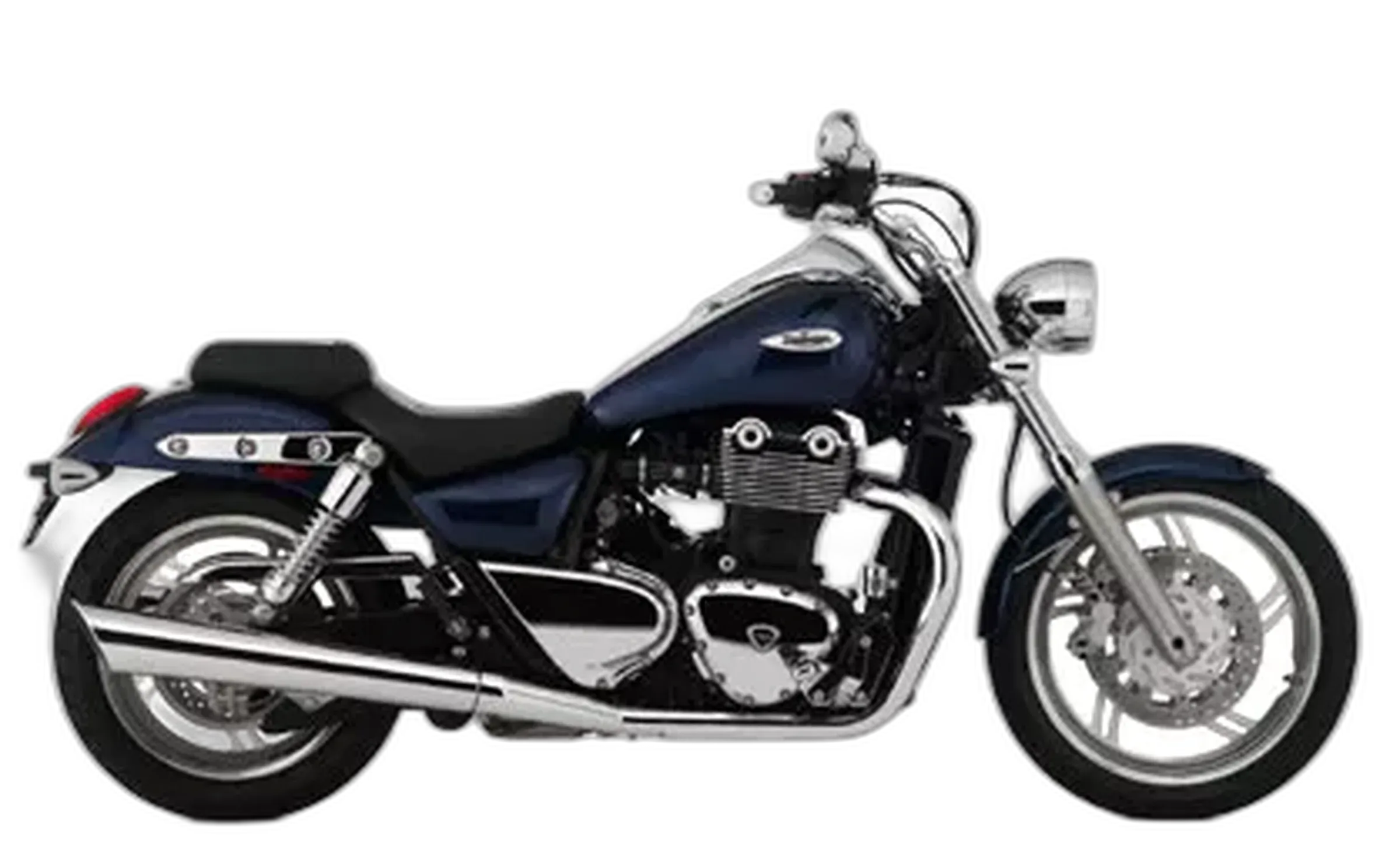
The Thunderbird builds its whole identity around a 1597cc parallel twin, and that engine is the point. It makes 85 hp and a thick 108 lb-ft of torque low in the rev range, fed to the rear wheel by a quiet belt through a 6-speed gearbox whose top gear works as a genuine overdrive. Triumph built the character in on purpose, leaning the whole engine toward low-end thump rather than top-end noise. The result sits at the premium end of the heavyweight cruiser class: big metal, a long low stance, and British detail running underneath the American attitude.

On the road it carries its 679 lb (308 kg) lower than the number suggests, and it falls into corners cleaner than a bike this size has any right to. Build quality holds up to a close look, though the switchgear and a few fasteners don't quite match the fine impression the rest of the bike sets. ABS is offered as an option rather than fitted as standard, so check the actual bike in front of you. This is a cruiser for a rider who wants charisma and real torque without the rattle and rough edges, and who has the hand strength for a firm front brake lever.

Hard Numbers

Spec sheets don't ride bikes, but they set the baseline.

Show full specs & equipment Hide specs & equipment
Key specifications
Power 85 hp (63 kW)
Torque 108 lb-ft (146 Nm) @ 2,750 rpm
Displacement 1597 cc
Engine Parallel twin
Cooling Liquid-cooled
Gearbox 6-speed
Final drive Belt
Front brake 310 mm
Front tire 120/70-19
Rear tire 200/50-17
Seat height 27.6 in (700 mm)
Wet weight 679 lb (308 kg)
Fuel capacity 5.8 gal (22 L)
Top speed 115 mph (185 km/h)
Fuel economy 35 mpg (US)

Equipment check

Safety

  • ABS Optional

The Voice of Experience

Portrait of NastyNils

The test ride

Settle in and the first thing you register is how low you sit, 27.6 inches off the ground, controls set forward and wide bars falling easily to hand. Thumb the starter and the exhaust answers with a deep, deliberate thud that has had every high note worked out of it. At a real road pace the engine stays alive under you without buzzing your palms numb over a long day, which is rare on something carrying this much metal. Gear changes slot home with no notchiness, and the belt runs quiet enough that you forget it's back there. The one thing your hands will register is the front brake lever, built large like everything else and asking for a firm squeeze. Crack the throttle in first and the rear tire will happily sign its name on the asphalt.

Rated point by point — where it earns its keep

My own 0–100 score for this bike against the class, area by area — the marker on each bar is the class average.

What keeps surprising me here is the throttle mapping. There's a ride-mode-style system buried in the electronics that switches itself, and I never once felt it happen. Crack the throttle hard and the response comes back fast and aggressive. Roll it on with restraint and it opens with that same care, reading what my wrist actually wants. The best thing I can say is that I forgot it was there at all. The gearbox backs it up: in a full day of riding I never hunted for a gear or stumbled into a false neutral, every change clean and complete. It does its thinking quietly and leaves me to get on with riding.

Over a long day the bike treats my hands better than its size suggests, with one exception. The front brake lever wants a real, deliberate squeeze, and if your hands run average or smaller you'll know about it by the time you stop. What balances it is the rear: the pedal asks far less effort, so I lean on it more than I normally would, and the front lever stops being the whole story.

Point it into a corner and the front goes exactly where I aim it, neutral on the way in with no push and no resistance fighting my line. The rear holds up its end, grip staying solid when I roll back onto the throttle. The real ceiling is the floorboards, and as long as I stay inside the lean angle they allow, this bike genuinely corners rather than merely surviving the bend.

I went looking for trouble on this one and mostly came up empty. No surface rust, no rattles working loose, nothing that embarrasses it under a close eye. The shortfall only shows when I get down to the small stuff. A few of the switches and a couple of fasteners don't carry the fine-point quality the rest of the bike sets up, and once you notice it you keep noticing.

The party trick is laying down black lines, and what makes it good is how controllable the whole thing stays. Gear in, roll on the throttle, a little pressure on the front brake, drop the clutch, and you're painting the asphalt. The sequence took me about two seconds to work out. From there I can dial exactly how much spectacle I want with throttle position and lever pressure, which gives it a playful, dialed-in feel I didn't expect from something this heavy.

The thing that genuinely widens this bike's appeal is the factory parts list. Triumph covers so much ground with its own accessories that I could spec a Thunderbird in almost any direction I wanted without ever opening an aftermarket catalog. That's rarer than it sounds, and it keeps the whole build looking like it was meant to be that way.

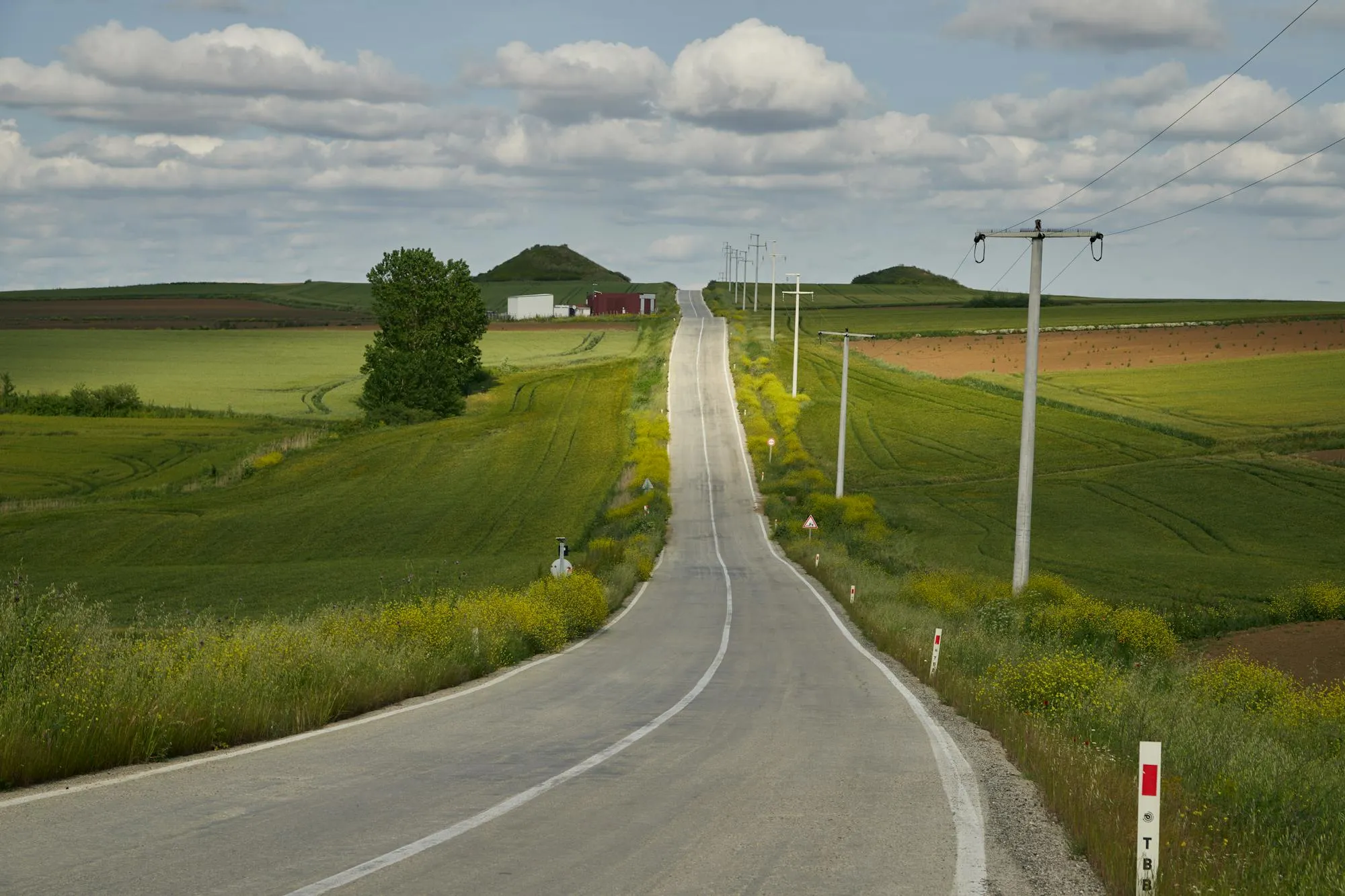
A long, straight paved road stretches toward the horizon through agricultural fields in Vermont. Power lines and a mailbox are visible along the roadside. Lush green vegetation, cumulus clouds, good daylight conditions. The landscape is flat to gently rolling. Asphalt pavement appears to be in good condition. Rural American setting.
Meric Tuna / Pexels

The Truth on the Street

Over the years I've kept a steady ear on what Thunderbird owners actually report: the messages riders send me directly, the talk around parking lots and paddocks, the owner conversations that pile up over time. Put it all together and one pattern holds. Most riders describe an easygoing, premium-feeling heavyweight that rewards distance, with its sheer mass the thing that keeps coming up.

Comfort That Rewards Distance

The praise that comes back most often is how relaxed the bike feels over a full day. Owners point to the plush seat, forward footboards, and upright bars for a posture they can hold for hours, and many credit the windscreen for cutting wind and fatigue at highway speed. They also describe overtaking and two-up runs as easy work, asking little effort and few gear changes. The finish, too, reads as genuinely expensive to most who own one.

Where The Weight Shows Up

The reservation that surfaces again and again is the bike's mass at low speed. Fully loaded, it takes real effort to push around and park, and riders note it can intimidate shorter or less experienced hands. A smaller number mention high-frequency vibration working through the bars and footboards at sustained highway speed, numbing the hands on longer stretches.

Known issues

  • ECU/fuel-injector recall (2014–2015 models)

    fuel systemrareRecall

    NHTSA recall campaign 14V694000: on certain 2014–2015 Thunderbird models the engine control unit can improperly activate the fuel injectors, which may cause a sudden loss of engine power and raise crash risk. Dealers modify the internal ECU hardware.

  • Premature drive belt wear

    drivetrainoccasional

    Several owners report accelerated wear of the drive belt, sometimes requiring replacement before 10,000 miles. Misaligned pulleys or a manufacturing defect may be the cause, and belt tension adjustments are reportedly finicky.

  • Front wheel wobble in sweeping turns

    chassisoccasional

    A low-frequency front-end wobble can occur when cornering at moderate speeds. Adjusting rear shock preload and checking tire pressures may mitigate it, but the issue remains a noted complaint.

  • Engine knocking at low rpm

    engineoccasional

    Some owners report a knocking or piston-slap sound from the engine under load at low revs, particularly when the engine is cold. Triumph has performed warranty rebuilds on affected bikes, but the issue can be persistent.

  • Check engine light / sensor faults

    electricsoccasional

    Intermittent check-engine light illumination, sometimes traced to a dodgy exhaust valve sensor or oil level warning. Resetting may clear it, but the fault can reappear, causing anxiety on long trips.

  • Plastic throttle bosses prone to breaking

    chassisrare

    The plastic bosses on the throttle grips are fragile and have been reported to break under normal use, requiring replacement.

  • Low quality chrome plating

    bodyworkoccasional

    Chrome on engine covers, fork legs and exhaust shields can pit, rust or peel prematurely, especially when ridden in wet conditions or near coastal areas.

The Expert Benchmark

Where this Triumph Thunderbird pulls ahead of — or falls behind — its rivals on the numbers, and the typical bike in its class on character.

What kind of bike this is — character vs. the class

This bike Class average

The shape of the Triumph Thunderbird — numbers and character vs. the average Cruiser

Head-to-head: Triumph Thunderbird vs. its rivals

The 'Should I Buy It?' Score

Forget spec-sheet bragging. Here's who the Thunderbird is actually built for.

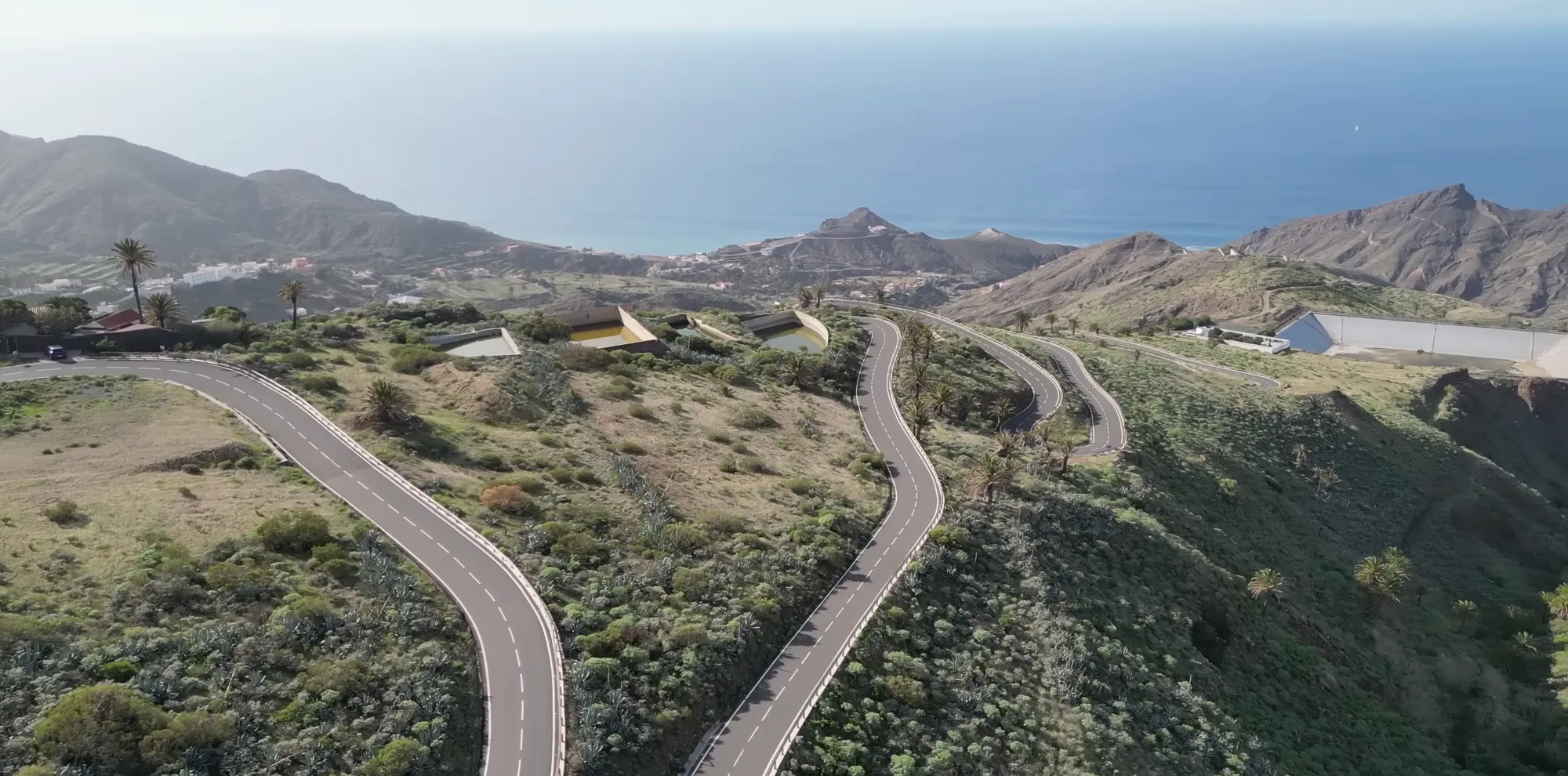
Aerial view of a winding asphalt road cutting through volcanic terrain on La Gomera, Canary Islands. The road curves through sparse green vegetation with rocky volcanic peaks visible in the background and a settled valley to the left. Clear lane markings, dry climate, partly cloudy sky.

Best cruiser for Sturgis?

If your riding year runs on big-event weekends and the sound that comes with them, the Thunderbird brings deep engineered rumble, a long low stance, and a rear tire happy to make a scene. It speaks your language.

Made for A1A — Florida Atlantic Coast · Black Hills / Sturgis Rally Hub · Daytona Main Street / Bike Week
Best retro motorcycle for road trips?

Built for unhurried two-lane miles through small towns. The overdrive top gear and the low, relaxed seating let you settle into a quiet rhythm, with enough classic presence to look right parked outside the diner.

Made for Acadia National Park · Austin / Handbuilt Motorcycle Show · Blue Ridge Parkway

Best touring motorcycle for long distance?

It's a cruiser first, not a dedicated tourer, but the comfort, the low-end torque, and the deep factory accessory catalog let you load it for distance. Two-up and fully packed, plan your stops around the 5.8-gal tank.

Made for Beartooth Highway · Blue Ridge Parkway · Going-to-the-Sun Road

Alternatives to the Triumph Thunderbird

If this one isn't quite the fit, these are the bikes worth riding back-to-back against it.

Any price note compares both bikes at the same age — the youngest age both have on the used market — against this Triumph Thunderbird. “cheaper/pricier” is what that bike costs second-hand, not how worn it is.