Kawasaki Eliminator 500 (MY2024) — Cruiser
Kawasaki Press

2024–2025 · Cruiser · Buyer's Guide

Eliminator 500 (MY2024)

3.5 / 5 NastyNils Rating · against its class

The Easiest Cruiser Entry

The Machine's Character

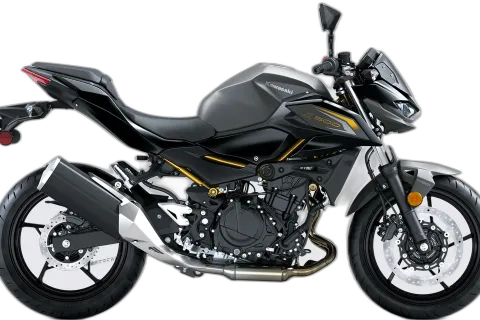
The Eliminator 500 puts a 451 cc liquid-cooled parallel twin in a long, low chassis and asks it to do two jobs at once. It makes 46 hp and 31 lb-ft, numbers that read modest on paper and feel entirely adequate on roads where you actually stop at lights. The stance is drag-bar lean: stretched proportions, blacked-out hardware, an 18-inch front wheel and a fat 16-inch rear. Seat height is 28.9 in (735 mm), wet weight 390 lb (177 kg). ABS, a slipper clutch, LED lighting and smartphone connectivity are standard, so the equipment list reads honest rather than showy.

It behaves the way Kawasaki builds things when nobody is chasing headlines: predictable, unfussy, tuned so the rider is never caught out. Accessible handling is the standout on my scoring sheet, closely followed by how little it costs to keep on the road, and it holds a line at highway speed better than its size suggests. That makes it the cruiser for a rider who wants the look and the low seat without a heavyweight's demands, and it should age cheaply. The honest caveat: the fork takes no adjustment at all, only the rear shock offers preload, and the 3.4 gal (13 L) tank keeps your stops frequent.

Hard Numbers

Spec sheets don't ride bikes, but they set the baseline.

Show full specs & equipment Hide specs & equipment
Key specifications
Power 46 hp (34 kW)
Torque 31 lb-ft (43 Nm)
Displacement 451 cc500cc Motorcycles →
Engine Parallel twin
Cooling Liquid-cooled
Gearbox 6-speed
Final drive Chain
Fork Telescopic
Front brake 310 mm
Front tire 130/70-18
Rear tire 150/80-16
Seat height 28.9 in (735 mm)Motorcycles With a Seat Height Under 30 Inches →
Wet weight 390 lb (177 kg)Cruisers Under 550 Pounds Wet →
Fuel capacity 3.4 gal (13 L)

Equipment check

Chassis

  • Manually Adjustable Rear Suspension Standard

Comfort

Lighting

  • LED Headlight Standard

Safety

  • ABS Standard
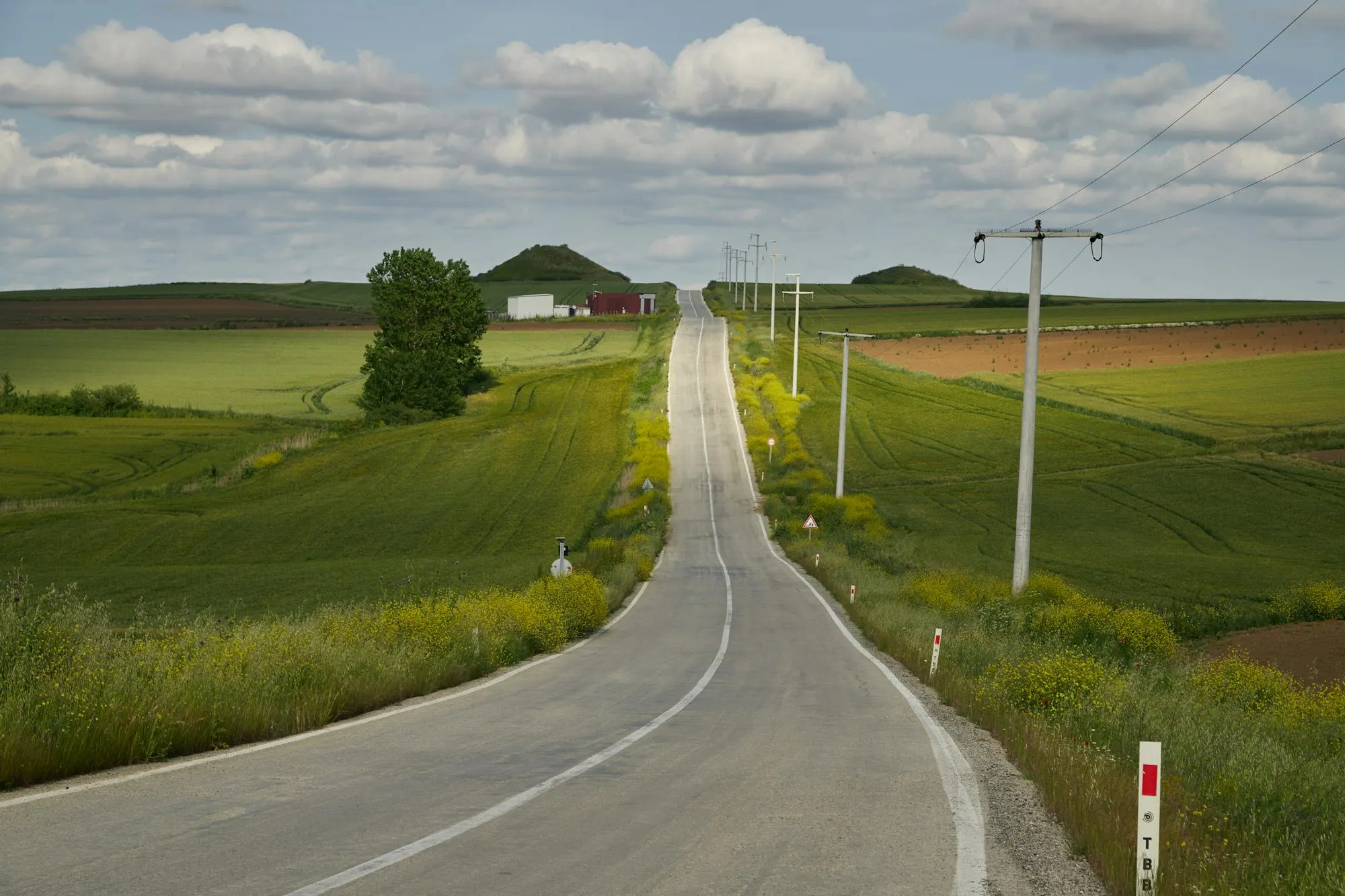
A long, straight paved road stretches toward the horizon through agricultural fields in Vermont. Power lines and a mailbox are visible along the roadside. Lush green vegetation, cumulus clouds, good daylight conditions. The landscape is flat to gently rolling. Asphalt pavement appears to be in good condition. Rural American setting.
Meric Tuna / Pexels

The Truth on the Street

What follows isn't my own test ride. It's what I've heard over years of listening to riders: conversations in the paddock, chatter at club nights, owners cornering me at bike meets, and the messages that land in my inbox after someone has lived with a machine for a season. On the Eliminator 500 the pattern is unusually consistent. Riders praise how easy it is to get along with, and the reservations they raise are about character rather than competence.

Easy To Ride, Short On Rumble

The most repeated compliment is how manageable it feels. Riders describe it as nimble and steady, quick to turn in and settled once leaned over, and they consistently mention how relaxed the riding position stays over long days, with both feet down at a stop. The 451 twin gets the same steady approval: clean pull from low revs, happy to spin out toward the top. The recurring gripe sits alongside that praise. Riders wanting cruiser rumble say the engine sounds smooth but flat. Some also mention visible cables and hoses spoiling the blacked-out look, and a few find the pegs touch down early when they push a corner.

Known issues

  • Fuel gauge inaccuracy

    electrics occasional

    Some owners report that the fuel gauge does not display correctly, showing incorrect levels or empty when fuel remains.

  • LCD display shadow with polarized glasses

    electrics rare

    A dark shadow may appear across the LCD screen when viewed through polarized sunglasses, though it does not affect functionality and may be a characteristic of the panel.

The Expert Benchmark

Where this Kawasaki Eliminator 500 pulls ahead of — or falls behind — its rivals on the numbers, and the typical bike in its class on character.

What kind of bike this is — character vs. the class

This bike Class average

The shape of the Kawasaki Eliminator 500 — numbers and character vs. the average Cruiser

Head-to-head: Kawasaki Eliminator 500 vs. its rivals

The 'Should I Buy It?' Score

Forget spec-sheet bragging. Here's who the Eliminator 500 is actually built for.

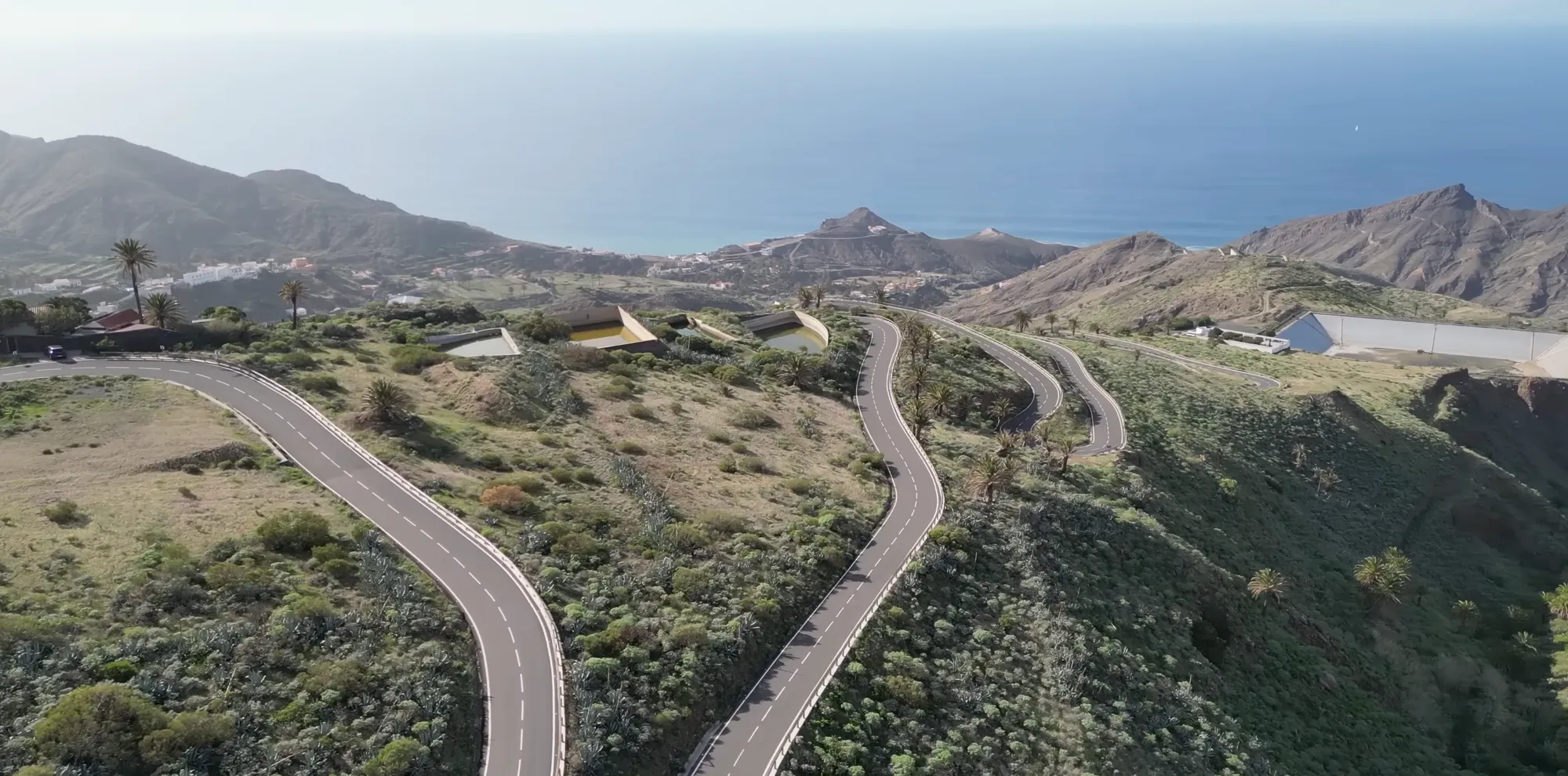
Aerial view of a winding asphalt road cutting through volcanic terrain on La Gomera, Canary Islands. The road curves through sparse green vegetation with rocky volcanic peaks visible in the background and a settled valley to the left. Clear lane markings, dry climate, partly cloudy sky.

Best cruiser for Sturgis?

You get the low stance and blacked-out look for rally-town cruising, and it costs almost nothing to run. What you do not get is big-twin thunder or the tank range for long legs between stops.

Made for Florida State Road A1A · Black Hills · Main Street, Daytona Beach

Best touring motorcycle for long distance?

It holds a steady line at highway speed and asks little of you. With 3.4 gal, no cruise control and no luggage system, though, big loaded days turn into work you will feel.

Made for Beartooth Highway · Blue Ridge Parkway · Going-to-the-Sun Road

Best retro motorcycle for road trips?

Small-town loops and unhurried two-lane miles suit the 46 hp twin and the low seat, and running costs stay low enough that you ride more often.

Made for Park Loop Road · Handbuilt Motorcycle Show · Blue Ridge Parkway

Variants, Models & Special Editions

The Kawasaki Eliminator 500 also comes in these variants, models and special editions. Each has its own page covering only what differs from the standard Eliminator 500 — equipment, electronics, specs and used price.

Alternatives to the Kawasaki Eliminator 500

If this one isn't quite the fit, these are the bikes worth riding back-to-back against it.

Any price note compares both bikes at the same age — the youngest age both have on the used market — against this Kawasaki Eliminator 500. “cheaper/pricier” is what that bike costs second-hand, not how worn it is.

Find it in these lists

Compare it with every bike that shares the same spec or equipment.