Kawasaki Eliminator 500 (MY2024-SE) — Cruiser
Kawasaki Press

2024–2025 · Cruiser · A variant of the Eliminator 500

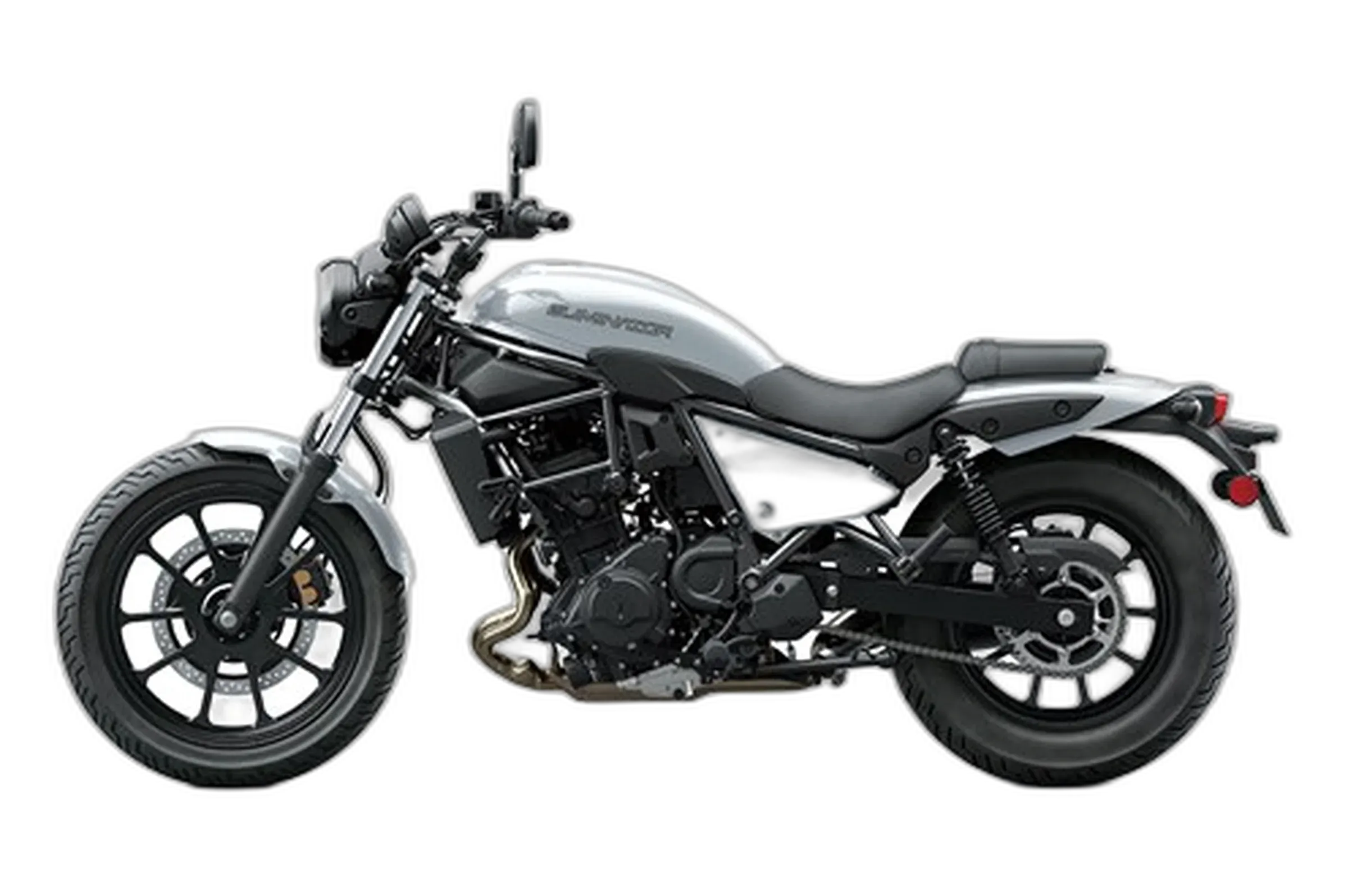
Eliminator 500 SE (MY2024-SE)

Differences between the standard Eliminator 500 and the SE

3.5 / 5 NastyNils Rating · against its class

Cruiser Light, Corner Ready

The Machine's Character

Kawasaki built the Eliminator 500 around a 451 cc liquid-cooled parallel twin that traces back to its Ninja 400 sportbike, and that lineage shows in where the numbers land: 45 hp arrives at 9,000 rpm, 32 lb-ft at 7,500. This is a cruiser that likes to spin rather than lug. A steel trellis frame carries it, the 18-inch front and 16-inch rear wheels set the long, low stance, and the SE trim finishes the look with a headlight cowl and fork boots. ABS is standard, along with an LED headlight, smartphone connectivity and a USB charging port.

At 390 lb (177 kg) wet with a 28.9-inch (735 mm) seat, it asks almost nothing of you at a stop, and that single fact changes how often the bike actually leaves the garage. The chassis is honest and predictable, the engine is simple, and running costs stay low, so this is a machine that should age without drama. It suits riders who want the cruiser stance and the relaxed riding position without a heavy motorcycle underneath them. The caveat is scope: 32 lb-ft and a 3.4-gallon (13 L) tank set real limits on how far and how loaded you go.

Hard Numbers

Spec sheets don't ride bikes, but they set the baseline.

Show full specs & equipment Hide specs & equipment
Key specifications
Power 45 hp (33 kW) @ 9,000 rpm
Torque 32 lb-ft (43 Nm) @ 7,500 rpm
Displacement 451 cc
Engine Parallel twin
Cooling Liquid-cooled
Gearbox 6-speed
Final drive Chain
Fork Telescopic
Front brake 310 mm
Front tire 130/70-18
Rear tire 150/80-16
Seat height 28.9 in (735 mm)
Wet weight 390 lb (177 kg)
Fuel capacity 3.4 gal (13 L)

Equipment check

Chassis

  • Manually Adjustable Rear Suspension Standard

Lighting

  • LED Headlight Standard

Safety

  • ABS Standard

What the Eliminator 500 SE Adds — Differences vs the Standard Eliminator 500

The Eliminator 500 SE (MY2024-SE) builds on the standard Eliminator 500: the upgraded hardware, the key spec changes and where its character shifts. The full ride, specs, scoring and verdict are all right here on this page.

Equipment the SE adds vs the standard Eliminator 500

Added
USB Charging Port
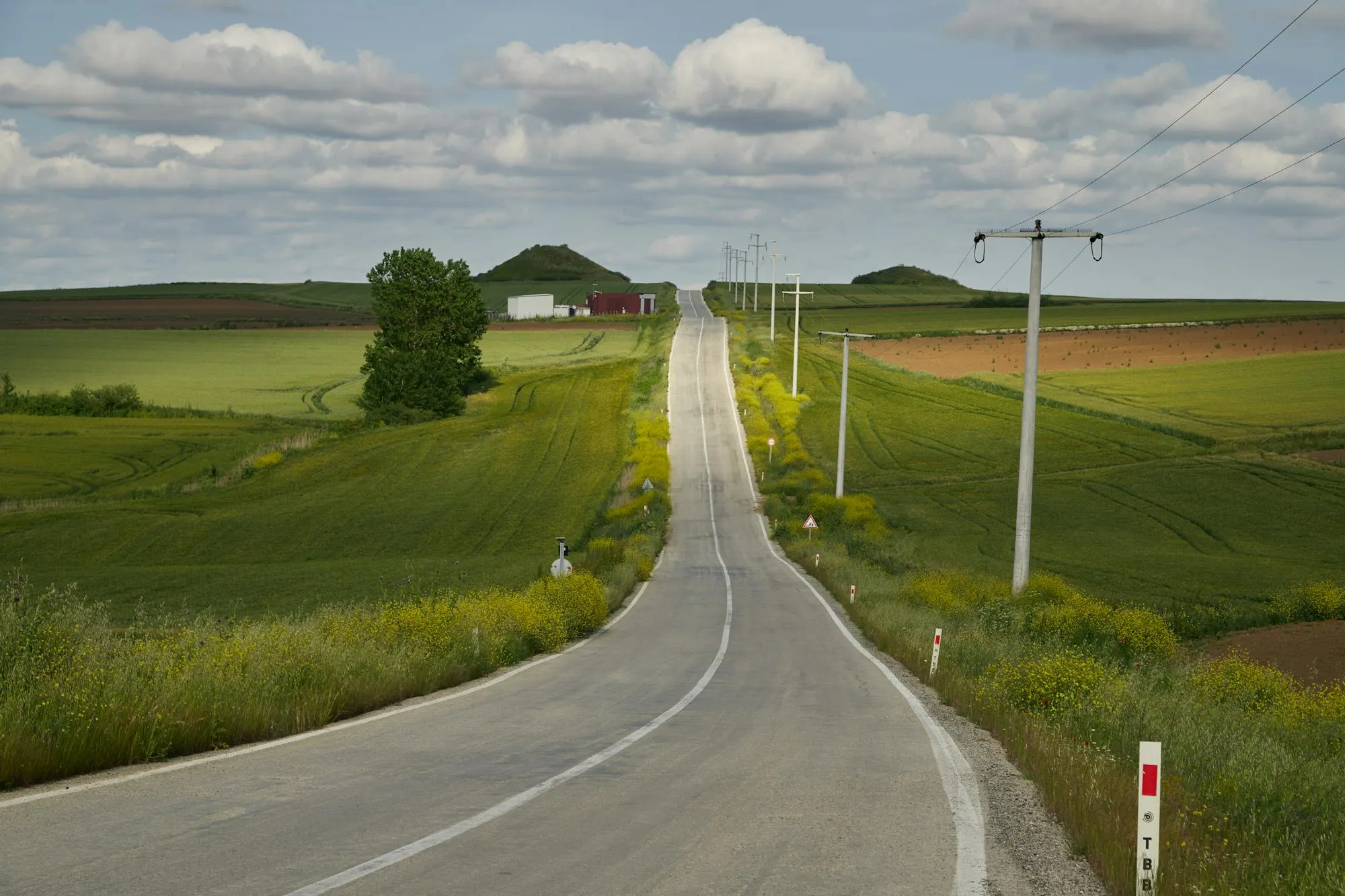
A long, straight paved road stretches toward the horizon through agricultural fields in Vermont. Power lines and a mailbox are visible along the roadside. Lush green vegetation, cumulus clouds, good daylight conditions. The landscape is flat to gently rolling. Asphalt pavement appears to be in good condition. Rural American setting.
Meric Tuna / Pexels

The Truth on the Street

This picture comes from years of listening: paddock conversations, owner chats, club-night talk, and the emails and messages riders send me about the bikes they actually live with. On the Eliminator 500, the pattern is unusually consistent. Owners talk about how easy it is to get along with and how much the engine gives back. In the same breath, they say it doesn't sound like the cruiser it looks like.

Easy to trust from day one

The low seat is the first thing owners bring up, and it comes up more than anything else. Riders describe a bike that feels unintimidating from the moment they climb on. That's a big part of why so many newer riders say they settled in quickly. The controls get the same credit: a light clutch pull and brakes that come in progressively instead of grabbing. Comfort is the other steady thread. Riders of very different sizes say the rider triangle fits them. They credit the mid-mount pegs and rubber-mounted bars for keeping things relaxed, and several talk about full days in the saddle without fatigue.

A twin with two personalities

Riders consistently praise the parallel twin for doing two jobs well. It pulls cleanly from low rpm, with the kind of low-end torque that suits a cruiser, and then it keeps building eagerly all the way to the redline. Experienced owners call that top end the fun part. Newer riders call the bottom end the reassuring part. The chassis gets similar praise. Owners describe it as nimble at walking pace and stable once it's rolling, with easy turn-in and a composed feel through corners, and some credit the low center of gravity. Ground clearance is where opinions split. A few riders report the pegs touching down early when they push. Some find that frustrating, while others say it just adds to the fun.

Where the cruiser feeling falls short

The most common complaint is the sound. Owners keep describing the exhaust note as flat and uninspiring, and some point to the 180-degree crankshaft for the missing rumble they expected from a bike styled like this. Smooth, but short on character, is how they sum it up. Suspension draws an equally steady line of criticism. Riders call it basic and say it feels built to a budget, with little room to tune it to their weight or riding style. Beyond those two, the gripes are isolated. One owner finds the rear brake soft on initial bite and harder to modulate smoothly, a point they flag for new riders in particular. Another wants wider, longer mirrors for checking lane changes. And a few notice visible wiring and hose routing around the engine and instruments that spoils an otherwise clean, blacked-out look.

Known issues

  • Fuel gauge may read inaccurately

    electrics occasional

    Owners report the digital fuel gauge can show incorrect levels, sometimes dropping suddenly or not reading full after fill-up.

  • LCD display shadow with polarized glasses

    electrics rare

    A dark shadow may appear across the LCD screen when viewed through polarized sunglasses, though it does not affect functionality and may be a characteristic of the panel.

The Expert Benchmark

Where this Kawasaki Eliminator 500 pulls ahead of — or falls behind — its rivals on the numbers, and the typical bike in its class on character.

What kind of bike this is — character vs. the class

This bike Class average

The shape of the Kawasaki Eliminator 500 — numbers and character vs. the average Cruiser

Head-to-head: Kawasaki Eliminator 500 vs. its rivals

The 'Should I Buy It?' Score

Forget spec-sheet bragging. Here's who the Eliminator 500 is actually built for.

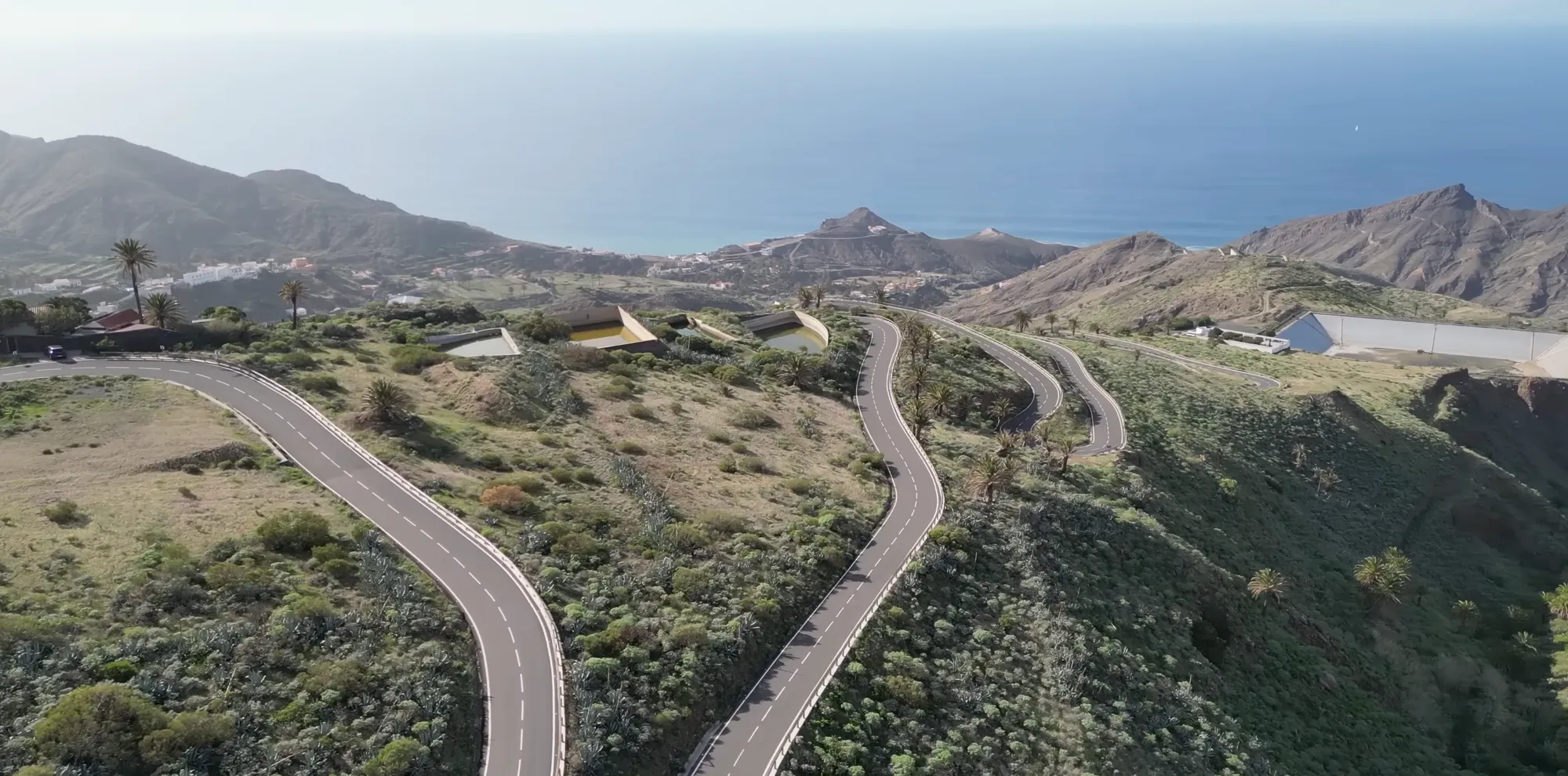
Aerial view of a winding asphalt road cutting through volcanic terrain on La Gomera, Canary Islands. The road curves through sparse green vegetation with rocky volcanic peaks visible in the background and a settled valley to the left. Clear lane markings, dry climate, partly cloudy sky.

Best cruiser for Sturgis?

If your riding year runs from Sturgis to Daytona, be straight with yourself: this is a light 451 cc twin with a cruiser stance, not a big-inch rumble. The look and the low seat deliver. The soundtrack won't.

Made for Florida State Road A1A · Black Hills · Main Street, Daytona Beach
Best retro motorcycle for road trips?

Two-lane routes, old main streets and an unhurried pace are exactly this bike's territory. The cowl and fork boots look right parked outside a diner, and the low running costs make long weekends easy.

Made for Park Loop Road · Handbuilt Motorcycle Show · Blue Ridge Parkway

Best touring motorcycle for long distance?

Straight answer: this isn't your cross-country machine. No factory luggage, a 3.4-gallon (13 L) tank and 32 lb-ft mean loaded two-up days over big passes ask more than it has to give.

Made for Beartooth Highway · Blue Ridge Parkway · Going-to-the-Sun Road