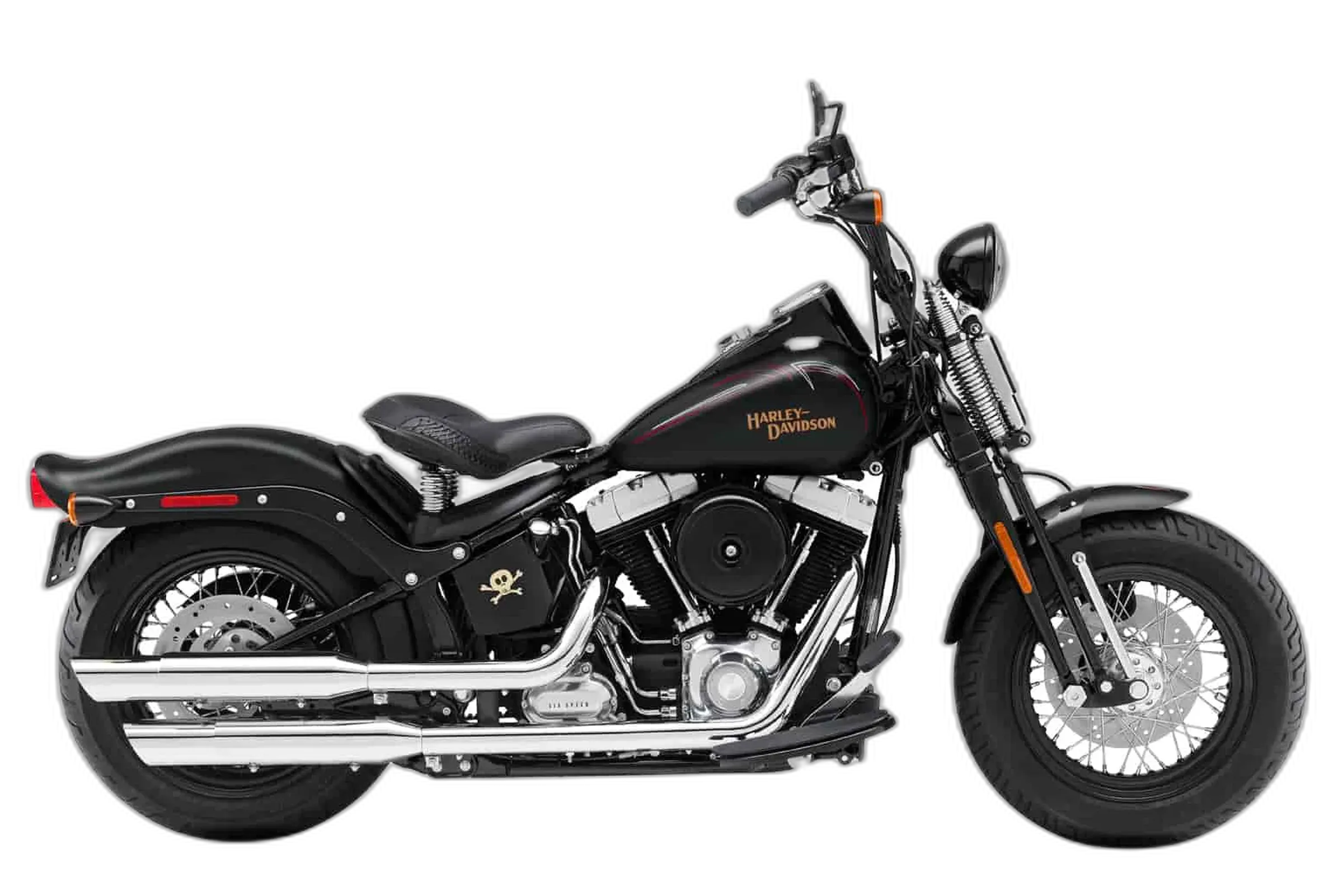

Harley-Davidson Softail Cross Bones FLSTSB (FLSTSB) — Cruiser
NastyNils / Harley-Davidson Press

2009–2010 · Cruiser · Buyer's Guide

Softail Cross Bones FLSTSB (FLSTSB)

Factory Bobber Done Right

The Machine's Character

This is a factory-built bobber, and Harley committed to the idea fully. The counterbalanced 1584 cc air-cooled 45-degree V-twin makes 75 hp and a lazy 93 lb-ft of torque at just 3,000 rpm, so it pulls hard from idle and asks you to short-shift through the 6-speed. A leading-link springer front end, mini ape-hanger bars, and a wide sprung solo saddle set the whole tone, all finished in gloss black over a belt final drive. It sits low and long with a heap of visible metal. In a class built on stance and attitude, the Cross Bones states its case at a single glance.

On the road it rewards a relaxed rhythm. The low 26.6-inch seat and feet-forward ergonomics make city boulevards and back-road dawdling genuinely comfortable, and the smooth, counterbalanced motor keeps low-speed rolling effortless. It ages the way well-finished Harleys do, provided you stay on top of the small stuff. The honest catch is speed. With no fairing and those tall bars, sustained highway pace gets tiring in a hurry, and at 701 lb it wants respect at walking speed. This is a bike for riders who buy character and presence first, then treat the miles as incidental.

Hard Numbers

Spec sheets don't ride bikes, but they set the baseline.

Show full specs & equipment Hide specs & equipment
Key specifications
Power 75 hp (56 kW)
Torque 93 lb-ft (126 Nm) @ 3,000 rpm
Displacement 1584 cc
Engine 45° V-twin
Cooling Air-cooled
Gearbox 6-speed
Final drive Belt
Fork Leading-link
Front brake 292 mm
Front tire 130/90-16
Rear tire 150/80-16
Seat height 26.6 in (676 mm)
Wet weight 701 lb (318 kg)
Fuel capacity 5.0 gal (18.9 L)

The Voice of Experience

Portrait of NastyNils

The test ride

Thumb the starter and the V-twin settles into that familiar off-beat idle you feel through the pegs and the saddle before you really hear it. The sprung solo seat floats you over sharp bumps in a way a modern shock never quite mimics, and the leading-link front feels planted rather than nervous once you learn to trust it. Reaching up to the mini ape hangers puts your hands high and wide, an easy posture on a slow cruise that starts to nag your shoulders as the miles stack up. First gear drops home with a loud mechanical clunk every single time, which unsettles new riders and stops bothering you by the second outing. At a steady lope through town it feels alive and unmistakably hand-built, and that is exactly the point.

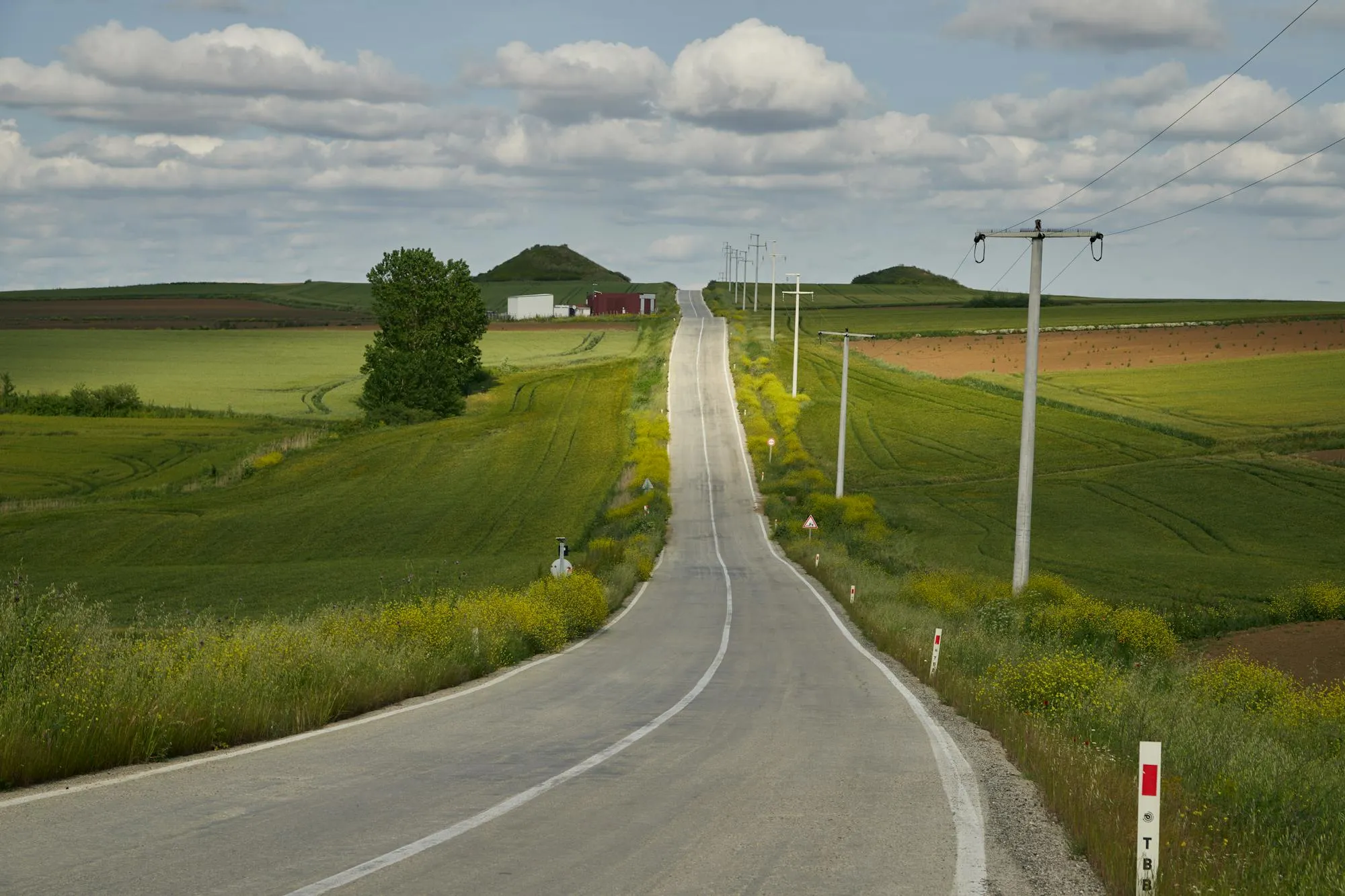
A long, straight paved road stretches toward the horizon through agricultural fields in Vermont. Power lines and a mailbox are visible along the roadside. Lush green vegetation, cumulus clouds, good daylight conditions. The landscape is flat to gently rolling. Asphalt pavement appears to be in good condition. Rural American setting.
Meric Tuna / Pexels

The Truth on the Street

None of this is my own saddle time. It's the collected read of riders I've talked with over the years, in the pits, at club nights, and in the steady flow of owner notes that reach me. Lined up, their accounts point one way: content at a gentle pace, restless the moment more is asked.

The Slow-Lane Believers

The strongest, most repeated praise is comfort. Owners keep noting how the cushioned saddle and boards blunt a broken surface better than a rigid frame ought to, and how the low, arms-forward seating holds fatigue off well into a ride. The balanced twin earns nearly as much affection for its easy low-rpm pull, glad to sit a gear tall and thrum along. Some also value how genuine the factory bobber styling reads to them.

Ask For More, Hear The Objections

The knocks cluster just as tightly. Loudest by far is wind: unshielded up front, a sustained highway drone tires people out, and many end up adding a screen they'd rather not. Next comes clearance, the boards touching down soon enough to signal that quick cornering isn't in the cards. Several would swap the hushed factory pipes for more voice, and a handful flag panel and exhaust hardware backing loose over the miles.

Known issues

  • Loud and clunky gear engagement

    drivetraincommon

    Shifts—especially into first gear—produce a pronounced mechanical clunk; considered normal for the transmission but can be off‑putting.

  • Loose fasteners and trim pieces

    bodyworkoccasional

    Side panel screws and exhaust mounting bolts have a tendency to work loose; check and re‑tighten regularly.

The Expert Benchmark

Where this Harley-Davidson Softail Cross Bones FLSTSB pulls ahead of — or falls behind — its rivals on the numbers, and the typical bike in its class on character.

What kind of bike this is — character vs. the class

This bike Class average

The shape of the Harley-Davidson Softail Cross Bones FLSTSB — numbers and character vs. the average Cruiser

Head-to-head: Harley-Davidson Softail Cross Bones FLSTSB vs. its rivals

The 'Should I Buy It?' Score

Forget spec-sheet bragging. Here's who the Softail Cross Bones FLSTSB is actually built for.

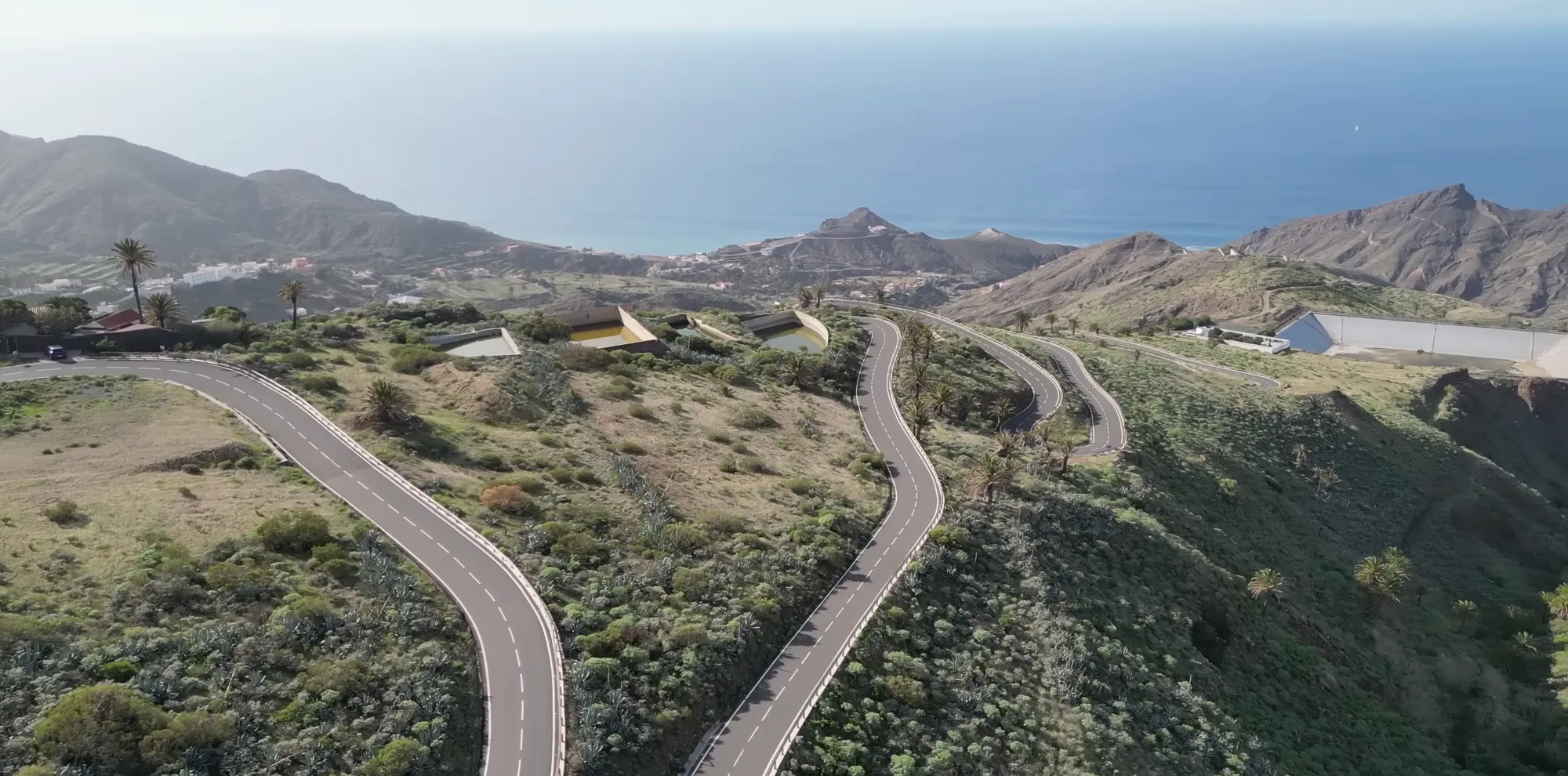
Aerial view of a winding asphalt road cutting through volcanic terrain on La Gomera, Canary Islands. The road curves through sparse green vegetation with rocky volcanic peaks visible in the background and a settled valley to the left. Clear lane markings, dry climate, partly cloudy sky.

Best cruiser for Sturgis?

If your year runs through Sturgis and Daytona, this is your kind of statement. The sound, the stance, and the hand-built feel deliver the brand ritual you're chasing, as long as you keep the rides relaxed.

Made for A1A — Florida Atlantic Coast · Black Hills / Sturgis Rally Hub · Daytona Main Street / Bike Week
Best retro motorcycle for road trips?

Small towns, historic routes, and an easy pace suit it perfectly. It looks the part and loves a slow morning ride. Just plan shorter legs and keep the highway stretches to a minimum.

Made for Acadia National Park · Austin / Handbuilt Motorcycle Show · Blue Ridge Parkway

Best touring motorcycle for long distance?

Be honest with yourself here. With no wind protection, a solo saddle, and a 5.0-gal tank, big days across the parks will wear on you long before the scenery ever does.

Made for Beartooth Highway · Blue Ridge Parkway · Going-to-the-Sun Road

Alternatives to the Harley-Davidson Softail Cross Bones FLSTSB

If this one isn't quite the fit, these are the bikes worth riding back-to-back against it.

Any price note compares both bikes at the same age — the youngest age both have on the used market — against this Harley-Davidson Softail Cross Bones FLSTSB. “cheaper/pricier” is what that bike costs second-hand, not how worn it is.