
·

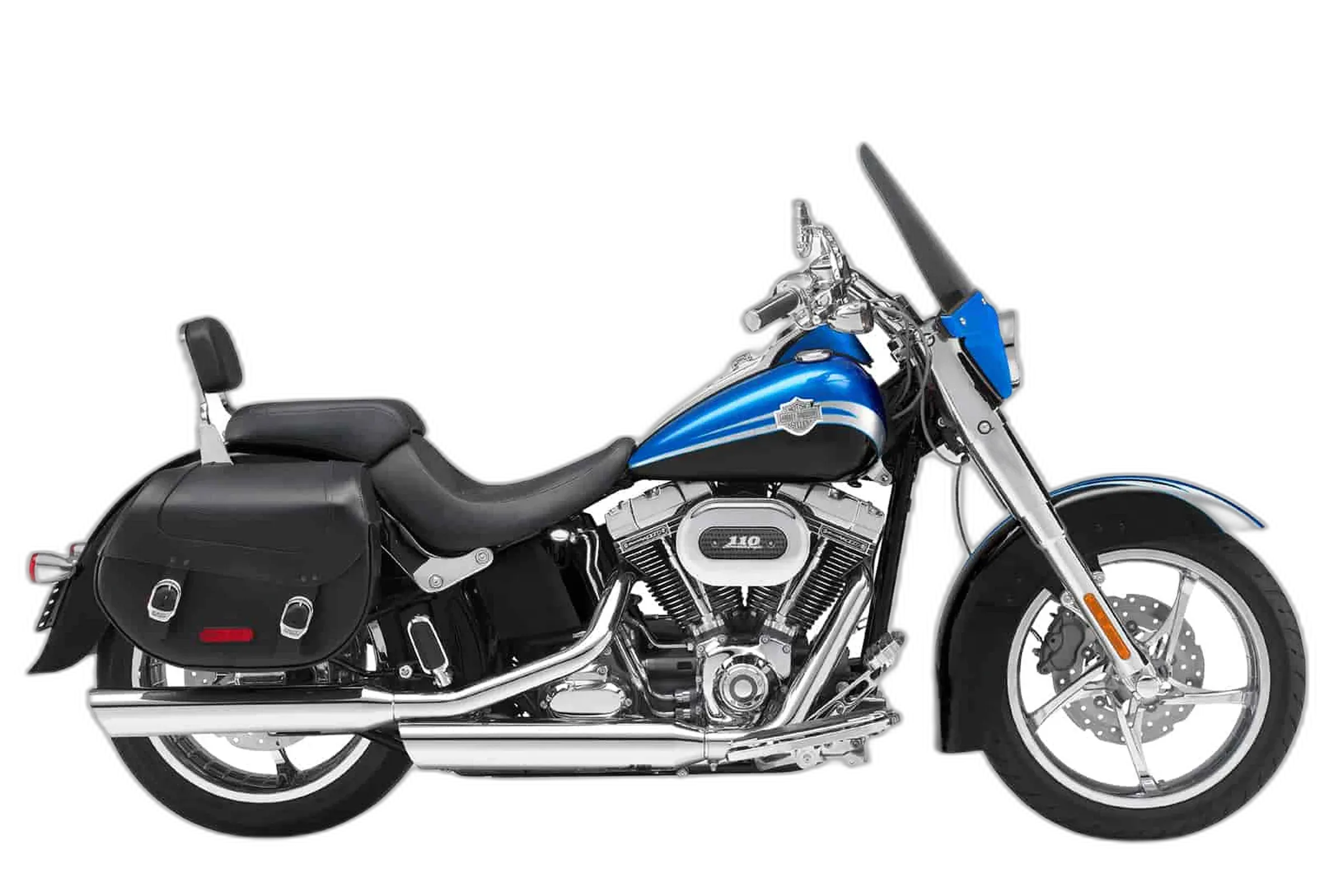
Harley-Davidson CVO FLSTSE Softail Convertible (MY2010) — Cruiser
NastyNils / Harley-Davidson Press

2010 · Cruiser · Buyer's Guide

CVO FLSTSE Softail Convertible (MY2010)

Two Bikes, One Statement

The Machine's Character

The CVO Softail Convertible was a limited-production halo build, and the point of it sits right in the name. Fit the detachable windshield, saddlebags and passenger seat and you have a full-dress cruiser ready for a week away. Pull all three off in the driveway and what's left is a slammed factory showpiece: hand-painted exclusive colors, 18-inch chrome Stinger wheels, a 200-section rear tire. Underneath sits the Screamin' Eagle Twin Cam 110B, 1803 cc of air-cooled 45-degree V-twin making 90 hp and 110 lb-ft through a 6-speed box and a belt.

This is a bike built around stance and metal, and it ages the way that kind of build should. The chrome, the paint and the switchgear still read as expensive years down the line, which is the whole argument for paying CVO money in the first place. It suits a rider who wants presence first and a machine that can still swallow a long weekend two-up. The honest caveat is the equipment list. No ABS, no traction control, no cruise control, and a front fork with no adjustment at all. On 756 lb, everything that happens is on you.

Hard Numbers

Spec sheets don't ride bikes, but they set the baseline.

Show full specs & equipment Hide specs & equipment
Key specifications
Power 90 hp (67 kW)
Torque 110 lb-ft (149 Nm)
Displacement 1803 cc
Engine 45° V-twin
Cooling Air-cooled
Gearbox 6-speed
Final drive Belt
Front brake 292 mm
Front tire 130/70R18
Rear tire 200/50R18
Wheelbase 64.2 in (1631 mm)
Seat height 24.4 in (619 mm)
Wet weight 756 lb (343 kg)
Fuel capacity 5.0 gal (18.9 L)
Top speed 105 mph (169 km/h)
Fuel economy 37 mpg (US)

Equipment check

Chassis

  • Rear Suspension Adjustable Standard

Comfort

  • Luggage System Standard

The Voice of Experience

Portrait of NastyNils

The test ride

Sitting on it, the surprise is how little of the 756 lb you actually carry. The seat is 24.4 inches off the deck, so both boots go flat and the bike settles into your hips rather than leaning on your arms. At idle the 110B shakes the mirrors and sends a slow, heavy pulse up through the floorboards, then cleans itself up the moment you're rolling. Air-cooled heat comes off the rear cylinder in stop-and-go traffic, which is the price you pay for a clean look with nothing ugly hanging in front of the engine. Out on the interstate it drops into a long, unhurried lope, the belt takes the shunt out of the driveline, and the wide rear tire gives the whole thing a planted feel at speed. Windshield off, you take the wind square on your chest and you feel every mile of it.

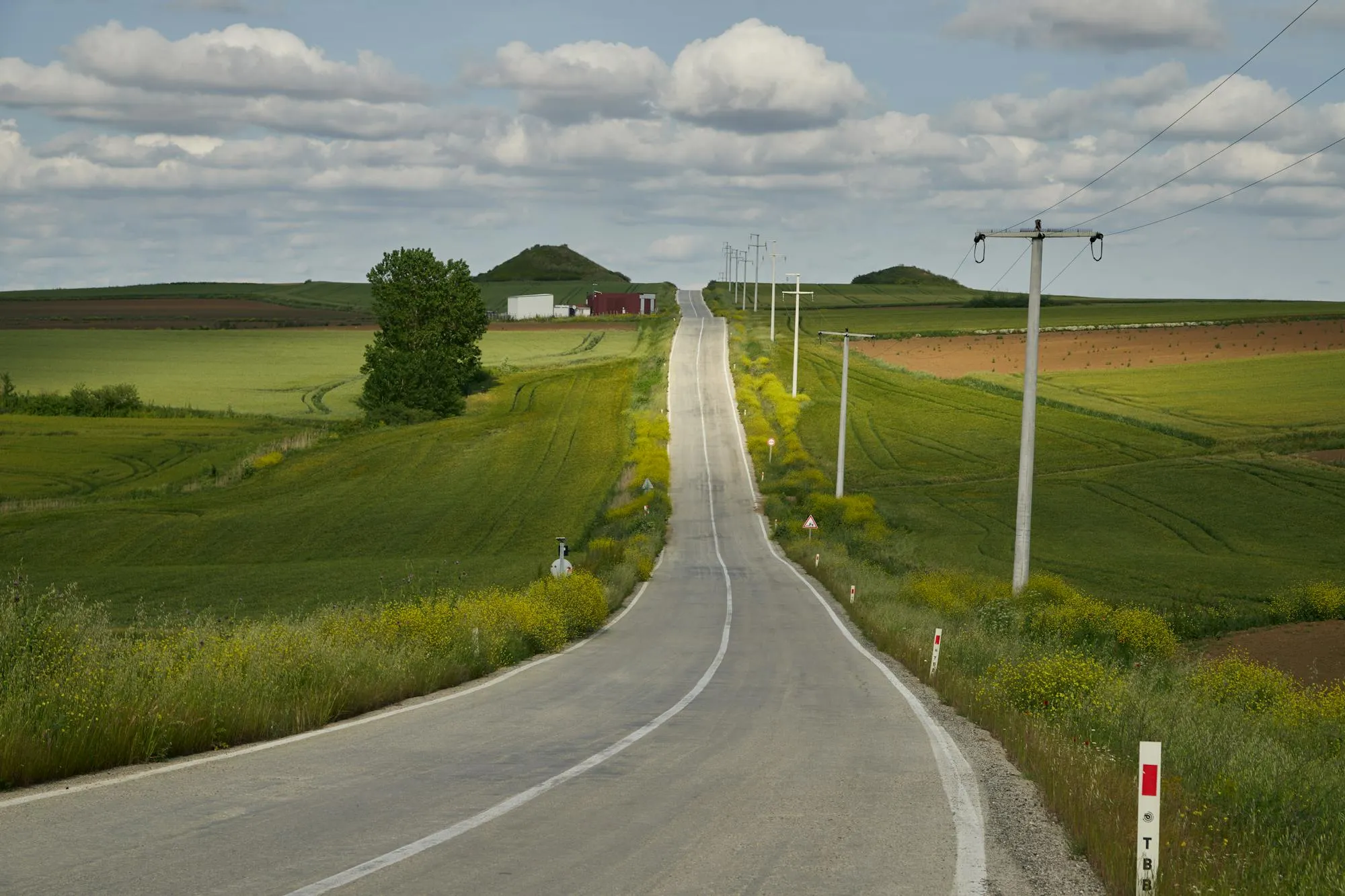
A long, straight paved road stretches toward the horizon through agricultural fields in Vermont. Power lines and a mailbox are visible along the roadside. Lush green vegetation, cumulus clouds, good daylight conditions. The landscape is flat to gently rolling. Asphalt pavement appears to be in good condition. Rural American setting.
Meric Tuna / Pexels

The Truth on the Street

What follows isn't my own riding impression. It's the sum of years of listening: riders leaning against their bikes in a gas station lot, owners talking straight after a long day out, the back and forth at club nights, and the messages that keep arriving from people who put real miles on one. Line all of it up and the sentiment splits cleanly in two. Owners talk about how well this thing covers distance, then, often in the same breath, about the physical limits they run into.

Where The Miles Come Easy

The praise that surfaces most often has to do with wind. With the screen in place, riders say the air gets pushed off their chest well enough that they can sit upright and relaxed for hours at a stretch, and that comes up again and again when owners describe long highway days. Alongside it, riders talk about a machine that feels settled once the speed is up, heavy in a way they read as confidence rather than effort. One owner's phrase for it was ploughing through the road. Braking gets raised less often, and when it does the tone is measured: enough stopping power for what the bike weighs, with feel riders say they can work with.

Where The Limits Show Up

The gripe I hear most is cornering clearance. The floorboards touch down early, often at lean angles riders don't consider aggressive, and owners who enjoy a quicker pace on a back road say that's the ceiling. Next comes what the short screen does above the chest. Air spilling off it catches the helmet, and riders report noise and buffeting once the speed climbs. Taller owners, over six feet, bring up the seating position: the low seat and the placement of the floorboards leave them folded up, and some say it takes a while to get used to on a long trip. A few also mention what the weight does at walking pace. Turning it around in a parking lot or shifting it in the garage is work, and riders say so plainly.

Known issues

  • Erratic fuelling and torque dip

    fuel system rare

    One test bike exhibited a significant torque and power black hole between 2000 and 3200 rpm, resulting from a possible fuelling issue. Not all bikes are affected.

  • Sticky throttle grip

    engine rare

    A few owners report the throttle grip does not return smoothly when released, staying where it is instead of snapping shut. Replacement or lubrication may be required.

The Expert Benchmark

Where this Harley-Davidson CVO FLSTSE Softail Convertible pulls ahead of — or falls behind — its rivals on the numbers, and the typical bike in its class on character.

What kind of bike this is — character vs. the class

This bike Class average

The shape of the Harley-Davidson CVO FLSTSE Softail Convertible — numbers and character vs. the average Cruiser

Head-to-head: Harley-Davidson CVO FLSTSE Softail Convertible vs. its rivals

The 'Should I Buy It?' Score

Forget spec-sheet bragging. Here's who the CVO FLSTSE Softail Convertible is actually built for.

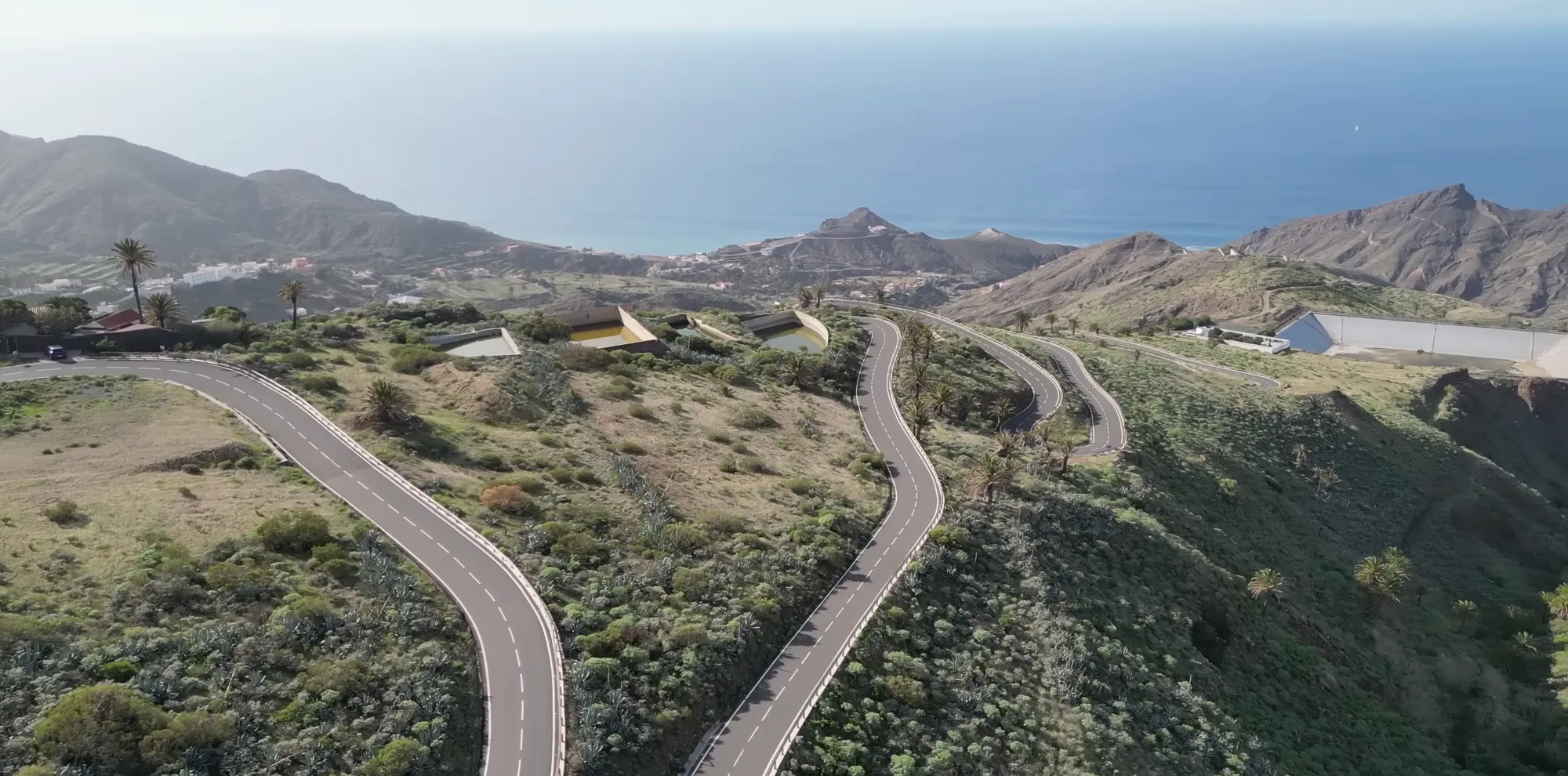
Aerial view of a winding asphalt road cutting through volcanic terrain on La Gomera, Canary Islands. The road curves through sparse green vegetation with rocky volcanic peaks visible in the background and a settled valley to the left. Clear lane markings, dry climate, partly cloudy sky.

Best cruiser for Sturgis?

This is your bike. Limited-run paint, a perfect chopper stance and the 110B soundtrack give you presence on Main Street, and the bags and screen go back on for the ride home.

Made for A1A — Florida Atlantic Coast · Black Hills / Sturgis Rally Hub · Daytona Main Street / Bike Week
Best retro motorcycle for road trips?

It fits the slow, scenic rhythm you ride at, and it looks the part in every town you stop in. Just know you're managing 756 lb on tight, low-speed roads with no rider aids helping.

Made for Acadia National Park · Austin / Handbuilt Motorcycle Show · Blue Ridge Parkway

Best touring motorcycle for long distance?

Bags and pillion seat make real distance possible, and it's stable and relaxed on the interstate. But there's no cruise control, and 5.0 gallons at 37 mpg means planning fuel stops out west.

Made for Beartooth Highway · Blue Ridge Parkway · Going-to-the-Sun Road

Alternatives to the Harley-Davidson CVO FLSTSE Softail Convertible

If this one isn't quite the fit, these are the bikes worth riding back-to-back against it.

Any price note compares both bikes at the same age — the youngest age both have on the used market — against this Harley-Davidson CVO FLSTSE Softail Convertible. “cheaper/pricier” is what that bike costs second-hand, not how worn it is.