BMW R 80 G/S (MY1980) — Adventure
BMW Press

1980–1987 · Adventure · Buyer's Guide

R 80 G/S (MY1980)

The Bike That Started It All

The Machine's Character

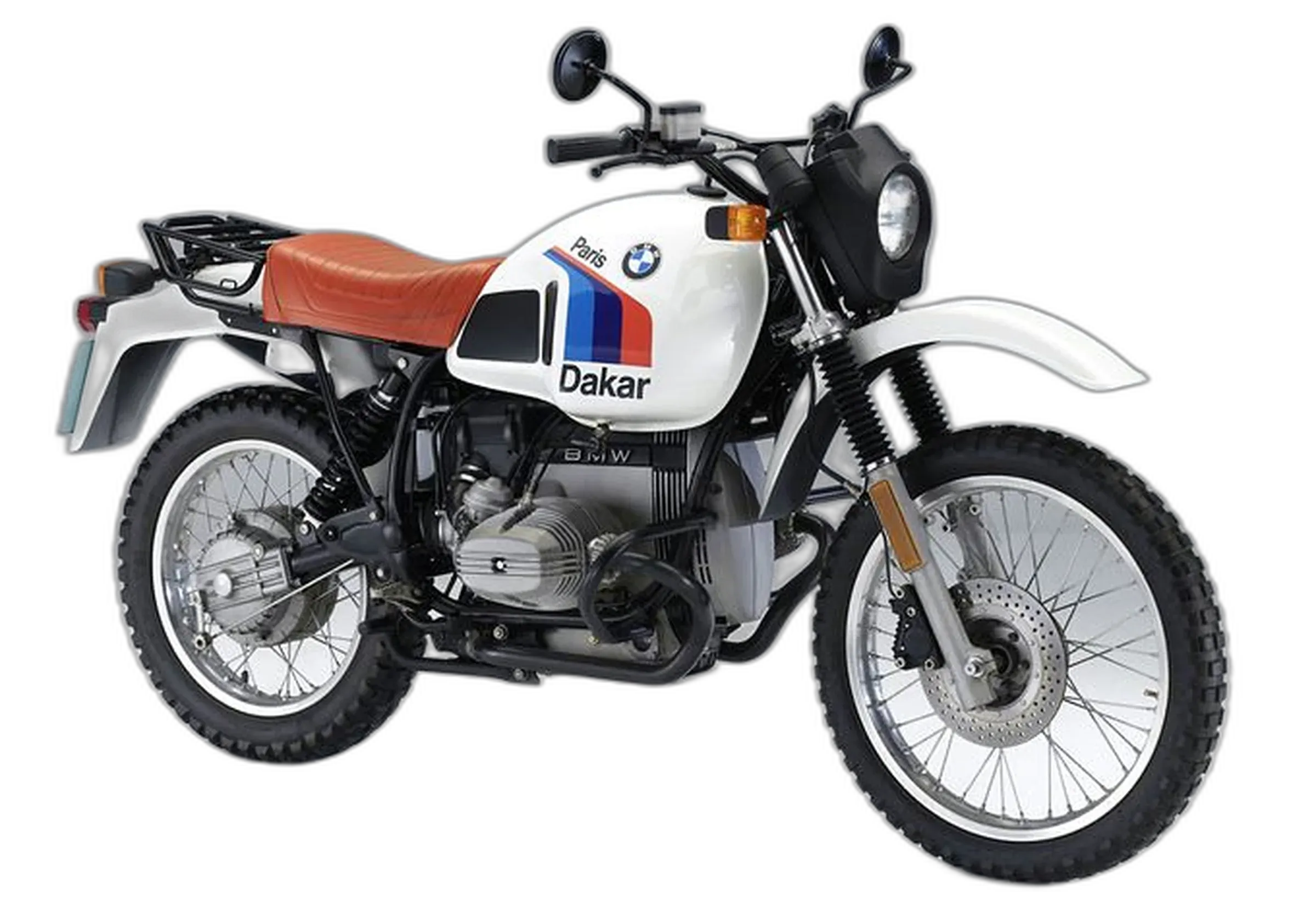
The R 80 G/S is the bike that created the adventure class, and the recipe is still legible the moment you walk up to it. A 797 cc air-cooled flat-twin makes 50 hp and 42 lb-ft, sends it through a 5-speed box and a shaft, and hangs its cylinders out in the airstream where they stay cool and stay reachable. A 21-inch front wheel, 7.9 in (200 mm) of fork travel and 410 lb (186 kg) wet give it the tall, light stance the entire modern segment copied. Nothing on it is exotic. All of it is deliberate.

It rides the way it looks: measured, flowing, honest about what it is. Paved secondary roads suit it better than anything else, and a 5.2 gal (19.5 L) tank at 43 mpg keeps the stops rare. It ages well if you respect it. The driveshaft splines want regular grease, high-mileage heads can lose compression when the exhaust valve seats recede, and gearboxes built from about 1985 left the output-shaft circlip off, which lets the front bearing walk. Buy on maintenance history, not paint. A 33.9 in (860 mm) seat and zero rider aids also mean this rewards someone who already rides well.

Hard Numbers

Spec sheets don't ride bikes, but they set the baseline.

Show full specs & equipment Hide specs & equipment
Key specifications
Power 50 hp (37 kW)
Torque 42 lb-ft (57 Nm)
Displacement 797 cc
Engine Flat-twin (boxer)
Cooling Air-cooled
Gearbox 5-speed
Final drive Shaft
Front tire 3.00-21
Rear tire 4.00-18
Ground clearance 6.9 in (175 mm)
Front travel 7.9 in (200 mm)
Rear travel 6.7 in (170 mm)
Seat height 33.9 in (860 mm)
Wet weight 410 lb (186 kg)
Fuel capacity 5.2 gal (19.5 L)
Fuel economy 43 mpg (US)

Equipment check

Chassis

  • Rear Suspension Adjustable Standard

The Voice of Experience

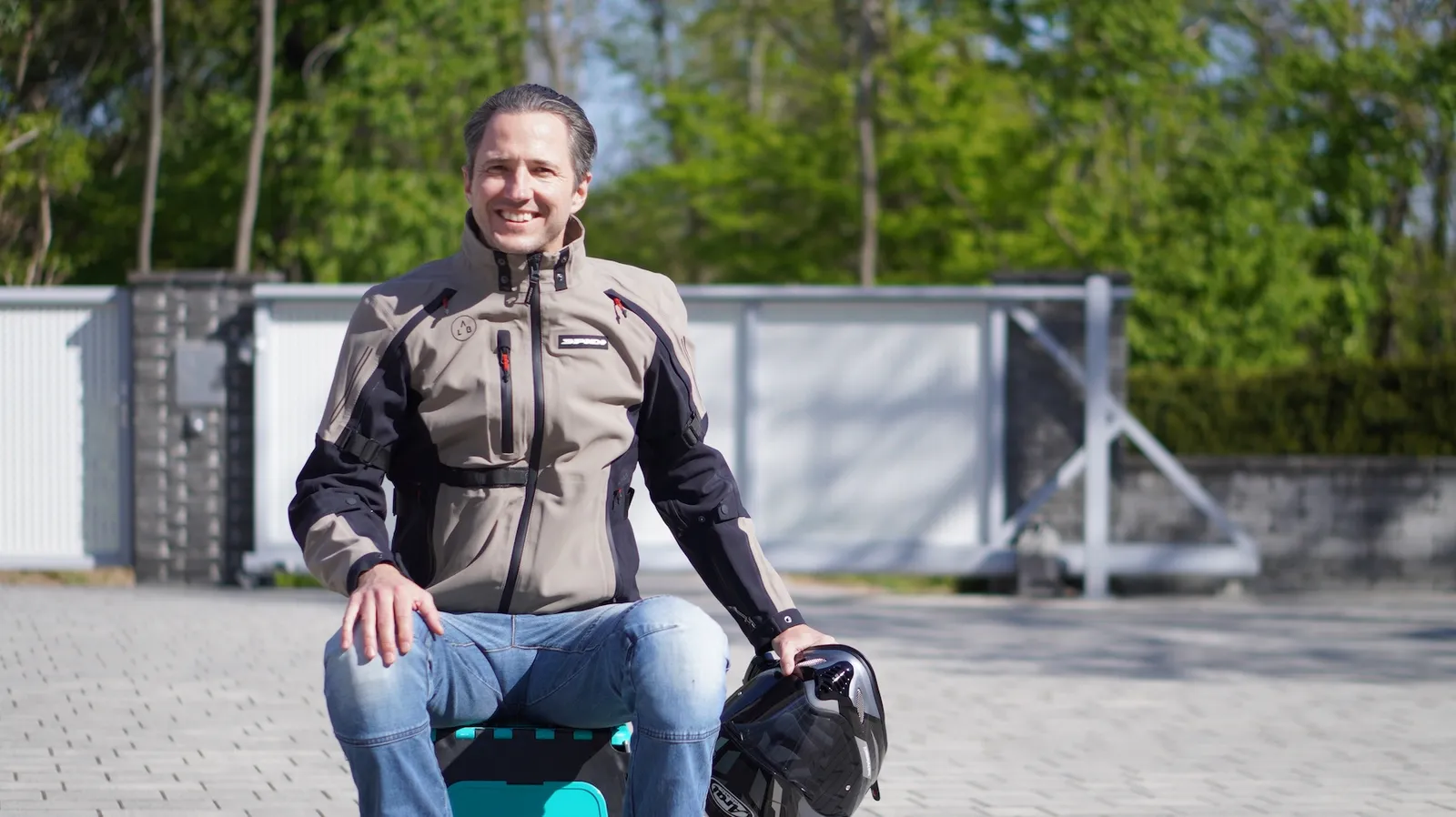
Portrait of NastyNils

The test ride

Hit the starter and the whole bike leans against its side stand as the crank spins up. That rocking never fully leaves. At idle it comes through the pegs, and at road speed it settles into a warm mechanical hum you feel in your boots as much as you hear it. The bars are wide and close, the seat is flat enough to shift around on, and the position stands you upright with your knees clear of the cylinder heads. Your legs learn exactly where those cylinders sit the first time you put a foot down at a light. Above 65 mph the wind hits your chest unfiltered. At 410 lb (186 kg) it feels smaller than the number suggests, and you end up steering it with your hips more than your arms.

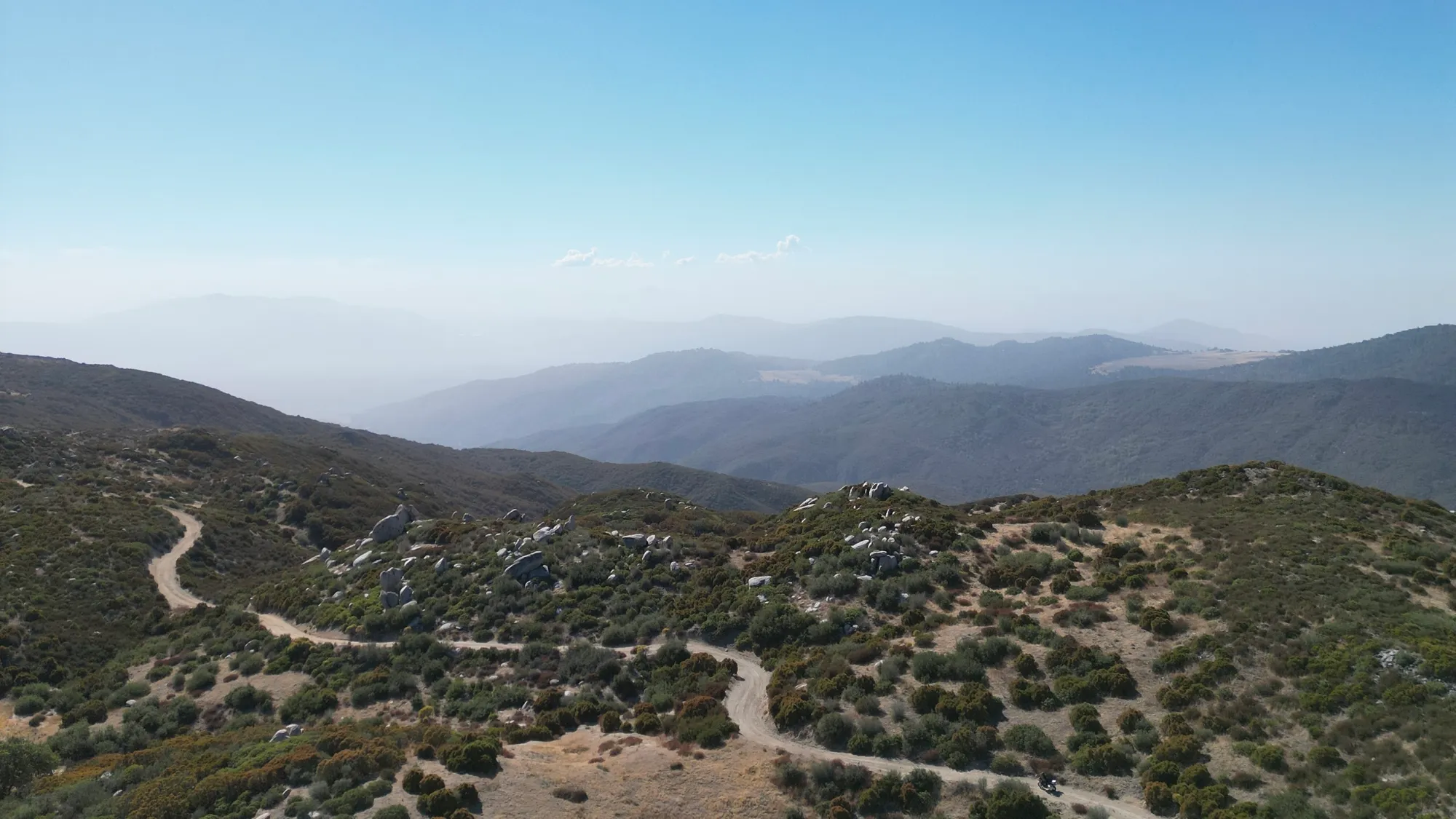
Aerial drone view of Palomar Divide Road winding through chaparral-covered mountain ridges in San Diego County. Multiple S-curve sections descend through sparse vegetation with distant valley views visible in the haze. Gravel and packed-earth surface.

The Truth on the Street

None of this comes from my own seat time. It's what owners have told me over the years, at club nights, in parking-lot conversations, and in the messages riders send me directly. Two things dominate almost every one of those conversations: what the engine will take, and what the size costs you.

The engine leads every conversation

Owners start with the motor, and they rarely qualify it. The boxer takes big mileage on routine care, and they state that as fact rather than luck. The seating position gets nearly as much credit: upright, wide at the bars, kind to the body across a full day. A fair number add that it changes direction more willingly than a bike this tall has any right to once the road starts bending. The shaft comes up less often, mostly from riders happy to have nothing to oil.

Where the size starts costing you

The complaints are few and they hardly vary. In sand or rough ground, owners describe a bike that gets heavy under them and stops helping. Shorter riders raise the reach to the ground on their own and tie it straight to low-speed nerves. On sustained highway miles, the vibration is what gets named, and what they blame for arriving worn out.

Known issues

  • Valve recession on high-mileage heads

    engine occasional

    Exhaust valve seats can recede on high-mileage heads, letting the valves sink and costing compression. The airhead cause is soft, non-hardened seats running on unleaded fuel, not any emissions hardware. Usually surfaces above 50,000 miles on engines without a documented valve-service history.

  • Rear drive spline wear

    drivetrain occasional

    Lack of lubrication on the driveshaft splines can cause accelerated wear, eventually leading to costly final-drive rebuilds. Regular disassembly and greasing are essential to prevent this.

  • Gearbox output-shaft bearing walk (missing circlip, 1985-on)

    drivetrain common

    On gearboxes built from about 1985 BMW left the circlip and its locating groove off the front of the output shaft. With nothing holding it, fifth gear pushes the front bearing forward until the preload kills it, and a collapsed bearing can take the whole gearbox with it. Late R 80 G/S units fall inside that window; early bikes still have the circlip. Warning signs are a rumble and notchy shaft movement. The cure is a groove cut in the shaft plus the circlip, or a later shaft that already has one. A small spring in the shift mechanism can also break and upset shifting on high-mileage boxes that have never been opened.

The Expert Benchmark

Where this BMW R 80 G/S pulls ahead of — or falls behind — its rivals on the numbers, and the typical bike in its class on character.

What kind of bike this is — character vs. the class

This bike Class average

The shape of the BMW R 80 G/S — numbers and character vs. the average Adventure

The Long-Haul Verdict

Forget spec-sheet bragging. Here's who the R 80 G/S is actually built for.

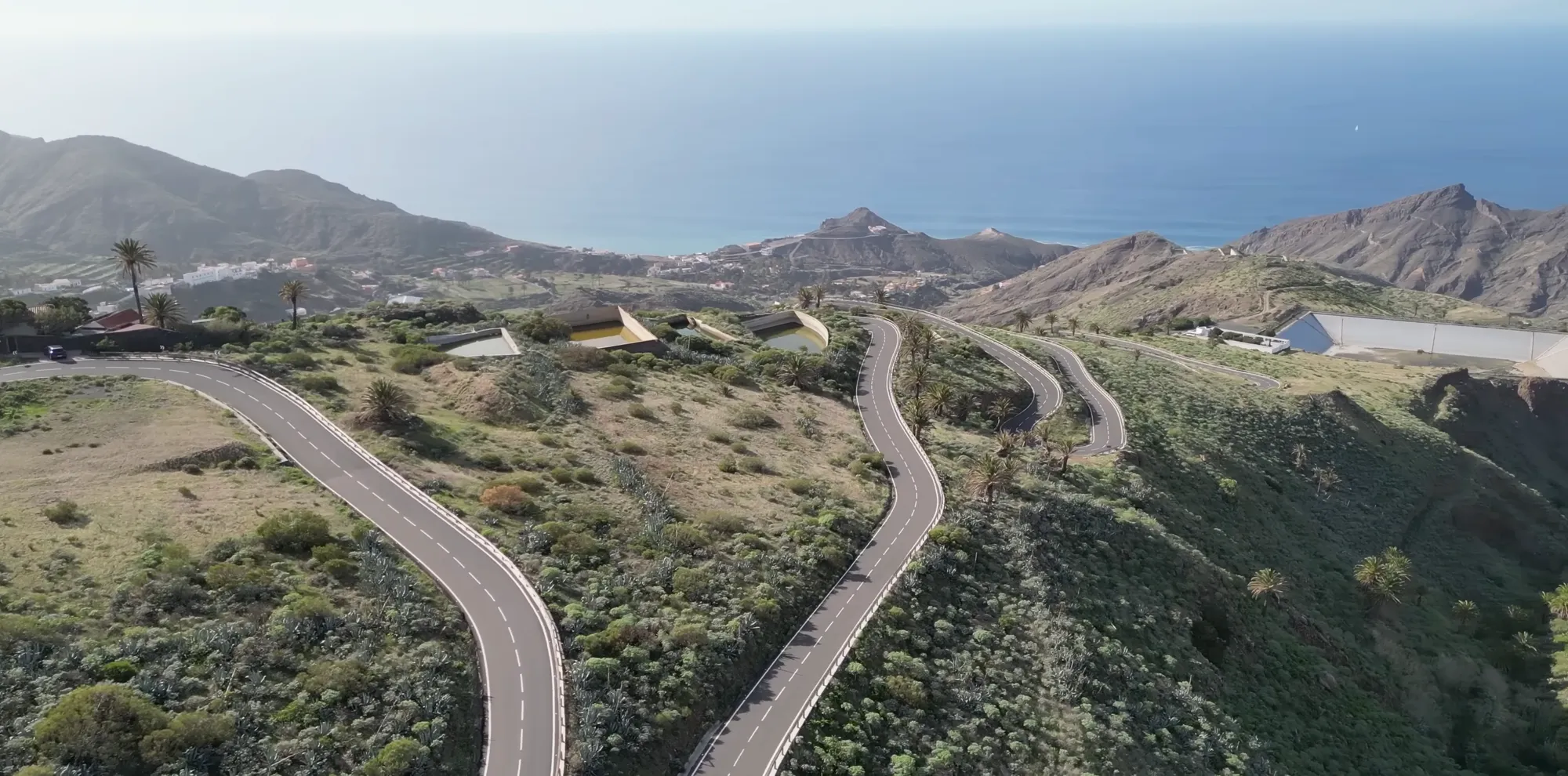
Aerial view of a winding asphalt road cutting through volcanic terrain on La Gomera, Canary Islands. The road curves through sparse green vegetation with rocky volcanic peaks visible in the background and a settled valley to the left. Clear lane markings, dry climate, partly cloudy sky.

Best motorcycle for weekend escapes?

If you want the look with actual substance under it, this is the honest version. Coffee run in the morning, gravel detour in the afternoon, and nothing on it is styling for its own sake.

Made for Austin / Texas Hill Country · Malibu Canyons + PCH · Portland Weekend Escapes

Best motorcycle for BDR routes?

For multi-day dirt routes it brings the 21-inch front, 7.9 in of fork travel and shaft drive you want. Plan around 50 hp and a maintenance-first ownership routine, not around outright pace.

Made for AZBDR — Arizona Backcountry Discovery Route · California BDR South · COBDR — Colorado Backcountry Discovery Route

Best touring motorcycle for long distance?

It crosses states on 43 mpg and stays composed at speed, but 50 hp with luggage and a passenger asks for patience. Ideal for unhurried routes, less so for hard coast-to-coast schedules.

Made for Beartooth Highway · Blue Ridge Parkway · Going-to-the-Sun Road