

After-work loop, somewhere out in the foothills. The first hairpin’s coming up, a long day at work is behind you, and under you sits a motorcycle that didn’t cost a fortune. That exact moment is the yardstick for this whole article. Here’s the deal: on a tight budget you won’t get showroom shine, but you’ll get a hell of a lot of motorcycle if you know where to look.
I’m not going to sell you a bargain with a pile of skipped maintenance hiding under the tank. I’m showing you mature, mass-production engineering that gets you to work on Monday without drama and puts a grin on your face on your home roads come Saturday. Along the way you get honest pointers on where the typical weak spots sit, plus a price check where I’ve got one. Five candidates, one countdown, one clear winner. Gas up, let’s go!
No. 5: BMW R 1100 S – Boxer in a Sport Suit
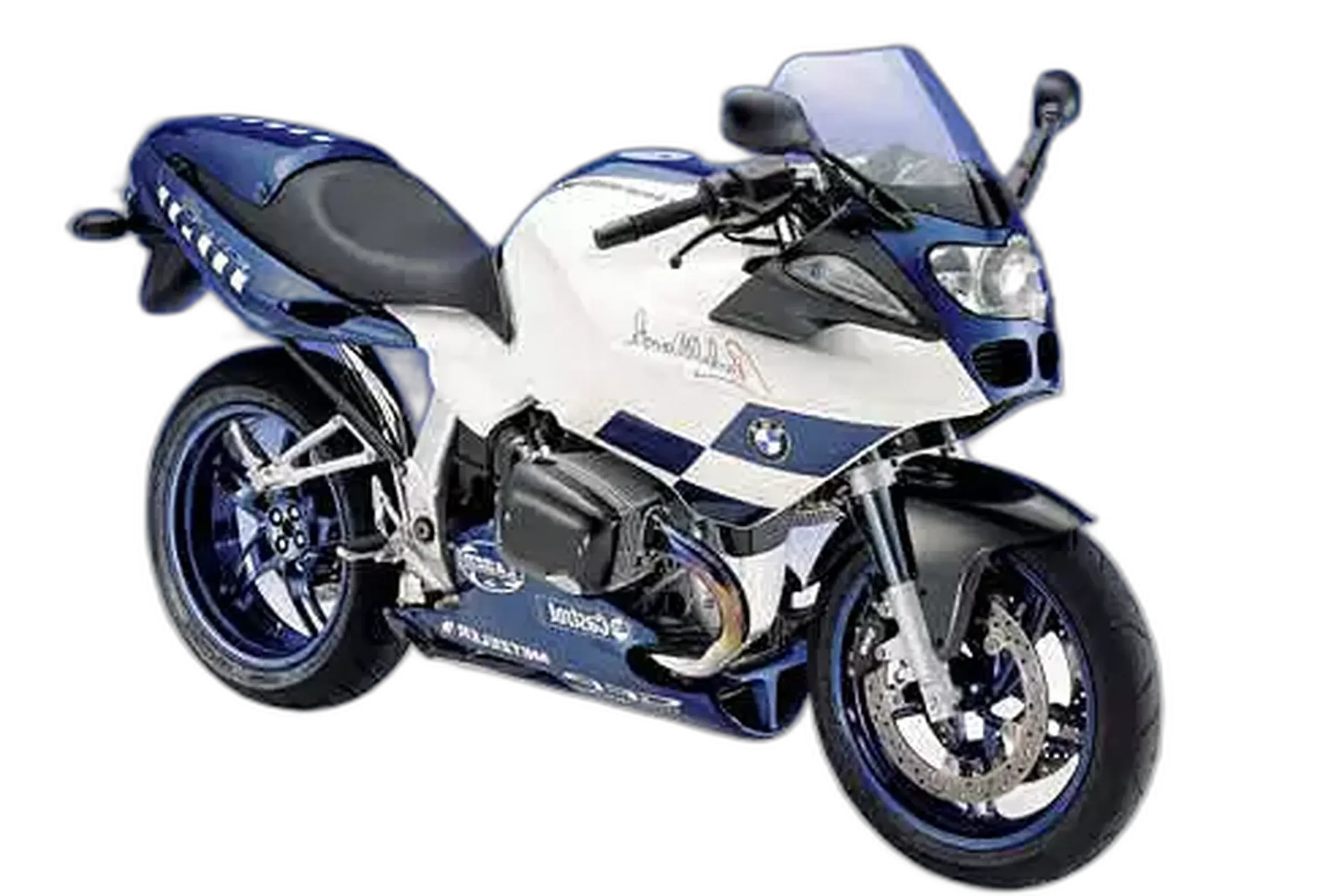
Where this boxer plays its strengths, you’ll notice on roads like RM 336 between Leakey and SH 41, rolling hills out in rural Texas. That’s exactly where the Telelever front end pays off: the bike stays steady when you brake hard for the next corner, and it turns in calm and clean. No drama. Just rhythm.
Technically, the BMW R 1100 S is one of a kind. The air/oil-cooled 1,085 cc boxer makes 97 hp and 72 lb-ft, and it comes with that broad, rhythmic pulse you feel more in your gut than in your ears. You get shaft drive instead of a chain, six gears and a sporty, forward-leaning riding position that still works for long days in the saddle. Owners rate it as incredibly solidly built, and with good care, high mileage isn’t unusual at all. Here’s the truth, though: at 527 lb it’s no lightweight, but the 31.5” seat height stays easy to live with. The servo-assisted integral ABS bites hard, yet at walking pace it feels artificial. Love it or hate it.
At 22 years old, a used BMW R 1100 S runs about $6,000. Whether you buy comes down to the pre-purchase check. Grab the rear wheel and feel for side-to-side play, look for oil around the final drive and listen for rumbling noises. If maintenance has been neglected, the bearings in the Paralever and final drive can wear out early. Before 2004 the engine can surge at steady, light throttle; the twin-spark ignition from 2004 on largely cured that. If you’ve got the choice, go for the later bike. Ask the seller or dealer for proof of the drivetrain work. No. 5, because it’s loaded with character but wants the sharpest eye on the drivetrain.
No. 4: Suzuki GSX 1250 F – Torque by the Truckload
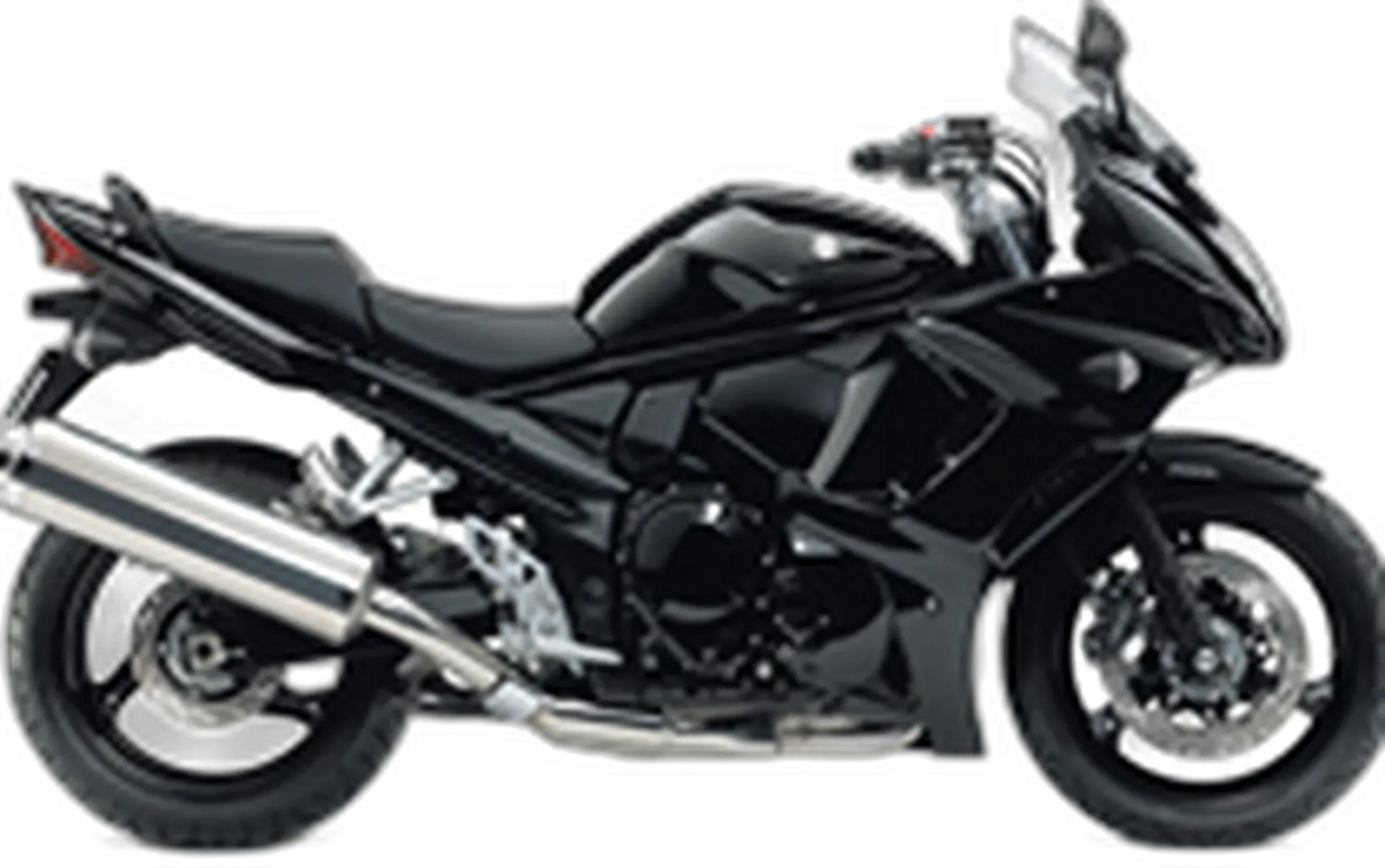
Where this four-cylinder feels at home shows up on a sunny weekend, rolling down roads like RM 335 from Barksdale to SH 41 through rural Texas hill country. You barely touch the shifter: drop it in gear, open the throttle, and the bike just shoves.
The Suzuki GSX 1250 F is a workhorse without the frills. The liquid-cooled 1,255 cc inline-four dumps 80 lb-ft on you at just 3,500 rpm, and up top there’s 97 hp. Bluntly put: with that much shove from the basement, you ride relaxed in any gear without ever having to wring its neck. The full fairing keeps the wind off nicely. The upright riding position with a 31.7” seat and plenty of legroom makes long days surprisingly easy on your body, and ABS is standard. I know this exact generation first-hand: in June 2010 I rode the then-brand-new GSX 1250 F for a tire test at the Pannoniaring. But truth be told: 567 lb is a noticeable chunk more than the nimbler rivals carry, and the chain wants regular love.
At 15 years old, a used Suzuki GSX 1250 F runs about $5,500. The community sees it as a lot of displacement for the money, with simple, tough mechanicals. On the pre-purchase check, focus on the electrics. The closely related 2008 to 2010 bikes had a known issue with overheating voltage regulators, and the fallout could be a dead charging system, a flat battery and even the engine quitting on you. So have the charging voltage measured and ask the seller or dealer whether the regulator has already been replaced. No. 4 for maximum shove per dollar.
No. 3: Kawasaki Versys 650 – The Honest All-Rounder
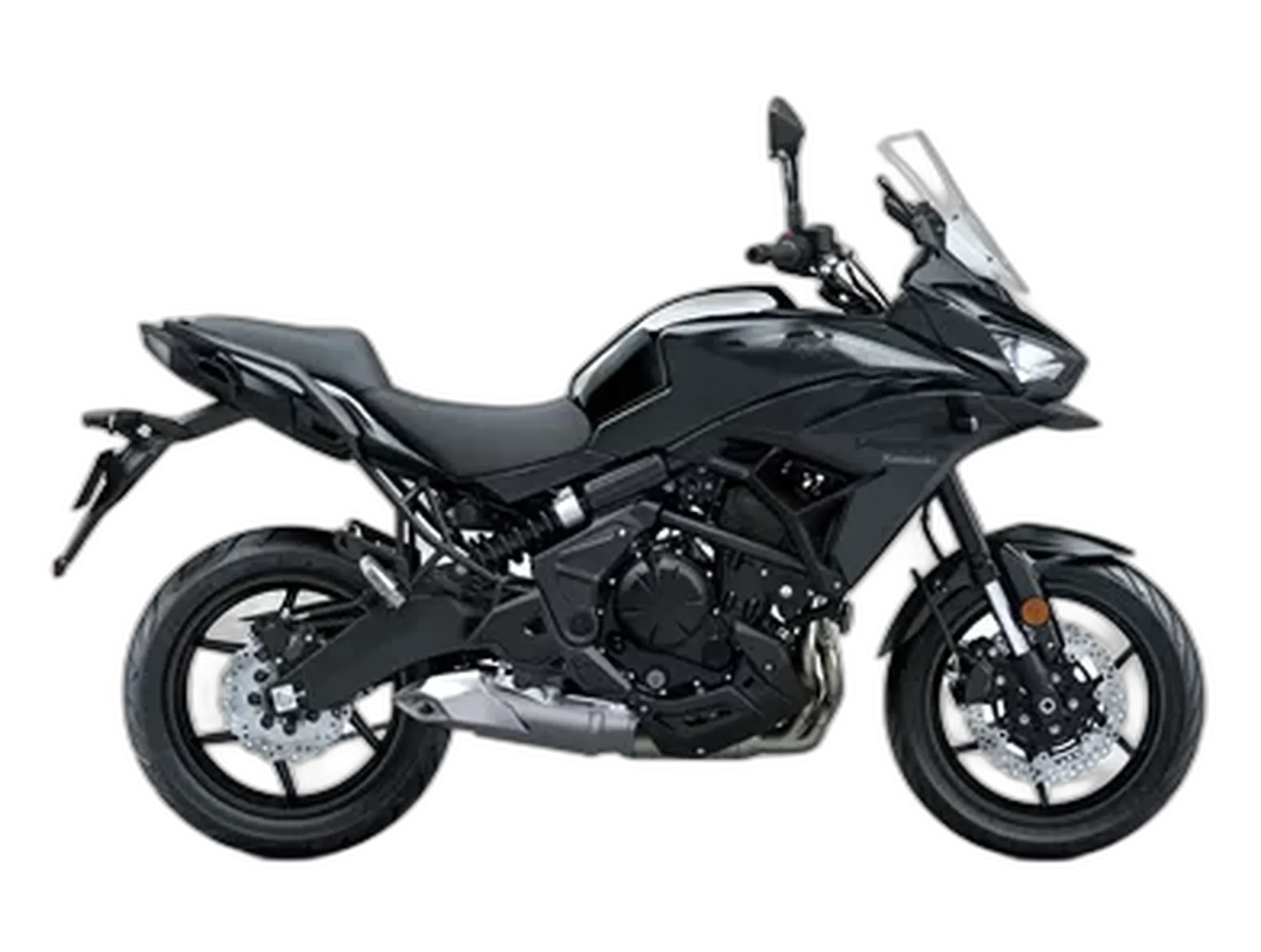
How good the Versys feels on tight roads, you’ll find out on roads like the Needles Highway (SD-87) in Custer State Park, two lanes winding through the forest, curve after curve. Ride it with some feel. That’s exactly where this bike’s unflustered character fits right in.
My story with the Kawasaki Versys 650 starts in October 2006 on the south coast of France. That’s where I got to know it on twisty mountain roads. Then in May 2008 it lined up in our comparison of four adventure-tourers, with part of the testing at the Motorsportpark Bad Fischau. Here’s why it’s on this list: the 649 cc parallel twin with 63 hp and 45 lb-ft picks up the throttle clean, with practically zero on/off snatch. In stop-and-go traffic you hardly need the clutch. The wide bar makes it flick into corners in a heartbeat, and the upright seat gives you a great view over traffic. On street tires it’s light on its feet on pavement, and at 454 lb it’s the lightest bike in the field. But there are two catches. To get full bite out of the front brake, you need your whole hand on the lever. And the wide seat makes the 33.1” seat height feel taller in real life. Shorter riders should absolutely sit on one first; Kawasaki offered a lower seat as an accessory.
The pre-purchase check is short and sweet. At high mileage the stator can give up because of the shunt-type regulator, which is why a lot of owners swap to a series regulator as a precaution. Ask the seller about it. Also check the fork seals for weeping. Truth be told: on this list, you won’t get into an honest everyday motorcycle any cheaper.
No. 2: Honda VFR800X Crossrunner – V4 Jack-of-All-Trades
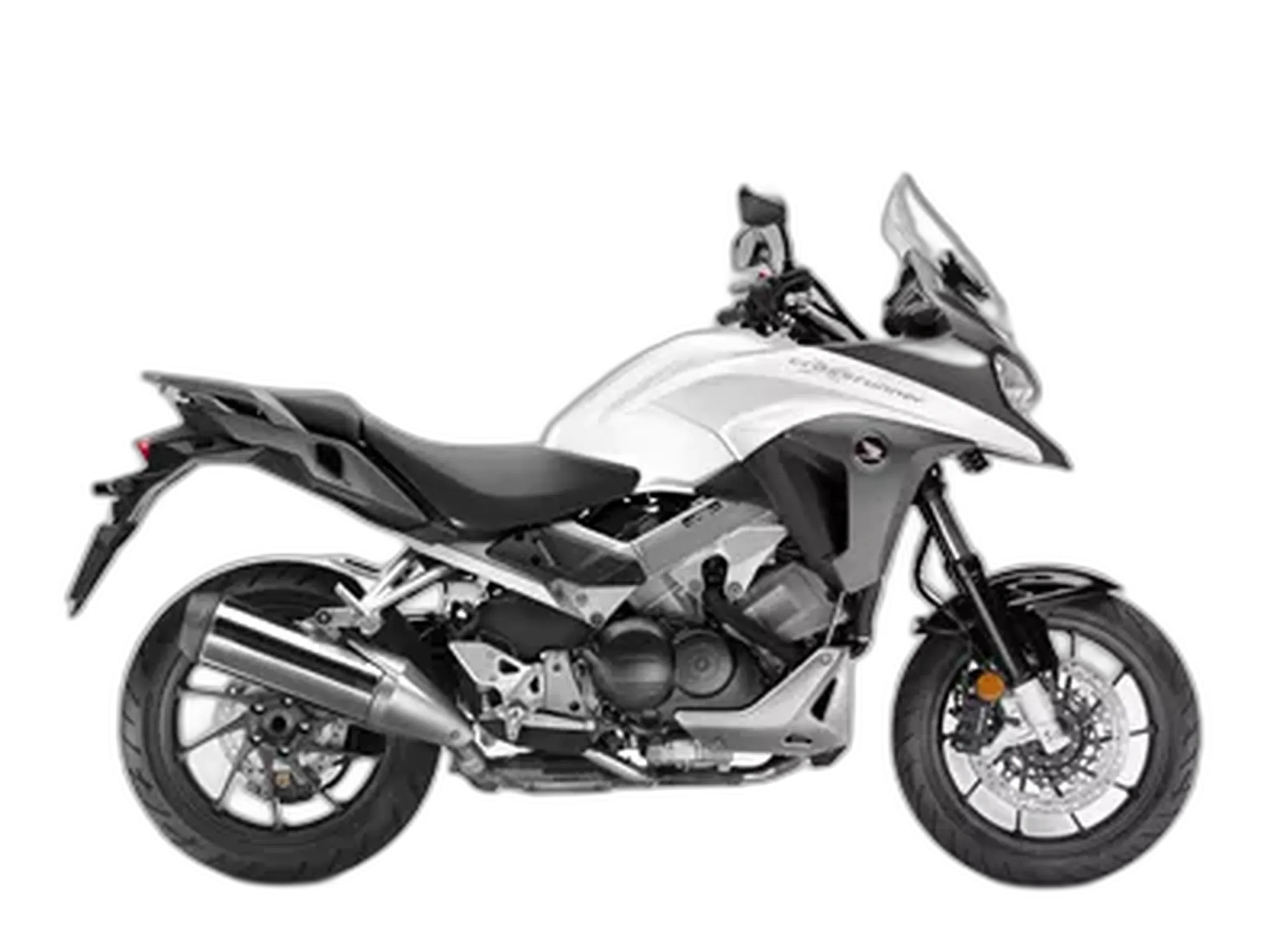
Where this V4 raises its voice, you’ll notice on the classic after-work run, straight out of town and up into the hills. Watch out for the road cyclists, and expect some bumpy pavement. That’s where the well-sorted suspension helps: it soaks up the bumps and still stays calm.
I first met the Honda VFR800X Crossrunner in April 2011 on Mallorca, and even back then I called it a jack-of-all-trades. I rode the later generation again in 2025, but this one’s explicitly about the 2011 to 2014 bikes. The 782 cc V4 with VTEC makes 100 hp at 10,000 rpm, and it revs and revs and revs. You expect it to hit the limiter, and it just keeps pulling. The gearbox is pure Honda: crisp shifts, no missed gears. The fairing was developed in the wind tunnel and protects you well even with the stock windshield. Here’s the uncomfortable truth: with 54 lb-ft arriving only at 9,500 rpm, it’s no torque monster, and you feel the 529 lb. The tach is barely readable in bright sunlight, and that distinctive duck-bill beak splits opinions. Seat height is 32.1”.
Owners rate the engine as extremely durable, even at high mileage. The valve clearance check is labor-intensive and expensive, though, so ask the seller or dealer for proof it’s been done. A weak battery points to a tired stator. And have them show you the coolant was changed every two years, because a corroded thermostat can stick and cook the engine. No. 2, because character and durability come together here.
No. 1: Yamaha FJR1300A – My Winner
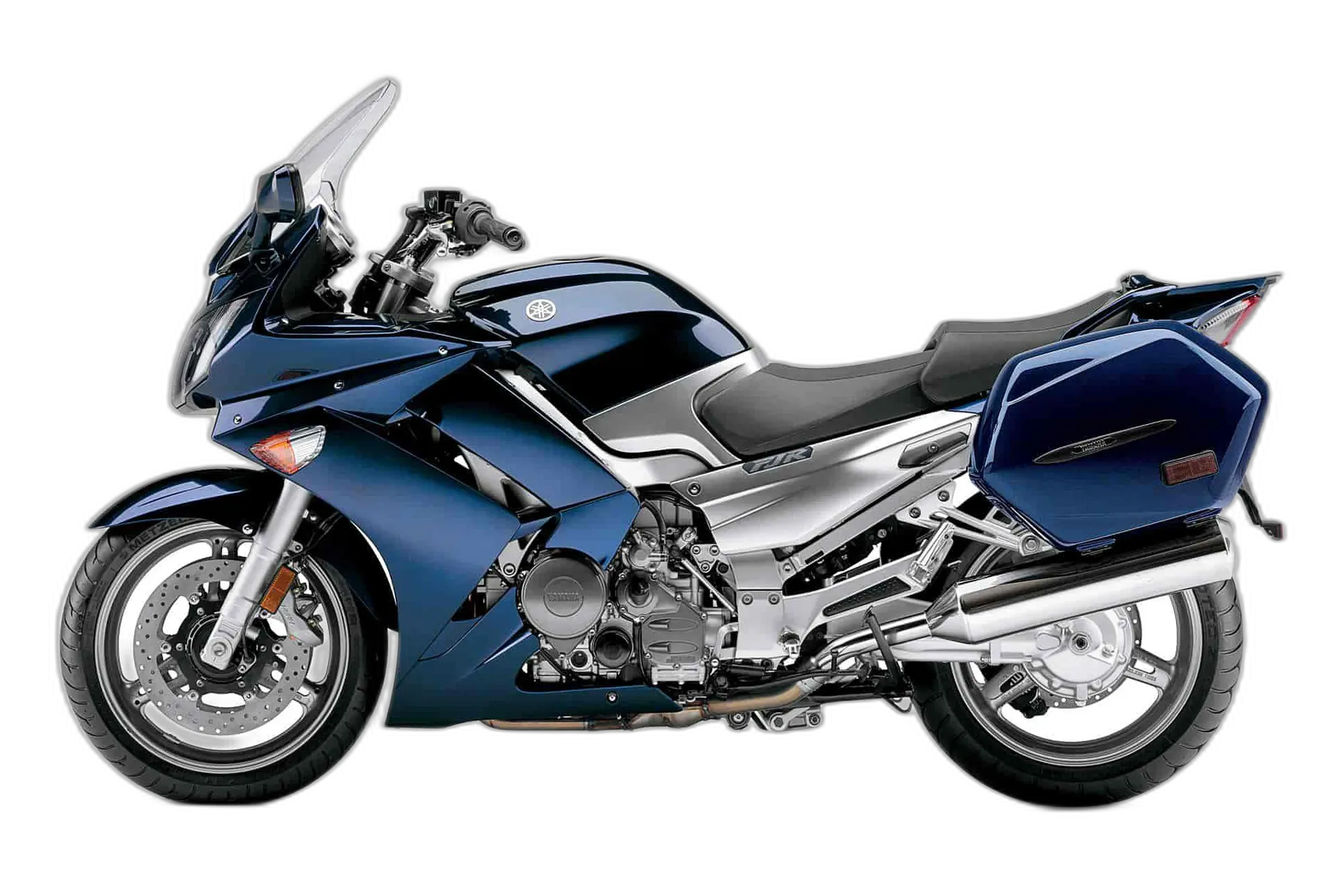
What the FJR was built for, you’ll feel on roads like RM 337 through Medina, Leakey and Camp Wood, rolling hills and rural Texas as far as you can see. Ride with your head and let the miles roll.
The Yamaha FJR1300A is an old friend of mine. In July 2013 we mounted fresh tires on an FJR 1300 from this generation for a tire test. We knew that bike inside out, because we’d already run just about every tire out there on it, mile after mile. The facts: the 1,298 cc inline-four delivers 142 hp and 99 lb-ft, smooth and linear. Add shaft drive and a big tank. Passing becomes a formality, even with a passenger on the back. Seat, bar and windshield are adjustable, and ABS and hard cases come standard on this generation. The community rates it as nearly indestructible, with plenty of owners reporting huge mileage on nothing but routine maintenance. Sure: 582 lb makes itself known when you push it around the garage, but the 31.7” seat height takes some of the sting out.
On the pre-purchase check, ask the seller or dealer about the known issue on 2006 to 2009 bikes: an overheating ground connector in the wiring harness could make the engine cut out, and Yamaha’s fix was an extra ground wire or a new harness. Faulty ECU mapping could also cause rough throttle response at high altitude, which an update or a replacement unit sorts out. Make sure both have been taken care of. Here’s why it’s my top pick for your question: you get the strongest bike in the field, plus shaft drive, hard cases and a reputation for being unkillable. Hard to beat!
My Verdict
On a tight budget you don’t have to settle. You just have to look closely. Boxer, inline-four, twin or V4: all five are mature, and all five have known weak spots you can handle. Ask for proof of maintenance and recall work, then get out on your home roads. That first hairpin after work is waiting for you.