

You know this moment on your home roads: after-work loop, tight uphill hairpin, and the guy in front of you brakes out of nowhere. You have to stop, right where the pavement drops away toward the edge. And suddenly it doesn’t matter how much horsepower is working under you. All that matters is whether the balls of your feet find the ground. With short legs, that can kill the fun fast.
So I picked six motorcycles with a seat height of no more than 31.1” that can help you stand solid and still put a grin on your face in the hairpins. Here’s the uncomfortable truth, though: your inseam and the width of the seat matter just as much as the number on the spec sheet. Sitting on the bike and pushing it around belong before every purchase, because your height alone doesn’t guarantee solid footing. And some of these candidates have clear limits when it comes to suspension. We’re counting down. My winner comes last.
No. 6: Suzuki GSR600 – Screamer on a Budget
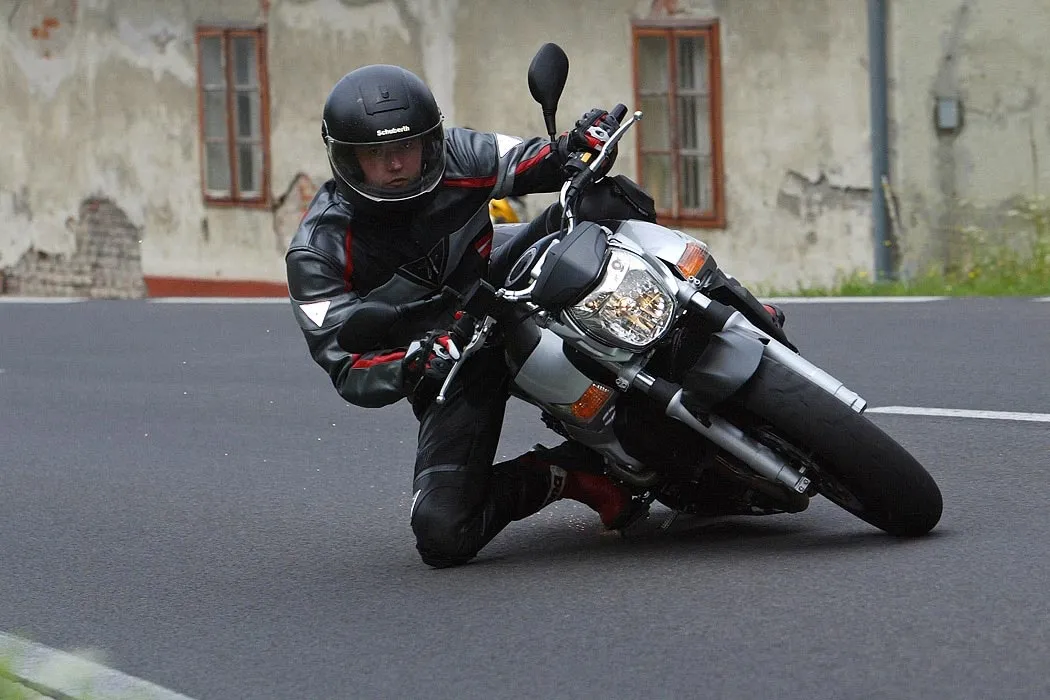
Let’s start with the wildest one. The GSR600 from the 2006–2010 model years puts you at 30.9” and packs a 599 cc inline-four with 97 hp and 48 lb-ft underneath. This motor wants revs: down low it’s unspectacular, but up top it screams so gloriously that the community calls it a rev-happy, charismatic four. Add an aluminum frame that flicks into tight hairpins and stays planted in fast sweepers. I know this thing well: I had it in our naked-bike comparison tests in 2007 and 2009, and at the Yeti Race 2007 I rode it for our team, eventually crawling back into pit lane on reserve and half frozen. Where does it demand respect? You’ll notice it when you’re shuffling it around between lots of other bikes after a run on roads like the Angeles Crest Highway (CA-2), in the San Gabriel Mountains: the early fuel injection is snatchy off the throttle, a well-known weak spot among owners. The listed 403 lb is dry weight, so you can’t compare it directly with the ready-to-ride weights of the other bikes here. How well you can push it around? Best to find that out yourself. When you buy, have the seller show you the voltage regulator’s condition: failures are known, and they can take the battery down with them. Everything else is in my Suzuki GSR600 buyer’s guide.
No. 5: Kawasaki Z 500 – Light, Linear, Laid-Back
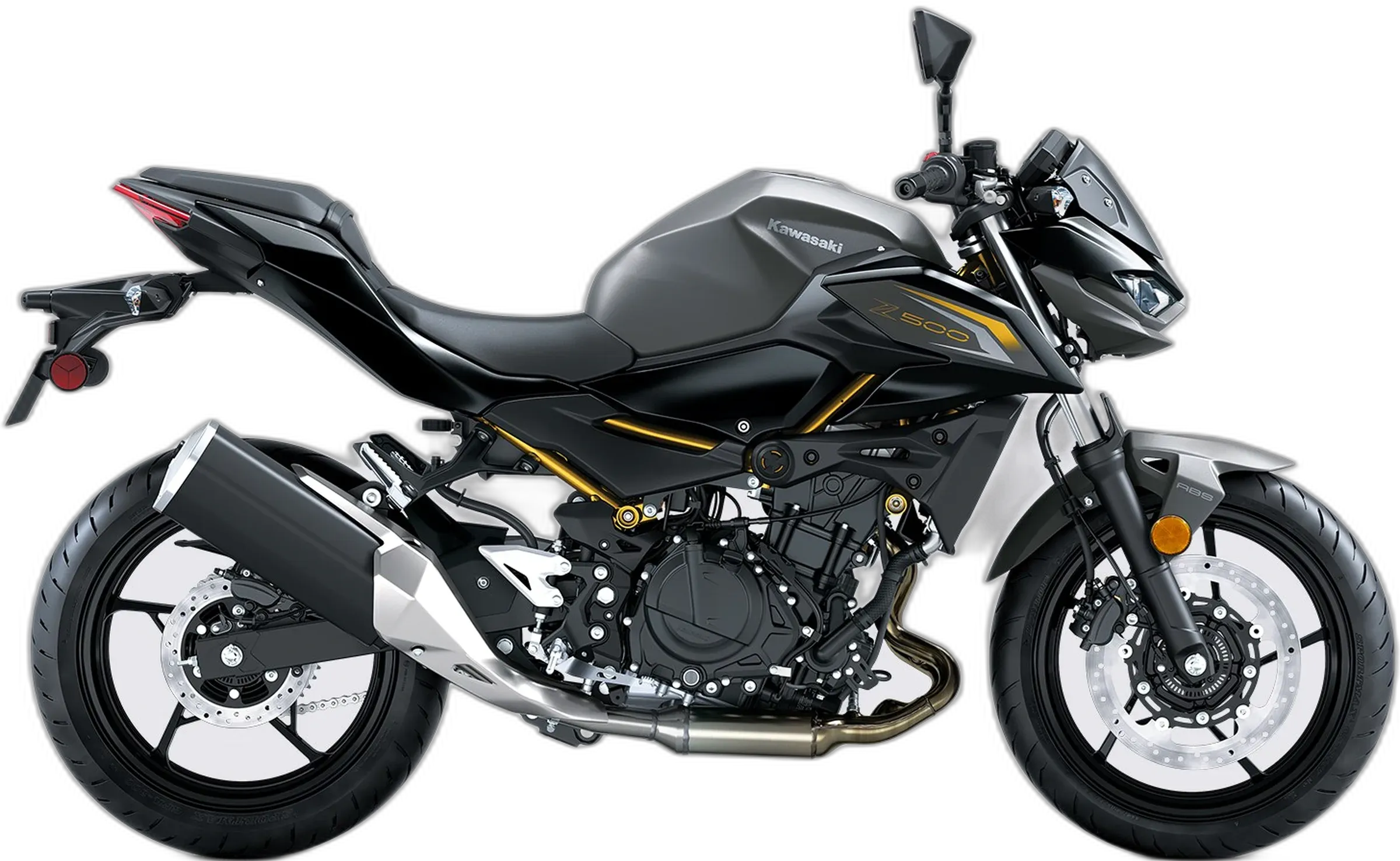
The Z 500 is the exact opposite of the GSR: no screamer, but a 451 cc parallel twin with 45 hp and 32 lb-ft that pulls clean and completely even. You sit at 30.9” here too, and the whole package weighs just 366 lb ready to ride. Fact is: for shorter riders, every pound counts when you’re turning the bike around, and low weight makes pushing it around a lot easier. The slipper clutch is feather-light, the six-speed snicks through the gears crisply, and the community rates the handling as neutral and predictable. The Z 500 was also part of our test in July 2024. How well that fits, you’ll feel on roads like the Back of the Dragon (VA-16): constant braking, constant turn-in. That’s exactly where the light Kawi plays its strengths. The truth? On longer stretches at a steady cruising rpm, a high-frequency buzz in the grips, pegs and seat gets on your nerves. And if you want to use the smartphone connectivity, test the pairing on the actual bike with the seller: connection problems are known. Specs and details are in my Kawasaki Z 500 buyer’s guide.
No. 4: Triumph Street Twin Gold Line – Pure Gold
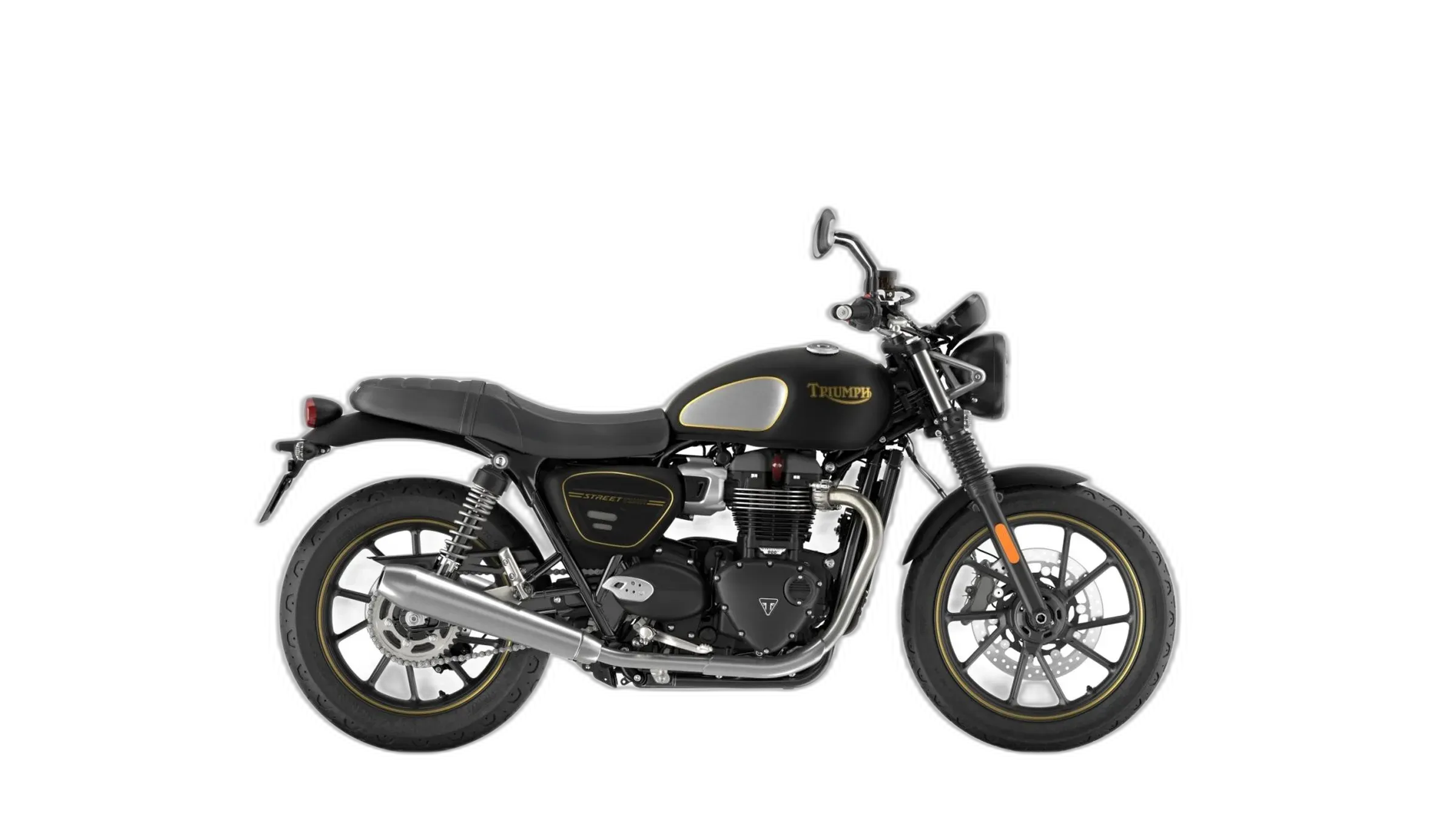
Now we’re getting really low. At 30.1”, the Street Twin Gold Line has the lowest seat on this list, and you feel it at every stoplight. The 900 cc parallel twin makes 64 hp, but the 59 lb-ft matter more: that fat lump of midrange shoves you out of every hairpin without you having to fiddle with the throttle. Owners call it approachable, relaxed to sit on and neutral in its steering, and the revised fork and balanced chassis do their part. What makes it special is the look: hand-painted gold lines on matte Sapphire Black, limited to 1,000 units worldwide. Even with that low seat, try pushing its 437 lb ready-to-ride weight around before you buy. Sitting low doesn’t take the weight off you. It’s made for roads like the Kancamagus Highway (NH-112), which crosses Kancamagus Pass, say when you’re rolling up toward the pass and someone suddenly comes the other way around a curve. When you buy, inspect the special paint and the gold lines closely for damage.
No. 3: Ducati Scrambler Classic – Spoked Charm
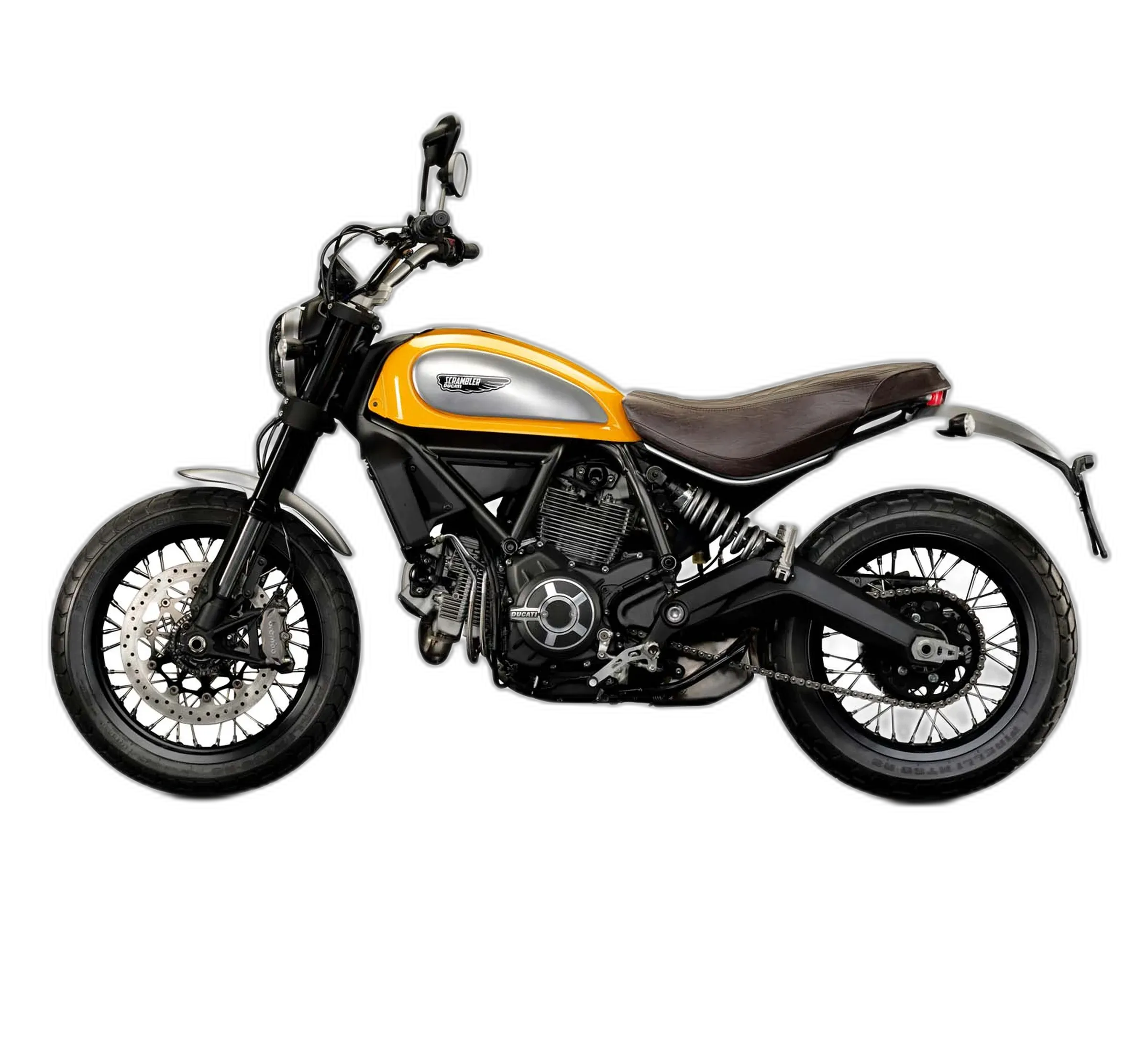
At 31.1”, the Scrambler Classic scrapes right against the upper limit of this list, but it makes up for it with its light, nimble character. The air-cooled 90-degree V-twin with 803 cc puts out 72 hp and pulls strong from low revs, linear and never intimidating. The wide handlebar gives you plenty of leverage, and owners describe it as light and quick in corners. What sets it apart from the Icon is the retro look: spoked wheels, sheet-metal fenders and a classic seat. But if you’re hunting for a big kick up top, you’ll be disappointed, because the engine noticeably runs out of breath before the limiter. Where it shines, you’ll see on roads like RM 337 (Medina–Leakey–Camp Wood) in Texas, and when you climb off at the end of the ride, you’re relaxed instead of wrung out. At 410 lb ready to ride, it stays docile when you’re turning it around in a parking lot. If you’re shopping the 2015–2019 model years, ask the seller for inspection and service records. And take a bad road on your test ride: the basic suspension hits its limits on rough pavement. More in my Ducati Scrambler Classic buyer’s guide.
No. 2: Ducati Scrambler Icon – Light-Footed Icon
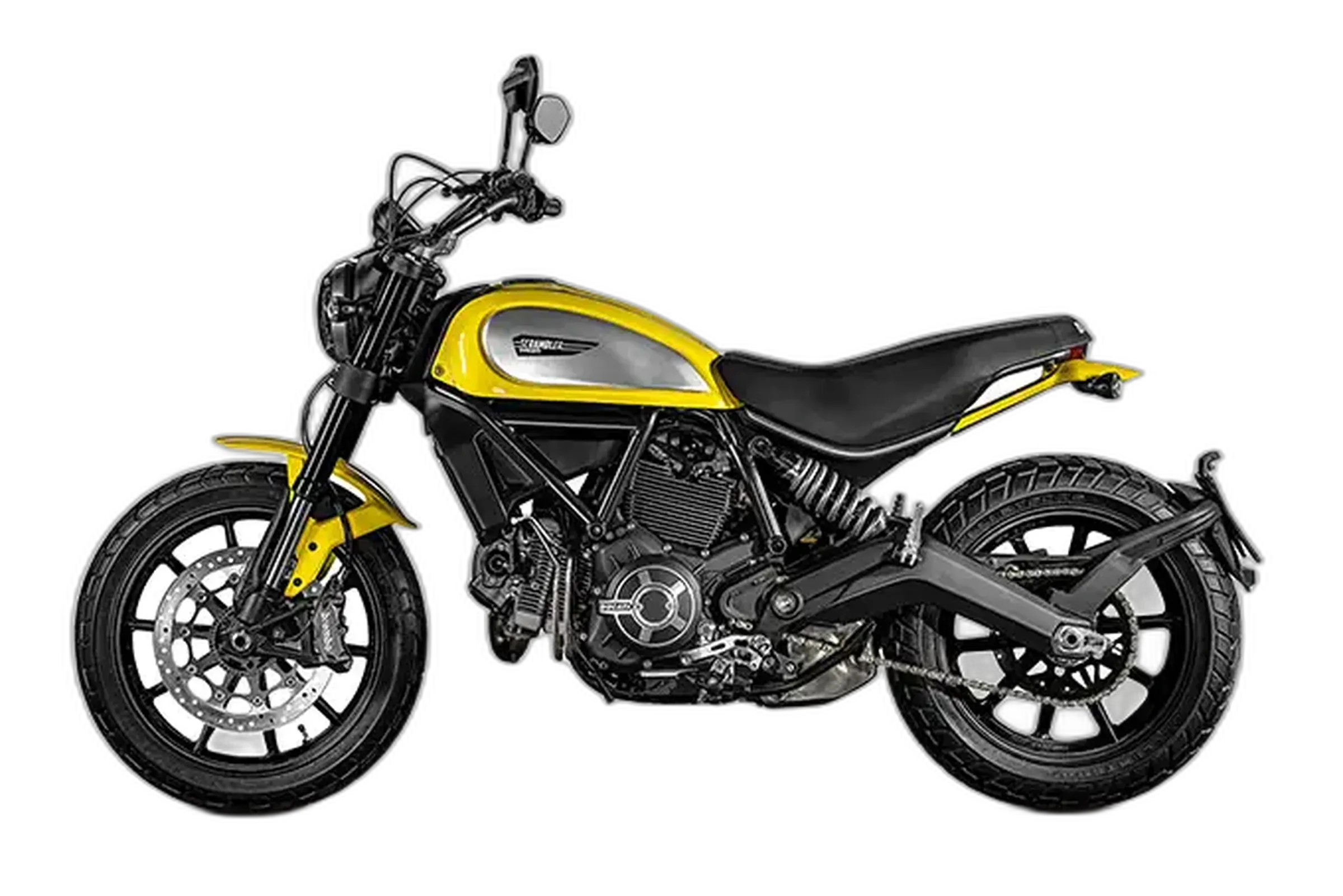
Same base, purer look. I rode the first-generation Icon back in January 2015 at Ducati’s press launch in Palm Springs. The 803 cc V-twin makes 74 hp and 50 lb-ft, and the seat sits at 31.1”. The community calls it light, slim and easy to handle, and the wide bar turns U-turns in town into child’s play. The single front disc bites with fine control and harder than its looks suggest. But the throttle is snatchy in city traffic, and the fork feels sticky over the first bit of travel and gets harsh on patched-up pavement. Cold, the engine needs a moment before it runs smooth, by the way. You’ll feel the charm on roads like the Historic Columbia River Highway (US-30, Troutdale–The Dalles), when you roll in on a sunny weekend, park up next to other bikes and take one last look back at your machine before you grab a bite. For the 2015 and 2016 model years I’m talking about here: at 10 years old, a used Ducati Scrambler Icon runs about $6,000. Important when you buy used: there was a recall for the sidestand pivot bolt, so ask the seller or a Ducati dealer to confirm the work was done. Details in my Ducati Scrambler Icon buyer’s guide.
No. 1: Triumph Speed 400 – My Winner
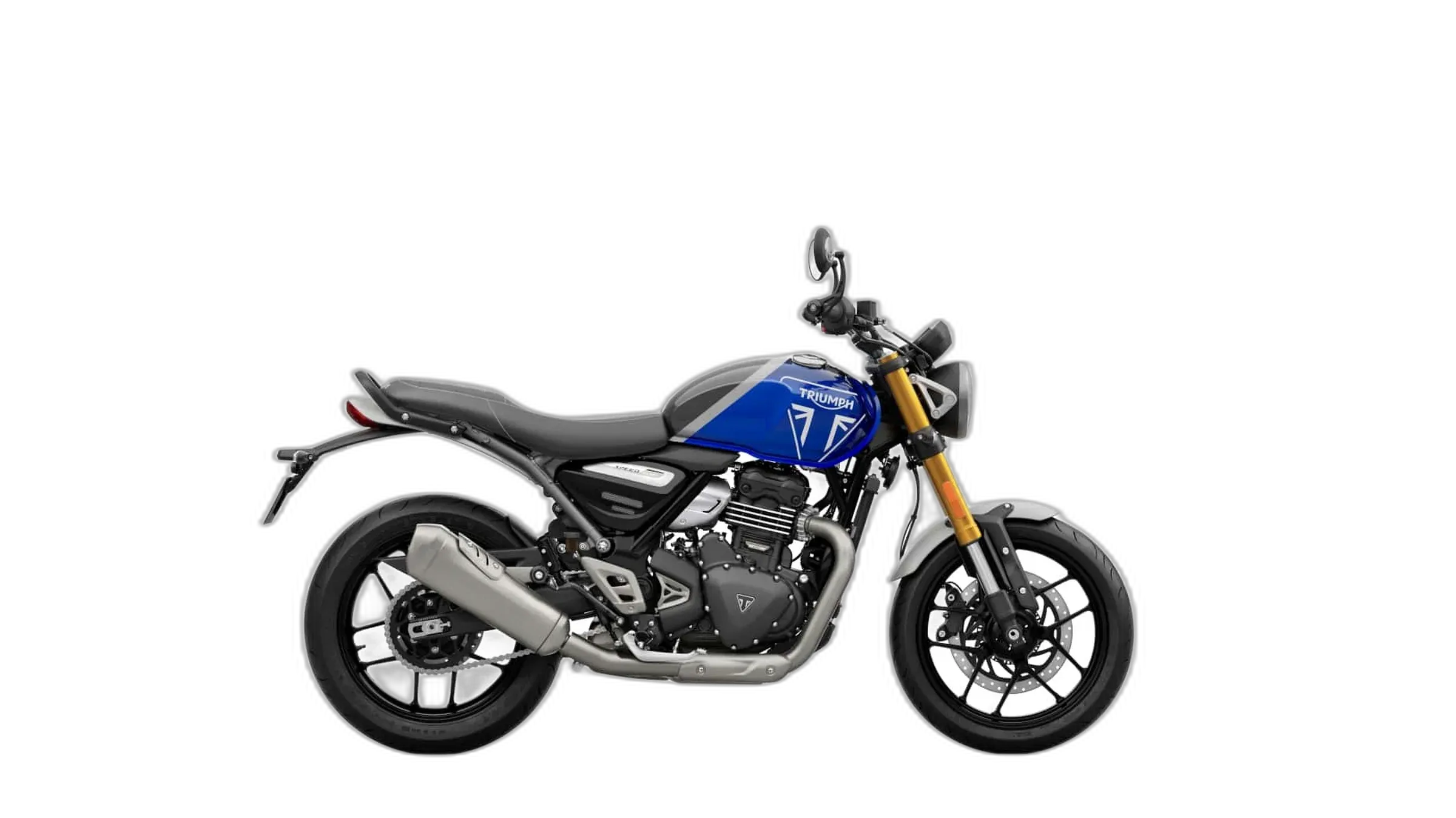
The Speed 400 is my top pick for anyone who wants to stand solid without settling for bargain-bin suspension. Here’s why: it puts you at 31.1”, weighs just 375 lb ready to ride and gets a chassis with an upside-down fork that feels more premium than the price suggests. The 398 cc single makes 39 hp and 28 lb-ft, with nicely usable torque; an aggressive top-end hit isn’t its thing. In June 2024, in the Bucklige Welt hills of Lower Austria, it even made seasoned sport riders like Marek and me happy. It’s made for roads like the Blue Ridge Parkway, say when you head out after work and the chassis shrugs off broken pavement without a fuss. Fact is: the build quality plays a class above, too. Small catches: the wide tank presses against your inner thighs on long stints, and owners occasionally report oil leaks at seals, so ask the seller or dealer about it and look for weeping. At 2 years old, a used Triumph Speed 400 runs about $4,700. Everything else is in my Triumph Speed 400 buyer’s guide.
My Verdict
Bluntly put: you don’t have to grow taller to have fun in the hairpins. Try your favorite in your own riding gear, and check for yourself how solidly you stand and how easily you can push it around. Then go find your bike for the next after-work ride.