By NastyNils·
Motorcycle comparison · Retro Classic
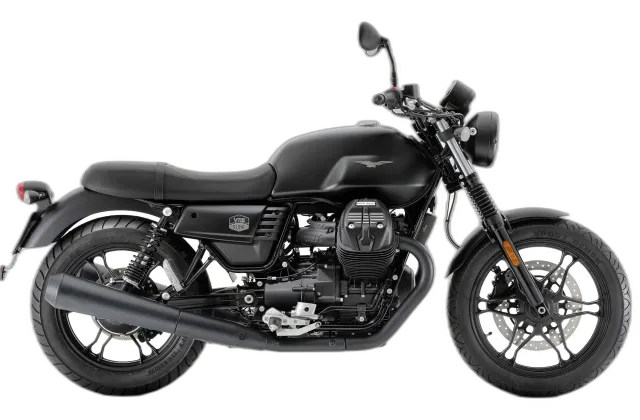
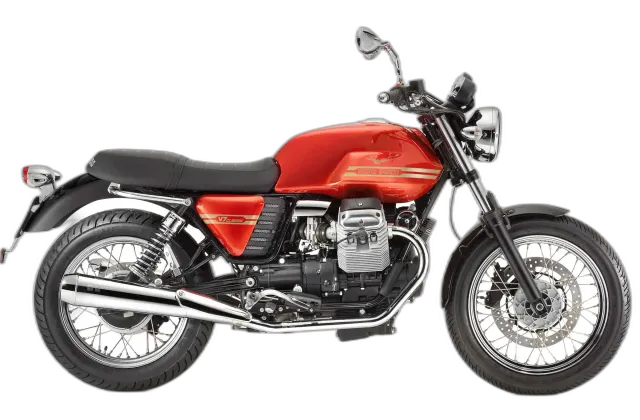
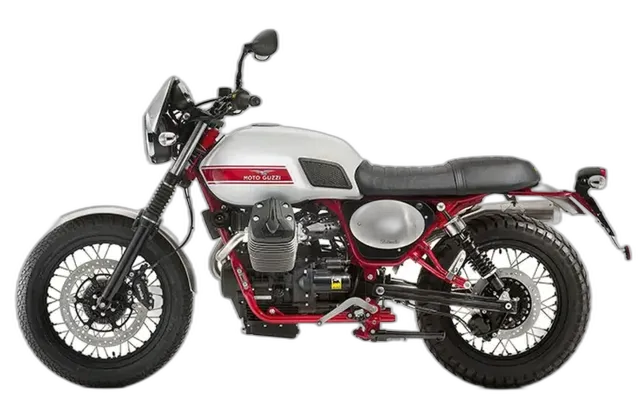
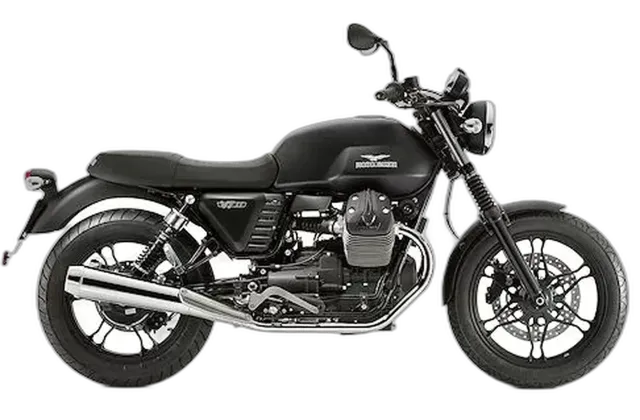
Moto Guzzi V7 II Stone (MY2015) vs V7 III Rough (MY2018)
Moto Guzzi V7 II Stone vs V7 III Rough: buy with your heart, but read this first.
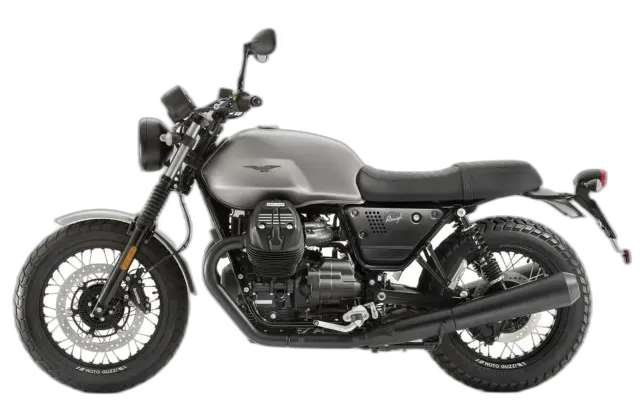
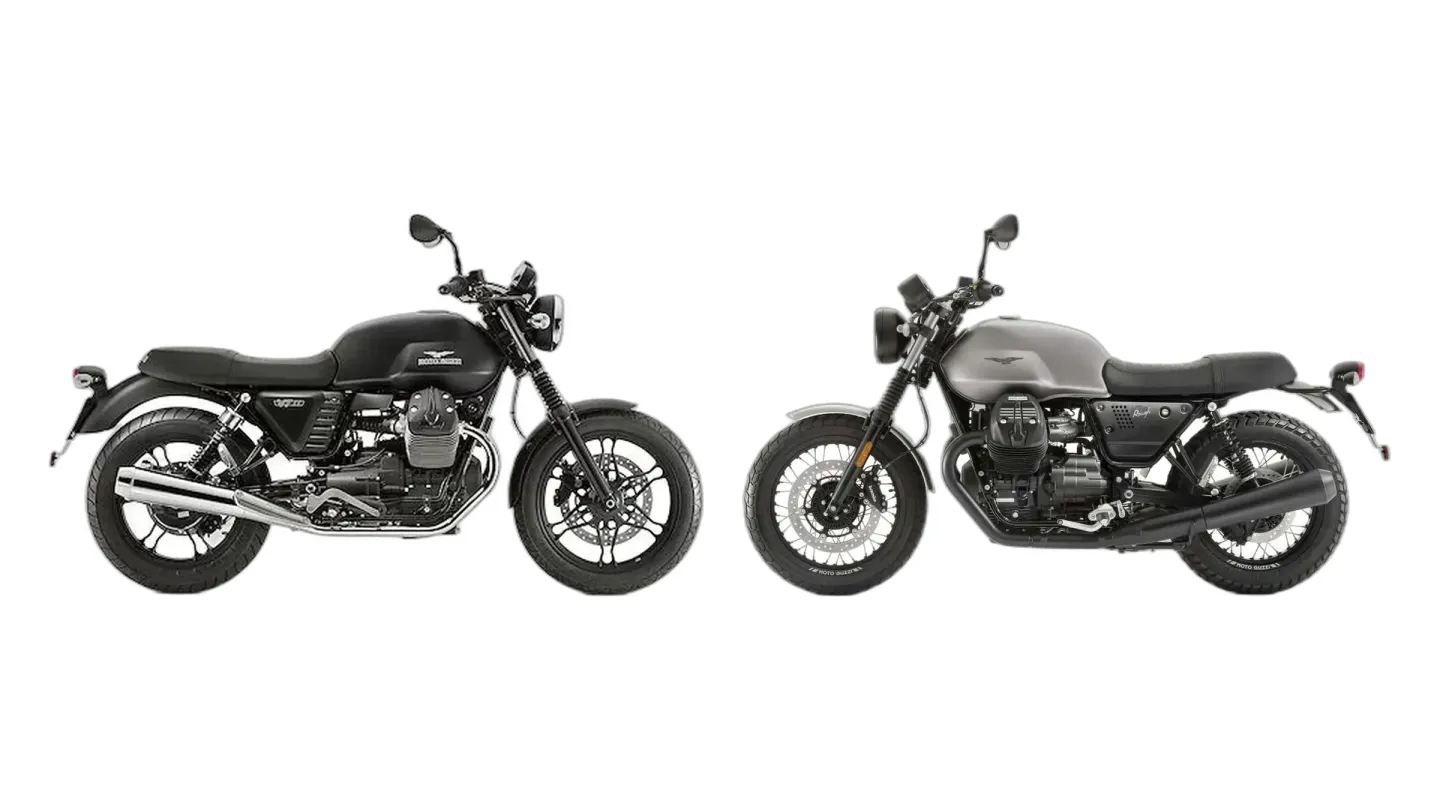
You'll catch the Moto Guzzi V7 II Stone's satin finishes and bare mechanicals first, a stripped Italian classic. The Moto Guzzi V7 III Rough's scrambler lines carry deep chrome and fine paint that reward a close look. Once it's moving, the steering stays predictable.
So which one do you buy?
The V7 III Rough has the edge if…
Character, looks and sound
Narrow edge: V7 III Rough
On style, the V7 III Rough makes a slightly stronger case. What tips it: more scrambler looks and a purer look. Go see both in person.
Daily commuting & city riding
Nose ahead: V7 III Rough
On the way to work, the V7 III Rough asks a little less of you. Close enough that the test ride should settle it.
Which one's the smarter buy
Money won't decide it
The price gap doesn't produce a clear winner. Neither bike is the clear better buy for the money.
What makes each one tick
V7 II Stone
Torque arrives early from the V7 II Stone's air-cooled twin, and the shaft drive adds its familiar surge each time the throttle opens. The simple tubular frame doesn't fuss as the bike tips into a corner. Rougher pavement's another matter, where the soft fork and preload-only shocks wallow. You'll remember the exhaust's bark.
V7 III Rough
The V7 III Rough keeps you low, on a seat at 30.3 in (770 mm). Its bars answer in a way you'll read without thinking, while the engine's manners never crowd you. The throttle's answer is torque. That transverse twin pulls with a feel all its own.
The Voice of Experience
What actually separates them
- The V7 III Rough has the lower seat: 30.3 in (770 mm) vs 31.1 in (790 mm).
- The V7 II Stone has the lower wet weight: 417 lb (189 kg) vs 470 lb (213 kg).
- The V7 III Rough makes more peak power: 52 hp (38 kW) vs 48 hp (35 kW).
Which one for the way you ride
Comfortable long-distance riding
Not built for this
Big miles aren't where either one shines. You'll be watching for the next rest stop.
Look at twisty roads and running costs and you'll find two bikes doing the same job equally well. Fit is what breaks the tie.
Who each one is built for
What's good, and what you'll live with
V7 II Stone
What owners say
Strengths
- Characterful transverse V-twin engine
- Genuine Italian retro styling
Trade-offs
- Lackluster power for its displacement
- Soft, underdamped suspension
V7 III Rough
What owners say
Strengths
- Characterful transverse V-twin
- Classic styling and build quality
Known problems to check before you buy
V7 II Stone
No confirmed faults on file yet. That's not the same as fault-free.
V7 III Rough
- Oil pan bolt loosening / leak Some owners experienced oil leaks from the oil pan due to loose bolts.
What they cost used
These prices compare an 8-year-old V7 II Stone with an 8-year-old V7 III Rough.
- V7 II Stone
- about $3,400
- V7 III Rough
- about $5,500
At eight years old, the V7 II Stone sits around $3,400 while the V7 III Rough runs about $5,500. That's a $2,100 gap in the Stone's favor. These are US market estimates, not live listings.
What they share
- Displacement
- 744 cc
- Engine
- 90° V-twin
- Cooling
- Air-cooled
- Peak power at
- 6,200 rpm
- Gearbox
- 6-speed
- Final drive
- Shaft
- Fork
- Telescopic
- Front brake
- 320 mm
- Front tire
- 100/90-18
- Rear tire
- 130/80-17
Where the spec sheets split
| V7 II Stone | V7 III Rough | |
|---|---|---|
| Seat height | 31.1 in (790 mm) | 30.3 in (770 mm) |
| Wet weight | 417 lb (189 kg) | 470 lb (213 kg) |
| V7 II Stone | V7 III Rough | |
|---|---|---|
| Power | 48 hp (35 kW) | 52 hp (38 kW) |
| Torque | 43 lb-ft (58 Nm) | 44 lb-ft (60 Nm) |
| Peak torque at | 2,800 rpm | 4,900 rpm |
| V7 II Stone | V7 III Rough | |
|---|---|---|
| Fuel capacity | 5.8 US gal (22 L) | 5.5 US gal (21 L) |
What comes fitted, what costs extra
| V7 II Stone | V7 III Rough | |
|---|---|---|
| Smartphone Connectivity | Not offered | Option |
| USB Charging Port | Not offered | Option |
| Heated Grips | Not offered | Option |
Head to head, area by area
Both bikes on the same scale, one area at a time.