By NastyNils·
Motorcycle comparison · Retro Classic
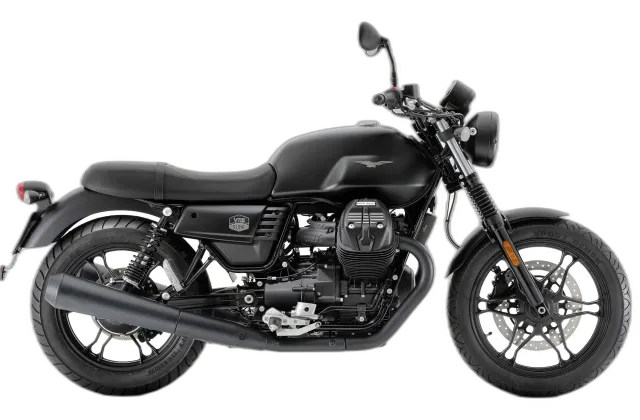
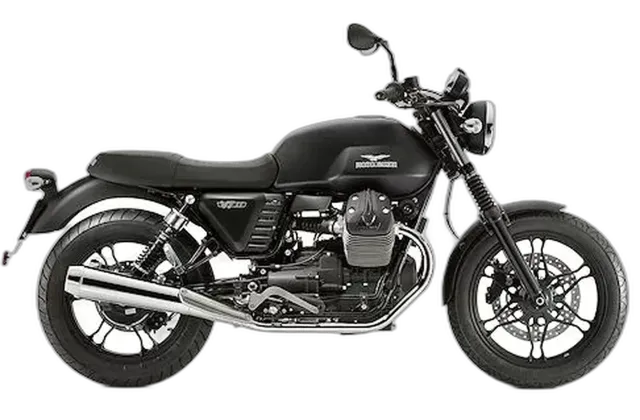
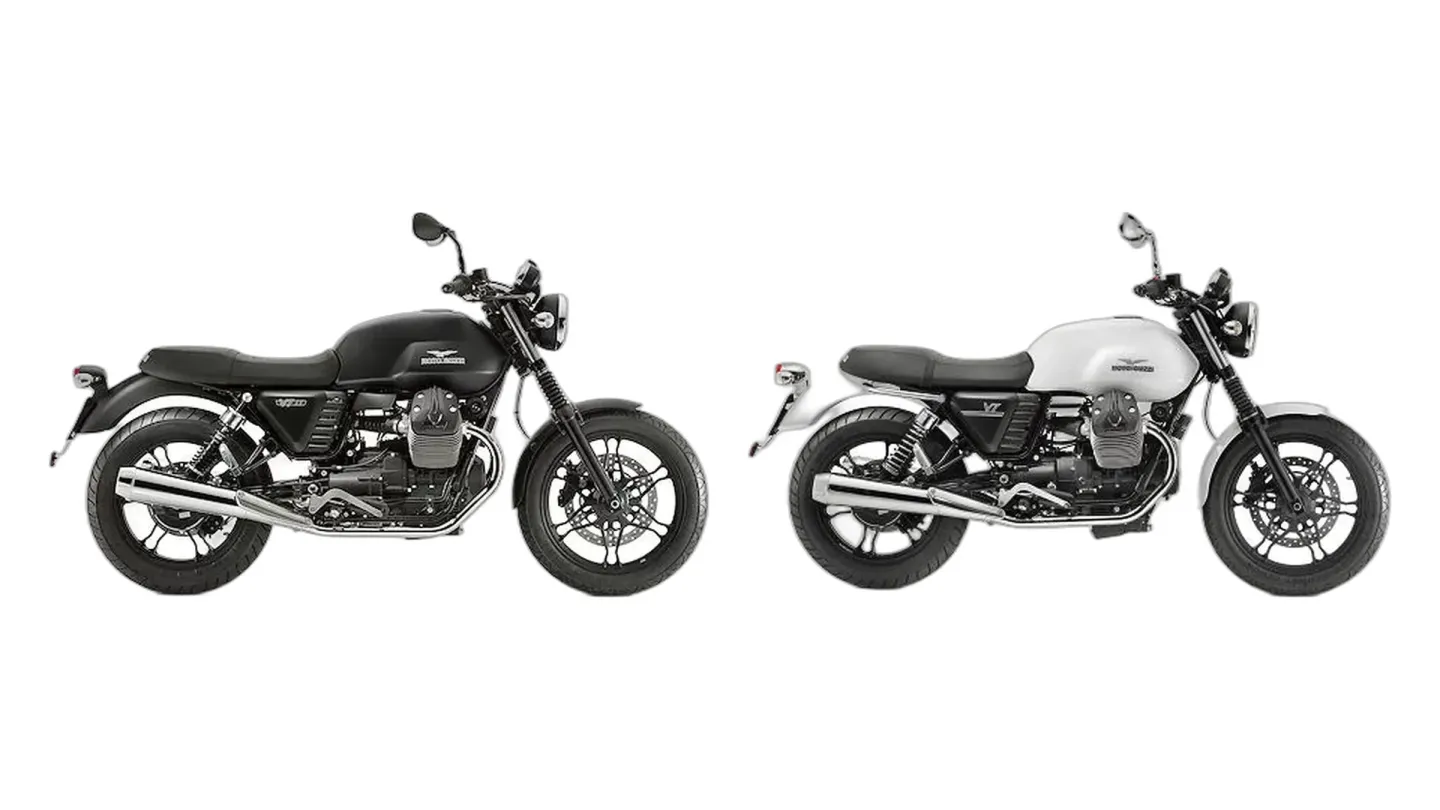
Moto Guzzi V7 II Stone (MY2015) vs V7 750 Stone (MY2012)
Moto Guzzi V7 II Stone vs V7 750 Stone: style matters. So does everything underneath.
Hit a rough stretch on the Moto Guzzi V7 II Stone and the soft fork and shocks can't hold it level. On the Moto Guzzi V7 750 Stone, you're sitting tall and relaxed behind wide bars. Your arms stay loose over the ruts.
So which one do you buy?
The V7 II Stone has the edge if…
Daily commuting & city riding
Small edge: V7 II Stone
On the way to work, the V7 II Stone asks a little less of you. Close enough that the test ride should settle it.
The V7 750 Stone has the edge if…
Sporty riding on twisty roads
A touch ahead: V7 750 Stone
Back-road fun leans slightly toward the V7 750 Stone. It's a narrow call, so trust your test ride.
Character, looks and sound
Slight edge: V7 750 Stone
The V7 750 Stone carries slightly more attitude. That comes from more engine character. A close call, and a personal one.
What makes each one tick
V7 II Stone
Low in the revs, the V7 II Stone's transverse twin surges through its shaft drive, and there's a soulful note from the exhaust. Overtakes don't come easily, since the engine wants you to drop a gear or two first. The suspension wallows over a bump. Its satin finish and bare engine haven't aged a day.
V7 750 Stone
From a crawl, the V7 750 Stone's air-cooled twin pulls strongly on low revs, and the exhaust's got a sound all its own. Corner entry doesn't need a fight, since the tubular steel chassis turns in at an unhurried pace. One round headlight leads the way. A wrench and a free Saturday keep it running.
The Voice of Experience
What actually separates them
- The V7 II Stone has the lower seat: 31.1 in (790 mm) vs 31.7 in (805 mm).
- The V7 II Stone has the lower wet weight: 417 lb (189 kg) vs 437 lb (198 kg).
- ABS: standard on the V7 II Stone, not offered on the V7 750 Stone.
Which one for the way you ride
Comfortable long-distance riding
Neither is a natural fit
Both of these get tiring on a long day. A proper tourer will treat you better on big miles.
Count a first bike as a draw. The deal on the table and the condition of the bike matter more here.
Who each one is built for
What's good, and what you'll live with
V7 II Stone
What owners say
Strengths
- Characterful transverse V-twin engine
- Genuine Italian retro styling
Trade-offs
- Lackluster power for its displacement
- Soft, underdamped suspension
V7 750 Stone
What owners say
Strengths
- Characterful air-cooled V-twin
- Comfortable upright ergonomics
- Italian style and simplicity
What they share
- Displacement
- 744 cc
- Engine
- 90° V-twin
- Cooling
- Air-cooled
- Peak power at
- 6,200 rpm
- Torque
- 43 lb-ft (58 Nm)
- Fuel capacity
- 5.8 US gal (22 L)
- Final drive
- Shaft
- Fork
- Telescopic
- Front brake
- 320 mm
- Front tire
- 100/90-18
- Rear tire
- 130/80-17
Where the spec sheets split
| V7 II Stone | V7 750 Stone | |
|---|---|---|
| Seat height | 31.1 in (790 mm) | 31.7 in (805 mm) |
| Wet weight | 417 lb (189 kg) | 437 lb (198 kg) |
| V7 II Stone | V7 750 Stone | |
|---|---|---|
| Power | 48 hp (35 kW) | 49 hp (36 kW) |
| Peak torque at | 2,800 rpm | 5,000 rpm |
| V7 II Stone | V7 750 Stone | |
|---|---|---|
| Fuel economy | 37 mpg (US) / 6.3 L/100 km | 59 mpg (US) / 4 L/100 km |
| V7 II Stone | V7 750 Stone | |
|---|---|---|
| Gearbox | 6-speed | 5-speed |
What comes fitted, what costs extra
| V7 II Stone | V7 750 Stone | |
|---|---|---|
| ABS | Standard | Not offered |
| Traction Control | Standard | Not offered |
Head to head, area by area
Both bikes on the same scale, one area at a time.